



Bathroom
Walk-In Tub vs. Walk-In Shower for Seniors
09.16.2026
09.16.2026


In This Article
For seniors who use a walker, wheelchair, or rollator, a curbless walk-in shower is the safer choice because the mobility aid can enter with them. A walk-in tub is best for someone who can step through the door and transfer safely to its built-in seat, especially when a deep soak helps with pain or stiffness. When comparing a walk-in tub vs. walk-in shower for seniors, mobility matters more than bathing preference.
Bathing should not become the daily task you have to brace yourself for. When stepping over a standard tub wall starts to feel uncertain, either fixture removes that high barrier and helps you hold on to a routine that still feels like your own.
Cost, bathroom space, and caregiver access shape the rest of the choice. A $15,000 renovation has failed if the tub is still hard to exit or the shower leaves too little room for someone to help.
The biggest differences are how you enter, whether you sit or stand, and how much room a mobility aid requires. The table below compares the built-in seat and deep basin of a walk-in tub with the open floor area and flexible seating of a shower.
| Factor | Walk-in tub | Walk-in shower |
|---|---|---|
| Entry | Door with a threshold 3 to 7 inches high | Curb 3 to 4 inches high, or a flush entry when built curbless |
| Bathing position | Seated | Seated or standing |
| Typical installed cost | $5,000 to $20,000 | $3,000 to $12,000, with curbless builds costing more |
| Space needed | 12 to 15 square feet, close to a standard tub footprint | As little as 10 square feet |
| Walker or wheelchair access | Limited by the door opening and seat transfer | Full access when the shower is curbless |
| Time in the fixture | You remain inside while the tub fills and drains | No wait to enter or leave |
Entry height is only one source of risk in the bathroom. Standing, turning, transferring to a seat, and getting help during an emergency all affect which fixture feels secure in daily use.
Bathroom safety statistics can make any low-entry fixture sound like the answer. They rarely tell you whether a fall happened while someone stepped into the tub, stood under the shower, reached for a towel, or tried to get out. A lower entry does not solve difficulty standing or transferring to a seat.
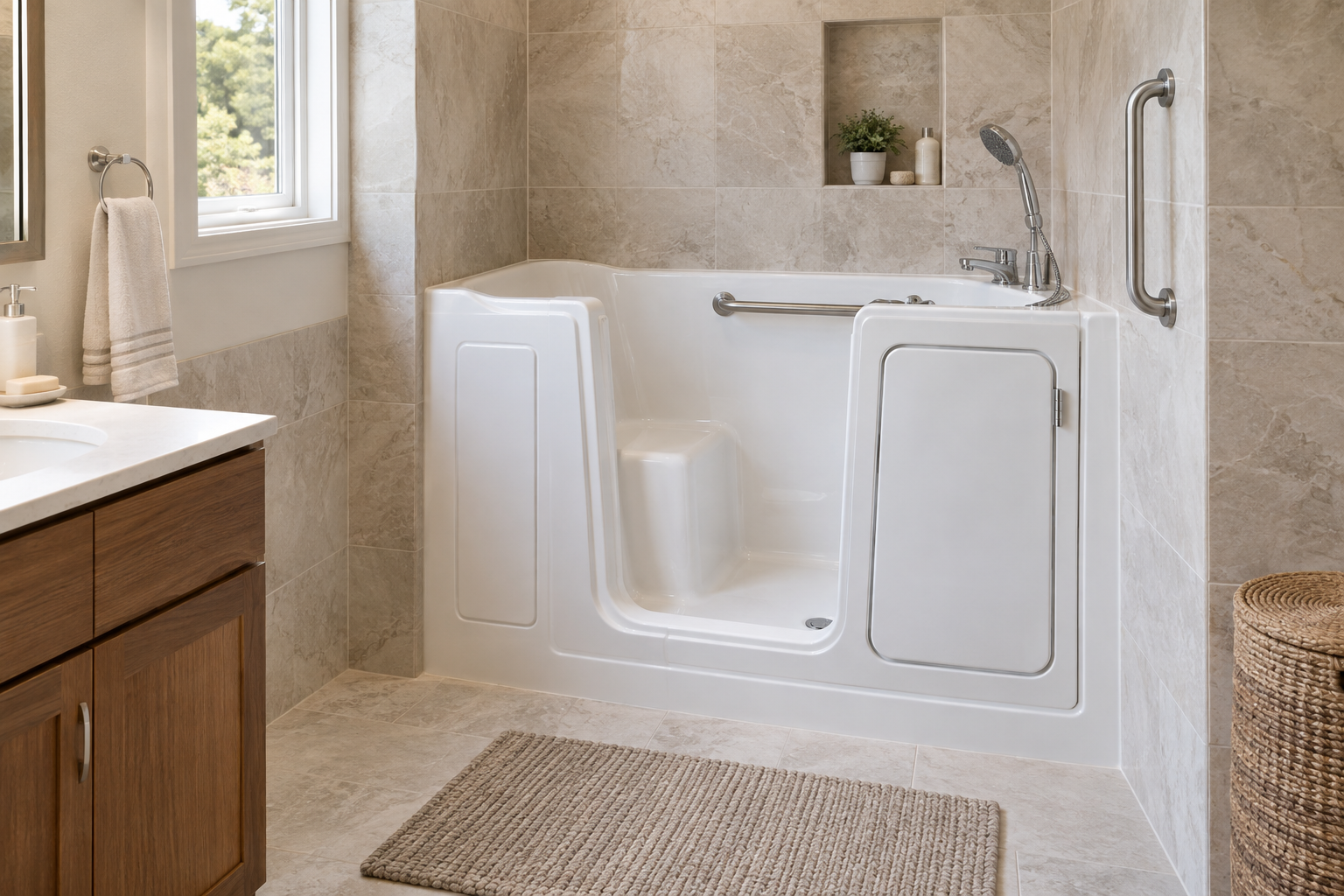
A walk-in tub takes the high step out of bathing. Instead of lifting one leg over a tub wall roughly 14 inches tall, you pass through a door with a much lower threshold and sit on a built-in seat. For someone who walks steadily but feels nervous during that high step, the change brings real relief.
The door opening is too narrow for a walker or wheelchair. You still have to step through it and lower yourself onto the seat, while a curbless shower gives someone using a mobility aid a clear route in and enough open space for a shower chair or transfer bench.
When standing for 10 minutes is difficult, both choices support seated bathing. The seat lets you move through the routine at your own pace instead of rushing because your legs are tired. A walk-in tub includes one by design, while a shower can use a fold-down bench or transfer bench at a lower cost.
So the door has to stay closed until the tub empties. If you become dizzy, weak, or uncomfortable while the basin is full, you have to wait through the drain cycle before getting out. Fast-drain features shorten that wait, but they do not remove it.
A curbless shower is easier for a caregiver to enter and move around in, especially when the layout leaves open space beside the bench. Help in a walk-in tub has to come through the door opening or over the side of the tub. The extra room also lets the person bathing move at a more comfortable pace while someone stays close enough to assist.
Design a Home That’s Uniquely Yours
Block can help you achieve your renovation goals and bring your dream remodel to life with price assurance and expert support.
Get Started
One quote describes a prefabricated pan with a 4-inch curb. Another uses the same “walk-in shower” label for a tiled room with a flush entrance and rebuilt floor. The quote should say whether the contractor priced a low curb or a flush entry, since the second option requires far more floor and waterproofing work.
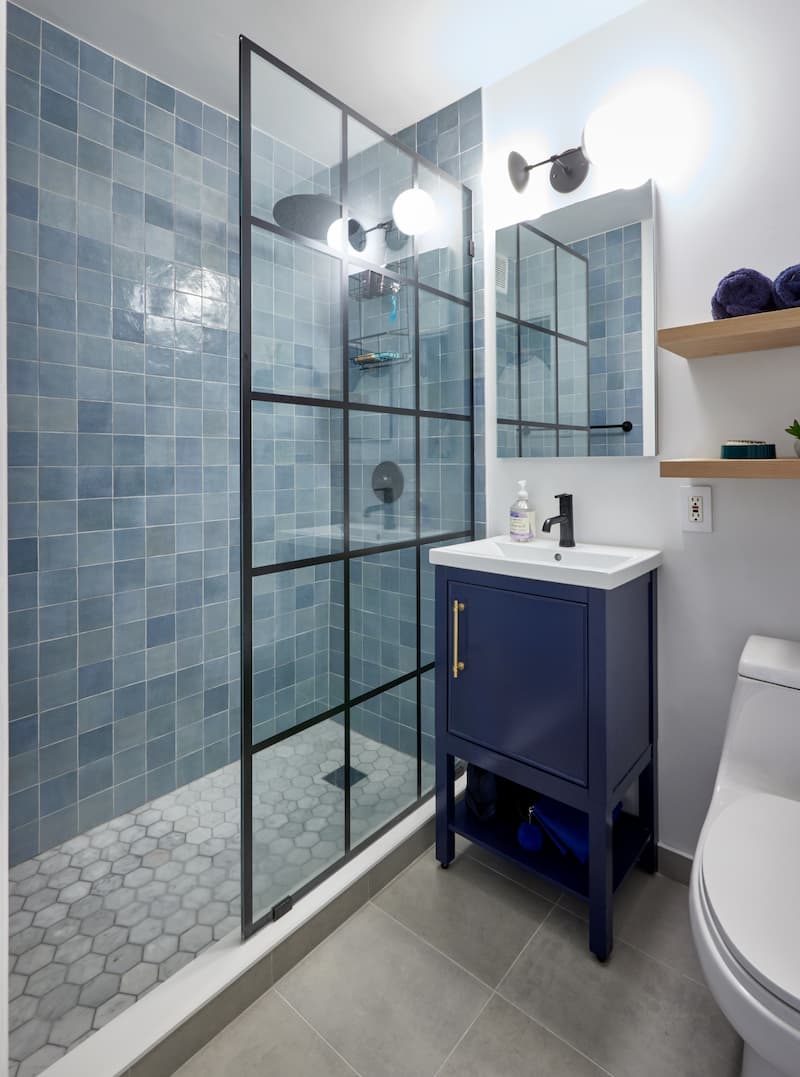
A curb 3 to 4 inches high is a major improvement if you can lift your foot several inches while holding a grab bar. It does not provide roll-in access, so someone arriving with a walker or rollator still has to stop at the edge and transfer into the shower.
The conversion replaces the tub with a prefabricated shower pan while leaving the floor structure intact. Keeping the drain in the same general location also limits the plumbing work, and a straightforward installation takes only a few days.
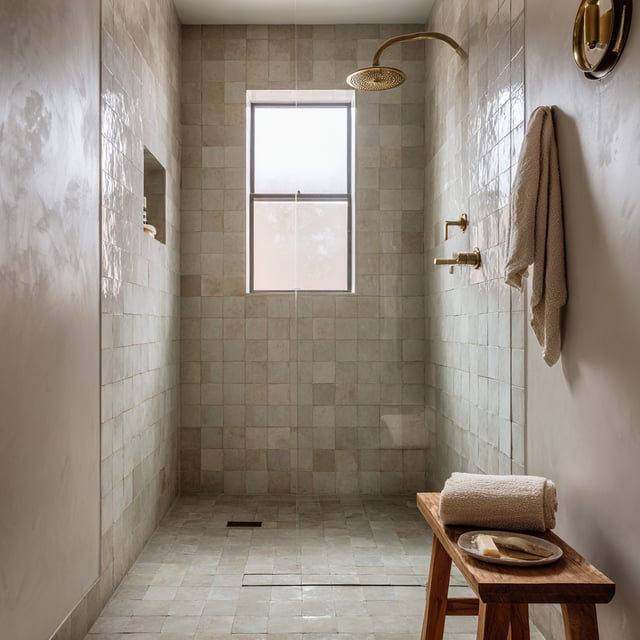
Under the tile on a curbless build, the floor has been rebuilt to create an integrated slope. The subfloor is recessed or reframed, and waterproofing extends beyond the shower itself. On an upper floor, the joists may need sistering or headering before tile installation begins.
Recessing the floor, changing the framing, and extending the waterproofing add $2,000 to $5,000 compared with a similar shower built with a curb. The finished shower has three advantages over a prefabricated pan:
The installed total covers far more than the tub or shower. Demolition, plumbing, electrical work, waterproofing, and repairs to opened walls or floors all belong in the estimate.
Size and mechanical features have a larger effect on price than the tub finish. Installed prices range from $5,000 to $20,000, and many projects finish between $8,000 and $15,000. The tub itself accounts for roughly half of that amount, while labor covers removal, plumbing connections, and frequently a new electrical circuit.
The feature package has a large effect on the final price. Mechanical upgrades also bring more equipment to maintain over time:
How far does $6,000 go in a shower conversion? That budget covers many prefabricated tub-to-shower projects, which range from $3,000 to $6,000. Tiled walk-in showers cost $6,000 to $12,000, while a tiled curbless shower reaches $8,000 to $17,000 after the drain, floor, and waterproofing work are included.
Tile, glass, bench construction, and plumbing changes move a project within or beyond those ranges. Relocating the drain or shower valve adds $1,500 to $3,000, and permit requirements depend on local rules.
A reliable quote includes water-heater, electrical, permit, and finish-repair costs. An early quote is misleading if those costs appear only after demolition.
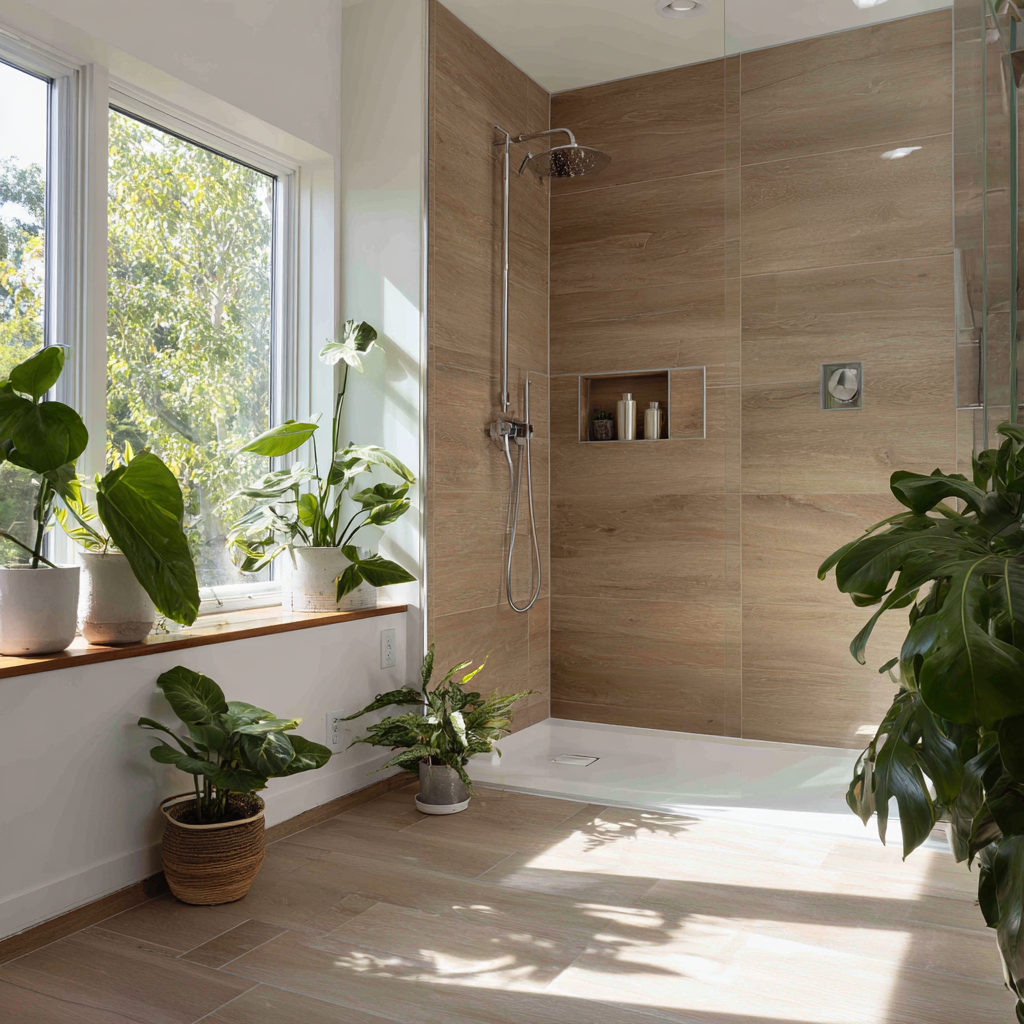
Showers are faster to enter, give a caregiver more room, and can open up turning space in a tight bathroom. A conventional bathtub remains useful for soaking and for bathing young children.
In a 1-bathroom home, removing the tub changes how the whole household uses the room. A shower may suit the person who needs safer access, even if another family member prefers the tub.
Resale matters most when you are removing the only conventional bathtub in the house. Families with young children often look for at least 1 tub, so keeping one in a second full bathroom gives you more freedom to convert the primary bath.
A walk-in tub is also a highly specialized fixture that some future buyers will want to remove. A local real estate agent can explain how buyers in your area respond to homes with no conventional tub if you expect to sell within a few years.
Will Medicare or another benefit cover the renovation? Original Medicare will not, though a VA grant, Medicaid waiver, or supplemental plan may help in narrower circumstances. Coverage depends on the exact fixture and scope because a benefit that supports a roll-in shower may exclude a jetted tub.
Original Medicare does not pay for a walk-in tub or permanent shower renovation. It covers certain kinds of durable medical equipment, such as walkers, wheelchairs, and commode chairs, but a fixture installed as part of the house does not qualify.
Some Medicare Advantage plans include home-safety or supplemental benefits that may help with bathroom modifications. A plan representative can confirm whether home modifications qualify, which providers are approved, and how much the benefit pays before work begins.
A roll-in shower is one of the bathroom changes named as eligible under the VA's Home Improvements and Structural Alterations grant. The HISA lifetime benefit provides up to $6,800 for qualifying service-connected disabilities and up to $2,000 for other qualifying disabilities.
But here's the kicker: the same program excludes spa, hot tub, and Jacuzzi-type tubs. A jetted walk-in tub may fall into that excluded category, and the local Prosthetic and Sensory Aids Service can review the exact model before a deposit is placed.
Two other sources of help may apply. Eligibility and the amount available vary by program:
Not sure how to begin your renovation?
Get free, expert guidance from a dedicated Block Project Planner who can help you navigate proposals, timelines, contractor selection, and more.
Book A Free Consultation
A full conversion may be unnecessary when the existing tub is comfortable once you are seated and the difficult movement is crossing the wall. A transfer bench and properly placed grab bars make that transfer easier.
Together, these updates cost $600 to $1,800. They will not make a standard tub wheelchair-accessible, but they can be a sensible answer when the fixture still suits your mobility.
Mobility usually settles the initial decision. The way you move now and changes that are reasonably likely over the next several years matter more than a preference for tubs or showers.
Many walk-in tubs are sold by single-brand dealers who quote their own products during an in-home sales appointment. That structure makes it difficult to compare the price with an equivalent tub and scope. Shower conversions are familiar bathroom-remodeling projects, so several qualified contractors can bid on the same plan.
With Block, you describe the project once and receive competing quotes from vetted local contractors. Experts review each scope before you commit, helping you identify missing work such as a water-heater upgrade, new electrical circuit, or repairs after plumbing access.
Compare the bids side by side, then choose a contractor with relevant accessible-bathroom experience. Make sure the final scope includes every necessary plumbing, electrical, structural, and finish repair before you commit.
Remodel with confidence through Block
Connect to vetted local contractors
We only work with top-tier, thoroughly vetted contractors

Get expert guidance
Our project planners offer expert advice, scope review, and ongoing support as needed
Enjoy peace of mind throughout your renovation
Secure payment system puts you in control and protects your remodel

Renovate confidently with Block
Easily compare quotes from top quality contractors, and get peace of mind with warranty & price protections.
Bathroom
Walk-In Tub vs. Walk-In Shower for Seniors
09.16.2026
Cost
The Cost to Add a Half Bath & How to Plan for It
09.04.2026
Bathroom
Non-Tile Bathroom Flooring Options
08.26.2026
Bath Tubs
Cost to Install a Tub Surround: Prices, Materials, and How to Choose
08.18.2026
Shower
Best Shower Wall Panel Brands: Composite, Acrylic, and Solid Surface
08.12.2026