
12.12.2025


In This Article
When it comes to designing or renovating your bathroom, the choice between an undermount and a drop-in sink is more significant than it might seem at first glance. Both types can transform the functionality and visual appeal of your space—but the right one truly depends on how you live, clean, and style your bathroom. Below, we’ll break down what sets undermount and drop-in sinks apart, their key advantages and drawbacks, and which is the right fit for your lifestyle.
Understanding bathroom sink types: The basics
Before diving into the details, let’s clarify what each term means, as well as how it plays into daily use:
- Drop-in sink: This is the more traditional sink style, recognized by its rim or lip that sits directly on top of the countertop. The sink “drops in” from above and is supported by the surrounding counter. Drop-in sinks are generally simpler to install and replace, making them a flexible choice for a range of projects and budgets.
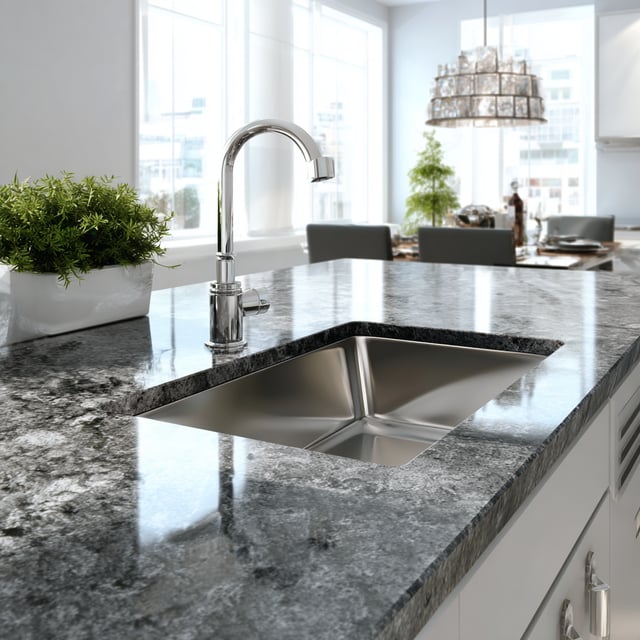
- Undermount sink: This sink is mounted beneath the countertop, so the edge of the counter covers the sink’s rim. The sink is attached from underneath, creating a seamless, flat expanse across the counter without a visible rim. Because the transition from countertop to sink is smooth, undermount sinks create an uninterrupted surface that’s both modern and practical for cleaning.
The benefits of drop-in bathroom sinks
Drop-in sinks are a popular option for a reason. Their ease of installation and replacement is just the start. Here’s why style is a favorite among homeowners and contractors.
Advantages of drop-in sinks:
- Straightforward installation -These sinks are supported by their rim and don’t ask a lot from your countertop. Most fabricators can quickly cut a hole in a counter to fit most models. It’s as if the sink almost drops in by itself. Swapping out a drop-in sink is easier than an undermount sink and rarely disrupts the rest of your bathroom.
- Works with just about any countertop - Drop-in sinks are compatible with laminate, tile, wood, and other materials. You don’t need the thick, finished edge required for undermount sinks. This opens up style options—from gentle circles to statement rectangles— in a range of budgets.
- Budget- and labor-friendly - The sink itself usually costs less, and you won’t need a specialist to finish and seal the exposed edge. Many confident DIYers can manage installation, making it an approachable bathroom update.
- Hides counter imperfections - The exposed rim covers any roughness at the cutout’s edge, offering a little grace if your countertop’s craftsmanship isn’t top-tier.
Drawbacks of drop-in sinks:
- Less streamlined look
The rim, while practical, interrupts the lines of your counter and signals a more traditional (and sometimes builder-basic) style. - Trickier to keep pristine around the edge
Water, soap, and dust love to settle along the rim. You’ll want to give this area a little extra attention during cleanups. - A touch less counter space
The rim sneaks onto your valuable surface, which can be noticeable in extra small spaces.
The benefits of undermount bathroom sinks
Undermount sinks create a crisp, custom look that is truly modern. Here’s how this style sets itself apart.
Advantages of undermount sinks
- Seamless, custom appearance - Counter flows straight into the basin—no visual breaks, no edges to gather debris. It’s a “designer” move, but it genuinely changes the way a space feels.
- Easy, efficient cleaning - With no rim, you can wipe crumbs, drips, and toothpaste straight into the sink. For busy families, or anyone eager to stay ahead of messes, this is a real upgrade.
- Maximized counter space - Even a half-inch gained on each side can add up, especially when remodeling smaller bathrooms.
- Feels and looks higher-end - Real estate agents and design pros point out that an undermount sink signals newness (or even added value) to your bathroom.
- Showcases your countertops - If you’ve chosen a beautiful stone or composite, this sink installation will not distract from the quality of the material you select for your bathroom countertop.
Drawbacks of undermount sinks
- Requires a strong, finished counter - Because the sink hangs from underneath, you’ll need materials—like stone, quartz, or solid surface—that can stand up to moisture and have a polished edge.
- Installation is trickier and pricier - You’ll need a precise fit and a solid seal. Mistakes can lead to leaks, and replacements usually require professional work.
- Seals need a checkup - Over years, the joint between the sink and the countertop may need additional caulking or other maintenance to keep water out.
Compare Proposals with Ease

Undermount vs. drop-in sinks: Key differences
|
Feature |
Drop-in Sink |
Undermount Sink |
|
Average sink cost range |
$50–$350+ |
$150–$500+ |
|
Installation cost |
Lower |
Higher |
|
Countertop options |
Most materials |
Stone, solid surface |
|
Typical appearance |
Traditional or classic |
Modern and streamlined |
|
Maintenance |
Rim cleaning |
Annual seal check ups |
|
Replacement |
Easier |
More involved |
Style and aesthetic impact
Functionality is one thing, but the style of your sink dictates the overall design of your bathroom. When deciding between a drop-in sink and an undermount sink, it’s all about clean lines and how they play into the rest of the space. Here’s how the two sink styles stack up visually.
Drop-in sinks
Drop-in sinks embody approachability and tradition. The rim presents a subtle design twist—maybe a contrasting color or sleek metal edge. The silhouette can be integrated with a variety of styles that span farmhouse, classic, and contemporary. If your vision leans into timeless territory or a little vintage, a drop-in sink will not disappoint.
For traditional, flexible design, a drop-in is a safe bet.
Undermount sinks
With no visible edges, undermount sinks evoke spa-like calm and modern energy. They blend with the countertop, allowing the materials to take the lead. These sinks are a mainstay in new builds, luxury projects, and any room aiming to streamline minimalism.
If you crave visual openness and an uncluttered look, undermount sinks are the natural fit.
Cleaning and maintenance
Let’s face it—bathrooms are busy zones. Both the drop-in sink and undermount sink come with their own cleaning technique. Let’s take a closer look..
Drop-in sinks
The rim of the sink can trap water, hair, and soap, creating extra work. The best way to keep a drop-in sink is with regular maintenance and a regular, weekly wipe down. For stubborn grime, employ a small brush to get into the crevice. When the time comes, On the bright side, replacement is straightforward, and you rarely have to worry about hidden leaks beneath the counter. These sinks are sturdier in everyday wear and tear scenarios.
Drop-ins mean a bit more elbow grease in cleaning, but they win out when it comes to affordable repair or replacement.
Undermount sinks
The uninterrupted counter means a quick sweep with a sponge pushes everything neatly into the sink. But you’ll want to check the caulked joint regularly—over time, water exposure can loosen or damage the seal. With good installation and routine inspection, undermounts are some of the easiest to keep sparkling.
If day-to-day simplicity matters most, undermounts can deliver a true low-maintenance experience.
Cost comparison: drop-in vs. undermount
When looking at the costs of drop-in versus undermount sinks, you have to look at more than materials. The installation process for an undermount sink is more involved and could end up adding on an extra expense.
Drop-in sinks
Drop-ins are generally budget-friendly, especially if you opt for stainless steel or a granite composite. Because these styles come with finished edges, you don’t have to worry about custom fabrication costs. Usually, these work with most countertops, and the installation is quick. If you have DIY experience, you may even know how to install it yourself.
Average cost range: $50–$350+ for the sink, with lower labor costs for installation.
Undermount sinks
Undermounts almost always require professional installation. Your contractor will also ensure that the countertop materials are compatible with the undermount sink style. All of this bumps up the total project price. However, the visual impact of undermount sinks can positively impact resale value.
Average cost range: $150 to $500+ for the sink, plus higher installation costs and upgraded countertop materials such as stone or quartz.
Complete your project with Block Renovation
From picking out the right sink to navigating installation, Block Renovation is here to help your bathroom project feel less overwhelming and more rewarding. With Block, you’re matched with thoroughly vetted contractors whose skills and experience align with your project and style. You see detailed, transparent proposals and real reviews, so you can hire with confidence.
Every Block renovation includes support with budgets, timelines, and warranty coverage, so you know your investment and your vision are protected.
Remodel with confidence through Block

Connect to vetted local contractors
We only work with top-tier, thoroughly vetted contractors

Get expert guidance
Our project planners offer expert advice, scope review, and ongoing support as needed

Enjoy peace of mind throughout your renovation
Secure payment system puts you in control and protects your remodel


Renovate confidently with Block
Easily compare quotes from top quality contractors, and get peace of mind with warranty & price protections.



