Kitchen Renovation Costs in Philadelphia PA
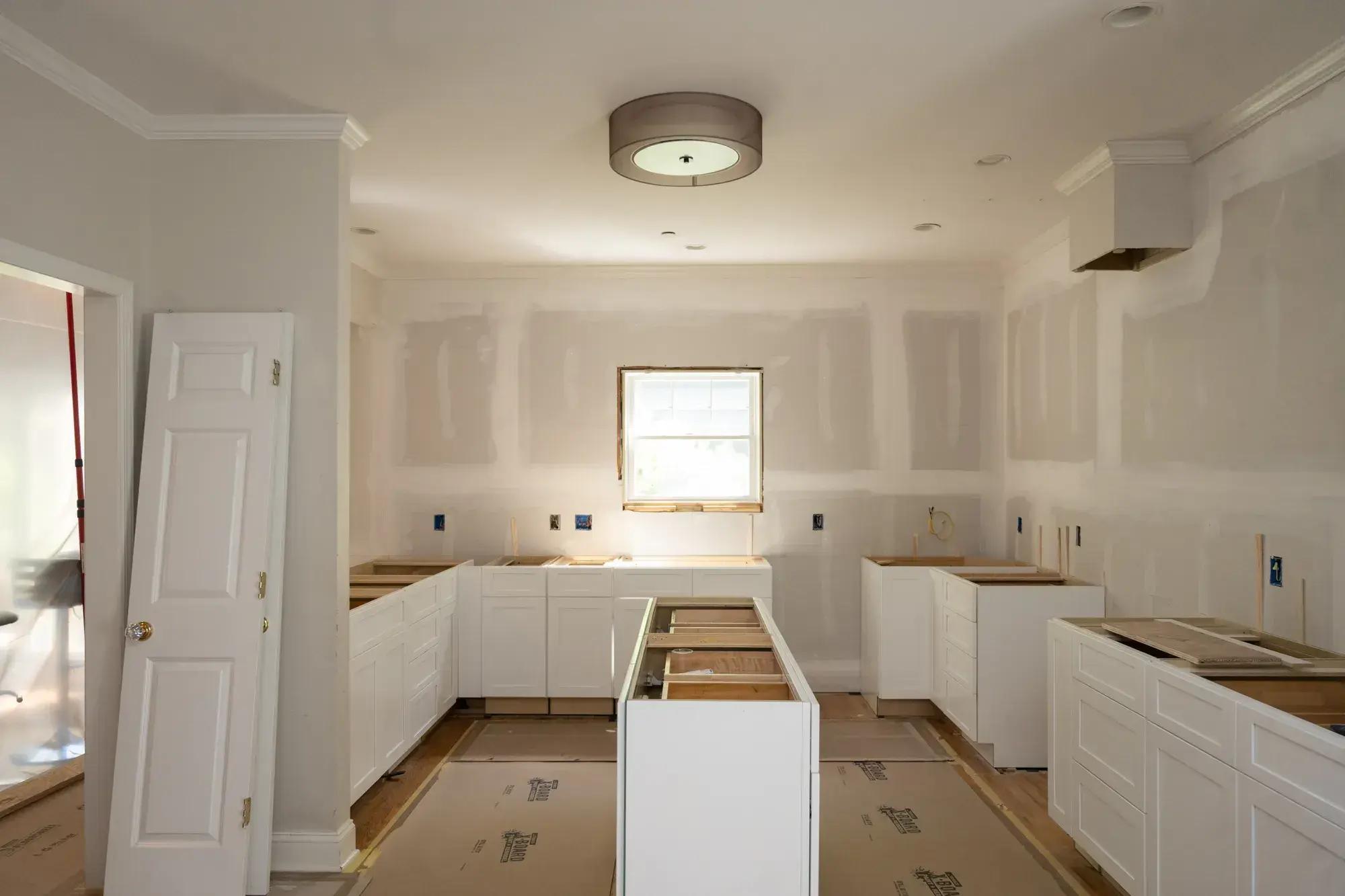
Philadelphia has logged over 17,500 kitchen renovation permits since early 2021, reflecting deep and sustained renovation activity across one of the country's largest urban markets. With more than five years of permit history, the city shows consistent homeowner investment in kitchen upgrades. At an average project cost of $16,952, Philadelphia remodels run well below the national average of $46,623 - roughly 64% less - pointing to a market where budget-conscious projects dominate and an abundant contractor pool keeps costs accessible. Whether you are planning a quick cosmetic refresh or a full gut renovation, the data below gives you a clear picture of what Philadelphia homeowners are actually spending.
Average Project Costs
$16,952
vs National Average
64% below
How does your renovation budget compare in Philadelphia?
This is right around the average renovation cost in Philadelphia.
How we calculate these costs
A renovation permit is official documentation filed with the local Department of Buildings when homeowners undertake construction work. It serves as proof that work is being done to code and represents your best data point for understanding real kitchen renovation costs in Philadelphia. The declared permit value - the estimated cost submitted by contractors or homeowners when filing - provides a reliable baseline for typical project investments, though actual costs may vary. This analysis focuses exclusively on kitchen renovation permits, excluding other room types and new construction to ensure the data accurately reflects what homeowners like you are spending on kitchen upgrades.

Cost data summary
Typical kitchen remodeling cost data in Philadelphia, PA based on renovation permits.
Meet kitchen contractors serving Philadelphia

Understanding labor costs in Philadelphia
Labor costs in Philadelphia track close to national averages, which helps explain why project costs in the city remain accessible compared to nearby metros like New York and Boston. General contractors typically bill $65-$85 per hour - slightly below some East Coast peers - while plumbers and electricians run near the national midpoint at $80-$100 and $75-$95 per hour respectively. Cabinet makers tend to cluster around $80-$105 per hour. Overall, Philadelphia is neither a significant premium nor a discount labor market, but the city's large and competitive contractor pool keeps rates from climbing to the levels seen in higher-cost metros. For homeowners, this means labor is unlikely to be the primary driver of budget overruns.
General Contractor
$65-$85
per hour
Plumber
$80-$100
per hour
Electrician
$75-$95
per hour
Cabinet Maker
$80-$105
per hour
Design and budget your next renovation with our free AI tool
Visualize diverse remodeling options
See how design decisions affect your budget in real time
Save and share project plans to guide your renovation journey
How Philadelphia compares to other cities
Monthly renovation permit activity in Philadelphia over the past 5 years.
Average Renovation Cost by City
$63,493
$59,313
$36,929
$32,202
$31,347
$19,045
Regional insights for Philadelphia kitchen remodeling costs
Philadelphia's average renovation cost sits notably lower than most of its regional peers. New York and Raleigh both run significantly higher, and Baltimore, Boston, and Charlotte also come in above Philadelphia's average. Virginia Beach is the closest comparison, sitting just above Philadelphia's range. This gap reflects the difference between dense urban row-home kitchens - typically smaller and more straightforward to renovate - and the larger footprints common in suburban and coastal markets. For Philadelphia homeowners, the data confirms that your renovation dollar stretches further here than in most neighboring metros, though it also means contractor estimates calibrated to this market may not apply if you are sourcing labor from higher-cost areas.
How Philadelphia compares to state & national averages
Understanding how kitchen remodeling costs stack up against national benchmarks helps you budget more accurately.
$16,952
$23,306
$46,623
-63.6
Cost Comparison
Local vs. National Insights
Philadelphia kitchen renovation costs average $16,952 - about 64% below the national average of $46,623 and 27% below the Pennsylvania state average of $23,306. This positions Philadelphia as a below-average renovation market by cost, driven largely by the volume of smaller, budget-focused projects that dominate the city's permit data. The concentration of row homes and smaller urban kitchens means fewer large-scale gut renovations compared to suburban markets. For homeowners planning a remodel, national benchmarks will significantly overestimate your likely spend - local permit data is a more reliable guide to realistic budgeting.
Seasonal kitchen renovation trends
Month-by-month patterns in kitchen renovation costs and permit activity in Philadelphia.
Average Renovation Cost
Data represents 5-year average trends (2021-2026) to smooth out year-to-year variations and reveal consistent seasonal patterns in Philadelphia's kitchen renovation market.
Peak Season
Spring and Summer Drive the Busiest Stretch
July posts the highest average project value at $18,831, and spring months - March through May - deliver the highest permit volumes of the year. This is when homeowners lock in contractors and projects get started. Expect the most competition for scheduling and the least flexibility on pricing during this window.
Transitional Months
Winter Planning and Fall Closeouts Stay Active
January and February show solid permit counts with above-average project values ($17,800 and $18,306), suggesting homeowners who plan during winter often commit to higher-budget work. Fall - particularly October with 2,035 permits - also sees a strong push as contractors close out the season.
Slower Period
Late Fall and December Offer More Flexibility
December and November mark the quietest months, with the lowest average project costs at $15,858 and $16,757 respectively. Homeowners who initiate projects in late fall or early winter may find more contractor availability and greater willingness to negotiate on pricing.
About this data
Here's how we collect, process, and present kitchen renovation cost data for Philadelphia.
Permit Data Explained
Renovation permits are filed with the Department of Buildings when homeowners undertake construction. The declared permit value - the estimated cost submitted by contractors - serves as a reliable proxy for actual kitchen renovation costs in Philadelphia.
Data Scope
We analyze residential kitchen renovation permits only, excluding commercial projects and new construction. This ensures the data reflects what homeowners are actually spending on kitchen renovations in Philadelphia.
Source and Methodology
17,536 permits sourced from Philadelphia DOB open data via BuildZoom, covering Mar 2021 to Jan 2026. Records are validated and filtered to remove duplicates and incomplete filings.
Permit data provided by BuildZoom. Data last updated Jan 2026.
© 2026 Block Renovation. All rights reserved.
Ready to start your Philadelphia renovation?
Top quality contractors
Warranty & price protections
Expert resources
Learn more about kitchen renovations
Expert advice and practical tips for planning your Philadelphia kitchen renovation.
Frequently asked questions about renovating in Philadelphia