





Design
Dining Room Dimensions: Minimums and Standard Sizing
08.07.2026
03.23.2026


In This Article
Building a custom home is one of the most exciting projects you can take on. For most homeowners, it’s also overwhelming, unfamiliar territory. You’re making decisions about land, design, budget, and construction all at once, often for the first time.
The reality is that the custom home building is a sequence of decisions that begin long before the first shovel hits the ground—and those early decisions have the biggest impact on cost, timeline, and overall success.
At Block Renovation, we believe homeowners should feel confident and in control at every stage. That means having clarity around your goals, your budget, and your timeline—and working with trusted professionals who share your vision.
The Block way of custom home building is built around a simple principle: reduce uncertainty early, and everything that follows becomes clearer, faster, and more predictable.
What follows is a step-by-step look at the custom home building process—so you know what to expect, what matters most, and how to avoid the most common pitfalls.
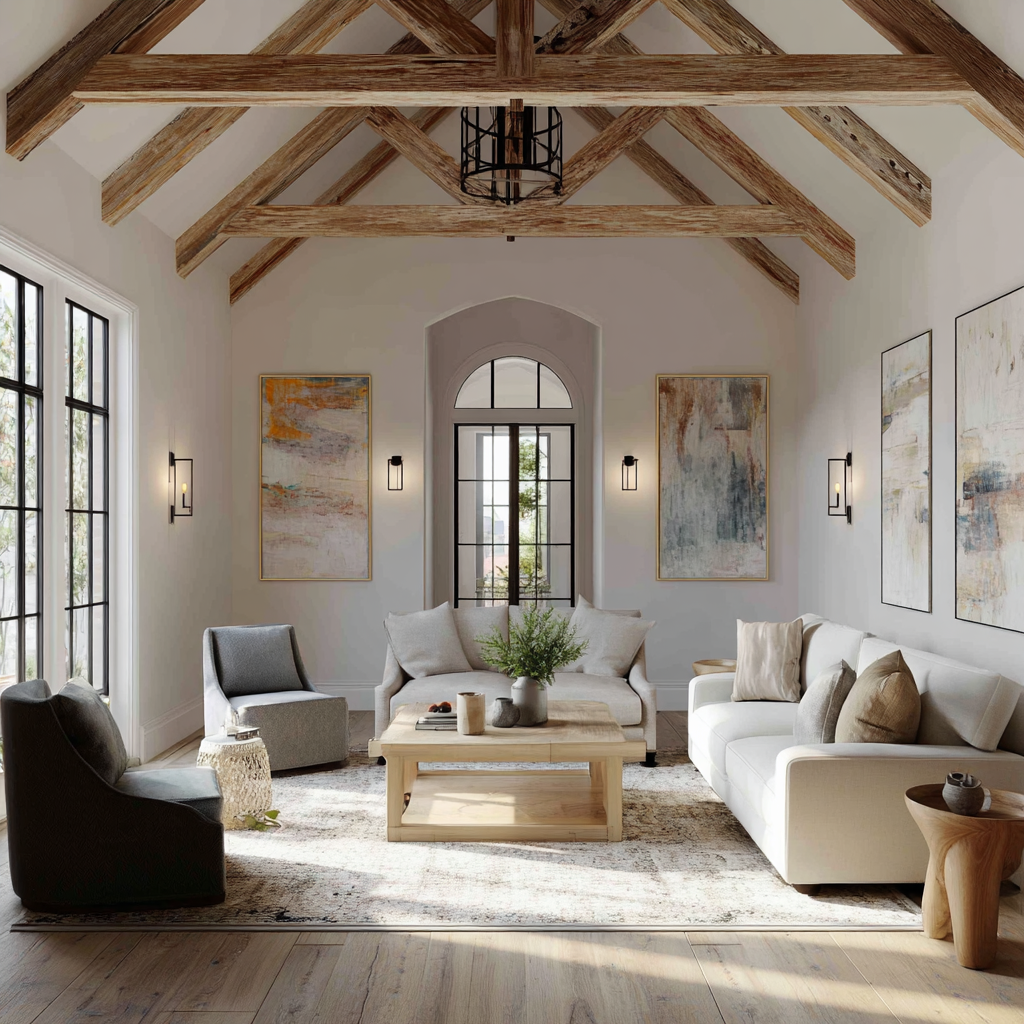
Before you do anything else, you need to start your process with feasibility assessments: understanding what your land actually allows you to build.
This is where many projects go off track. Homeowners fall in love with a design concept or plans, only to discover later that zoning rules, setbacks, utilities, or site conditions make it impractical or significantly more expensive.
Before engaging deeply in the custom home design process, you need a clear picture of:
Get started by doing a soil test and a land survey. “A soil test and a land survey are really important and should be done before engaging with contractors,” says Cheyenne Howard, a Block project planner. “A builder can’t make plans without knowing boundaries, easements, and site conditions.”

“A soil test and a land survey are really important and should be done before engaging with contractors.” Cheyenne Howard, a Block project planner
This step is one of the most important in the entire home building process. It defines what’s possible, prevents wasted time in your builder discussions, and prevents expensive surprises later.
Once feasibility is clear, the next step in how to build a custom home is getting clear on your design vision.
To start, it may be helpful to create a “living brief”—a clear articulation of your lifestyle and priorities.
For example:
Once you have these lifestyle factors noted, bringing visual inspiration helps enormously. “Having some sort of inspiration board or folder is really helpful,” Cheyenne explains. “Otherwise homeowners just say, ‘I want three bedrooms and four bathrooms,’ but there’s so much more that goes into it.”
The more clarity you have about your design vision before you start talking to architects and builders, the easier it will be for them to help you build what you want and keep conversations moving forward.
Before moving fully into design and construction, do not forget to get pre-qualified for financing. “Understanding what loan you qualify for—and what your monthly payments will look like—makes the whole process much easier,” says Rogue Schott, lead project planner.
From there, you can establish a realistic budget—and align it with your design before plans are drawn by an architect and your costs assessed by a contractor. “It’s a lot easier to be proactive on the front end than trying to backpedal after weeks or months [of planning for a design you can’t afford],” says Rogue.
A common mistake is forgetting to factor in cost per square foot for spaces beyond the main living area. “People hear a price per square foot for the house—but then they also want a garage, a basement, a driveway. All of that adds up [and needs to be included in your budget planning],” Rogue explains.
Site- and land-related costs—like clearing trees, installing septic systems, or extending utilities—can also significantly impact the total budget.
At this stage, you’re entering the core of the custom home building process: assembling the team that will bring your home to life.
There are several ways to approach a customer home build: you can work with an architect first on plans, hire a design-build firm who manages both plans and construction, or work with a general contractor to get accurate cost estimates before being referred to an architect. (If you don’t have an architect already in mind, many contractors will have referrals and can help you find the design support you need).
One of the most common issues homeowners face is designing a home without builder input—only to discover later that the plans would be significantly over their budget.
“Architects are often off by 30 to 40 percent on what it actually costs to build,” Rogue says.
When you work with Block Renovation, we connect you to three vetted constructors tailored to your scope and your preferences. From there, you can work with a dedicated project planner to review and compare your bids and find the right fit for your needs.
Once you have your team assembled, it’s important to make sure all parties are on the same page and aligned on communication styles. “You don’t want to be the middleman—you want the architect and builder communicating directly,” Rogue says.

“You don’t want to be the middleman—you want the architect and builder communicating directly.”
Permitting is often one of the longest—and least predictable—steps in building a custom home. Timelines vary widely depending on location, project complexity, and local regulations.
“The best way to understand timing is to talk to a contractor working in your specific area,” Rogue says.
Rather than treating permitting as a simple step, it’s better to think of it as a lengthy process that includes submissions, reviews, revisions, and approvals. Planning for that variability upfront helps avoid frustration—and keeps expectations realistic.
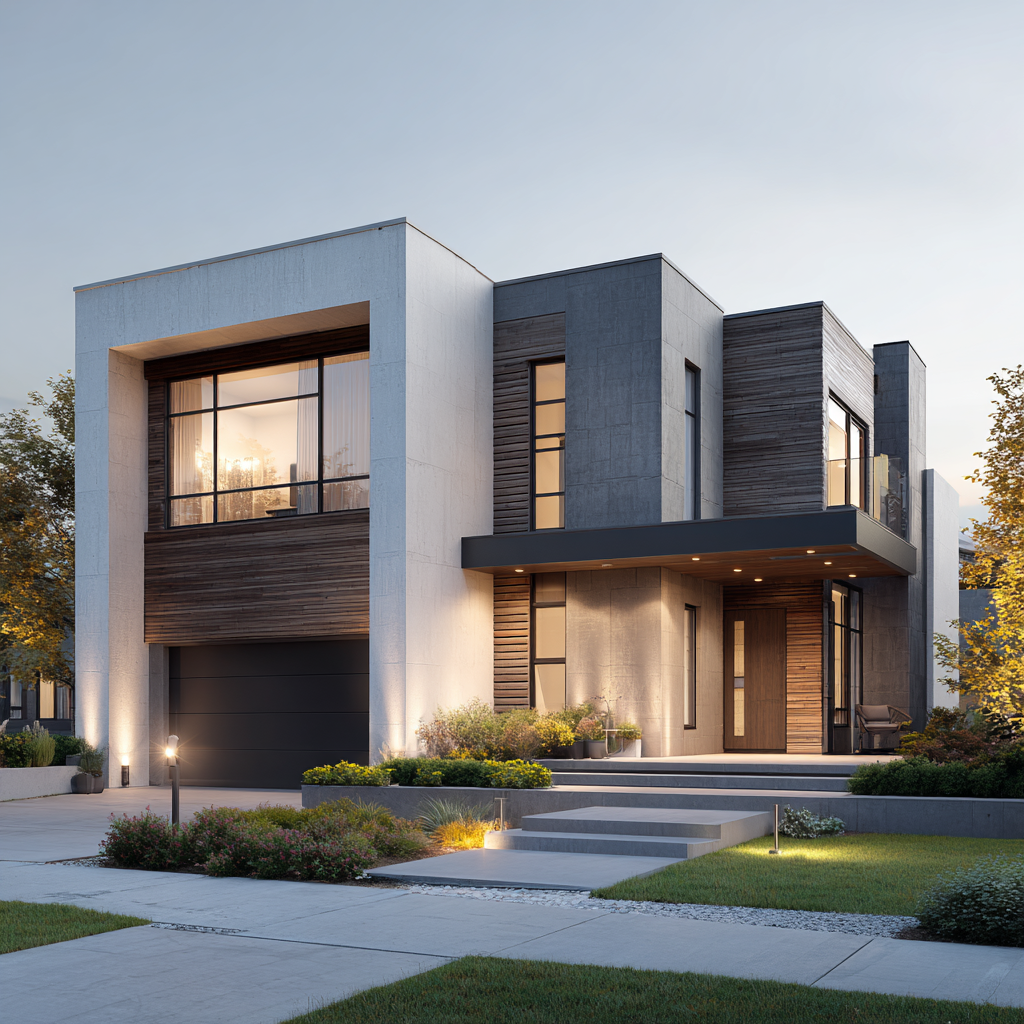
The custom home design process typically unfolds in three phases: schematic design, design development, and construction documents. Each phase adds detail and moves the project closer to construction.
It’s important to make expensive-to-change decisions early, and leave more flexible decisions for later. Structural systems, window strategy, and mechanical layouts are very difficult and costly to change once construction begins, so make sure you and your build team are completely on the same page.
Sometimes, construction delays arise when material selections like cabinetry or windows aren’t finalized early enough, and then delay procurement. When key materials aren’t available, the entire schedule can shift.
It’s best to work with your design and construction team to ensure you’re aligned on all of your decisions and have the right materials in place before you start building.
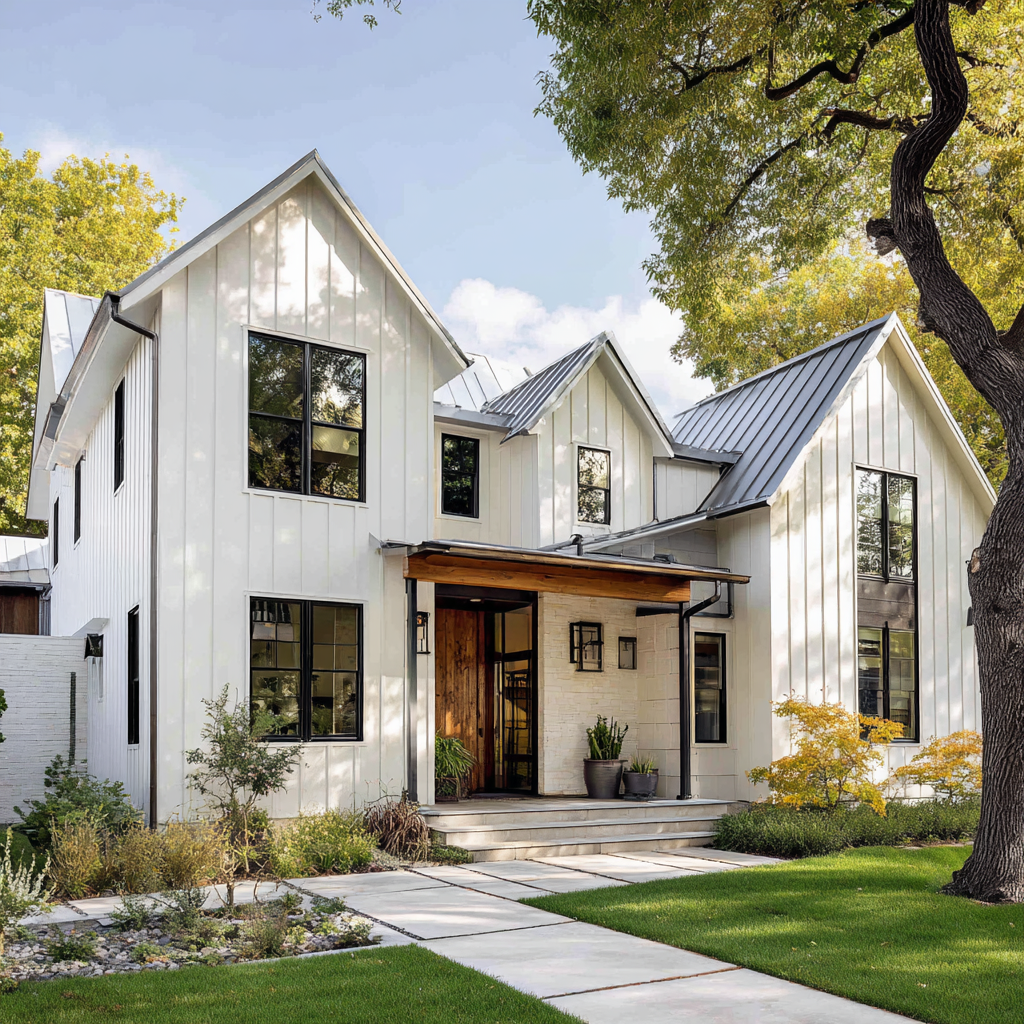
Even with a strong plan, there are a few common issues that can derail a project if you’re not prepared. Here are some of the ones we see time and time again:
When you partner with Block Renovation, we help you avoid these scenarios by offering the following benefits and support.
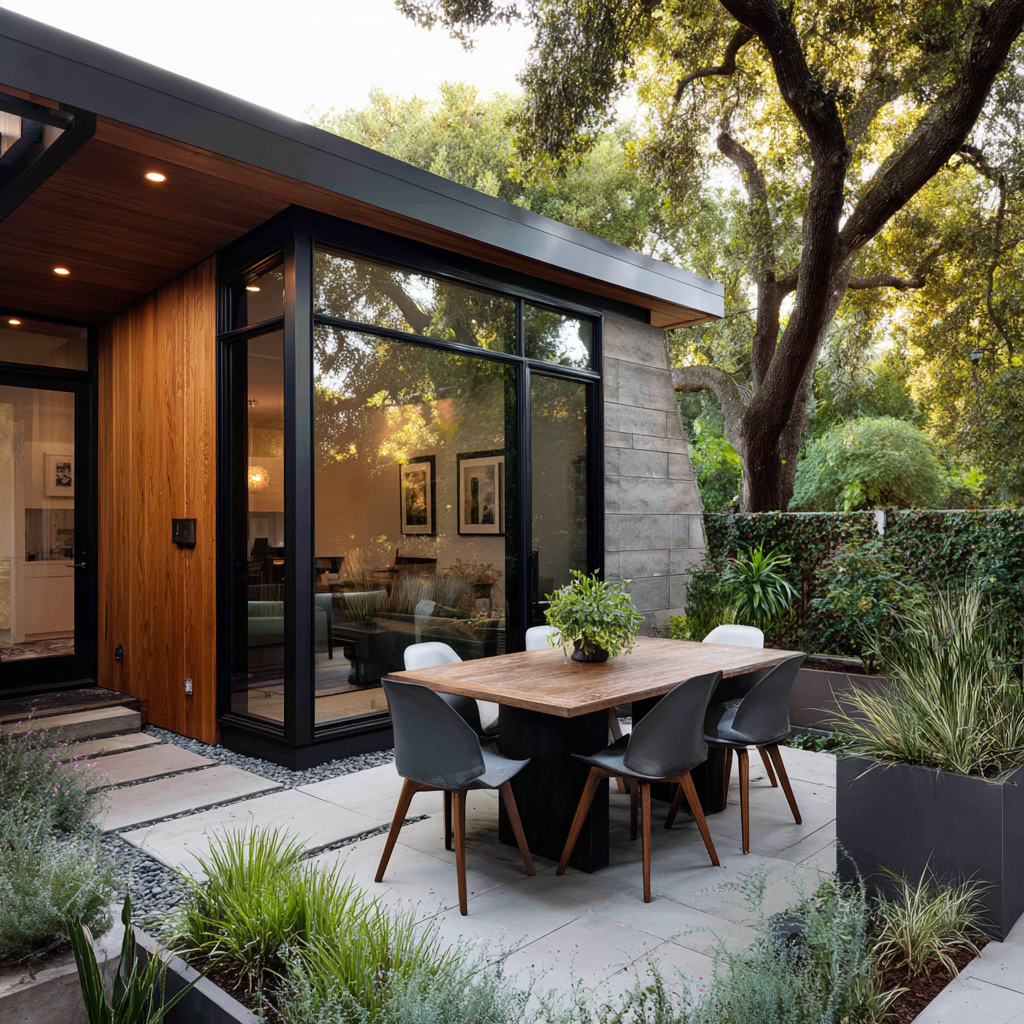
How Block Renovation can help support your custom home build:
The custom home building process is inherently complex—but it doesn’t have to feel overwhelming. When you work with Block, you receive:
We connect you with qualified contractors based on your specific needs—ground-up residential or small commercial—so you’re talking to teams with the right experience and capacity.
Receive detailed proposals tailored to your job. Compare scopes side-by-side, understand inclusions and allowances, and make a clear, informed decision.
With the help of your dedicated project planner, you can stay organized, keep decisions moving, and navigate questions as your build progresses.
Use secure, progress-based payments and documented change orders to reduce risk and avoid surprises—so you stay in control all the way to the final walkthrough and handoff.
When you understand the steps to building a home, align your team early, and make key decisions before they become urgent, the process becomes far more predictable.
Lay the groundwork for a successful custom home
Match with vetted builders
Receive quotes from experienced contractors aligned to your vision.

Hire with confidence
Partner with Block experts to review quotes and timelines for end-to-end clarity.

Stay in control
Avoid surprises with Block Protections and a progress-based payment system.


Renovate confidently with Block
Easily compare quotes from top quality contractors, and get peace of mind with warranty & price protections.
Design
Dining Room Dimensions: Minimums and Standard Sizing
08.07.2026

Custom Home Build
Cost to Build a 1,500 Sq Ft House in 2026
07.14.2026

Custom Home Build
Spec Home vs Custom Home: What the Math Misses
05.19.2026
Basement
Daylight vs. Walkout Basement: Which Is Better?
05.18.2026
.png?width=640&name=u5821215421_A_stylishly_renovated_A-frame_living_room_with_pi_bf06e9f9-ecb5-47c7-8242-2bc77e83ce8e_0%20(1).png)
Custom Home Build
How to Save When Building a Home
05.08.2026