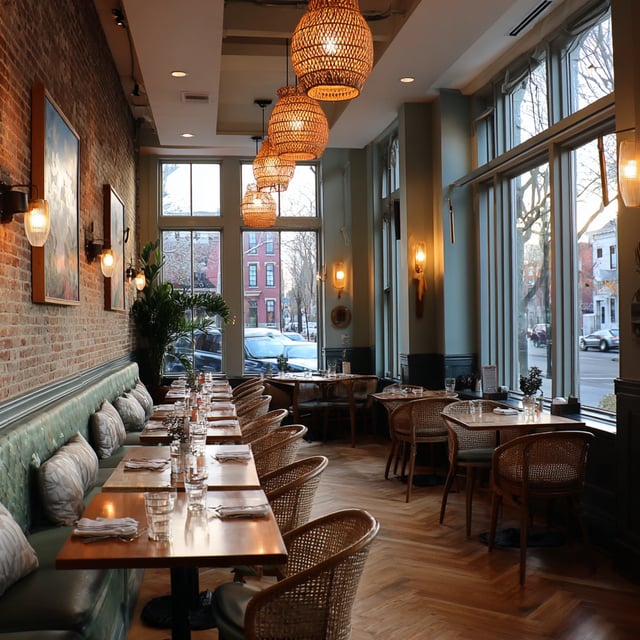
Adaptive reuse has become one of the most compelling strategies in modern real estate development. Rather than demolishing an existing structure and starting from scratch, adaptive reuse transforms a building originally designed for one purpose into something entirely different — a former warehouse becomes loft apartments, an old church becomes a restaurant, or a decommissioned factory becomes a thriving office campus. The concept is equal parts preservation and reinvention, and when executed well, the results can be architecturally stunning, financially rewarding, and deeply meaningful to surrounding communities.
But adaptive reuse is not a simple renovation. It comes with a unique set of challenges, regulations, and design considerations that set it apart from conventional construction. Understanding what to expect — and finding the right general contractor to guide the process — can make the difference between a project that thrives and one that stalls.
Is adaptive reuse the right solution — understanding pros and cons
Before committing to an adaptive reuse project, it is worth honestly weighing whether this approach fits your goals, budget, and risk tolerance.
Upsides of adaptive reuse
- Cost savings over new construction. Retaining an existing structure's foundation, framing, and envelope can significantly reduce overall project costs compared to a ground-up build, particularly in markets where land acquisition and material prices are high.
- Distinctive character and market appeal. Exposed brick, heavy timber beams, original steel trusses, and industrial-scale windows create spaces with an authenticity that tenants, residents, and customers find deeply compelling — and that new construction cannot easily replicate.
- Faster path to occupancy. Because the core structure is already in place, adaptive reuse projects can often move from concept to completion more quickly than ground-up construction, getting tenants or residents into the space sooner and accelerating the return on investment.
- Sustainability and reduced environmental impact. Keeping an existing building out of the landfill dramatically cuts demolition waste, raw material consumption, and embedded energy, making adaptive reuse one of the most environmentally responsible approaches to development.
- Tax incentives and preservation credits. Many municipalities and state programs offer financial incentives for adaptive reuse, including historic tax credits, property tax abatements, and expedited permitting pathways that can meaningfully improve a project's financial performance.
- Community and cultural value. Preserving a familiar structure maintains the character and identity of a neighborhood, generating goodwill among residents and local stakeholders that can smooth the path for approvals and long-term success.
Limitations of adaptive reuse
- Hazardous materials and environmental remediation. Older buildings frequently contain asbestos, lead paint, or contaminated soil, and the cost and timeline for remediation can be substantial and difficult to estimate accurately before work begins.
- Structural constraints on design. Column spacing, floor-to-floor heights, load capacities, and existing floor plates may limit or complicate your intended use, sometimes requiring expensive structural modifications to make the space functional.
- Complex code and zoning compliance. Changing a building's use classification triggers a cascade of regulatory requirements around fire safety, accessibility, egress, and occupancy that can be time-consuming and costly to navigate — especially in historic districts with additional oversight.
- Less predictable budgets and timelines. The unknowns embedded in an existing structure mean that surprises are common, contingencies need to be larger, and schedules are harder to lock down compared to new construction.
- Not always the right financial fit. For owners who require tight cost certainty, aggressive timelines, or highly specific spatial configurations, the inherent flexibility required by adaptive reuse may create more friction than value.
The honest assessment is that adaptive reuse rewards those who value character, sustainability, and community impact — and who have the patience and financial flexibility to navigate the unexpected.
What to expect during an adaptive reuse project
If you are considering an adaptive reuse project, it is important to go in with realistic expectations. These projects are deeply rewarding, but they follow a different rhythm than conventional construction.
Discovery is an ongoing journey
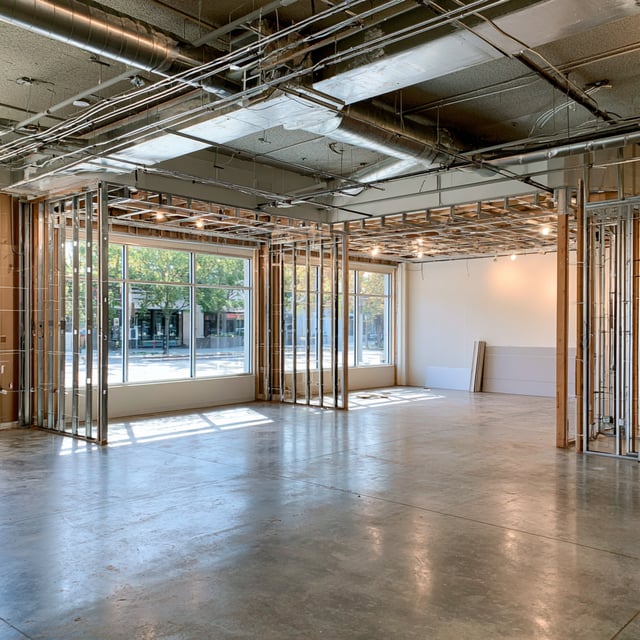
One of the defining features of adaptive reuse is that you are working with an existing building, and existing buildings hold surprises. Environmental assessments may reveal asbestos, lead paint, or contaminated soil.
Structural inspections may uncover deteriorated steel, compromised foundations, or load-bearing elements that conflict with your intended layout. Mechanical, electrical, and plumbing systems are almost always outdated and will need substantial upgrades or complete replacement.
The best adaptive reuse teams approach these discoveries as expected parts of the process rather than setbacks, building contingency into budgets and timelines from the start.
Zoning and code compliance require early attention
Changing a building's use classification — from industrial to residential, for example — triggers a cascade of regulatory requirements. Building codes for occupancy, fire safety, accessibility, egress, and structural loading all shift depending on the intended use. Historic districts may impose additional restrictions on exterior modifications.
Navigating this regulatory landscape is complex and time-consuming, and it needs to begin well before any physical work starts.
The design must respond to the building you’re adapting
Unlike new construction, where the architect starts with a blank canvas, adaptive reuse demands that the design team listen to the existing structure. Column spacing, floor-to-floor heights, window placement, and structural grid all impose constraints — but they also present opportunities. The most successful adaptive reuse projects treat these constraints as creative catalysts, designing around and celebrating the building's original character rather than fighting it.
- Conduct a thorough existing conditions survey. Before any design work begins, the team should document every structural element, utility run, and architectural detail to prevent costly surprises and reveal hidden assets that can become defining features of the new space.
- Work with the structural grid, not against it. Rather than investing heavily in removing or relocating structural elements, experienced design teams use the existing column layout and load-bearing walls to define rooms, circulation paths, and program zones in ways that feel intentional.
- Embrace unusual floor-to-floor heights. Many industrial and commercial buildings offer ceiling heights that create opportunities for mezzanines, dramatic open volumes, and creative vertical zoning that new construction rarely provides. While you do have the option to adjust ceiling heights, such projects prove to be quite costly.
- Let existing windows and openings drive the layout. Natural light is one of the most valuable assets in any adaptive reuse project, and positioning primary spaces along original windowed walls maximizes openings that are often larger and more architecturally distinctive than anything a new building would provide.
- Preserve and highlight original materials and details. Exposed brick, concrete, timber, terrazzo flooring, and original hardware carry a richness that resonates with end users, and the design should strike a deliberate balance between heritage elements and contemporary finishes.
- Plan for building code upgrades without erasing character. Accessibility requirements, fire-rated assemblies, insulation standards, and updated egress paths must all be integrated while preserving the spatial qualities and material honesty that make the building worth adapting in the first place.
Finding the right general contractor
Perhaps no decision is more consequential to the success of an adaptive reuse project than the selection of a general contractor. Not every contractor is equipped for this type of work. Adaptive reuse demands a specific combination of skills, temperament, and experience that goes well beyond what standard commercial construction requires. When evaluating candidates, focus on the following:
- Demonstrated adaptive reuse experience. This is the single most important qualification, as a contractor who has completed similar projects understands the pacing, the surprises, and the creative problem-solving required. Ask for a portfolio, speak with previous clients, and visit finished projects in person whenever possible.
- A thorough approach to pre-construction. Strong adaptive reuse contractors invest heavily in site investigations, early coordination with architects and engineers, and detailed budgeting that accounts for uncertainty. If a contractor rushes through pre-construction or offers a suspiciously precise budget without extensive investigation, treat that as a red flag.
- Established subcontractor and trade relationships. Adaptive reuse often requires specialized skills such as structural steel reinforcement, masonry restoration, historic window rehabilitation, and hazardous material abatement. A contractor with a reliable network of experienced subcontractors will be far better positioned to deliver quality results on schedule.
- Proactive communication style. Conditions change frequently on adaptive reuse projects, requiring quick decisions and collaborative trade-off discussions among the owner, architect, engineers, and contractor. Look for a contractor who communicates openly, documents decisions clearly, and treats the owner as a genuine partner.
- Transparent budgeting and change order practices. Change orders are virtually inevitable given the inherent unknowns, so what matters is how they are handled. A trustworthy contractor presents change orders with clear documentation of the underlying conditions, the proposed solution, and the cost and schedule implications.
- Proper licensing, insurance, and bonding. Confirm that the contractor carries appropriate general liability and workers' compensation insurance, holds all required state and local licenses, and can provide payment and performance bonds if the project scale warrants them. This is especially important given the elevated risk profile of adaptive reuse work.
Collaborate With the Right General Contractors With Help From Block Renovation
Finding the right general contractor for an adaptive reuse project can be one of the most time-consuming parts of the entire process. Block Renovation takes that burden off your plate by matching you with pre-vetted contractors whose experience and expertise fit your specific project.
This is especially helpful for adaptive reuse, where the pool of contractors who truly understand the work is smaller than most owners expect. Block Renovation's team knows who those contractors are and connects you directly.
Beyond matching, Block Renovation supports you throughout construction with project management tools, transparent pricing guidance, and help comparing bids so you can make confident decisions. When surprises come up — and they will — you have a knowledgeable partner in your corner.
If you'd rather spend your energy on the vision for your project than chasing down contractor leads, Block Renovation is a smart place to start.

Written by
Rogue Schott
Rogue Schott
Rogue is a PMP-certified Lead Project Planner at Block Renovation, specializing in nationwide preconstruction strategy for both commercial and residential projects. He brings structure, clarity, and strategic rigor to complex renovations and new builds from early planning through execution.