



Commercial
Commercial Tenant Improvement Contractors Explained
07.27.2026
02.19.2026


In This Article
The difference between a sports bar that breaks even and one that prints money isn't the number of screens—it's how the room is built to move people, drinks, and food. A well-designed sports bar doesn't just look good on opening night. It generates higher per-guest spending, faster table turns during peak hours, and lower labor costs every single shift.
Most sports bar remodels focus on aesthetics: new TVs, updated finishes, better lighting. These matter, but they're secondary to the structural decisions that determine whether your staff can handle a rush, whether customers can see screens from their seats, and whether your layout encourages a second round or sends people home after one beer.
Sports bar interior design means serving distinctly different customers simultaneously: the regular who camps at the bar for four hours, the table of six splitting appetizers during a playoff game, and the couple grabbing dinner before the main event. Treating all seating as interchangeable during your sports bar remodel leaves money on the table.
Bar seating generates 30–40% higher revenue per seat than tables. Guests at the bar order more frequently, stay longer, and interact directly with bartenders who can upsell premium pours. Position bar seating with sightlines to the main screens during your sports bar remodel—these are your highest-value seats.
Bar height matters. Standard bar height (42 inches) with 30-inch stools creates the right posture for extended sitting. Allow 24–30 inches of width per bar seat to prevent crowding, with 10–12 inches of knee clearance underneath.
If you're remodeling the bar, consider an L-shape or wraparound configuration rather than a straight run. This increases seating capacity while improving bartender efficiency—they work a smaller footprint and serve more guests.
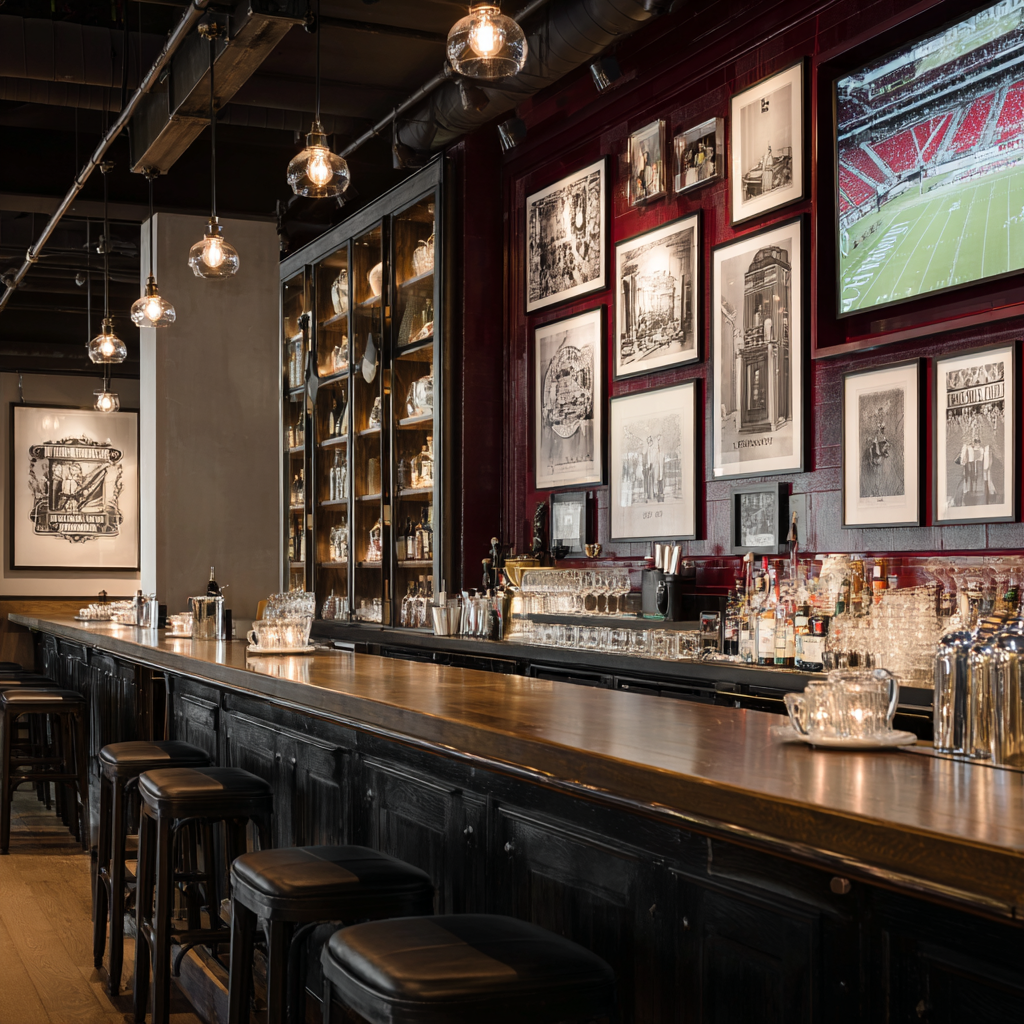
High-top tables (36–42 inches) positioned in high-traffic zones near the bar encourage faster turnover while maintaining decent per-guest spending. These work well for groups of two to four who want a table but don't need a full dining experience. They're ideal for pre-game crowds and guests watching early games before prime-time kickoff.
Place high-tops where they don't block server paths or sightlines to screens, but keep them close enough to the bar that guests can move between the two. A well-placed high-top section in your sports bar remodel can increase capacity by 20–30% without requiring additional service stations.
Booths and standard dining tables (30 inches) are where families, larger groups, and guests prioritizing food over drinks will sit. These seats generate lower revenue per square foot than bar seating but serve a different customer—one who might stay through multiple games and order full meals.
Position these strategically during your sports bar interior design. Corner booths with sightlines to two or more screens are premium real estate. Tables along walls with obstructed views become dead zones during busy shifts. If you're adding booths during your remodel, consider banquette seating along walls to maximize capacity while maintaining flexibility—tables can be moved to accommodate different group sizes.
During major events—playoff games, championship matches, March Madness—your seated capacity caps revenue. A designated standing area with drink rails, high-top surfaces, or ledges lets you accommodate overflow crowds without turning people away. Position this zone near the bar for easy ordering with clear sightlines to multiple screens.
Standing zones generate pure incremental revenue. Guests in these areas typically don't order food, but they order drinks frequently and create energy. Allocate 10–15% of your floor plan to flexible standing space during your sports bar remodel if your license and fire code allow it.
The bar is your revenue engine. Every second a bartender spends walking, reaching, or searching for a bottle is a second they're not taking orders or pouring drinks. During a two-hour rush, those seconds compound into lost sales. Smart sports bar interior design eliminates wasted movement.
A bartender should be able to pour 90% of orders without moving more than two steps. This requires strategic placement of speed rails, ice wells, glassware, POS terminals, and beer taps.
Position your most frequently poured liquors—vodka, rum, gin, whiskey, tequila—in a speed rail within arm's reach of the main pouring station. Reserve the back bar for premium bottles and slower-moving inventory. Size ice wells to last through a rush without refilling and position them so bartenders aren't reaching across one another.
If you're remodeling the bar, consider a double-sided configuration where bartenders serve both bar seating and a service well for servers without excessive movement. This reduces bottlenecks during peak times.
A four-tap draft system forces bartenders to pour bottles and cans during rushes, slowing service. An eight- to twelve-tap system with a well-balanced beer selection (domestic, craft, light, IPA, seasonal) lets bartenders pour most beer orders on draft, which is faster and has higher margins than bottles.
Position taps centrally in your sports bar remodel and ensure lines are properly chilled and maintained. Nothing kills throughput faster than a bartender waiting for foam to settle or dealing with a kicked keg during a rush.
Servers waiting at the service well for drinks aren't turning tables. A dedicated service well—separate from the main bar—with its own POS terminal and clearly marked pickup zones speeds the handoff and reduces bartender/server collisions.
Include a small ice bin, garnish station, and space for tray setups near the service well so servers can prep orders without waiting. This shaves 30–60 seconds off every drink order during busy shifts.
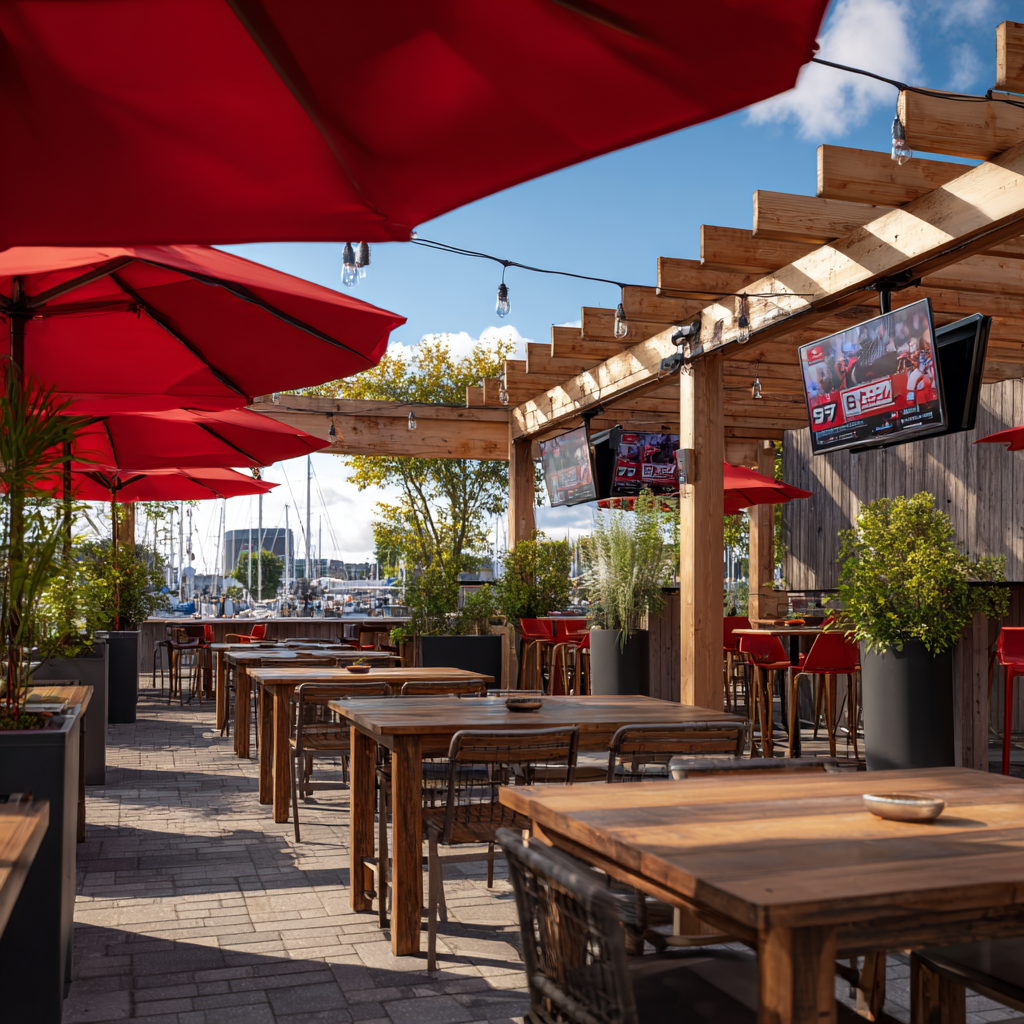
The number of screens matters less than their placement in your sports bar interior design. A sports bar with twelve screens in the wrong locations creates dead zones where guests can't see games. A bar with eight well-placed screens keeps every seat engaged.
Walk through your floor plan and identify sightlines from every seat. Seats with unobstructed views of a screen are worth more than seats requiring craning or turning. During your sports bar remodel, eliminating pillars, reconfiguring walls, or relocating service stations can open up sightlines and convert low-value seats into high-value ones.
If you can't eliminate obstructions during your remodel, add smaller screens to fill gaps. A 50-inch TV in a corner with poor sightlines generates more revenue than leaving that corner empty.
Not every guest is watching the same game. During football season, you might have NFL fans at the bar, college football fans in the dining area, and soccer fans in a back section. Designate zones with dedicated audio and primary screens for different games in your sports bar interior design.
This requires an audio system that can isolate zones without bleed—during your remodel, upgrading to a zoned audio system with directional speakers pays for itself by letting you serve multiple audiences simultaneously.
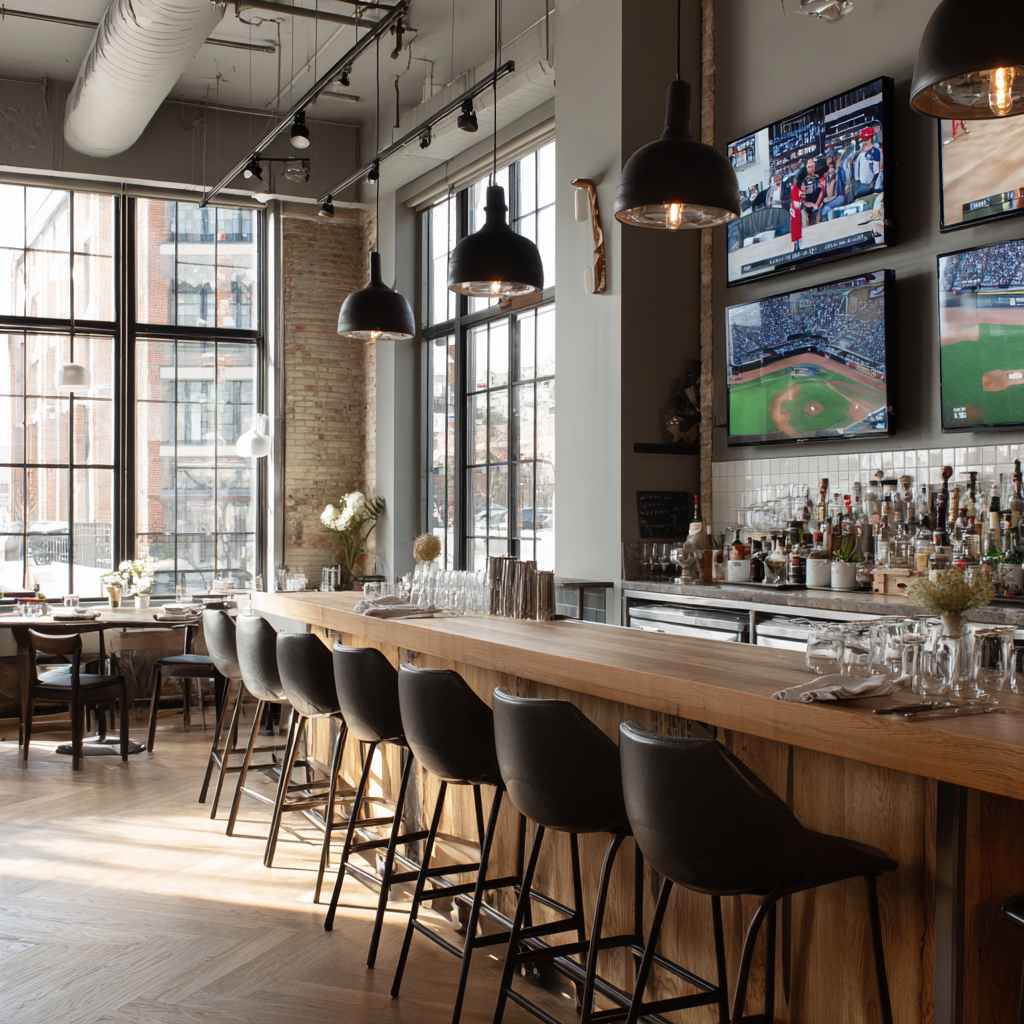
Guests eating dinner with their families don't want eight screens blaring at them. Create a quieter dining zone with fewer screens, lower screen brightness, and no audio during your sports bar remodel. This zone still serves sports fans but accommodates guests who might visit on non-game days and bring revenue during slower shifts.
Lighting in sports bar interior design isn't about aesthetics—it's about controlling energy levels, directing attention, and influencing how long guests stay.
A common mistake in sports bar remodels is over-lighting, which creates glare on screens and makes the room feel sterile. Lower ambient lighting levels—around 20–30 foot-candles in dining areas, even less near screens—makes TVs more vivid and creates a more immersive viewing experience.
Use dimmers on all overhead lighting in your sports bar remodel so you can adjust throughout the day. Brighter during lunch service, dimmer during evening games.
Accent lighting over the bar, in bottle displays, or highlighting featured menu items directs attention where you want it. During your sports bar remodel, adding LED strips under the bar, back-lighting liquor displays, or spotlighting draft handles creates focal points that encourage ordering.
Bartenders and servers need adequate lighting to work safely and efficiently. Under-bar lighting, well-lit POS terminals, and properly lit service wells prevent mistakes and speed service without flooding the room with light.
Sports bars are high-impact environments. Spilled beer, dropped plates, and constant foot traffic destroy cheap materials within months. Smart sports bar interior design means choosing materials that look better after a year of abuse than inferior ones look on day one.
Polished concrete is the most durable floor option for sports bar remodels—it handles spills, resists staining, and cleans quickly. Epoxy coatings over concrete add slip resistance and come in finishes that hide wear. Avoid carpet (absorbs spills and odors) and cheap vinyl (tears and stains).
Tile works in restrooms and kitchens but creates noise in dining areas. If you want a warmer feel underfoot in your sports bar remodel, luxury vinyl plank rated for commercial use offers durability with a softer appearance.
Laminate tabletops chip and peel. Solid wood stains and warps. Butcher block requires constant maintenance. The best option for sports bar remodels is solid surface material (like Corian) or high-pressure laminate with a thick core—both resist staining, clean easily, and handle abuse.
For seating in your sports bar interior design, avoid anything upholstered in fabric. Vinyl or leather-look commercial-grade upholstery wipes clean and lasts years. Metal-frame chairs and barstools outlast wood and don't wobble after six months of use.
Drywall painted with flat paint absorbs grease and stains. Use semi-gloss or satin paint in kitchens and high-traffic areas during your sports bar remodel so walls can be wiped down. In areas prone to damage—near exits, behind barstools, along high-traffic paths—consider wainscoting, tile, or metal panels that take impacts without showing wear.
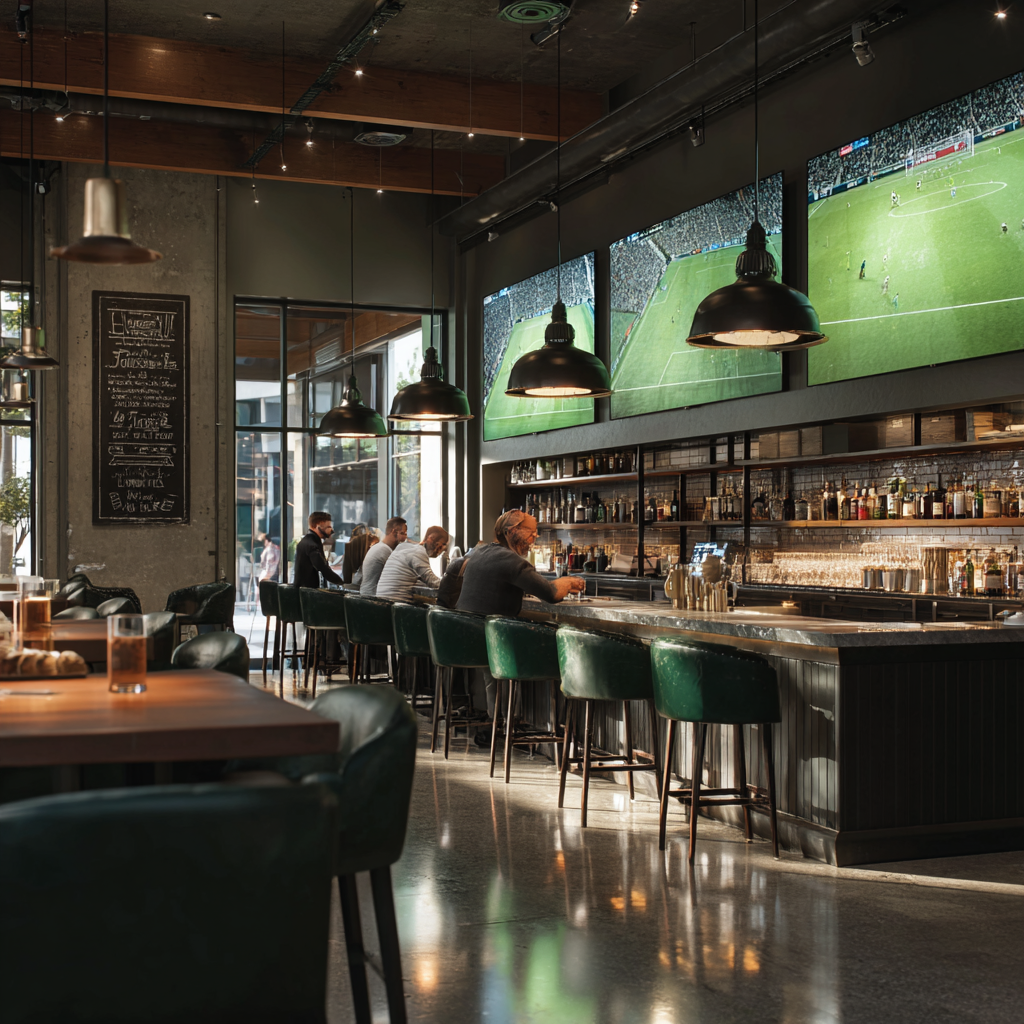
Restrooms tucked in a back corner force guests to navigate the entire floor plan, creating congestion and slowing service. Restrooms near the entrance or easily accessible from dining areas reduce travel time and keep guests in their seats longer.
During your sports bar remodel, if you can't relocate restrooms, improve signage and lighting so they're easy to find. Adding a second restroom or expanding existing facilities reduces wait times during peak hours, which directly impacts how long guests are willing to stay.
Make restrooms ADA-compliant, well-lit, and equipped with commercial-grade fixtures that withstand heavy use in your sports bar interior design. A clean, well-maintained restroom signals professionalism and keeps guests comfortable enough to order another round.
An inefficient kitchen layout limits your menu and slows ticket times. If you're remodeling the kitchen during your sports bar remodel, focus on workflow—from order receipt to plating—and ensure there's a logical progression from prep to cooking to plating to pickup.
Servers should be able to see when orders are ready without walking into the kitchen. A service window or expo station at the kitchen pass-through speeds communication and reduces mistakes. Include a drink station near the kitchen pickup area in your sports bar interior design so servers can grab beverages and food in one trip.
Fryers, grills, and ovens should be positioned for parallel workflows—two cooks should be able to work simultaneously without colliding. Refrigeration must be within reach of each cooking station to minimize movement.
If your menu includes high-volume items (wings, fries, burgers), ensure you have adequate equipment during your sports bar remodel to handle rushes. Undersized fryers or a single flat-top grill become bottlenecks when tickets pile up.
Full closures cost revenue and risk losing regulars who find other spots. If possible, phase your sports bar remodel—bar area first, then dining sections, then kitchen last. Schedule major work during your slowest season (often January or February) and communicate timelines clearly to guests.
Some work can happen after hours: painting, lighting upgrades, minor furniture swaps. Structural changes, flooring, and kitchen renovations typically require full or partial closures.
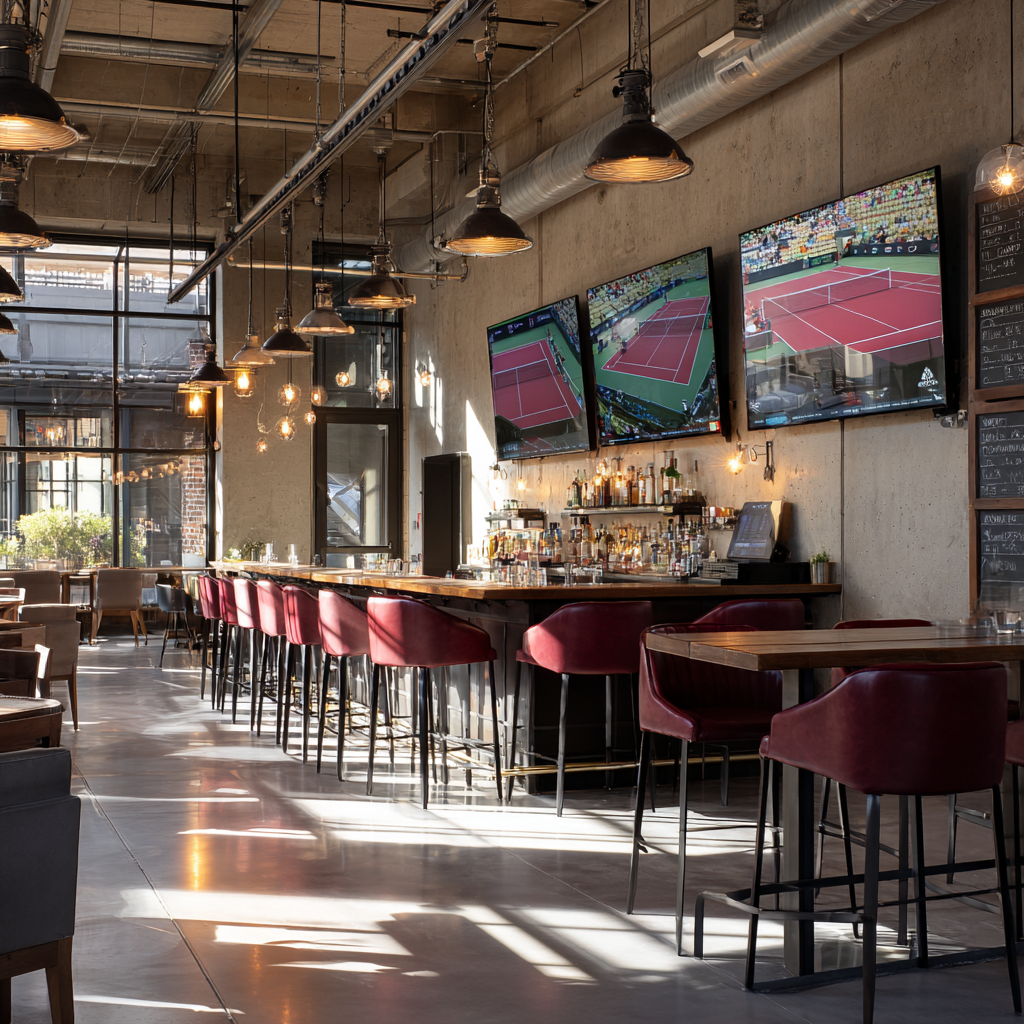
Sports bar remodels require contractors who understand commercial codes, health department requirements, and the operational realities of high-volume service. Block Renovation connects you with vetted contractors experienced in hospitality buildouts—professionals who know the difference between a sports bar interior design that looks good and one that actually works.
Block's project planners help you think through layout decisions before construction starts, reviewing proposals to ensure your sports bar remodel addresses the operational details that matter: bartender workflow, sightlines from every seat, kitchen efficiency, and material durability. Our contractors understand that every day your sports bar is closed for renovation is a day without revenue, so they work efficiently to minimize downtime while delivering work that holds up to the demands of a busy service environment.
Build your business with confidence

Renovate confidently with Block
Easily compare quotes from top quality contractors, and get peace of mind with warranty & price protections.
Commercial
Commercial Tenant Improvement Contractors Explained
07.27.2026

Working with Contractors
Is a Property Renovation Company Worth the Cost?
06.24.2026

Commercial
Commercial Remodeling in San Diego by Neighborhood | Block Renovation
04.27.2026
Commercial
Commercial Remodeling and Buildouts in Dallas-Fort Worth | Block Renovation
04.24.2026
Commercial
2026 Restaurant Design: 11 Trends Defining the Industry
04.24.2026