




.png?width=640&name=u5821215421_Mediterranean_apartment_kitchen_with_a_rounded_is_b5261b9d-7d5a-498f-955d-d2ccbf7355fc_3%20(1).png)
Texas
Katy Home Additions: What Pays Back (Cost Guide)
05.29.2026

02.16.2026


In This Article
Austin’s blend of Hill Country landscape, live music, and design-forward neighborhoods makes home projects feel personal and place-specific. From Travis Heights and Bouldin Creek to Mueller and Tarrytown, bathrooms often reflect a home’s era and the way locals live day-to-day. If you’re planning updates, it helps to think about both style and performance in Austin’s climate.
A smart bathroom remodel improves livability by making daily routines easier, safer, and more comfortable in Austin’s heat, humidity, and occasional water restrictions. It also supports long-term feasibility by addressing aging plumbing, ventilation, and layout inefficiencies before they become expensive repairs.
Turn your renovation vision into reality
Get matched with trusted contractors and start your renovation today!
Find a Contractor
Bathroom remodeling in Austin often lands a bit above the national average, especially for mid- to high-end finishes. Labor competition, strong remodeling demand, and the mix of older central homes and newer builds all influence pricing.
|
Project scope |
Cost range in Austin |
|---|---|
|
Cosmetic bathroom updates |
$6,000–$15,000 |
|
Mid-level bathroom renovations |
$18,000–$35,000 |
|
Major bathroom overhaul |
$40,000–$90,000+ |
Cosmetic bathroom updates. These typically include paint, an updated vanity or vanity top, new lighting, a mirror, refreshed hardware, and a toilet replacement if needed. They usually exclude moving plumbing, reconfiguring the layout, replacing a tub with a shower, or full tile waterproofing changes behind wet walls. In Austin, a common example is swapping a builder-grade vanity for a stock-size unit, adding a budget quartz remnant top, and installing a new LED vanity light. To keep costs down, you might choose ceramic subway tile, chrome fixtures, and off-the-shelf vanities rather than custom cabinetry.
Mid-level bathroom renovations. These commonly include new flooring, a tiled shower or tub surround, a replaced vanity, upgraded lighting, and a ventilation fan improvement. Plumbing generally stays in the same locations, but the shower valve, trim kit, and fixtures are frequently upgraded. This is also where comfort upgrades like a better showerhead, more storage, and improved task lighting tend to show the biggest payoff.
Major bathroom overhauls. These projects often involve layout changes, new waterproofing systems, upgraded electrical, and higher-end finishes across the entire room. Costs rise quickly when you move plumbing lines, relocate a toilet, or reframe walls to enlarge the shower or carve out a separate toilet room. In a major scope, it’s common to add a freestanding tub, install a curbless shower with a linear drain, or build a custom double vanity with dedicated outlets and lighting zones. Extra structural work, permitted plumbing and electrical, and specialty tile details (like niches, benches, and full-height wall tile) are major cost drivers. In Austin, older homes can add further complexity if you uncover undersized venting, outdated wiring, or subfloor issues that need correction before finishes go in.

Setting aside a 10–15% contingency helps absorb surprises uncovered during demolition without derailing the project.
Every bathroom is different, and the best plan depends on your home’s layout, your day-to-day routines, and what you want to prioritize. Still, Austin homeowners often share overlapping concerns tied to climate, water quality, housing age, and resale expectations.
Austin’s long, hot summers make moisture control and material durability more than just “nice to have.” Sudden downpours and flash-flood patterns also influence how you should think about exhaust, windows, and building-envelope details near wet zones. Temperature swings can stress caulk lines and joints, especially around showers and exterior-facing walls. Thoughtful selections help your bathroom perform well without looking overly utilitarian.
Austin’s humidity can linger, especially when multiple people use the same bathroom each morning. Without strong ventilation, moisture can swell MDF-based materials, fog mirrors, and encourage mildew at grout lines. The goal is to dry the room quickly and to select materials that won’t degrade when the air stays damp. A humidity-resilient plan also protects the rest of your home by limiting moisture migration.
Older homes in Hyde Park and Clarksville often have charm you can’t replicate, but their bathrooms may hide outdated plumbing, uneven framing, or under-ventilated wet zones. In many central Austin remodels, you need budget flexibility for surprises behind walls and under floors. Even if the bathroom looks acceptable on the surface, the infrastructure may be near end-of-life. Planning a contingency can prevent design compromises later.
Many homeowners in Austin contend with smaller bathrooms, especially in older central neighborhoods, condos, and compact bungalows. Tight clearances can limit vanity depth, door swings, and shower sizes, but smart planning can still make the room feel open. The right lighting, storage, and sightlines often matter as much as square footage.
In practice, you might pair a shallow wall-hung vanity with a pocket door, then run large-format tile vertically to draw the eye up. A fixed glass shower panel instead of a swinging door can also keep narrow rooms feeling less cramped.
In Austin, water-wise choices are both practical and aligned with frequent drought awareness. Efficient fixtures can reduce monthly bills while keeping performance strong, and many options now feel just as comfortable as older high-flow models.
Bathrooms play a major role in attracting new Austin renters because they photograph well and signal overall property upkeep. They also see a lot of wear from frequent turnover, cleaning, and daily use. Smart material choices help you reduce maintenance while keeping the space appealing.
Austin’s neighborhoods feature a wide mix of architectural styles, and your bathroom can feel more cohesive when it echoes those roots. You’ll see Craftsman bungalows in Hyde Park, mid-century modern homes in Northwest Hills, ranch-style houses across South Austin, and contemporary new builds in places like Mueller. Each style suggests different proportions, materials, and detailing—from trim profiles to tile scale. Using your home’s architecture as a guide can keep bathroom renovations Austin homeowners invest in from feeling generic or disconnected.
Bring Your Dream Bathroom to Life
Craftsman bungalows in Austin often feature covered porches, tapered columns, warm wood details, and practical, human-scale rooms. Those proportions can translate into bathrooms that prioritize function, built-in storage, and classic finishes over oversized luxury statements. Because these homes can have tighter baths and lots of original trim character, layouts often benefit from space-saving fixtures and careful clearances. Material choices that nod to the era—like simple mosaics, satin metals, and painted cabinetry—usually feel most at home.
Mid-century modern homes in Austin often emphasize clean lines, large windows, low rooflines, and an indoor-outdoor sensibility. Those traits support bathrooms with streamlined vanities, minimal grout lines, and materials that feel calm and architectural. Layouts may be more open, but storage needs to be integrated so surfaces stay visually quiet. Warm woods, graphic tile moments, and simple hardware usually complement the style without fighting it.
Ranch-style homes in Austin are often single-story with straightforward layouts, wide footprints, and practical room connections. Bathrooms in these homes can be easier to reconfigure because there is often adjacent space to borrow for a larger shower or better storage. The style supports durable, easy-care materials and uncomplicated detailing that feels relaxed and livable. A ranch bathroom remodel often shines when it improves flow, adds light, and upgrades function without overcomplicating finishes.
Contemporary new builds in Austin often feature open plans, tall ceilings, large-format surfaces, and a clean, minimalist material language. Bathrooms in these homes tend to support sleeker detailing, wall-hung fixtures, and bold but restrained contrasts like black-and-white or warm neutral palettes. Layout constraints may come from mechanical chases and stacked plumbing locations rather than tight footprints. The best outcomes usually focus on precision—crisp tile lines, consistent finishes, and lighting that feels integrated.
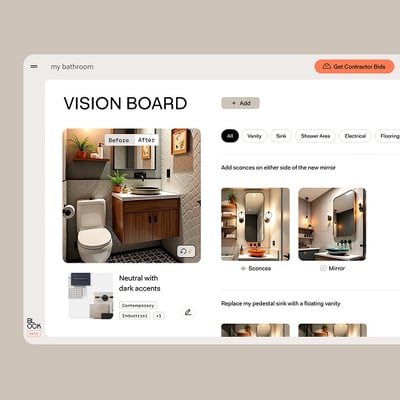
Renovation Studio helps you plan a remodel by letting you visualize your future space and make decisions more confidently before construction. It brings your design choices together in one place so you can see how finishes and selections work as a cohesive bathroom plan.
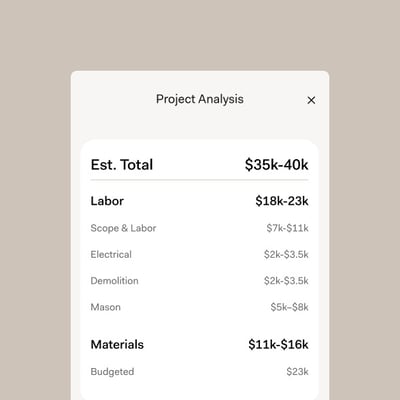
The platform also helps you understand costs as you build your design, giving you budget visibility tied to what you’re choosing. For Austin homeowners, that means you can align your bathroom selections with realistic spend early, instead of discovering mismatches late. It offers a practical way to connect inspiration to a buildable plan and a clearer budget.
Know the Cost Before You Start
Block matches you with top-rated contractors, helping you find the right fit for your bathroom remodel based on your project needs. Instead of starting from scratch yourself, you can move forward with a vetted pro who is ready to quote and build. This can ease the early phase of bathroom renovations Austin homeowners often find stressful—sorting candidates, comparing options, and figuring out who to trust.
Block Protections add structure with safeguards built into the process. Systemized payments keep money movement organized around milestones so you can pay in a clear, trackable way.
Remodel with confidence through Block

Connect to vetted local contractors
We only work with top-tier, thoroughly vetted contractors

Get expert guidance
Our project planners offer expert advice, scope review, and ongoing support as needed

Enjoy peace of mind throughout your renovation
Secure payment system puts you in control and protects your remodel


Renovate confidently with Block
Easily compare quotes from top quality contractors, and get peace of mind with warranty & price protections.
Texas
Katy Home Additions: What Pays Back (Cost Guide)
05.29.2026
Texas
The Best Dallas-Fort Worth Renovation Contractors
05.28.2026
.png?width=640&name=u5821215421_Single_photograph_Apartment_Therapy_style_exterio_ad4a23c3-b656-4a69-9bf1-f1fc04660eef_3%20(1).png)
Texas
Custom Home Building in El Paso, TX: A Regional Guide
05.13.2026

Texas
Custom Home Building in Abilene, Texas: Local Guide
04.28.2026

Texas
Luxury Remodeling in Dallas | Room-by-Room Guide to High-End Renovations
04.27.2026