


Custom Home Building in Austin, TX: A Complete Guide for Future Homeowners

Budget your upcoming Austin custom home build with help from Block
How we get your estimate
Fill out the form above to either connect with contractors for a personalized quote or estimate your costs with Block's Renovation Studio.
Terracotta-colored adobe exterior with a stone path and wooden door.

In This Article

    Austin, TX, combines thriving technology sector employment, renowned live music culture, and outdoor recreation access that continues attracting young professionals, entrepreneurs, and families seeking dynamic urban living with Texas affordability. As the state capital and anchor of one of America's fastest-growing metropolitan areas, Austin offers major corporate headquarters, world-class dining, University of Texas athletics and arts, and proximity to Texas Hill Country's natural beauty. The region's rolling terrain creates opportunities for custom homebuilding from urban infill in central neighborhoods to hill country estates west of the city.

    Building a custom home in Austin requires understanding the area's complex terrain with limestone bedrock and challenging soil conditions, navigating the Edwards Aquifer recharge zone regulations that impact development, and managing competitive construction markets where demand consistently outpaces builder capacity. Foundation approaches must address both expansive clay soils and shallow bedrock common throughout the region.

    Design a Home That’s Uniquely Yours

    Block can help you achieve your renovation goals and bring your dream remodel to life with price assurance and expert support.

    Get Started

    Cost and timeline overview for future Austin homeowners

    Understanding local building costs and timeframes helps Austin homeowners establish realistic budgets and avoid surprises during the construction journey. Custom home construction in Austin typically ranges from $165 to $280 per square foot, with luxury builds in Westlake, Tarrytown, or West Austin hillside properties exceeding $450 per square foot depending on finishes, views, and site complexity.

    Several factors influence where projects fall within this range. Labor costs reflect Austin's intensely competitive market as the metro area's explosive growth creates sustained demand for skilled trades, with workers commanding premium rates as residential and commercial projects compete for finite workforce. Material costs benefit from Texas's robust supply infrastructure, though Austin's distance from major ports adds transportation expenses for specialty products. The prevalence of native limestone accents, metal roofing, and custom architectural details common to Austin's Hill Country aesthetic affects cost structures compared to more conventional construction methods.

    Lot selection dramatically impacts total investment. Central Austin properties in established neighborhoods like Tarrytown, Old Enfield, or Travis Heights command premium prices from $500,000 to several million for teardown opportunities with mature trees and proximity to downtown employment. Hill country properties west of Austin in Lakeway, Bee Cave, or the Hill Country Galleria area provide dramatic views and natural beauty but require longer commutes and may face significant site development costs on challenging terrain. Properties within the Edwards Aquifer recharge zone face additional environmental regulations that impact development timelines and costs.

    The largest factors in determining cost

    Foundation and site preparation represent substantial expenses in Austin, consuming 14-20% of total budgets due to the region's complex geology combining expansive clay soils with limestone bedrock lying at varying depths. Many Austin properties require blasting through limestone to achieve proper foundation depth or install utilities, adding $8,000 to $30,000 or more depending on rock thickness and extent. Properties on hillsides need engineered foundation systems, extensive retaining walls to create level areas, and specialized drainage management, potentially adding $50,000 to $120,000 to site preparation beyond standard costs.

    Exterior materials and architectural details account for 18-26% of construction costs as Austin buyers expect Hill Country-inspired design elements including native limestone or manufactured stone accents, metal roofing, and substantial covered outdoor living areas. Full limestone or stone exteriors add $60,000 to $150,000-plus compared to stucco or siding, but align with Austin's architectural preferences and help homes blend with natural surroundings. Custom iron work, reclaimed wood details, and extensive timber framing common to Austin's aesthetic increase both material and labor costs.

    HVAC systems consume 8-12% of budgets given equipment sized for Austin's hot summers with temperatures regularly exceeding 100°F and occasional winter freezes requiring heating capacity. High-efficiency systems with SEER ratings of 16-19 provide meaningful operating cost savings while properly designed duct systems and insulation maximize performance. Many Austin custom homes incorporate zoned systems allowing different temperature settings for various areas, plus smart thermostats optimizing efficiency as utility rates climb with Texas's growing energy demand.

    Examples of upgrades that will push your budget higher

    Custom home features that increase construction costs include:

    • Infinity-edge pools with Hill Country views, beach entries, and integrated spas ranging from $80,000 to $180,000-plus for high-end installations on challenging hillside sites
    • Extensive outdoor living spaces with full kitchens, pizza ovens, fireplaces, and automated screens creating year-round entertainment areas central to Austin's lifestyle
    • Premium energy-efficient features including solar panel systems, geothermal HVAC, and whole-house battery storage addressing Austin's rising electricity costs
    • Wine cellars with climate control and custom racking, particularly popular in Austin's food-and-beverage-focused culture
    • Home theaters with acoustic treatments, tiered seating, and commercial-grade audio-visual systems for entertainment-focused families
    • Smart home automation integrating security, climate, lighting, entertainment, and automated window treatments throughout the home
    • Guest houses or casitas separate from main residences, accommodating visitors in Austin's hospitality-oriented culture
    • Custom architectural metalwork including entry gates, railings, and decorative elements that define Hill Country luxury aesthetics
    Danny Wang

    “Unplanned issues aren’t rare—they’re expected. Budgeting for contingencies protects your project and your sanity.”

    Loose timelines for custom home builds in Austin

    Custom home construction in Austin typically requires 12-18 months from initial planning to move-in, with the area's competitive market and complex permitting processes contributing to extended timelines compared to other Texas markets. Projects beginning in fall or winter capitalize on milder weather through spring, while summer starts face potential delays during extreme heat waves when outdoor work becomes challenging.

    Austin's permitting process through the City of Austin Development Services Department or Travis County typically requires 6-12 weeks for standard projects, though complex designs, properties in the Edwards Aquifer recharge zone, or locations requiring variances can extend review periods to several months. Hillside properties requiring extensive grading or retaining walls face additional engineering review. Material lead times for custom windows, doors, appliances, and specialty products typically run 12-20 weeks given high demand across Austin's construction market. The region's explosive growth creates persistent subcontractor scheduling challenges, with popular trades often booked months in advance.

    Understanding the role of an architect

    An Austin architect provides essential expertise in designing homes that respond to Hill Country topography, maximize views of the Texas landscape, and create distinctive expressions of contemporary Texas design that has become Austin's architectural signature. Architects prove particularly valuable for challenging hillside sites requiring creative engineering solutions, contemporary designs pushing boundaries of Hill Country modernism, or homeowners seeking unique expressions beyond standard Texas Hill Country styles. However, many established Austin custom home builders maintain talented design departments experienced in Hill Country aesthetics, challenging site conditions, and regional building code requirements, potentially eliminating architect fees for projects utilizing styles well-represented in builder portfolios.

    Compare Proposals with Ease
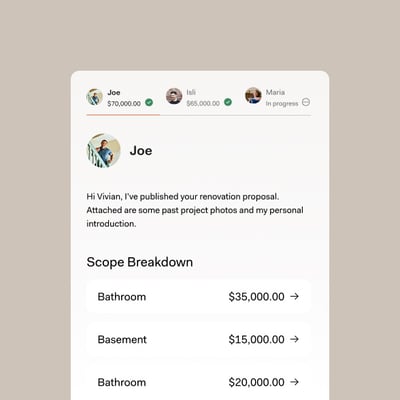
    Easily compare contractor quotes with intuitive layouts, and side-by-side comparisons to help you make the best choice.
    Get a Quote

    Finding the right site in Austin for your custom home

    An experienced home builder provides critical guidance in evaluating potential lots, identifying issues that could inflate costs or create construction challenges based on their experience across Austin's varied terrain from relatively flat eastern areas to dramatic western hill country properties. They assess site characteristics that significantly impact project feasibility and budget before you commit to purchase.

    Site evaluation considerations include:

    • Soil quality and site stability: Austin sits at the eastern edge of the Texas Hill Country where Blackland Prairie clay soils meet limestone bedrock of the Edwards Plateau, creating complex subsurface conditions that vary dramatically even within neighborhoods. Expansive clay soils in eastern and northern Austin shrink and swell with moisture changes, requiring proper foundation engineering to prevent movement. Western and southwestern Austin properties often have shallow limestone bedrock requiring blasting for foundations, utilities, and pools, with costs varying from a few thousand to $30,000-plus depending on rock depth and thickness. Geotechnical investigations prove essential for understanding subsurface conditions and properly budgeting site development costs.
    • Utilities access: Most developed Austin neighborhoods offer municipal water, sewer, electricity, and natural gas connections through Austin Energy, Austin Water, and Texas Gas Service, though some outlying areas in Travis, Hays, or Williamson counties require wells and septic systems. Properties in the Edwards Aquifer recharge zone face strict regulations regarding septic systems and site development that can impact feasibility. High-speed internet access varies, with fiber increasingly available in developed areas but limited in some hill country locations where homes rely on satellite or fixed wireless service.
    • Zoning and restrictive covenants: Austin and surrounding jurisdictions enforce zoning regulations governing lot coverage, building height, and setback requirements that directly impact design possibilities, with hillside properties often having more restrictive requirements to protect views and minimize visual impact. Many upscale neighborhoods maintain architectural review committees with detailed design standards controlling exterior materials, roof styles, and color palettes to maintain Hill Country aesthetics. Properties in the Edwards Aquifer recharge zone face additional development restrictions limiting impervious cover and requiring specific construction practices to protect groundwater quality.
    • Lot slope and drainage: Austin's Hill Country topography creates properties with dramatic slopes that significantly impact foundation design, site development costs, and construction complexity. Lots with more than 12-15% grade require careful planning including retaining walls, terraced layouts, and sophisticated drainage engineering to prevent erosion during Central Texas's intense thunderstorms. Proper site drainage proves critical given the region's flash flood potential, with Austin experiencing several inches of rainfall in hours during severe weather events that have caused devastating flooding.
    • Proximity to amenities: Commute times to major Austin employment centers including downtown, the Domain, or various suburban office parks significantly impact daily quality of life as the metro's growth and limited highway capacity create notorious traffic congestion. Access to Hill Country amenities including Lake Travis, Barton Springs Pool, hiking trails, and Hill Country wineries influences lifestyle satisfaction for many Austin residents.
    • Environmental concerns or hazards: Edwards Aquifer recharge zone properties face strict development regulations protecting groundwater quality that supplies drinking water to millions of Texans, requiring specific construction practices and limiting development intensity. Flash flood risk exists across Austin, particularly near creeks and in low-water crossings common throughout the Hill Country, requiring careful site evaluation and sometimes elevated foundations. Wildfire risk exists in some western Hill Country areas with dense cedar and oak vegetation, requiring defensible space and sometimes fire-resistant construction materials.
    • View, orientation, and privacy: Hill Country properties with western exposures provide dramatic sunset views but increase cooling loads during Austin's long, hot summers, requiring sophisticated shading strategies through covered porches, strategic tree placement, and energy-efficient glazing. View corridors toward downtown Austin skyline or Hill Country vistas add significant property value and inform home orientation. Larger lot sizes common in Hill Country developments provide natural privacy, while urban infill properties require thoughtful design for screening neighbors.

    Austin homeowners prioritize proximity to highly-ranked school districts in Eanes ISD (Westlake), Lake Travis ISD, or within Austin ISD's best attendance zones when selecting lots. Access to downtown Austin, Hill Country recreation, and Austin's live music and dining scenes also factor heavily into site selection alongside reasonable property tax rates.

    Popular custom home styles and trends in Austin

    Austin custom homeowners embrace architectural expressions celebrating Texas Hill Country while incorporating contemporary design principles that reflect the city's creative, forward-thinking culture and appreciation for blending indoor-outdoor living.

    • Hill Country contemporary homes with native limestone, metal roofing, and expansive glass dominate Austin's custom home market, blending regional materials with modern design principles. Low-slope or standing seam metal roofs, floor-to-ceiling windows maximizing Hill Country views, and seamless indoor-outdoor living integration define this distinctly Austin aesthetic. Reclaimed wood beams, steel structural elements, and native stone create visual warmth while contemporary proportions and clean lines prevent designs from feeling rustic or dated.
    • Texas Hill Country ranch style with limestone walls, cedar posts, and covered porches references the region's ranching heritage while providing functional designs suited to Texas climate. Large porte-cocheres, wraparound porches, and outdoor living areas suit Austin's entertaining culture. Interior details including exposed ceiling beams, stone fireplaces, and hardwood floors create inviting spaces that feel authentically Texan while incorporating modern conveniences.
    • Modern farmhouse designs adapted to Hill Country settings combine board-and-batten siding, metal roofing, and contemporary details that have become popular across Austin's suburbs. Black-framed windows, covered porches, and flexible floor plans appeal to families seeking casual elegance. These designs prove popular in newer subdivisions where buyers want modern functionality with familiar traditional forms.
    • Desert-inspired contemporary homes with stucco exteriors and minimalist details suit Austin's hot, dry summers and limestone terrain. Flat roofs with deep overhangs, courtyard entries, and strategic window placement manage solar heat gain while creating modern sophistication. These designs often incorporate xeriscaping and native landscaping requiring minimal water in Austin's drought-prone climate.
    • Outdoor living spaces with covered patios, outdoor kitchens, and infinity pools serve as essential features rather than extras given Austin's year-round outdoor lifestyle. Built-in grills, pizza ovens, outdoor televisions, and ceiling fans create functional spaces for entertaining. Many Austin homes dedicate as much design attention and square footage to outdoor areas as interior spaces, reflecting the city's culture of outdoor dining and socializing.
    • Home offices and flex spaces have become standard in Austin custom homes given the city's concentration of remote workers and entrepreneurs. Dedicated office spaces with proper acoustics, natural light, and separation from family areas accommodate work-from-home lifestyles that became dominant during pandemic and have persisted in Austin's tech-heavy economy.

    Additional articles to help prepare you for the home building process

    Comprehensive resources for planning your Austin custom home project:

    • Buy vs. Building Your Next Home - Detailed Cost Breakdown: This article compares purchasing existing Austin inventory versus custom construction, helping you evaluate factors like location flexibility, Hill Country access, and long-term investment potential in one of America's hottest real estate markets.
    • New Home Construction Timelines & Important Factors: Understanding realistic construction schedules helps Austin homeowners navigate the city's complex permitting processes, competitive contractor markets, and maintain appropriate expectations as projects progress through lengthy approval and construction phases.
    • Your House Rehabbing Checklist, and FAQs—Answered: For Austin homeowners considering renovation of existing properties in established neighborhoods like Travis Heights, Hyde Park, or Clarksville, this guide addresses budgeting, permitting through Austin's rigorous processes, and contractor selection for rehabilitation projects.
    • How to Negotiate with a Contractor before your Home Remodel: This resource provides negotiation strategies Austin homeowners can apply when finalizing custom home builder contracts to ensure transparent pricing, reasonable payment schedules, and protection against cost overruns in Austin's competitive market.
    • Remodeling a Home for Multigenerational Home Living: Austin families planning custom homes that accommodate aging parents or adult children benefit from design strategies providing privacy, accessibility, and shared spaces, particularly relevant given casita-style construction common in Hill Country homes.

    Partner with Block to find your ideal Austin home builder

    Block Renovation connects Austin homeowners with thoroughly vetted custom home builders through a streamlined matching process that considers your project scope, budget, and design preferences. Our platform pre-screens builders for proper Texas licensing, comprehensive insurance coverage, and demonstrated track records of quality work across Austin's unique construction challenges including hillside sites, limestone bedrock, and Edwards Aquifer regulations. Austin clients receive multiple qualified proposals from builders experienced with local requirements, complex permitting processes, and Hill Country architectural expectations.

    Block Protections safeguard your investment by holding project funds in escrow and releasing payments only when construction milestones are verified complete and meet quality standards. This structured payment approach protects homeowners from contractor default in Austin's competitive market where some builders overextend themselves while ensuring reputable builders receive fair compensation for completed work. Transparent payment schedules aligned with construction progress create accountability throughout the lengthy custom home building process.

    Questions to ask Austin home builders when making your final selection

    Finding the right builder extends beyond reviewing portfolios and references to include evaluating their communication style, problem-solving approach, and whether their business practices align with your expectations throughout the extended construction journey common in Austin's market. Questions to ask potential Austin custom home builders include:

    • What experience do you have building on challenging hillside sites and working with limestone bedrock? Their approach to site evaluation, blasting requirements, retaining wall design, and foundation engineering reveals whether they understand Austin's complex geology and can prevent costly surprises during excavation.
    • How do you navigate Austin's permitting process and Edwards Aquifer recharge zone regulations? Experience with Austin Development Services, understanding of environmental requirements, and relationships with city inspectors indicate whether they can move projects efficiently through approval or will face learning curves causing delays.
    • What is your current backlog and realistic timeline for starting my project? Understanding their workload reveals whether they can dedicate appropriate attention to your project or are overextended, with honest builders providing realistic timelines rather than optimistic estimates to secure contracts.
    • How do you manage subcontractor scheduling in Austin's competitive market? Their approach to securing reliable trades, backup plans when subcontractors cancel, and how they maintain schedule momentum despite market challenges indicates project management sophistication.
    • Can you provide detailed breakdowns of site development costs including potential blasting or retaining walls? Transparent discussion of contingencies for unknown conditions and how they handle cost overruns reveals whether they're experienced with Austin's challenging sites or underestimate complexity.

    Ready to move ahead? Talk to Austin custom home builders to get started

    Building a custom home in Austin offers the opportunity to create spaces perfectly suited to Hill Country living while taking advantage of the city's cultural vibrancy, economic opportunity, and spectacular natural settings. Thorough planning around site challenges, permitting complexity, and design features that embrace indoor-outdoor living transforms potential obstacles into distinctive homes celebrating Texas Hill Country beauty. Connect with experienced Austin custom home builders to discuss your vision, evaluate potential sites, and begin the rewarding journey toward your ideal Central Texas home.

    Remodel with confidence through Block

    Happy contractor doing an interview

    Connect to vetted local contractors

    We only work with top-tier, thoroughly vetted contractors

    Couple planning their renovation around the Block dashboard

    Get expert guidance

    Our project planners offer expert advice, scope review, and ongoing support as needed
    Familty enjoying coffee in their newly renovated modern ktchen

    Enjoy peace of mind throughout your renovation

    Secure payment system puts you in control and protects your remodel

    Get Started

    Frequently asked questions

    What are common issues that cause permits to be denied?

    Permit denials in Austin typically stem from inadequate stormwater management plans, particularly for hillside properties where erosion control and drainage prove critical during intense rainfall events. Projects in the Edwards Aquifer recharge zone lacking proper environmental assessments or exceeding impervious cover limits face rejection until compliant plans are submitted. Structures violating setback requirements, exceeding height limits particularly on hillsides where views are protected, or lacking required parking cause delays. Incomplete structural engineering documentation for retaining walls, hillside foundations, or other complex elements prevents approval. Austin's thorough plan review process means complete submittal packages with all required engineering stamps, environmental documentation, and energy code compliance calculations prove essential for timely approvals.

    What custom home features should I incorporate to boost resale value?

    Hill Country views through thoughtful window placement and outdoor living area orientation command substantial premiums as Austin buyers specifically seek properties capitalizing on natural surroundings. Extensive covered outdoor living spaces with kitchens, fireplaces, and quality finishes significantly improve marketability as Austin's culture revolves around outdoor entertaining year-round. Energy-efficient features including solar panels, high-performance HVAC systems, and superior insulation reduce operating costs that heavily influence buyer decisions given Austin's rising electricity rates. Open floor plans maximizing natural light while managing solar heat gain through proper orientation and shading appeal to contemporary lifestyles. Proximity to highly-ranked school districts, reasonable commutes to major employment centers, and access to Hill Country recreation consistently drive premium valuations.

    What are ideas for weatherproofing my new Austin home?

    Impact-resistant roofing materials with high wind and hail ratings protect against severe thunderstorms and occasional hail events that impact Austin, while metal roofing provides superior longevity and heat reflection. Proper drainage systems including French drains, swales, and gutter systems with extensions prevent erosion and water damage during intense rainfall events common during spring and fall when storms can drop several inches in hours. Installing whole-house surge protection safeguards electronics and appliances from lightning strikes during thunderstorms. Wildfire-resistant materials including fiber cement siding, metal roofing, and tempered glass windows provide protection for properties in western Hill Country areas near dense vegetation. High-performance windows with low-E coatings and proper solar heat gain coefficients minimize cooling loads during Austin's brutal summers when managing indoor temperatures becomes expensive and challenging.