




aging in place
Prevent Falls With Home Modifications & Renovations
10.14.2026
01.20.2026


In This Article
More families are choosing to live together across generations—supporting aging parents, welcoming adult children home, or making everyday life more manageable. Remodeling for multigenerational living means creating a home that balances comfort, connection, and privacy. It takes thoughtful planning to meet everyone’s needs, with separate living areas, flexible shared spaces, and layouts that adapt as your family changes over time.
It’s common to assume you need a major addition to fit everyone comfortably, but many homes hold overlooked opportunities. Before you consider building out, take a close look at the potential of your basement, garage, or attic.
Finishing your basement
Basements often make appealing living quarters because of their size, separation from the main living areas, and relative privacy. If your basement is already dry and has a legal means of egress (a door or window large enough for safety), you may be halfway there.
Finishing a basement into a comfortable suite—with walls, flooring, insulation, and perhaps a small bathroom—typically ranges from $60,000 to $90,000 in many urban and suburban markets. The strengths: a basement can offer significant privacy for a grandparent or adult child, and its separate location makes it easy to include a kitchenette or laundry.
However, basements come with challenges. Older basements may require costly waterproofing or structural repairs before finishing is even possible. Low ceilings, lack of natural light, and the expense of adding egress windows or an exterior door may all become limiting factors. To view how this space can transform as part of your multifamily remodel, use Renovation Studio to visualize basement changes.
Garage conversions
Garages, especially attached or detached one-car or two-car garages, are another flexible option for multigenerational living. Converting a garage to living space can cost between $40,000 and $100,000, depending on factors like insulation, utilities, and foundation upgrades. The primary advantage is ground-level access, which makes garages a smart choice for aging relatives or anyone with mobility concerns. Garages are often separate from the main living areas, which can add privacy but also keep the family connected.
On the other hand, you’ll be trading off storage or parking—a real consideration in cold climates or for households with multiple drivers. Many garages require significant upgrades to become habitable: new floors, insulation, electrical work, and windows or doors.
Some towns have zoning restrictions or require public notice for garage conversions. Heating and cooling can also be a challenge, so be prepared for higher costs if you need entirely new ducts or HVAC capacity.
Dig deeper into this idea with our guide How to Convert a Garage into a Master Bedroom Suite.
Attics
Finished attics can be cozy and creative spaces for older kids, teens, or as a private studio, office, or guest suite. Costs vary widely—expect $50,000 to $100,000 or more for a full conversion, depending on the square footage and whether structural changes are needed. Attics often have the advantage of great light and unique architectural character, and finishing one may be less disruptive than building an addition.
Still, attics pose real challenges and aren’t suitable for all members of a multigenerational household. Many have limited ceiling height, awkward layouts, and little insulation. Stairs might be narrow, steep, or non-existent—making access difficult for older family members.
If your property and budget allow, building a new addition or accessory dwelling unit (ADU) can create truly independent living space while still keeping multigenerational families close. Typical costs range from $200,000 to $400,000+ for a moderate-sized addition/ADU, but the results can transform how your home functions.
When is an addition or ADU realistic? Consider your lot size, zoning, and long-term plans. In many areas, setbacks, lot coverage limits, and neighborhood rules shape what’s possible. Start with your local planning department, but also consult your contractor or design professional early. If you can add a small apartment with a kitchenette, bath, and separate entrance, it can serve adult children, older parents, or even become a future rental.
However, additions and ADUs mean more planning, more permitting, and higher upfront investment. Construction may take six months to a year from concept to completion. Utilities (water, sewer, power) may need to be upgraded or split. Factor in costs for permits, design fees, and site work—many budgets run over if the existing house needs significant upgrades to support new living spaces.
Turn your renovation vision into reality
Get matched with trusted contractors and start your renovation today!
Find a Contractor
A successful multigenerational remodel balances time together with places to retreat. Carefully planned updates can help everyone feel both connected and secure in their own routines.
One of the most effective (and underestimated) updates in a multigenerational household is adding a bathroom. If you have only one or two bathrooms, mornings quickly become crowded—and so can family dynamics.
Converting a closet, expanding into a laundry area, or building out a small powder room often pays off daily in stress reduction. Costs vary (from $15,000–$25,000 for a powder room to $40,000+ for a full bath), but the impact is outsized. For the best results, aim for at least one bathroom per generation or household group. To help with planning, check out minimum bathroom sizes and optimal layouts.
Daily life becomes more peaceful when sound doesn’t carry everywhere. Upgrading to solid-core doors between bedrooms and living spaces is a relatively low-cost step ($200–$400 per door installed).
Adding sound-insulation batts in shared walls or between floors during construction makes a real difference and is easiest if you’re already opening the walls. Area rugs, upholstered furniture, and acoustic panels or curtains all contribute to quieter daily living. These fixes are especially useful below bedrooms or along the path from shared areas to individual suites.
Open layouts are attractive, but they can create a lack of privacy for work, study, or downtime. Consider design features like pony walls, sliding doors, or built-in shelving to segment spaces without closing them off entirely. Frosted glass partitions or flexible room dividers can give both visual and acoustic separation—helpful for households juggling work-from-home, naps, or homework at the same time.
For example, a kitchen pass-through with sliding panels can make it easy to connect at mealtimes and shut off noise for evening relaxation.
Renovate with confidence every step of the way
Step 1: Personalize Your Renovation Plan
Step 2: Receive Quotes from Trusted Contractors
Step 3: Let Us Handle the Project Details
Shared spaces are the heart of a multigenerational home. Kitchens, living rooms, and bathrooms need to support a range of routines, physical abilities, and personal styles—sometimes all at once.
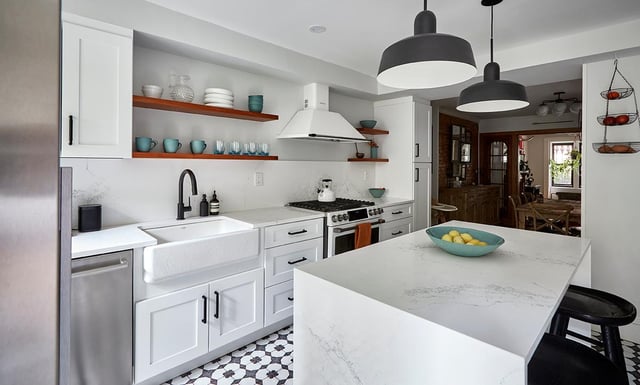
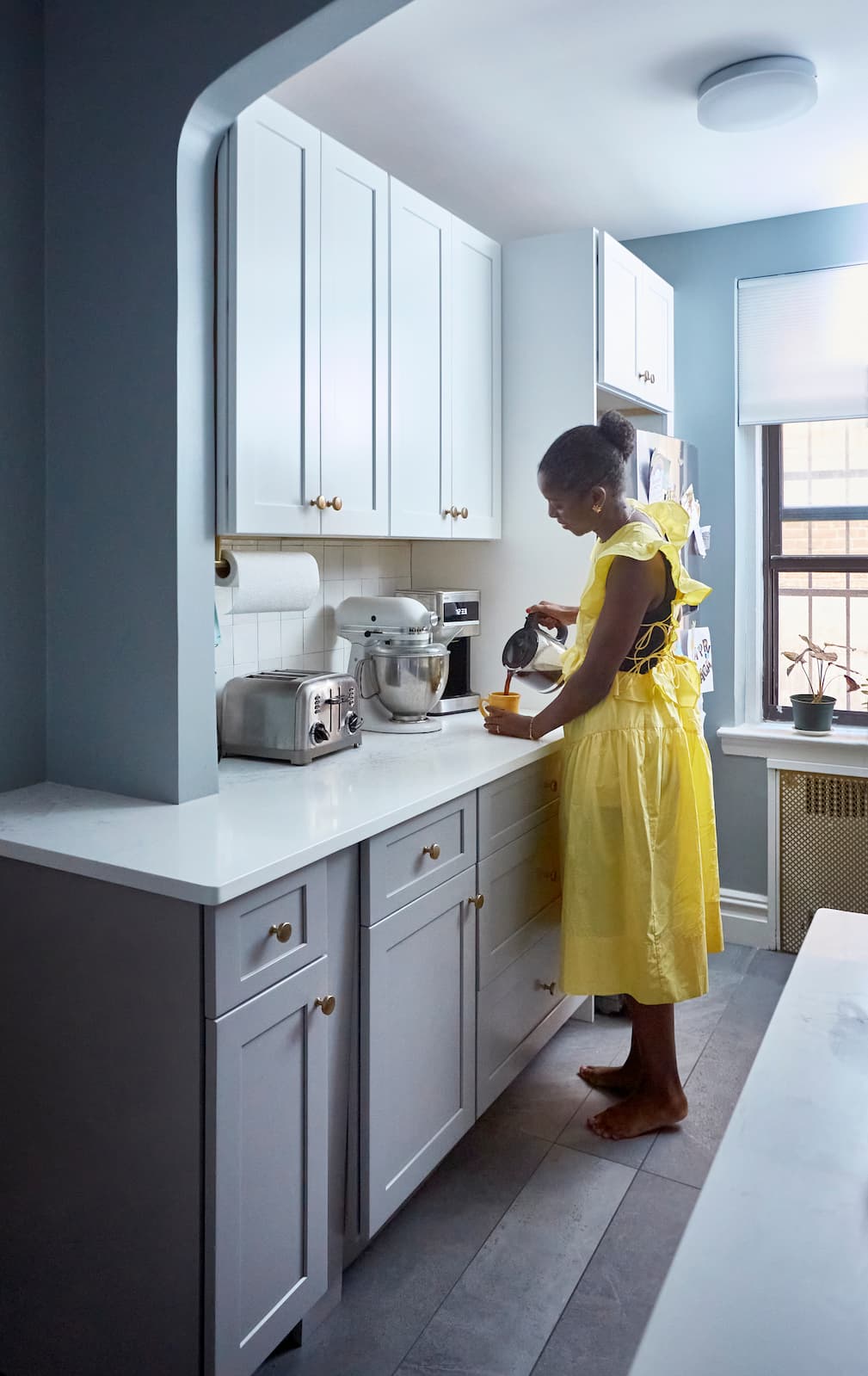
The kitchen is where schedules and generations often overlap. Thoughtful decisions can make it comfortable and functional for everyone:
Multiple work zones: Consider two prep areas on opposite sides of the kitchen, or a second prep sink, so people can cook together without bumping elbows.
Accessible appliances: Wall ovens installed at waist height, drawer dishwashers, and induction cooktops are easier to use safely for adults and kids. Microwaves or refrigerators with pull-out drawers add convenience and reduce bending or reaching.
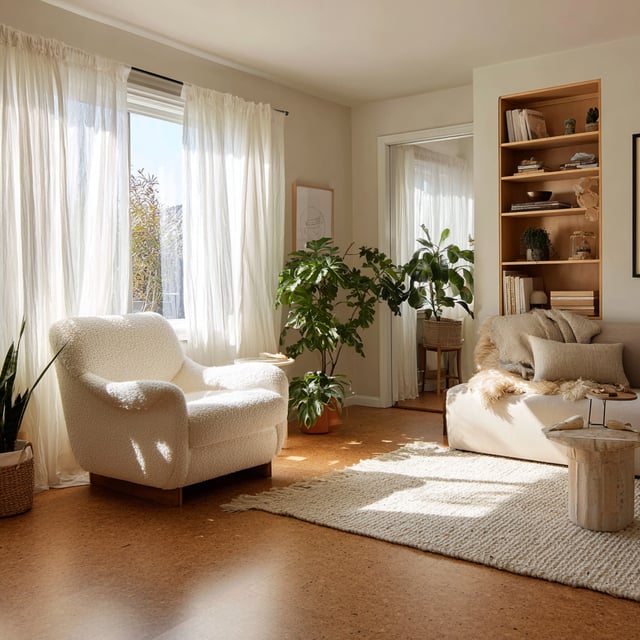
Senior-friendly flooring: Safety matters. Choose non-slip surfaces like textured LVT (luxury vinyl tile) or slip-resistant tile, which are easier on joints and safer for anyone using a walker or cane. For more tips, read Top Flooring for Seniors to Install Within Their Homes.
Living and dining rooms get used in different ways by each generation—family gatherings, homework, TV time, or exercise.
Modular seating: Sectionals or movable chairs let the space adapt for large groups or quiet evenings. Lower seat heights, armrests, and firm but cushioned support help everyone sit and stand easily.
Clear circulation: Allow at least 36 inches around tables and through main walkways for accessibility—helpful for strollers, wheelchairs, or anyone with mobility challenges.
Lighting: Layered lighting—overhead, task, and soft accent—ensures everyone has what they need, whether doing a puzzle, reading, or watching a movie. Dimmers are valuable as eyes age and lighting preferences change.
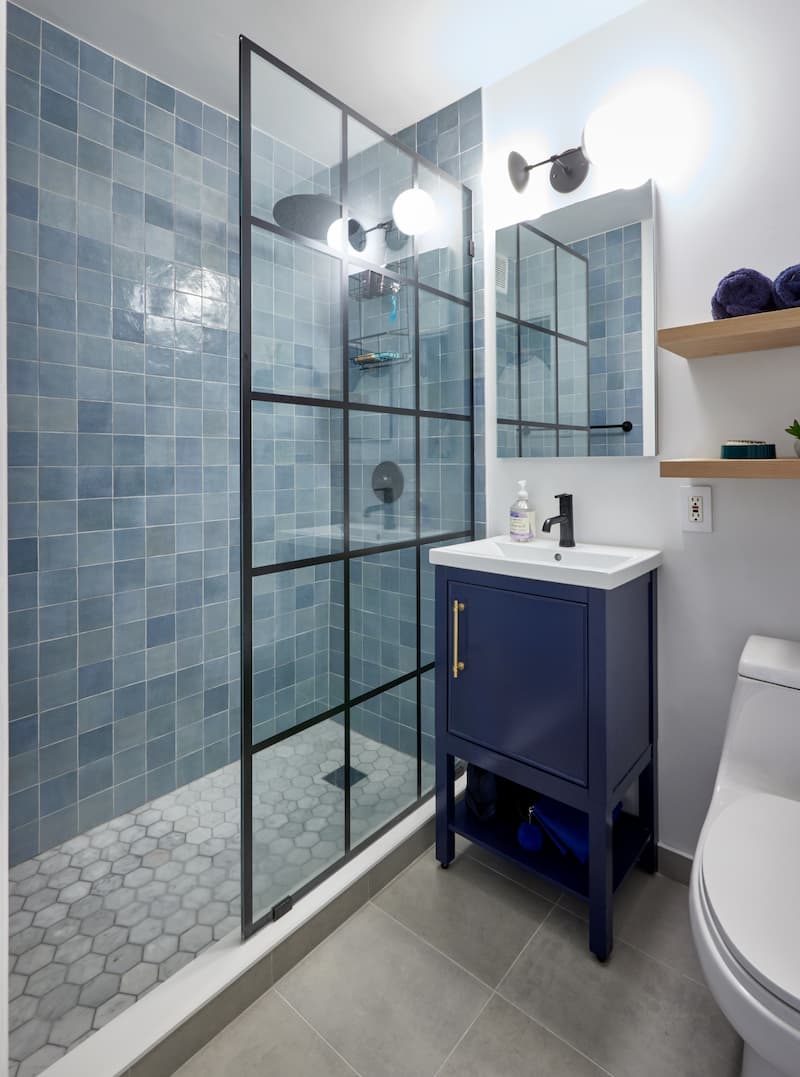
Bathrooms see heavy use in multigenerational homes. Small upgrades keep them comfortable and even ADA-compliant.
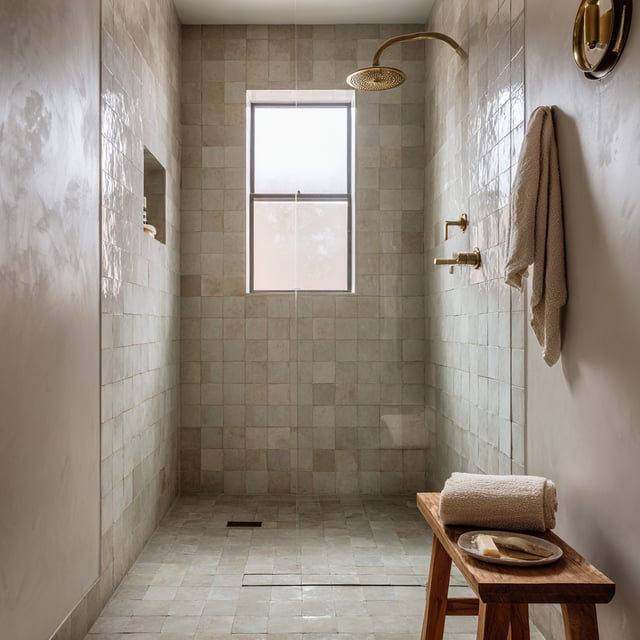
Walk-in or curbless showers: These are much safer for older adults and are practical for bathing young children. Add grab bars and a handheld showerhead for ease of use.
Comfort-height toilets: Slightly taller fixtures are easier for both seniors and anyone recovering from injury.
Slip-resistant flooring: Matte tiles, textured porcelain, or rubberized sheet flooring all reduce the risk of falls. Look for materials rated for wet areas.
Lever handles: Swap out round doorknobs and faucet handles for levers—they’re easier for people with arthritis or limited grip strength.
When many generations live together, clutter can multiply quickly. Multigenerational renovations that strategically incorporate built-in storage go a long way:
Accessible cabinetry: Opt for pull-out shelves and drawers in lower cabinets so items are easy to reach—no step stools required.
Shared drop zones: An organized entry space with individual hooks, shelves, and benches makes comings and goings smoother.
Labeling systems: Labeled bins or baskets in shared spaces help family members of any age find what they need—and help keep everyone’s things separate.
A home designed with these details in mind supports each generation’s needs, reduces daily friction, and cultivates comfort and dignity for everyone under your roof.
Remodeling for multigenerational living is a big step—and with the right guidance, it can be a rewarding one. Block Renovation offers tools and support to help you clarify priorities, plan layouts, and estimate costs before any work begins.
With Renovation Studio, you can visualize different layouts, explore how updates will look, and see real-time impact on your budget. Try out potential bedroom suites, test bathroom or kitchen ideas, and collaborate with family members as you go—so everyone’s needs are considered.
When you’re ready to build, Block matches you with vetted general contractors who have experience in projects like yours. You’ll see clearly defined bids, realistic timelines, and scopes that address the nuances of multigenerational living—right down to privacy, accessibility, and future flexibility.
Remodel with confidence through Block

Connect to vetted local contractors
We only work with top-tier, thoroughly vetted contractors

Get expert guidance
Our project planners offer expert advice, scope review, and ongoing support as needed
Enjoy peace of mind throughout your renovation
Secure payment system puts you in control and protects your remodel

Renovate confidently with Block
Easily compare quotes from top quality contractors, and get peace of mind with warranty & price protections.
aging in place
Prevent Falls With Home Modifications & Renovations
10.14.2026
Bathroom
Walk-In Tub vs. Walk-In Shower for Seniors
09.16.2026
aging in place
Remodeling a Home for Multigenerational Living
01.20.2026
Flooring
Top Flooring for Seniors to Install Within Their Homes
12.18.2025
aging in place
Aging in Place Remodeling Tips for Seniors
07.25.2025