---
title: "Pony Wall Ideas: Bathrooms, Lofts, Entryways & More"
description: Explore pony wall ideas for bathrooms, lofts, entryways, and beyond. Learn how half walls work, design inspiration, and what to expect when building one.
image: https://www.blockrenovation.com/hubfs/Pony%20Wall%20Example.png
---
[Skip to content](https://www.blockrenovation.com/guides/pony-wall-ideas-bathrooms-lofts-entryways-more#main-content)
[](https://www.blockrenovation.com?hsLang=en)
- How It Works
- [How Block Works](https://www.blockrenovation.com/how-it-works)
- [Home Renovations](https://www.blockrenovation.com/home-renovations)
- [New Construction](https://www.blockrenovation.com/new-construction)
- [Commercial Projects](https://www.blockrenovation.com/commercial-projects)
- [Block Protections](https://www.blockrenovation.com/block-protections)
- [Reviews](https://www.blockrenovation.com/reviews)
- [Design Services](https://www.blockrenovation.com/design-services)
- [Trade Program](https://www.blockrenovation.com/trade-program)
- [Gallery](https://www.blockrenovation.com/customer-gallery)
- Project Guides
- By Room
- [Kitchen](https://www.blockrenovation.com/guides/cost/kitchen-remodel-cost)
- [Bathroom](https://www.blockrenovation.com/guides/cost/bathroom-remodel-cost)
- [Bedroom](https://www.blockrenovation.com/guides/the-complete-guide-to-bedroom-remodel-costs)
- [Living Room](https://www.blockrenovation.com/guides/the-cost-of-a-living-space-remodel)
- [Basement](https://www.blockrenovation.com/guides/the-complete-guide-to-basement-remodel-costs)
- [Attic](https://www.blockrenovation.com/guides/the-complete-guide-to-attic-renovation-costs)
- [Garage](https://www.blockrenovation.com/guides/the-complete-guide-to-garage-remodel-costs)
- [Sunroom](https://www.blockrenovation.com/guides/sunroom-renovation-ideas-cost-more)
- [Laundry Room](https://www.blockrenovation.com/guides/a-complete-guide-to-laundry-room-addition-and-remodel-2026)
- [Mudroom](https://www.blockrenovation.com/guides/custom-mudroom-additions-costs-design-ideas)
- Bigger Projects
- [Home Addition](https://www.blockrenovation.com/guides/understanding-the-costs-of-a-home-addition)
- [In-Law Suite](https://www.blockrenovation.com/guides/building-in-law-suite-ideas)
- [Guest House](https://www.blockrenovation.com/guides/how-much-does-it-cost-to-build-or-remodel-a-guest-house)
- [Deck Remodel](https://www.blockrenovation.com/guides/ultimate-guide-to-deck-remodeling-in-2026)
- [Custom Home Build](https://www.blockrenovation.com/guides/most-cost-effective-homes-to-custom-build)
- The Block Way
- [A Renovation Planning Guide](https://www.blockrenovation.com/guides/the-block-way-of-renovating)
- [Custom Home Building Guide](https://www.blockrenovation.com/guides/the-block-way-custom-home-building-process)
- [Read the Latest Articles](https://www.blockrenovation.com/guides/page/1)
- Budgeting & Planning
- Budgeting
- [Calculating Room Addition Costs](https://www.blockrenovation.com/guides/how-to-calculate-the-cost-of-a-room-addition)
- [Kitchen Countertop Replacement Costs](https://www.blockrenovation.com/guides/how-much-does-replacing-kitchen-countertops-cost-in-2025)
- [Kitchen Backsplash Costs](https://www.blockrenovation.com/guides/kitchen-backsplash-costs-installation-materials-more)
- [Kitchen Flooring Costs](https://www.blockrenovation.com/guides/cost/how-much-does-new-flooring-cost-in-a-kitchen)
- [Rerouting Plumbing Costs](https://www.blockrenovation.com/guides/rerouting-plumbing-costs-other-faqs)
- [Shower Installation Costs](https://www.blockrenovation.com/guides/cost/shower-installation-costs)
- [Tub Installation Cost](https://www.blockrenovation.com/guides/how-much-to-install-a-new-tub-bathtub-installation-cost-breakdown-tips)
- Size Guides
- [Minimum Bathroom Sizing](https://www.blockrenovation.com/guides/design/minimum-bathroom-size-maximize-small-space)
- [Minimum Laundry Room Sizing](https://www.blockrenovation.com/guides/laundry-room-sizing-guide-minimums-averages-more)
- [Minimum ADU Sizing](https://www.blockrenovation.com/guides/adu-sizing-smallest-typical-dimensions)
- Additions & Conversions
- [Ranch Home Additions](https://www.blockrenovation.com/guides/ranch-home-additions-ideas-costs-and-what-to-expect)
- [Master Suite Over Garages](https://www.blockrenovation.com/guides/master-suite-additions-over-garage-cost)
- [Dormer Addition Cost](https://www.blockrenovation.com/guides/building-a-dormer-addition-cost)
- [Garage to Master Suite Conversion](https://www.blockrenovation.com/guides/garage-to-master-bedroom-suite-conversion)
- [Garage Expansions](https://www.blockrenovation.com/guides/garage-expansions-ideas-addition-practicalities)
- [Read the Latest Articles](https://www.blockrenovation.com/guides/page/1)
- Tools
- [Renovation Studio](https://www.blockrenovation.com/renovation-planning)
- [AI Remodel Planner](https://www.blockrenovation.com/renovation-planning)
- [Kitchen Remodel Visualizer](https://www.blockrenovation.com/tools/kitchen-remodel-visualizer)
- [Kitchen Cabinet Visualizer](https://www.blockrenovation.com/tools/kitchen-cabinet-visualizer)
- [Bathroom Remodel Visualizer](https://www.blockrenovation.com/tools/bathroom-remodel-visualizer)
- [Basement Remodel Visualizer](https://www.blockrenovation.com/tools/basement-remodel-AI-designer)
- [Estimate Remodeling Costs](https://www.blockrenovation.com/tools/calculate-renovation-cost-estimations)
- [Renovation Value Calculator](https://www.blockrenovation.com/tools/roi-calculator)
- [Basement Finishing Estimator](https://www.blockrenovation.com/tools/basement-finishing-estimator-planner)
- [Kitchen Remodel Cost Estimator](https://www.blockrenovation.com/tools/kitchen-remodel-cost-estimator-checklist)
[Log In](https://www.blockrenovation.com/login?hsLang=en) [Get Started](https://www.blockrenovation.com/planner/route?hsLang=en)
[Guides](https://www.blockrenovation.com/guides)
- Block Renovations
- [Working with Block](https://www.blockrenovation.com/guides/tag/working-with-block)
- [Case Studies](https://www.blockrenovation.com/guides/tag/case-study)
- [Block Contractors](https://www.blockrenovation.com/guides/tag/contractors)
- Project Planning
- [Planning & Logistics](https://www.blockrenovation.com/guides/tag/planning-logistics)
- [Cost](https://www.blockrenovation.com/guides/tag/cost)
- [Timelines](https://www.blockrenovation.com/guides/tag/timelines)
- [Working with Contractors](https://www.blockrenovation.com/guides/tag/working-with-contractors)
- Ideas & Inspiration
- [Design](https://www.blockrenovation.com/guides/tag/design)
- [Cleaning](https://www.blockrenovation.com/guides/tag/cleaning)
- [Paint & Color](https://www.blockrenovation.com/guides/tag/paint-color)
- [How To & DIY](https://www.blockrenovation.com/guides/tag/how-to)


[](https://www.blockrenovation.com?hsLang=en)

Guides
- Block Renovations
- [Working with Block](https://www.blockrenovation.com/guides/tag/working-with-block)
- [Case Studies](https://www.blockrenovation.com/guides/tag/case-study)
- [Block Contractors](https://www.blockrenovation.com/guides/tag/contractors)
- Project Planning
- [Planning & Logistics](https://www.blockrenovation.com/guides/tag/planning-logistics)
- [Cost](https://www.blockrenovation.com/guides/tag/cost)
- [Timelines](https://www.blockrenovation.com/guides/tag/timelines)
- [Working with Contractors](https://www.blockrenovation.com/guides/tag/working-with-contractors)
- Ideas & Inspiration
- [Design](https://www.blockrenovation.com/guides/tag/design)
- [Cleaning](https://www.blockrenovation.com/guides/tag/cleaning)
- [Paint & Color](https://www.blockrenovation.com/guides/tag/paint-color)
- [How To & DIY](https://www.blockrenovation.com/guides/tag/how-to)


[Get Started](https://www.blockrenovation.com/planner/route?hsLang=en)
- Learn About Block
- How It Works
- [How Block Works](https://www.blockrenovation.com/how-it-works)
- [Home Renovations](https://www.blockrenovation.com/home-renovations)
- [New Construction](https://www.blockrenovation.com/new-construction)
- [Commercial Projects](https://www.blockrenovation.com/commercial-projects)
- [Block Protections](https://www.blockrenovation.com/block-protections)
- [Reviews](https://www.blockrenovation.com/reviews)
- [Design Services](https://www.blockrenovation.com/design-services)
- [Trade Program](https://www.blockrenovation.com/trade-program)
- [Gallery](https://www.blockrenovation.com/customer-gallery)
- Project Guides
- By Room
- [Kitchen](https://www.blockrenovation.com/guides/cost/kitchen-remodel-cost)
- [Bathroom](https://www.blockrenovation.com/guides/cost/bathroom-remodel-cost)
- [Bedroom](https://www.blockrenovation.com/guides/the-complete-guide-to-bedroom-remodel-costs)
- [Living Room](https://www.blockrenovation.com/guides/the-cost-of-a-living-space-remodel)
- [Basement](https://www.blockrenovation.com/guides/the-complete-guide-to-basement-remodel-costs)
- [Attic](https://www.blockrenovation.com/guides/the-complete-guide-to-attic-renovation-costs)
- [Garage](https://www.blockrenovation.com/guides/the-complete-guide-to-garage-remodel-costs)
- [Sunroom](https://www.blockrenovation.com/guides/sunroom-renovation-ideas-cost-more)
- [Laundry Room](https://www.blockrenovation.com/guides/a-complete-guide-to-laundry-room-addition-and-remodel-2026)
- [Mudroom](https://www.blockrenovation.com/guides/custom-mudroom-additions-costs-design-ideas)
- Bigger Projects
- [Home Addition](https://www.blockrenovation.com/guides/understanding-the-costs-of-a-home-addition)
- [In-Law Suite](https://www.blockrenovation.com/guides/building-in-law-suite-ideas)
- [Guest House](https://www.blockrenovation.com/guides/how-much-does-it-cost-to-build-or-remodel-a-guest-house)
- [Deck Remodel](https://www.blockrenovation.com/guides/ultimate-guide-to-deck-remodeling-in-2026)
- [Custom Home Build](https://www.blockrenovation.com/guides/most-cost-effective-homes-to-custom-build)
- The Block Way
- [A Renovation Planning Guide](https://www.blockrenovation.com/guides/the-block-way-of-renovating)
- [Custom Home Building Guide](https://www.blockrenovation.com/guides/the-block-way-custom-home-building-process)
- [Read the Latest Articles](https://www.blockrenovation.com/guides/page/1)
- Budgeting & Planning
- Budgeting
- [Calculating Room Addition Costs](https://www.blockrenovation.com/guides/how-to-calculate-the-cost-of-a-room-addition)
- [Kitchen Countertop Replacement Costs](https://www.blockrenovation.com/guides/how-much-does-replacing-kitchen-countertops-cost-in-2025)
- [Kitchen Backsplash Costs](https://www.blockrenovation.com/guides/kitchen-backsplash-costs-installation-materials-more)
- [Kitchen Flooring Costs](https://www.blockrenovation.com/guides/cost/how-much-does-new-flooring-cost-in-a-kitchen)
- [Rerouting Plumbing Costs](https://www.blockrenovation.com/guides/rerouting-plumbing-costs-other-faqs)
- [Shower Installation Costs](https://www.blockrenovation.com/guides/cost/shower-installation-costs)
- [Tub Installation Cost](https://www.blockrenovation.com/guides/how-much-to-install-a-new-tub-bathtub-installation-cost-breakdown-tips)
- Size Guides
- [Minimum Bathroom Sizing](https://www.blockrenovation.com/guides/design/minimum-bathroom-size-maximize-small-space)
- [Minimum Laundry Room Sizing](https://www.blockrenovation.com/guides/laundry-room-sizing-guide-minimums-averages-more)
- [Minimum ADU Sizing](https://www.blockrenovation.com/guides/adu-sizing-smallest-typical-dimensions)
- Additions & Conversions
- [Ranch Home Additions](https://www.blockrenovation.com/guides/ranch-home-additions-ideas-costs-and-what-to-expect)
- [Master Suite Over Garages](https://www.blockrenovation.com/guides/master-suite-additions-over-garage-cost)
- [Dormer Addition Cost](https://www.blockrenovation.com/guides/building-a-dormer-addition-cost)
- [Garage to Master Suite Conversion](https://www.blockrenovation.com/guides/garage-to-master-bedroom-suite-conversion)
- [Garage Expansions](https://www.blockrenovation.com/guides/garage-expansions-ideas-addition-practicalities)
- [Read the Latest Articles](https://www.blockrenovation.com/guides/page/1)
- Tools
- [Renovation Studio](https://www.blockrenovation.com/renovation-planning)
- [AI Remodel Planner](https://www.blockrenovation.com/renovation-planning)
- [Kitchen Remodel Visualizer](https://www.blockrenovation.com/tools/kitchen-remodel-visualizer)
- [Kitchen Cabinet Visualizer](https://www.blockrenovation.com/tools/kitchen-cabinet-visualizer)
- [Bathroom Remodel Visualizer](https://www.blockrenovation.com/tools/bathroom-remodel-visualizer)
- [Basement Remodel Visualizer](https://www.blockrenovation.com/tools/basement-remodel-AI-designer)
- [Estimate Remodeling Costs](https://www.blockrenovation.com/tools/calculate-renovation-cost-estimations)
- [Renovation Value Calculator](https://www.blockrenovation.com/tools/roi-calculator)
- [Basement Finishing Estimator](https://www.blockrenovation.com/tools/basement-finishing-estimator-planner)
- [Kitchen Remodel Cost Estimator](https://www.blockrenovation.com/tools/kitchen-remodel-cost-estimator-checklist)
1. [Home](https://www.blockrenovation.com?hsLang=en)
2. [Guide](https://www.blockrenovation.com/guides)
3. [All Articles](https://www.blockrenovation.com/guides/page/1)
4. Search
5. [Structural Changes](https://www.blockrenovation.com/guides/tag/structural-changes)
# Pony Wall Ideas: Bathrooms, Lofts, Entryways & More
By Block Renovation
01.11.2026
[](http://www.facebook.com/share.php?u=https%3A%2F%2Fwww.blockrenovation.com%2Fguides%2Fpony-wall-ideas-bathrooms-lofts-entryways-more) [](https://www.instagram.com/blockrenovation) [](http://www.linkedin.com/shareArticle?mini=true&url=https%3A%2F%2Fwww.blockrenovation.com%2Fguides%2Fpony-wall-ideas-bathrooms-lofts-entryways-more) [](http://pinterest.com/pin/create/button/?url=https%3A%2F%2Fwww.blockrenovation.com%2Fguides%2Fpony-wall-ideas-bathrooms-lofts-entryways-more&media=https://4612653.fs1.hubspotusercontent-na1.net/hubfs/4612653/Pony%20Wall%20Example.png)
In This Article
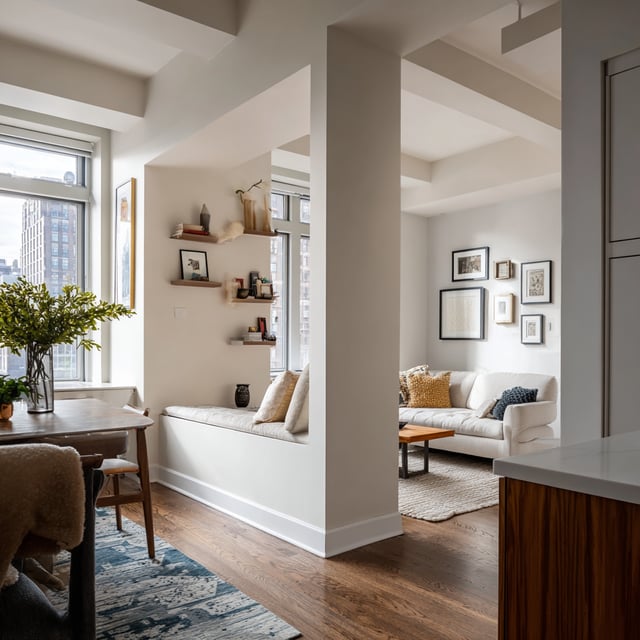
A pony wall—often called a half wall—is exactly what it sounds like: a wall that stops short of the ceiling. It’s tall enough to define space, but low enough to keep a room feeling open and connected. Pony wall ideas have become increasingly popular in modern homes because they solve real layout challenges without the heaviness of full-height walls.
Homeowners often turn to [half wall ideas](https://www.blockrenovation.com/guides/half-wall-railing-ideas-styles-costs-materials?hsLang=en) when they want separation without isolation, or structure without closing things off entirely.
Why pony walls work so well:
- They define zones while preserving natural light
- They create visual boundaries without shrinking a room
- They add architectural detail where a space feels unfinished
- They can support functional features like shelving, seating, or plumbing
From bathroom pony wall ideas to entryway pony wall ideas and loft half wall ideas, these low-profile walls can resolve layout problems that furniture can't fix and full walls would overcorrect.
## Quick guide to pony wall installation costs
| **Test the height in real life** | A cardboard mockup changed one homeowner’s plan by 6 inches after a few days of living with it. The adjustment opened up sightlines and avoided tearing out a finished wall later. |
| --- | --- |
| **The framing is the expensive part** | Pony walls often get priced like finish work, then turn into structural work once anchoring and reinforcement start. Late changes can mean drywall patching, reframing, and extra labor days. |
| **A few inches changes the room** | Around 36 inches keeps an entryway open without losing separation. Bathrooms usually need closer to 48 inches for privacy. Go taller and the room starts losing light and volume fast. |
## Pony wall basics to successfully executing a half wall look
A pony wall may look simple but, without the right planning, it's all too easy to fumble to execution. These fundamentals help ensure your half wall fits naturally into the space.
- Finding the right height. Most pony walls fall between 36 and 48 inches tall, but the ideal height depends on how the wall is being used. Entryways often benefit from lower walls that keep sightlines open, while bathroom pony wall ideas usually call for more height to increase privacy. Visually aligning the wall with nearby elements—like counters, vanities, or stair rails—helps it feel cohesive.
- Making sure it’s structurally sound. Even though it doesn’t reach the ceiling, building a half wall still requires solid framing and proper anchoring. A contractor will secure it to the floor and adjacent walls so it feels sturdy and permanent, not like a temporary divider.
- Choosing finishes that belong in the room. Drywall is only one option. A wainscoting half wall adds depth while tile, plaster, or wood paneling can help the wall blend seamlessly with surrounding finishes. The goal is for the wall to feel like part of the architecture, not an add-on.
- Using the top of the wall as a design feature. The cap of a half wall is often overlooked, but it’s one of the most visible elements. A wood ledge, stone slab, or painted trim can turn the wall into a functional surface or visual accent. Choosing a finish that ties into nearby materials helps the wall feel cohesive rather than stick out light a sore thumb.
- Planning utilities before construction starts. Many half wall ideas involve plumbing, electrical outlets, or lighting—especially in bathrooms and kitchens. These decisions need to be made early, since changes later can add cost and delay.
- Thinking through sightlines and movement. Pony walls influence how you move through a space and what you see as you do. Before finalizing placement, think about what the wall should highlight—and what it should quietly screen from view.
.png?width=1920&height=1080&name=Pony%20wall%20height%20by%20application%20(1).png)
Andrew Clark, a homeowner in Ithaca, NY who recently opened up his living and dining room, tried something worth stealing before his pony wall went up. "At our contractor's suggestion, we taped up cardboard at the height we thought we wanted and just lived with it for a few days. We ended up going about six inches shorter than our original plan because we realized we wanted a broader line of sight between the two rooms. I'd recommend this extra step to anyone considering adding dividers."
## Pony wall ideas for entryways
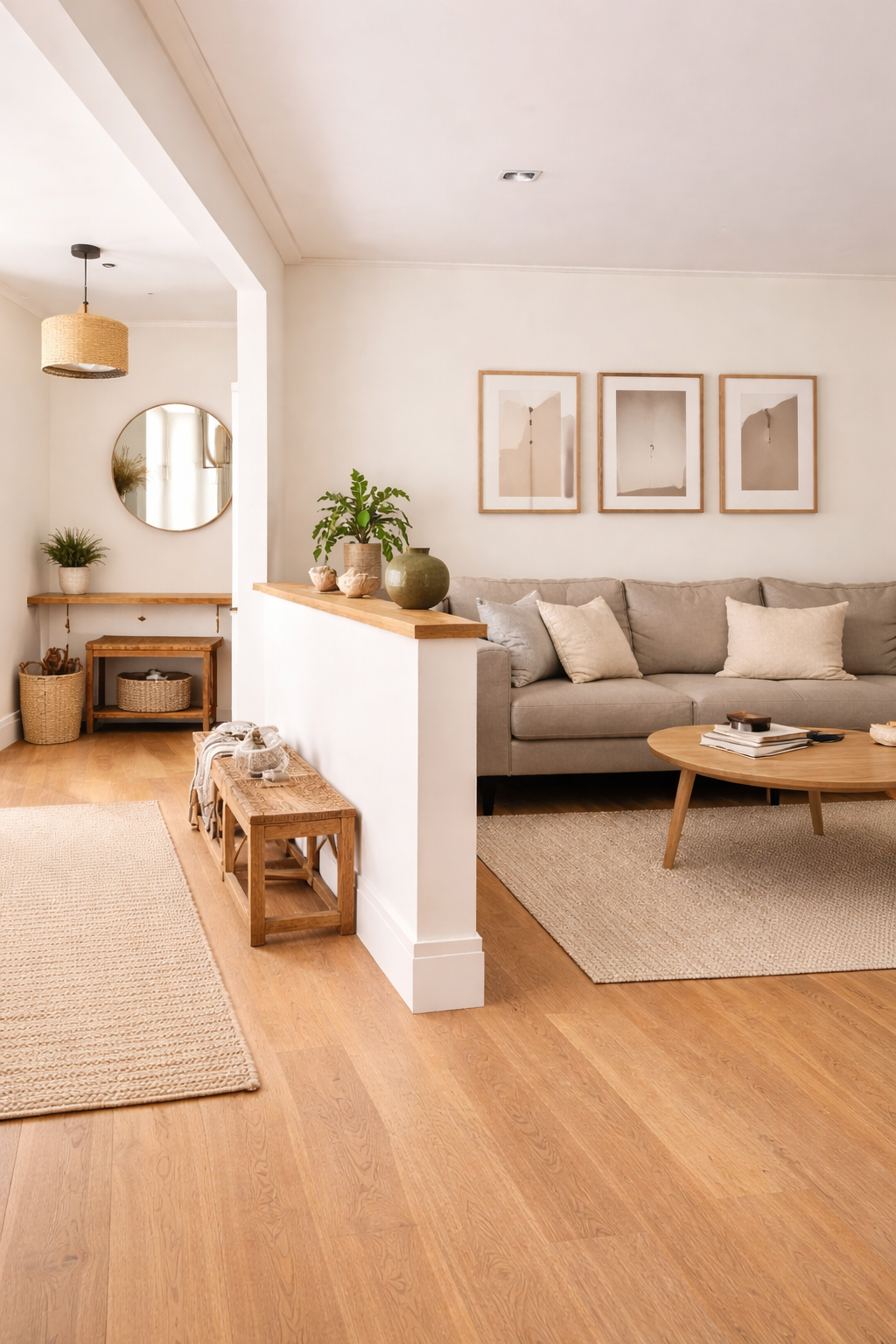
Placed just inside the front door, a pony wall can gently guide movement through the home. It defines the entry zone while keeping the main living area visible, helping the space feel open and welcoming.
### Painting pony walls purposefully to define zones in open floor plans
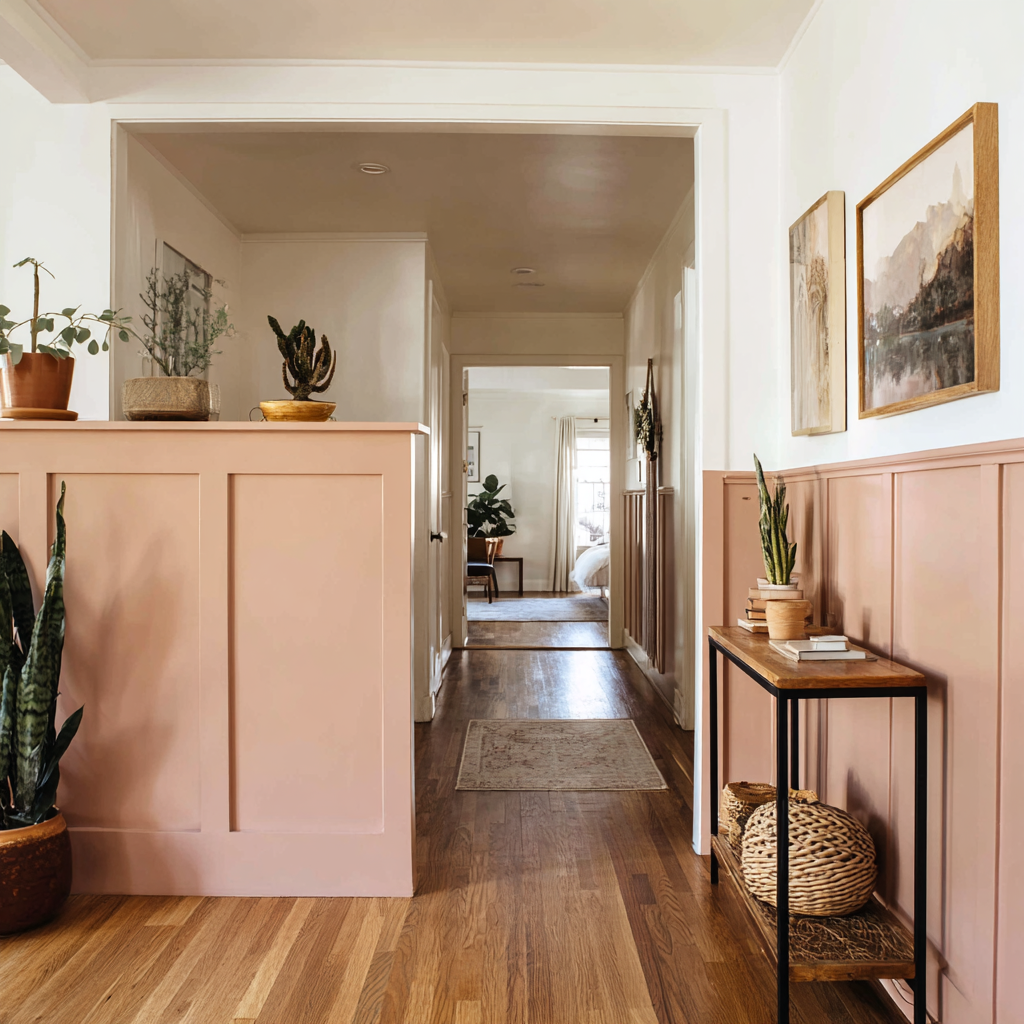
Painting a pony wall in a bold, modern hue is one of the simplest ways to signal a shift between spaces in an open layout. The color does the work of separating zones without adding visual weight, making the wall feel like a deliberate design choice rather than a structural afterthought. This approach is especially effective in modern homes where clean lines and minimal decor rely on color to create contrast and warmth.
### Low-profile walls with built-in storage
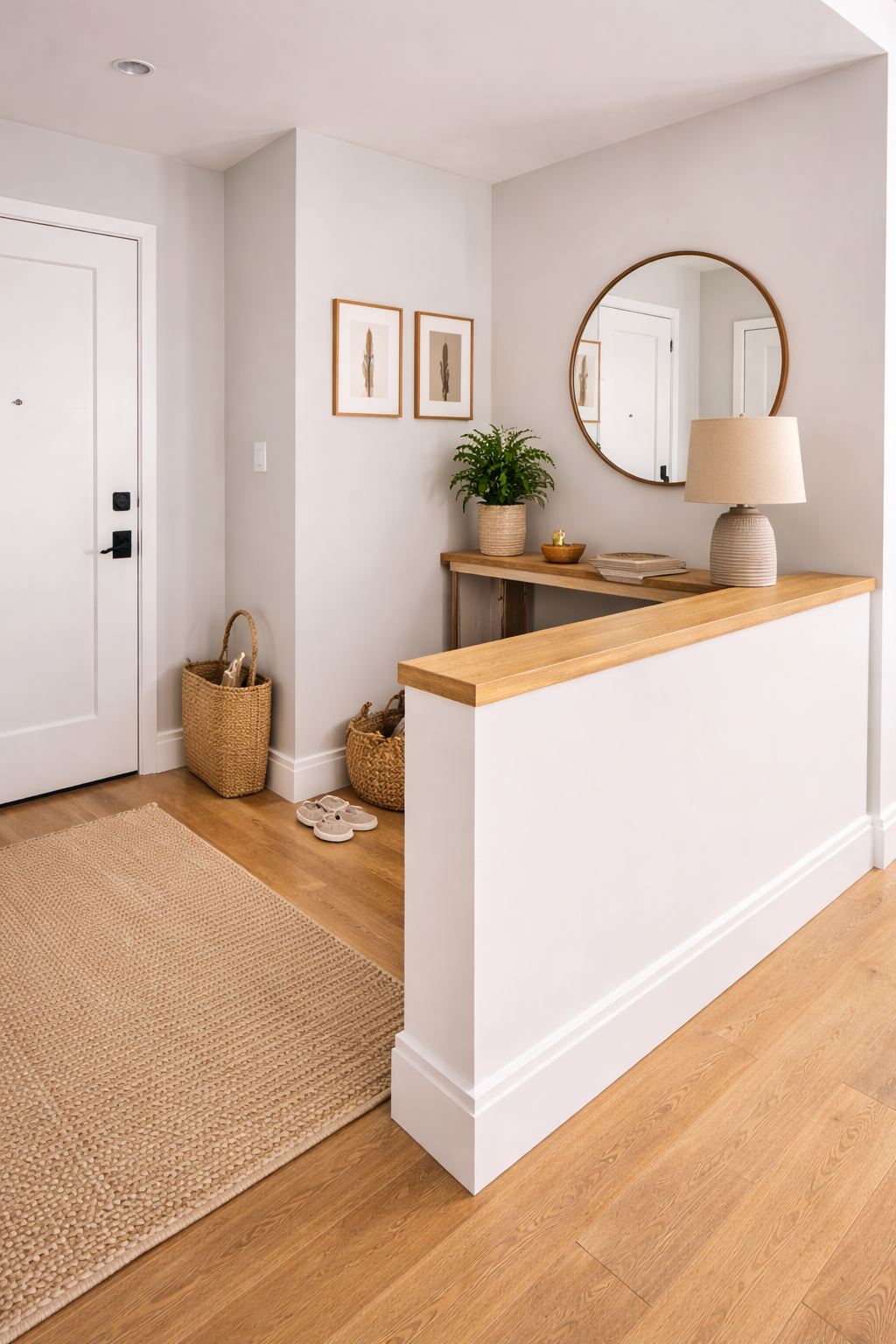
A pony wall topped with a shallow ledge creates a natural drop zone for keys, mail, and bags. Storage built into the entry-facing side keeps clutter out of sight, which is especially useful in apartments without mudrooms. The wall defines the entry without closing it off from the living space beyond.
### Pony walls with vertical slat beams and screens above
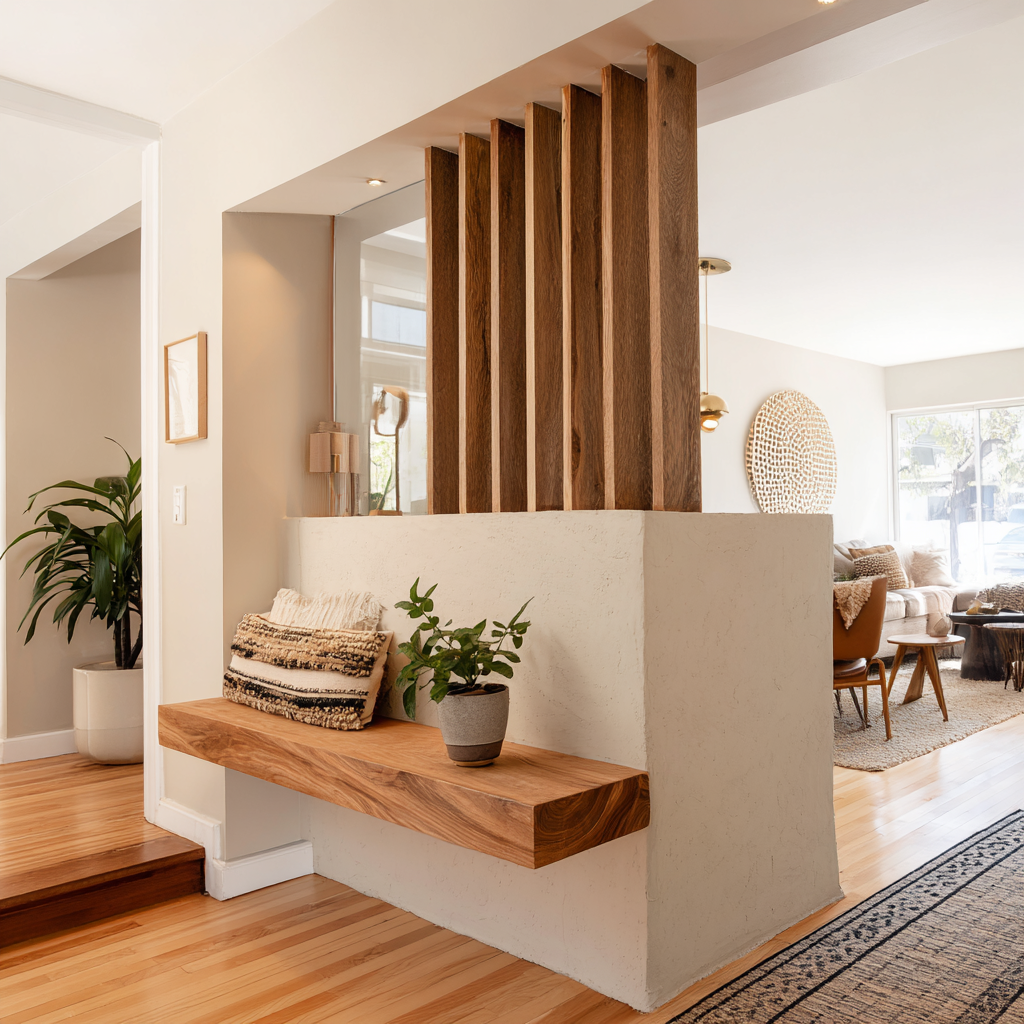
Topping a pony wall with vertical wood slats that extend toward the ceiling adds height and visual interest without closing off the space. The slats filter light and create a sense of rhythm, making the entry feel architectural and intentional. This approach works especially well in modern and mid-century homes where clean lines and natural materials are already part of the design language. Paired with a thick floating wood ledge at the top of the wall, the combination of solid base and open screen strikes a balance between structure and airiness that a standard pony wall alone can't achieve.
### Curved or angled pony walls that soften the entry
Rather than a straight partition, a gently curved or angled pony wall can guide movement through the entryway more naturally. That said, curved walls are significantly more labor-intensive to frame and finish than straight ones; the visual payoff is real, but so is the added cost. For most entryways, a straight wall with a strong material choice will do more for less.
### Wainscoting half walls that add instant character
A wainscoting half wall brings architectural detail into an otherwise simple entry. The paneling adds texture and depth, making the space feel finished the moment you walk in. Painted slightly darker than surrounding walls, it offers contrast without overwhelming the room.
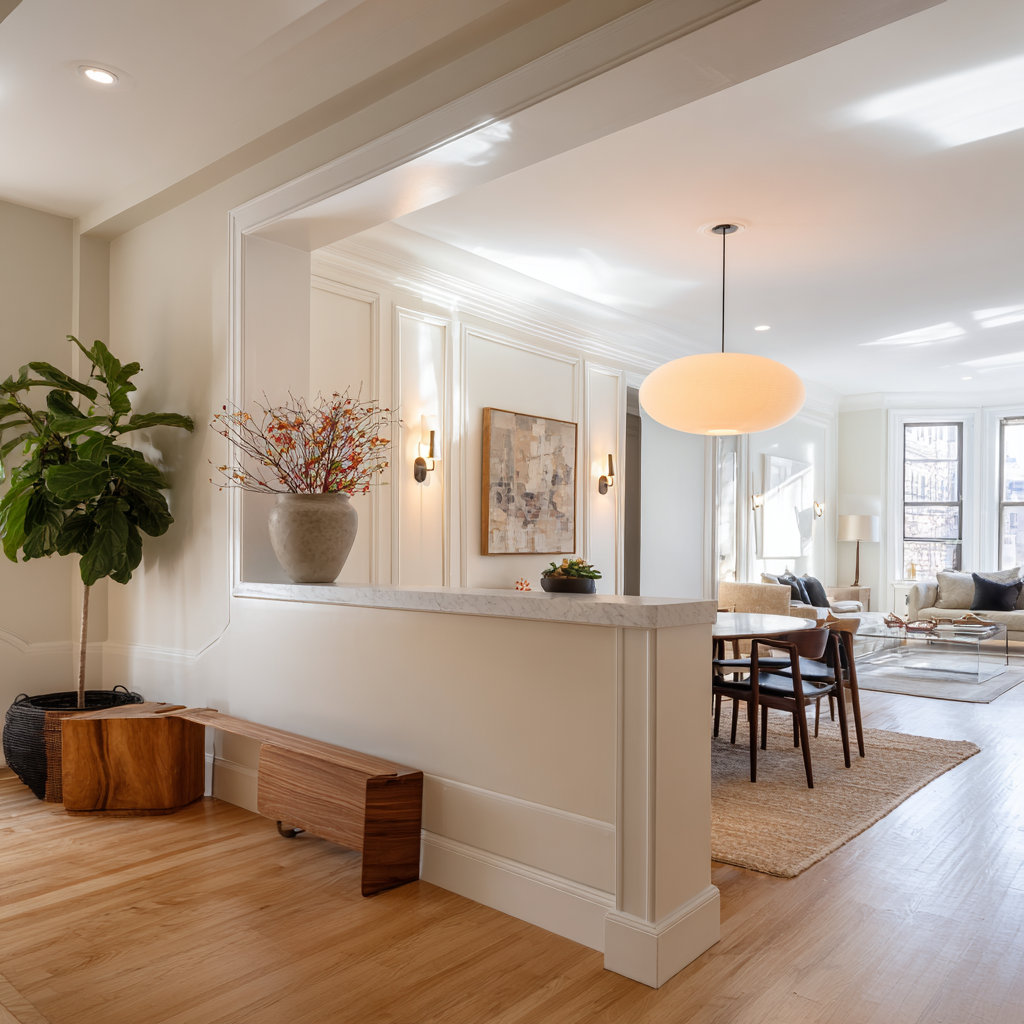
### Built-in seating with structural backing
Pairing a pony wall with a bench creates a practical, intentional seating area for taking off shoes or setting down bags. The wall provides support and structure, making the bench feel built-in rather than tucked into a corner.
### Pony walls with contrasting material finishes
Using a different material on each side of an entryway pony wall—like shiplap facing the entry and smooth drywall facing the living area—lets the wall serve two design languages at once. This approach helps each zone feel distinct while the wall itself ties them together, making it a natural fit for open floor plans where the entry and living space share square footage.
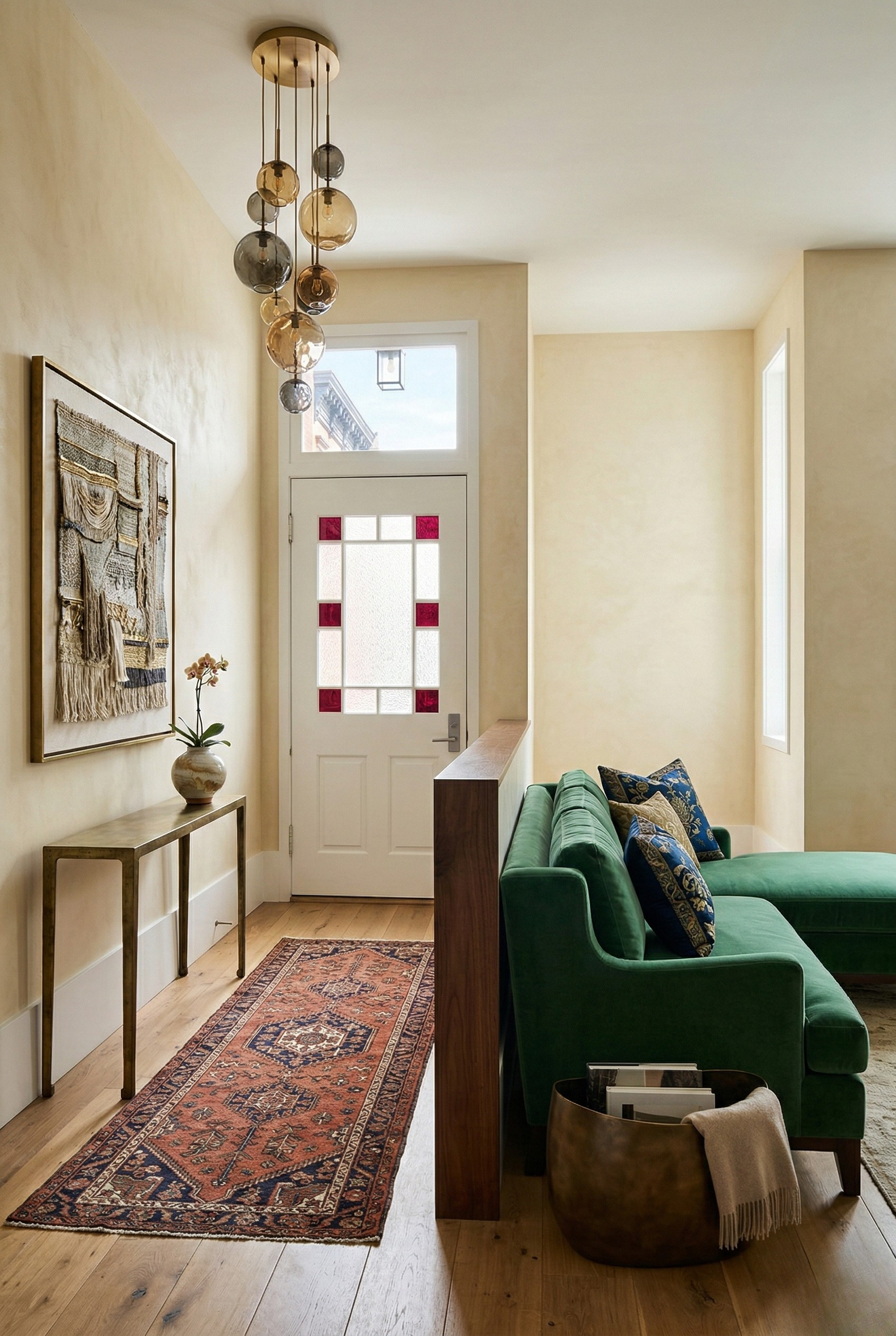
## Pony wall ideas for lofts and bedrooms
Lofts are known for their openness, but that openness can sometimes feel exposed or undefined. Your pony walls should ideally add structure without sacrificing light or flow, making it a potentially powerful idea for any [loft conversion](https://www.blockrenovation.com/guides/loft-conversions-for-bedrooms-cost-renovating-tips?hsLang=en).
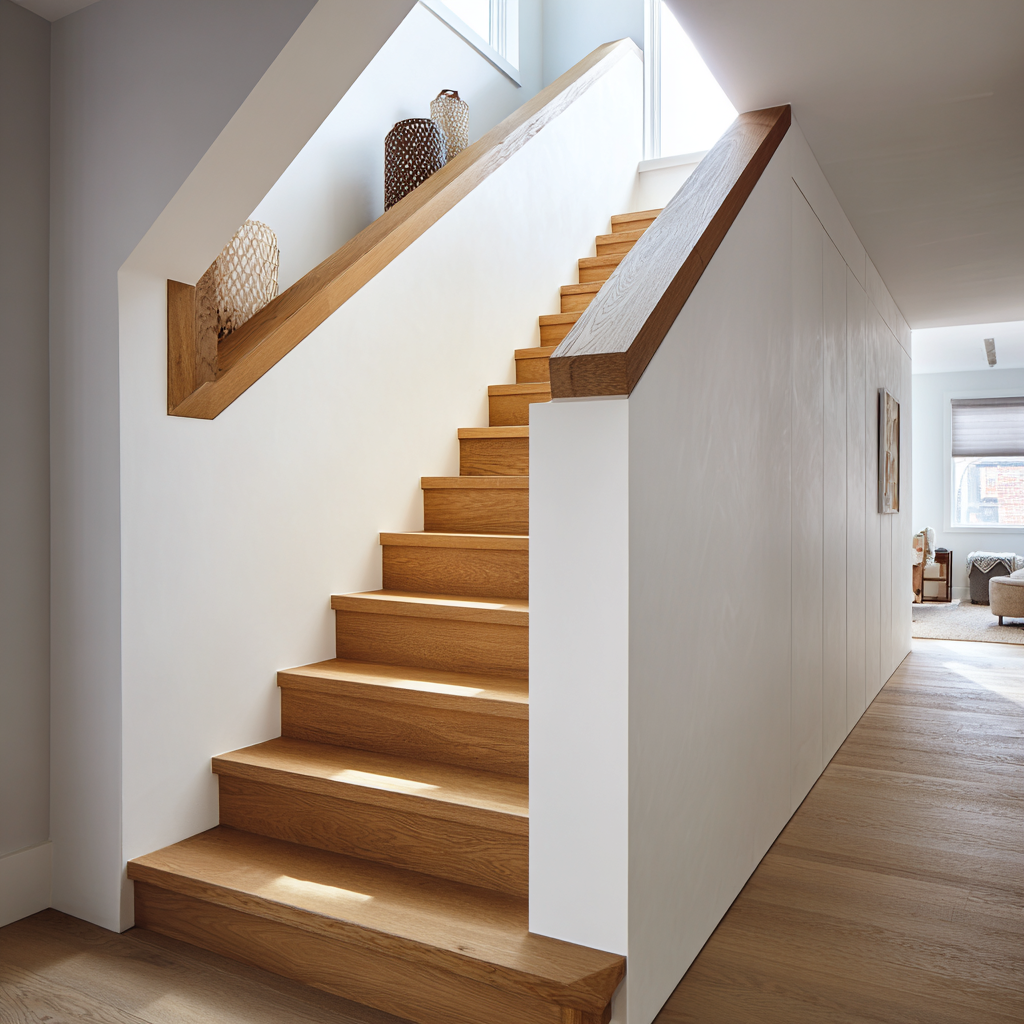
### Pony walls as staircase guards in attic conversions
Replacing a traditional railing with a solid partition wall along an attic staircase creates a cleaner, more built-in look that suits modern homes. The wall follows the angle of the stairs and rises to chest height, providing safety and structure without the visual clutter of balusters or spindles. A flat wood cap along the top adds a finished detail and gives you something solid to grip as you ascend. This approach also helps contain sound and creates a natural surface for hanging art or mounting a sconce, turning what's usually a purely functional element into something that adds character to the transition between floors.
### Architectural guardrails instead of traditional railings
A half wall along a loft edge creates a stronger visual anchor than a standard railing. Finished in drywall, wood, or plaster, it reads as part of the architecture while still preserving openness. Keeping the height below eye level maintains the airy feel lofts are known for.
### Storage-forward half walls that reduce visual clutter
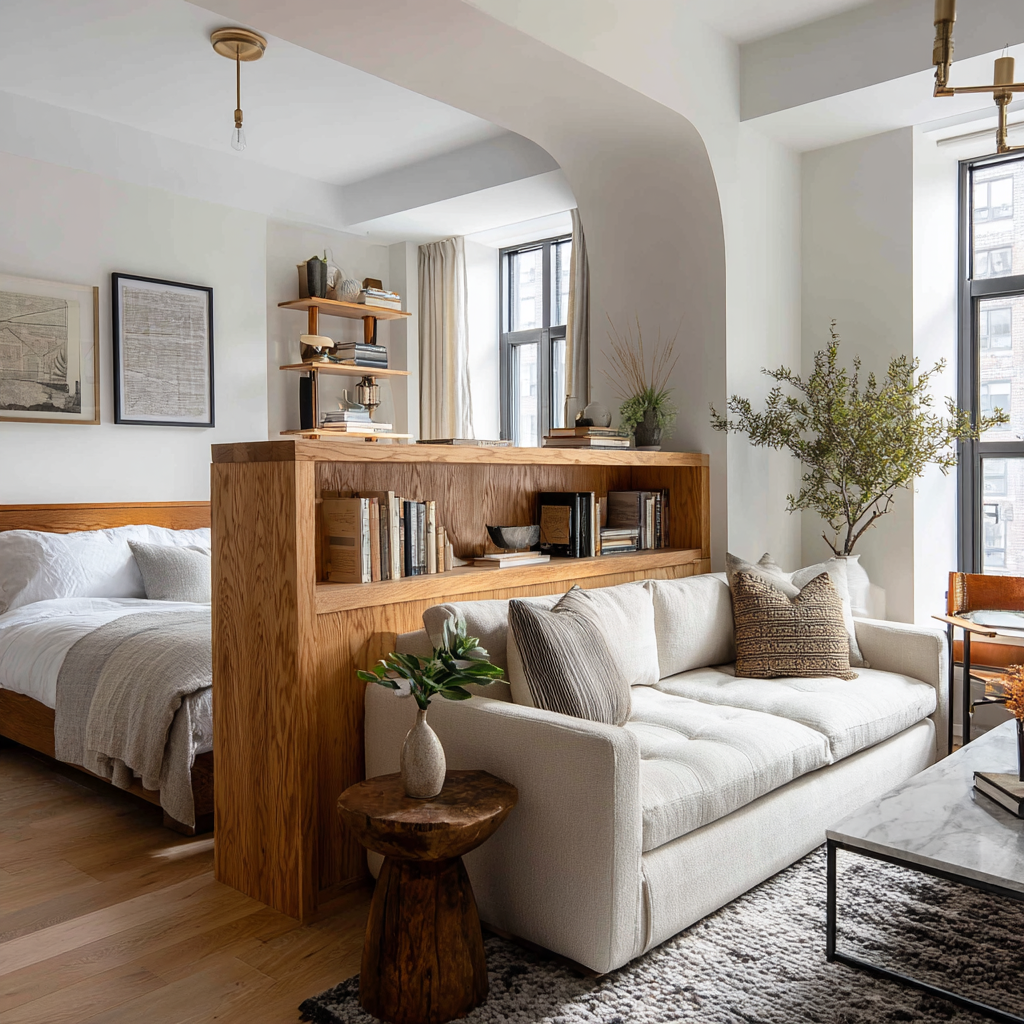
In lofts where storage is limited, pony walls can work double duty. Built-in shelving or cabinets along the interior side of the wall add function without eating up floor space. This approach works particularly well between sleeping and living areas.
### Defining a sleeping area without full enclosure
A pony wall at the edge or foot of a lofted bed helps define the sleeping zone without making it feel closed off. It adds a sense of privacy while still allowing light to travel through the space, striking a balance between openness and comfort.
### Creating a focused workspace within an open plan
For home offices in lofts, a half wall provides visual separation without isolating the workspace. It helps establish focus while maintaining connection to the rest of the home, especially when paired with open shelving above.
## Pony wall ideas for bathrooms
Bathrooms are one of the most common—and most effective—places to use pony walls. Bathroom pony wall ideas balance privacy, openness, and function in a way full walls often can’t.
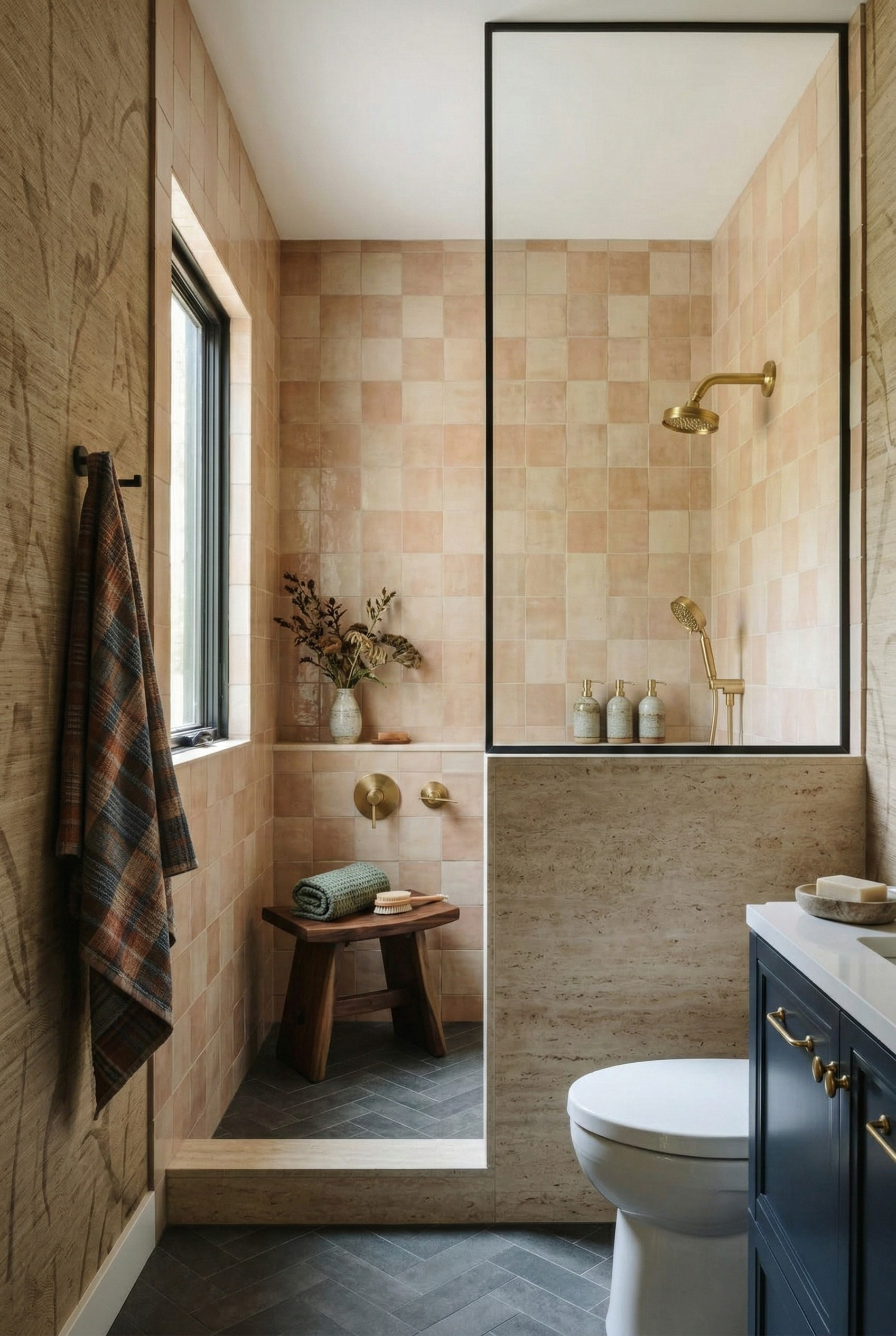
### Tile-forward half walls that anchor the room
A tiled pony wall can act as a visual backbone for the bathroom. Extending floor or shower tile onto the wall creates cohesion. This approach works when the wall supports a floating vanity or separates zones.
### Partial shower enclosures with glass above
[Pony wall shower](https://www.blockrenovation.com/guides/glass-shower-enclosure-with-a-half-wall-what-to-know?hsLang=en) ideas often pair a solid lower wall with glass panels above. The half wall contains water spray and provides a place to mount fixtures, while the glass keeps the shower feeling open and light—ideal for smaller bathrooms.
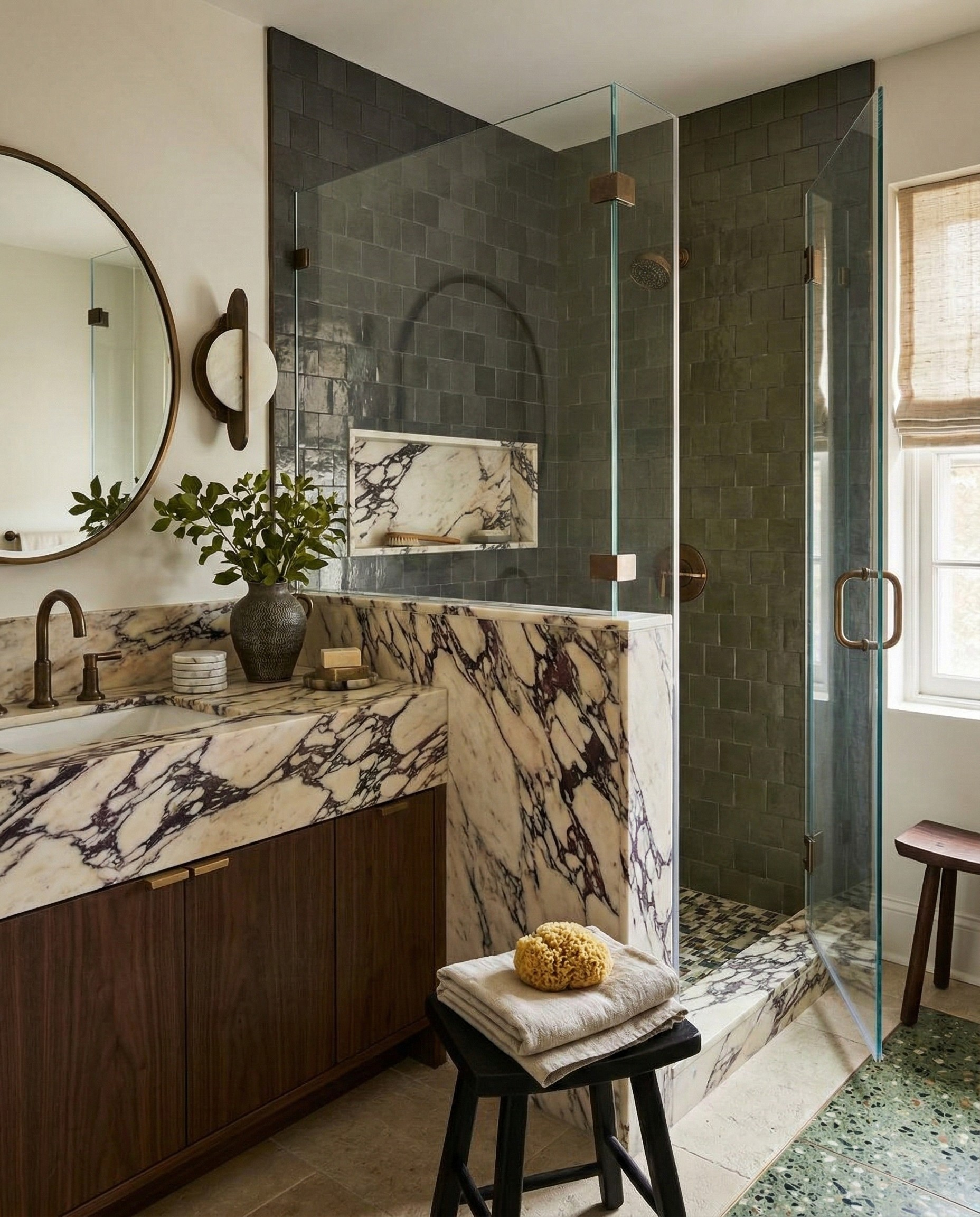
### Privacy walls that don’t close off the toilet area
A pony wall placed between the toilet and vanity offers privacy without isolating the space. It allows the bathroom to function as one cohesive room while still giving each zone its own identity.
### Wainscoting half walls with a classic feel
A wainscoting half wall adds an interesting detail to bathrooms that feel overly stark, all without contributing to visual clutter. As a bonus, the painted paneling brings texture while protecting walls in high-traffic areas.
Transparent Pricing You Can Trust
Start your renovation using Block’s Price Assurance. See a detailed cost breakdown with no unexpected expenses along the way.
[Get Started](https://www.blockrenovation.com/planner/route?hsLang=en)

## Building a pony wall: what to know
Assuming a contractor is building your pony wall on your behalf, here's what to expect:
- Costs: Pricing depends on size, materials, and whether plumbing or electrical work is involved. A simple framed and drywalled pony wall typically runs $1,000–$3,000 installed. Tiled bathroom versions can reach $4,000–$8,000 depending on materials, and custom millwork or built-in seating pushes costs higher still.
- Timelines: Most pony walls can be completed in a few days once construction begins. Projects involving tile, waterproofing, or inspections may take slightly longer.
- Permits and sequencing: Some pony walls—especially in bathrooms or apartments—require permits. They also need to be built at the right stage so flooring, tile, and cabinetry align properly.
- **Coordination with existing systems:** If the pony wall is going near HVAC vents, baseboard heating, or in-floor radiant systems, those elements need to be accounted for before framing begins. Overlooking mechanical systems can lead to rework or reduced performance once the wall is in place.
## Bring your pony wall ideas to life with pros from Block Renovation
A pony wall is one of the more cost-effective ways to change how a space feels without moving any plumbing or structural walls. However, it works if the the right height, placement, and finish are dialed in from the start.
Block Renovation connects homeowners with vetted contractors who understand how half walls fit into a larger renovation plan. With clear scopes, transparent pricing, and experienced professionals, you can move forward knowing your pony wall will support both your layout and your lifestyle.
Remodel with confidence through Block

Connect to vetted local contractors
We only work with top-tier, thoroughly vetted contractors

Get expert guidance
Our project planners offer expert advice, scope review, and ongoing support as needed
Enjoy peace of mind throughout your renovation
Secure payment system puts you in control and protects your remodel
[Get Started](https://www.blockrenovation.com/planner?hsLang=en)
Renovate confidently with [Block](https://www.blockrenovation.com?hsLang=en). Easily compare quotes from top quality contractors, and get peace of mind with warranty & price protections. Learn about [Block's editorial process](https://www.blockrenovation.com/editorial-policy?hsLang=en).
[Structural Changes](https://www.blockrenovation.com/guides/tag/structural-changes)

Written by Block Renovation
Block Renovation personalizes home remodeling with free AI-powered design tools and a vetted contractor network, helping homeowners plan, visualize, and build with confidence.
## Frequently asked questions
Can a pony wall be a DIY project?
A simple framed pony wall in a living room or entryway where there is no drywall and no plumbing is ambitious but manageable for an experienced DIYer. Anything in a bathroom changes the equation: waterproofing, tile work, and proximity to plumbing all introduce failure points that are expensive to fix after the fact. If you're not certain which category your project falls into, that uncertainty is usually a sign to hire out.
How tall should a pony wall be?
Most pony walls are between 36 and 48 inches tall, but the right height depends on the space and its purpose. Entryways often work best with lower walls to keep sightlines open, while bathrooms usually benefit from added height for privacy. A contractor can help determine a height that aligns visually with nearby features like counters, vanities, or stair rails.
Are pony walls sturdy enough to lean on or use as seating support?
Yes, when they’re built correctly. A properly framed and anchored pony wall can safely support leaning, shelving, or even built-in seating. This is another reason professional construction matters—stability depends on how the wall is secured, not just how it looks.
What’s the biggest mistake homeowners make with pony walls?
Making them too tall or too long. When a half wall encloses too much of a space, it can start to feel like a full wall without the benefits. Keeping proportions in check—and thinking through sightlines and flow—helps the wall add structure without closing the room off.
Where should you avoid using a pony wall?
Pony walls work best in spaces that benefit from partial separation, but they're not a good idea for everywhere. In very small rooms, a half wall can make the space feel more cramped rather than more defined. They're also not ideal in areas where full privacy is needed—like between a bedroom and a hallway—since they don't block sound or sightlines. And in rooms with already low ceilings, a pony wall can visually cut the space in a way that makes it feel shorter. A contractor can help you evaluate whether a half wall makes sense for your layout or whether a different solution would work better.
Renovate confidently with Block
Easily compare quotes from top quality contractors, and get peace of mind with warranty & price protections.
[Get Your Estimates](https://www.blockrenovation.com/planner/route?hsLang=en)
Thousands of homeowners have renovated with Block

4.5 Stars (100+)

4.7 Stars (100+)

4.5 Stars (75+)
[Read homeowner reviews](https://www.blockrenovation.com/reviews?hsLang=en)
See what homeowners have built with Block
[View project gallery](https://www.blockrenovation.com/customer-gallery?hsLang=en)
## Related Articles


[ Structural Changes Cost Info for Replacing Your Front Door and Frame](https://www.blockrenovation.com/guides/cost-info-for-replacing-your-front-door-and-frame?hsLang=en)
09.24.2026
[ Structural Changes How to Close an Open Concept Floor Plan](https://www.blockrenovation.com/guides/how-to-close-an-open-concept-floor-plan?hsLang=en)
07.11.2026
[ Structural Changes Cost to Enlarge a Window: What to Expect and Decide](https://www.blockrenovation.com/guides/cost-to-enlarge-a-window-what-to-expect-and-decide?hsLang=en)
06.15.2026
[ Structural Changes Minimum Hallway Width: Residential Code Guide](https://www.blockrenovation.com/guides/minimum-hallway-width-residential-code-guide?hsLang=en)
06.03.2026
[ Flooring Subfloor Replacement Costs and Processes](https://www.blockrenovation.com/guides/subfloor-replacement-cost-and-processes?hsLang=en)
05.15.2026
Renovate confidently
- Top quality contractors
- Warranty & price protections
- Expert resources
[Get Your Estimates](https://www.blockrenovation.com/get-started?hsLang=en)
[Get Your Estimates](https://www.blockrenovation.com/get-started?hsLang=en)
Renovate confidently with Block. Easily compare quotes from top quality contractors, and get peace of mind with warranty & price protections
- [Ask ChatGPT About Block](https://bit.ly/BlockRenovation)
- [FAQ](https://www.blockrenovation.com/faq)
- [Reviews](https://www.blockrenovation.com/reviews)
- [How It Works](https://www.blockrenovation.com/how-it-works)
- [For Contractors](https://www.blockrenovation.com/contractors)
- [Gallery](https://www.blockrenovation.com/customer-gallery)
- [Guides/Blogs](https://www.blockrenovation.com/guides)
- [Careers](https://www.blockrenovation.com/welcome/careers)
- [Tools](https://www.blockrenovation.com/tools)
- [](https://www.facebook.com/blockrenovation/)
- [](https://www.instagram.com/blockrenovation/)
- [](https://www.linkedin.com/company/blockrenovation/)
- [](https://www.pinterest.com/blockrenovation/)
Email
[sales@blockrenovation.com](mailto:sales@blockrenovation.com)
Learn more about renovating
Sign Up
[Refer a friend and get up to $1,200](https://www.blockrenovation.com/referral?hsLang=en)
© Block 2026
- [Terms of Use](https://www.blockrenovation.com/terms)
- [Privacy Policy](https://www.blockrenovation.com/privacy)
```json
{
"@context" : "https://schema.org",
"@type" : "BlogPosting",
"author" : {
"@type" : "Person",
"name" : "Block Renovation",
"url" : "https://www.blockrenovation.com/guides/author/block"
},
"dateModified" : "2026-07-28T03:55:58.878Z",
"datePublished" : "2026-01-11T16:01:55.000Z",
"headline" : "Pony Wall Ideas: Bathrooms, Lofts, Entryways & More",
"image" : [ "https://www.blockrenovation.com/hubfs/Pony%20Wall%20Example.png" ],
"mainEntityOfPage" : {
"@id" : "https://www.blockrenovation.com/guides/pony-wall-ideas-bathrooms-lofts-entryways-more",
"@type" : "WebPage"
},
"publisher" : {
"@type" : "Organization",
"logo" : {
"@type" : "ImageObject",
"url" : "https://www.blockrenovation.com/hubfs/block%20logo%20orange.jpg"
},
"name" : "Block Renovation"
}
}
```