





Structural Changes
Cost Info for Replacing Your Front Door and Frame
09.24.2026
12.03.2025


In This Article
Few remodeling projects can transform a home quite like removing a wall. The result often feels instantly more expansive — whether it’s creating an open-concept living space where the kitchen, dining, and lounge flow together, or an open bathroom layout that pairs visual spaciousness with a spa-like feel. The added light, better circulation, and sense of connection can completely redefine everyday living. Yet, if the wall you’re considering happens to be load bearing, that vision comes with added complexity. These walls aren’t just dividers; they’re a critical part of your home’s structure.
When handled correctly, load bearing wall removal can safely and beautifully open your space — turning disconnected rooms into a cohesive environment. When handled incorrectly, though, it can compromise stability, leading to sagging ceilings, cracked drywall, and even structural failure. The good news is that you still have options, even when the wall in question supports a portion of your home’s weight.
A load bearing wall supports the weight of everything above it — floors, ceilings, and the roof — transferring those loads down to the foundation. In short, it’s part of the structural skeleton that keeps your home standing straight and stable. Removing or altering one without proper planning can affect the entire building.
Load bearing walls are often parallel to the short dimension of a home, but their placement varies depending on the structure’s age and framing style. Because each house is built differently, it’s crucial not to make assumptions about which walls are safe to remove.
While there are a few telltale signs a wall might be load bearing, looks alone can be deceiving. Some common indicators include:
Even with these clues, there’s no safe way to “eyeball” it. Home renovations, additions, or unusual framing designs can make visual inspection unreliable. A licensed contractor or structural engineer is the only person qualified to determine whether a wall is load bearing through inspection or review of building plans before demolition begins.
Turn your renovation vision into reality
Get matched with trusted contractors and start your renovation today!
Find a Contractor
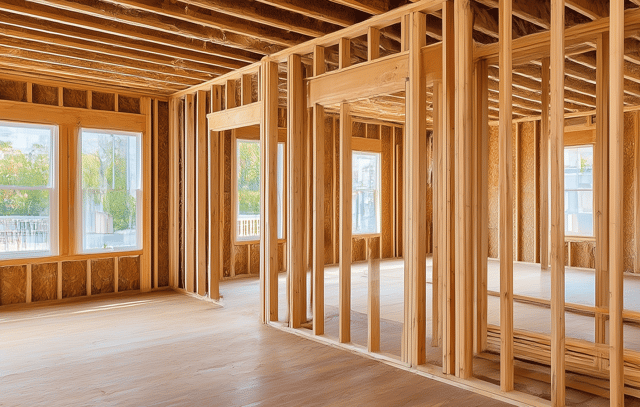
Removing a load bearing wall is not simply a matter of swinging a sledgehammer; it’s a highly technical process that must be designed and executed precisely. The wall’s purpose must be replaced by another form of structural support, usually a beam and, sometimes, supplementary columns.
Because this work directly affects your home’s stability, it should always be performed by a licensed general contractor working alongside a structural engineer. Together, they’ll evaluate your home’s framing, calculate load paths, design a replacement support system, and ensure the plan complies with local building codes. They’ll also handle the permitting process, which is required in almost every municipality for removing a load bearing wall. Attempting this without proper oversight can compromise safety, void insurance coverage, and lead to costly structural repairs later.

Where homeowners get in a pickle is trying to go with the cheapest option. Sometimes, they'll cut corners and try to take out a wall themselves, and they end up paying four times more because they needed a structural engineer to do it. The more expensive option is often cheaper in the long run because it's done right the first time.
The cost to remove a load bearing wall generally falls between $1,500 and $10,000, though large or complex projects can exceed that range. Prices vary depending on several core factors, including:
At the low end, a short load-bearing partition in a single-story home may cost just a few thousand dollars. At the high end, a multi-floor wall supporting heavy structural loads can easily top $10,000 once engineering and refinishing are included. The only way to determine your true cost is through an on-site assessment by a qualified contractor.
Compare Proposals with Ease

There’s multiple methods for load bearing wall removal — your home’s unique framing, layout, and load direction determine the safest approach. Below are five common ways professionals manage the structural transition while maintaining the integrity and aesthetics of your space.
If fully removing a wall isn’t realistic or cost-effective, design alternatives can provide a similar sense of openness while maintaining structural safety. These creative solutions minimize disruption while improving sightlines and flow.
Alternatives include:
These options can capture the breezy feeling of openness without the structural complexity — and cost — of a full wall removal.
When it comes to removing a load bearing wall, experience and precision matter as much as vision. Block Renovation makes it easy to find licensed, vetted contractors who collaborate directly with structural engineers to plan and execute your project safely.
Through our platform, you can compare quotes, review detailed scopes of work, and manage progress-based payments — all while maintaining total transparency. From the first consultation to your finished open-concept space, Block guides you every step of the way, ensuring safety, structure, and style stay perfectly balanced.
Remodel with confidence through Block

Connect to vetted local contractors
We only work with top-tier, thoroughly vetted contractors

Get expert guidance
Our project planners offer expert advice, scope review, and ongoing support as needed

Enjoy peace of mind throughout your renovation
Secure payment system puts you in control and protects your remodel


Renovate confidently with Block
Easily compare quotes from top quality contractors, and get peace of mind with warranty & price protections.
Structural Changes
Cost Info for Replacing Your Front Door and Frame
09.24.2026
Structural Changes
How to Close an Open Concept Floor Plan
07.11.2026
Structural Changes
Cost to Enlarge a Window: What to Expect and Decide
06.15.2026

Structural Changes
Minimum Hallway Width: Residential Code Guide
06.03.2026
Flooring
Subfloor Replacement Costs and Processes
05.15.2026