




Florida
Miami Condo Renovations: Upgrading Your Unit in a Changing Regulatory Landscape
04.21.2026
04.21.2026


In This Article
Miami condo owners are navigating something no other major market in the country is dealing with at the same scale. Following the 2021 Champlain Towers collapse in Surfside, Florida passed sweeping new condo safety laws that have reshaped how buildings are inspected, funded, and governed across the state. For owners in Miami-Dade and Broward, the financial and logistical implications are real and ongoing.
What this means in practice: your building may be managing required structural inspections, funding new reserves, or working through remediation items—all of which happen at the building level and are largely outside your control as a unit owner. What you do control is your unit. In a market where buyers and tenants are scrutinizing both building compliance and unit condition more carefully than ever, a well-planned renovation can meaningfully strengthen your position.
Turn your renovation vision into reality
Get matched with trusted contractors and start your renovation today!
Find a Contractor
Florida's Senate Bill 4-D, signed into law in 2022 and updated since, requires condo buildings three stories or taller to complete mandatory milestone structural inspections and Structural Integrity Reserve Studies on a defined schedule. As of early 2025, only 47.6 % of Miami-Dade condo buildings subject to the reserve study requirement had reported compliance.
The most direct financial impact on individual owners comes through special assessments—one-time charges levied by associations to fund repairs or reserve shortfalls identified through inspections. These can range from a few thousand dollars to tens of thousands per unit depending on the building's condition and history of deferred maintenance.
The key distinction: building-level compliance is the association's responsibility, not yours as a unit owner. A well-renovated unit in a compliant, financially sound building is a significantly stronger asset than the same renovation in a building with unresolved issues. Before committing to a renovation budget, request your building's most recent financial statements and any pending special assessment notices. If a large assessment is on the horizon, phasing the renovation over time is a prudent way to manage cash flow.
Miami is one of the more expensive renovation markets in the country. High labor costs, strong contractor demand, the complexity of working in multi-unit buildings, and the need for materials that hold up in South Florida's climate all push pricing above the national average. A full kitchen renovation in a Miami condo typically runs $25,000 to $55,000 depending on scope and finishes. Bathroom renovations generally range from $13,000 to $28,000 for a full primary bath update, with secondary bathrooms coming in at $7,000 to $14,000.
For vacation rental condos or units in short-term rental programs—common in Miami Beach, Brickell, and Edgewater—the upgrades that most reliably increase bookings and nightly rates differ somewhat from owner-occupied renovations and are worth thinking through separately. Durability, ease of cleaning, and strong visual presentation in photos carry more weight than they do in a long-term rental context.
Budget a contingency of at least 15 to 20 %. The combination of older building stock, coastal moisture exposure, and the possibility of discovering deferred maintenance behind walls makes surprises more likely in Miami than in newer inland markets.
A few realities shape every Miami condo renovation that are worth naming directly.
Moving plumbing is expensive and often blocked. Relocating a toilet, sink, or shower drain typically requires penetrating a concrete slab shared with the unit below. It is costly, time-consuming, and in many buildings either requires HOA board approval or is prohibited outright. Most experienced Miami contractors design condo renovations around the existing plumbing footprint from the start—and that discipline keeps projects on budget and on schedule.
Since Florida's new safety laws took effect, many associations have tightened their alteration agreements to ensure renovation work doesn't affect structural or building system components. This means that scope items which might have sailed through board review a few years ago now receive more scrutiny. Getting your scope approved before work begins—not after—is essential.
Construction timelines run longer in high-rise buildings. Restricted work hours, building elevator access, debris removal through common areas, and neighbor notification requirements all add time to a condo renovation compared to a single-family home. A realistic timeline helps manage expectations for both owner-occupants and landlords with tenants in place.
In a Miami condo, the kitchen has to look sophisticated and hold up to the climate. Humidity and heat affect materials here in ways that matter, and the space itself is rarely large—most Miami condo kitchens run 80 to 150 square feet. Working skillfully within that footprint, rather than trying to change it, is what produces the best results.
A mid-range renovation covering new cabinetry, countertops, appliances, backsplash, and lighting typically runs $22,000 to $45,000. High-end renovations with custom cabinetry and integrated appliances regularly exceed $60,000 in Miami's luxury market. A focused refresh—new countertops, updated hardware, a new backsplash, and painted or refaced cabinets—can meaningfully improve the space for $8,000 to $14,000 and is worth considering for investment properties where the existing cabinet boxes are structurally sound.

“What makes cabinets feel high‑end is often the hardware, not the doors. Hinges and drawer glides do the real work.”
Quartz countertops outperform marble and natural stone in high-humidity environments. They require no sealing, resist the moisture and bacteria that can degrade unsealed stone over time, and hold up in rental units where the kitchen sees heavy use. Marine-grade or moisture-resistant cabinet construction is worth specifying for base cabinets near the sink and dishwasher.
Terrazzo tile has made a strong comeback in renovated Miami condos and performs exceptionally well in the climate. It is cool underfoot, extremely durable, and visually distinctive—a terrazzo floor in a kitchen or main living area immediately signals a design-forward renovation. For kitchens in particular, the material's resistance to staining and moisture makes it as practical as it is good-looking.
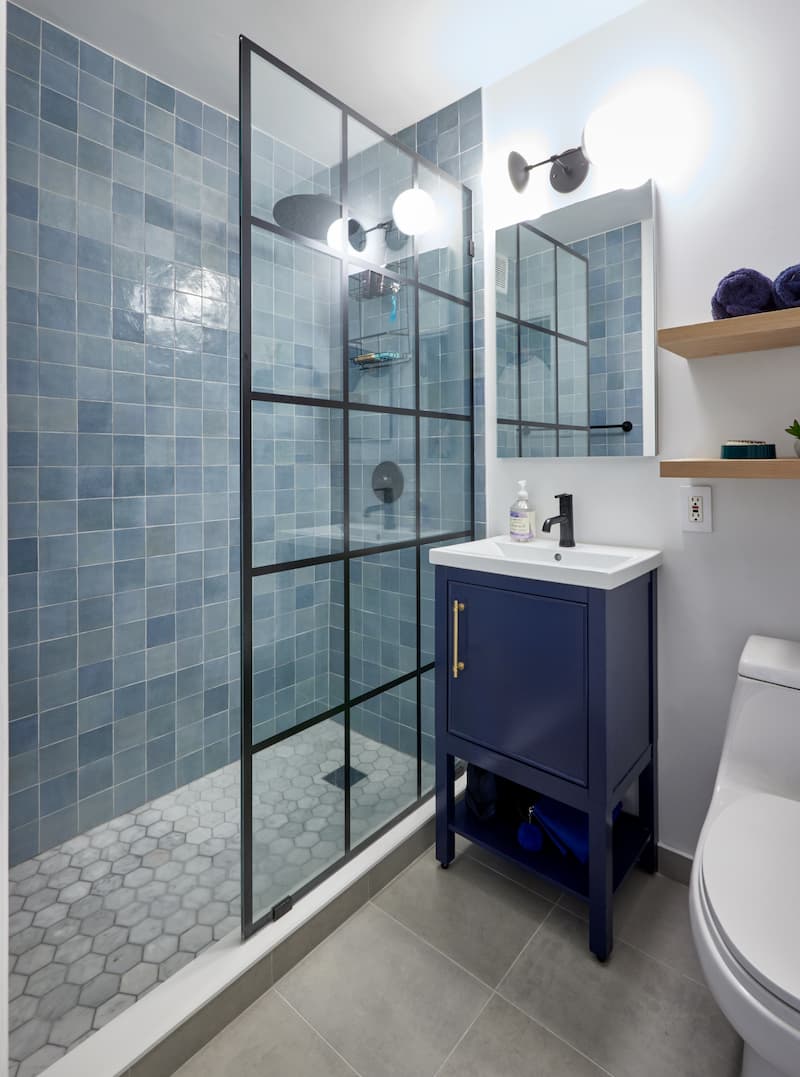
Miami condo bathrooms are often compact, and they demand a moisture-first approach to materials and waterproofing. Proper waterproofing membranes behind all shower and tub tile are non-negotiable. Exhaust fans must vent correctly to the outside, not into a ceiling cavity. Vanity materials should be rated for humid environments. These are not optional considerations in South Florida—they are the difference between a bathroom that lasts and one that fails within a few years.
A full primary bathroom renovation covering new tile, vanity, fixtures, shower enclosure, and lighting typically costs $13,000 to $28,000 in a Miami condo. Secondary bathrooms generally run $7,000 to $14,000 for a complete update. In Miami Beach's luxury market, primary bathroom renovations with custom tile and freestanding soaking tubs can reach $40,000 or more.
Large-format porcelain tile on the floor and in the shower, a floating vanity, and a frameless glass enclosure are the three upgrades that do the most work in a compact Miami condo bathroom. They visually open the space, photograph well, and align with the contemporary aesthetic that Miami buyers and tenants have come to expect. As in the kitchen, keeping the plumbing in its existing location—and investing the budget in surfaces and fixtures instead—is the approach that delivers the most visible transformation for the money.
Not sure how to begin your renovation?
Get free, expert guidance from a dedicated Block Project Planner who can help you navigate proposals, timelines, contractor selection, and more.
Book A Free Consultation
Miami has a strong design culture, and buyers and tenants here are visually attuned. A unit that feels considered and well-finished commands a premium, and that impression can be created at a range of price points if you know where to spend and where to hold back.
Faucets, cabinet hardware, light fixtures, and door handles are the details that hands touch and eyes land on constantly. Upgrading these across a unit—swapping dated brass or chrome for a cohesive matte black or brushed nickel finish—typically costs $1,500 to $3,500 and makes the entire unit feel more current. This is one of the best returns available per dollar in a Miami condo renovation, particularly for landlords refreshing a unit between tenants.
Not every surface in a Miami condo needs to be premium. Interior walls benefit from a fresh coat of high-quality paint in a sophisticated neutral—it photographs beautifully and costs a fraction of what tile or wallcovering would. Secondary closets, utility spaces, and laundry areas can use more affordable materials without affecting how the living spaces read.
Full floor-to-ceiling tile on every bathroom wall is expensive to install and can feel overwhelming in a small space. A more restrained approach—full tile in the shower or wet area, paired with a high-quality paint or limewash finish on the remaining walls—achieves a layered, designed look at lower cost and often reads as more sophisticated than wall-to-wall tile. The money saved can go toward a better-quality tile in the shower, where it matters most.
Replacing builder-grade ceiling fixtures with recessed LED downlights, adding under-cabinet lighting in the kitchen, and installing a statement pendant in the dining or living area typically costs $1,500 to $4,000 across a unit. In Miami, where natural light is abundant during the day and evening entertaining is central to the lifestyle, well-designed artificial lighting has an outsized effect on how a unit feels after dark. It is consistently one of the most cost-effective luxury signals available in a condo renovation.
A unit where every finish tells a consistent story—same hardware finish throughout, complementary tile and countertop combinations, a coherent paint palette—reads as more luxurious than a unit with inconsistent upgrades at higher individual price points. Spending time at the design stage to create a coherent material plan, rather than making decisions room by room, is the single most effective way to make a Miami condo renovation feel more expensive than it was.
Miami condo buildings, particularly older ones in Miami Beach, Brickell, and Coconut Grove, have detailed renovation guidelines governing material choices, contractor requirements, work hours, and what requires board approval. Since Florida's new safety laws took effect, many associations have tightened these requirements considerably.
Before starting any renovation, request your building's current alteration agreement and confirm which elements of your scope require board approval. For any work touching plumbing, electrical, or structural elements, a permit from Miami-Dade County is almost certainly required. An experienced Miami contractor will handle the permitting process and will know the building-specific requirements in the neighborhoods where they work.
Block Renovation connects Miami condo owners and landlords with vetted, licensed contractors who understand South Florida’s climate requirements, local permitting processes, and the specific demands of working in multi-unit residential buildings. In a market where building-level complexity is high and the cost of a poor renovation decision is significant, Block’s matching process, expert scope review, and progress-based payment protection give you a real advantage. Whether you’re renovating an owner-occupied unit or managing an investment property, Block is built to help you navigate the process with clarity and come out with a result you’re confident in.
Remodel with confidence through Block

Connect to vetted local contractors
We only work with top-tier, thoroughly vetted contractors

Get expert guidance
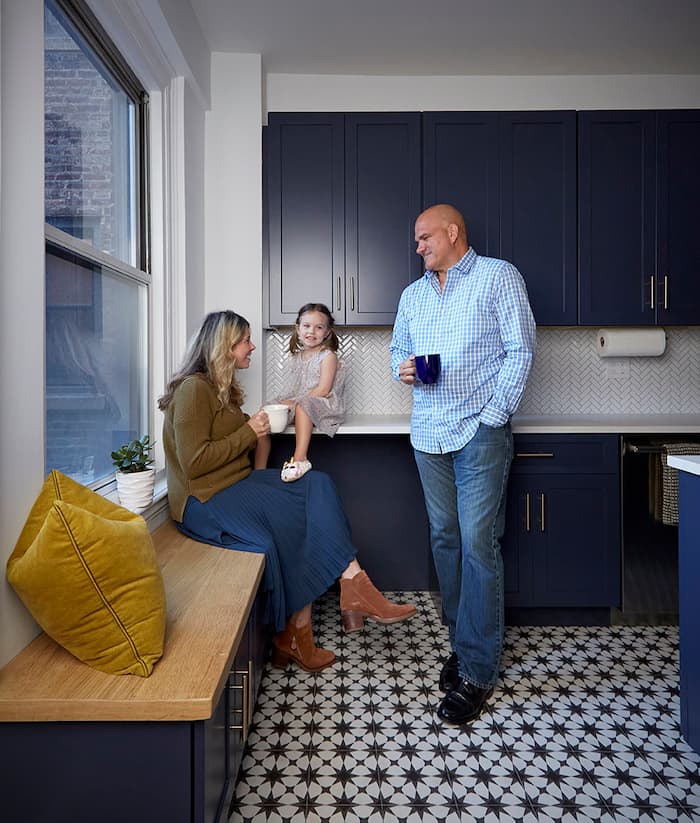
Our project planners offer expert advice, scope review, and ongoing support as needed
Enjoy peace of mind throughout your renovation
Secure payment system puts you in control and protects your remodel

Renovate confidently with Block
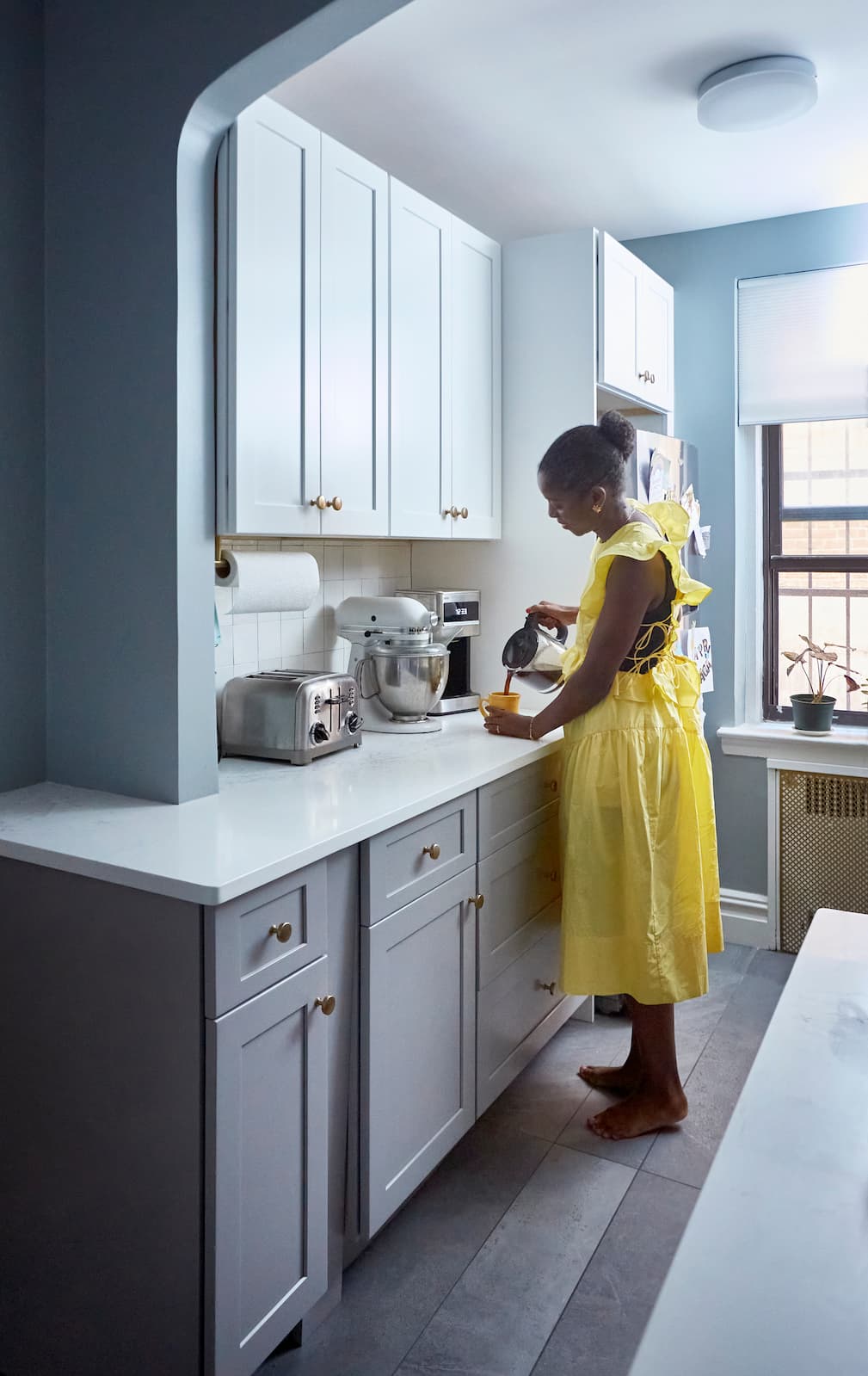
Easily compare quotes from top quality contractors, and get peace of mind with warranty & price protections.
Florida
Miami Condo Renovations: Upgrading Your Unit in a Changing Regulatory Landscape
04.21.2026

Florida
How to Renovate Your Miami Garage for Durability, Comfort, and Style
04.21.2026

Florida
Miami Deck and Patio Ideas | Pool Decks, Terraces, and Outdoor Design
04.20.2026

Florida
Miami Home Additions—Costs, Hurricane Codes, and Design Ideas
04.17.2026

Florida
How to Build a Hurricane-Proof Florida Home
04.15.2026