
07.15.2025


In This Article
Chicago’s architectural landscape is as diverse as its neighborhoods, with classic Bungalows, stately Greystones, elegant Victorian Queen Annes, and historic Workers Cottages lining the city’s streets. One thing these beloved home styles have in common? Most come with basements—an often underutilized asset in a city where real estate is valuable and every square foot counts. Whether you’re looking to expand your living space, create a cozy retreat, or add value to your home, a well-planned basement remodel can make all the difference in maximizing what your Chicago home has to offer.
Renovating a basement is no easy feat—regardless of whether you live in Brynford Park or Wheaton. There’s not only the disruption and costs of the remodeling, but also special considerations like the optimal design, permitting requirements, and more. Block Renovation will gladly introduce you to well-qualified Chicago contractors who have in-depth experience renovating basements similar to yours. However, below is a handy guide to help you get started planning.
Compare Proposals with Ease

Don’t Even Consider Renovating Until Your Chicago Basement is Waterproofed
Before you dream up new layouts or pick out finishes, it’s crucial to address one of the most common issues in Chicago basements: moisture. The city’s climate, combined with older construction methods, means many basements are prone to leaks, seepage, or even flooding.
Proper waterproofing—such as installing sump pumps, interior or exterior drain tiles, vapor barriers, and sealing foundation cracks—protects your investment and ensures your new basement remains dry, healthy, and comfortable year-round. Skipping this step can lead to costly repairs down the line, so make waterproofing your top priority before any renovation begins.
Click here to learn more about basement waterproofing options
Construction & Design Tips for Your Chicago Basement
Invest in Quality Insulation for The Harsh Chicago Winters
Chicago winters are no joke, and basements—being partially or fully below ground—are particularly susceptible to cold drafts and fluctuating temperatures. Without proper insulation, your basement can quickly become the chilliest part of your home, making it uncomfortable for everyday living, entertaining, or even storage. Effective basement insulation starts with choosing the right materials, such as rigid foam boards or closed-cell spray foam, which provide a strong barrier against the cold and help seal out moisture.
It’s also important to address any gaps or cracks around windows, doors, and the rim joist, as these are common sources of heat loss. In some cases, insulating the basement ceiling and floor can further enhance comfort, especially if you plan to use the space as a bedroom or family room. Beyond just keeping your Chicago basement warm, quality insulation improves your home’s overall energy efficiency, reduces heating costs, and helps prevent condensation and moisture buildup that can lead to mold or structural issues.
Canned or Track Lights
Lighting is a game-changer in any basement remodel, especially in homes where natural sunlight is often limited below grade. Canned lights or track lighting are excellent choices for basements, as they provide even, unobtrusive illumination without taking up valuable headroom. These fixtures can be strategically placed to highlight different zones—like a media area, playroom, or workspace—making your basement feel bright and functional.
Choose Adjustable Lighting
Since basements typically lack abundant natural light, incorporating adjustable lighting is essential for creating a comfortable and versatile space. Dimmable fixtures or smart bulbs let you easily tailor the ambiance to suit any activity, whether you’re hosting a movie night, working from home, or helping with homework. This flexibility ensures your basement always feels just right, no matter how you use it.
Go Lighter When Choosing Your Color Scheme
When planning your basement remodel, it’s wise to select a color palette that works with the unique lighting challenges of below-grade spaces. Lighter, more reflective wall colors—such as soft whites, pale grays, and gentle pastels—are especially effective in basements, as they help amplify both natural and artificial light. By bouncing light around the room, these shades can make even a windowless basement feel more spacious, open, and welcoming. In contrast, darker colors tend to absorb light and can make the space feel smaller or more enclosed. Thoughtful color selection is a simple yet powerful way to transform your basement into a bright, inviting extension of your home. To make your life easier, use our free AI tools to visualize how your new basement could look.
Get matched with Block-vetted Chicago contractors

Mark
MRCR DBA Quality Contracting

Ion
Art Deco Enterprises

Alberto
XP Contractors Inc

Isli
SABI Construction USA Inc

Sanuar
A Better Plus Construction Inc

Sara and Ernesto
American Precision Developers LLC

Mladen
Petarson Renovations

Elias
Big Foot Contracting

Steven
Terranova Construction

Gad
Golden State Designs

Leonardo
Andes Project Contractor Corporation

Juan
Fancy Construction

Joseph and Anca
QB Construction Inc

Piotr
Peter Renovations Inc

Harold
AAA Construction Services, LLC
Address Ventilation to Prevent Musty Odors
Proper ventilation is essential in any Chicago basement remodel, as below-grade spaces are especially prone to humidity and stale air. Without adequate airflow, basements can quickly develop musty odors or even mold, making the space less inviting and potentially unhealthy. Consider installing mechanical ventilation systems, such as energy recovery ventilators (ERVs) or exhaust fans, to keep fresh air circulating. Additionally, using dehumidifiers and ensuring that vents and windows are unobstructed can help maintain a comfortable, odor-free environment year-round.
Highlight Architectural Features Like Exposed Brick or Beams
Many Chicago basements hide beautiful architectural details just waiting to be revealed. Exposed brick walls, original beams, or stone foundations can add character and a sense of history to your remodeled space. Instead of covering these features, consider showcasing them as focal points—cleaning and sealing brick, staining beams, or using accent lighting to draw attention. Embracing these authentic elements not only honors your home’s heritage but also creates a unique, visually interesting basement that feels truly one-of-a-kind.
Add a Laundry Area for Extra Functionality
Incorporating a laundry area into your basement remodel is a practical way to maximize the space and streamline your daily routine. Whether you opt for a dedicated laundry room or a compact nook with stackable appliances, thoughtful planning can make laundry day much more convenient. Include plenty of storage for detergents and supplies, as well as counter space for folding and sorting. With the right design, your basement laundry area can be both efficient and surprisingly stylish, freeing up valuable space elsewhere in your home.
Learn more about the cost of building a laundry room
Anticipating Permitting Needs For Your Chicago Basement
Remodeling a basement in Chicago means navigating a range of permits, each designed to ensure your project is safe and up to code. A Standard Renovation Permit is required for any framing, structural work, or major changes to the space. If you’re adding or relocating plumbing fixtures, you’ll need a Plumbing Permit, while new lighting, outlets, or circuits require an Electrical Permit. For any new ductwork or HVAC systems, an HVAC Permit is necessary. Adding a bedroom means you must secure Egress Window Approval, and if you’re converting your basement into a legal rental unit (an ADU), you’ll need an ADU Permit as well.
While your Chicago contractor will handle the permitting process on your behalf, it’s helpful to understand that these requirements can extend your project timeline. Being prepared for this step helps set realistic expectations and ensures your renovation moves forward smoothly.
Design a Home That’s Uniquely Yours
Block can help you achieve your renovation goals and bring your dream remodel to life with price assurance and expert support.
Get Started
What to Expect From Your Basement Renovation
Every basement renovation in Chicago is unique, but most projects follow a similar trajectory. The process begins with an initial consultation and assessment, where you and your contractor discuss your goals, budget, and the current condition of your basement. Next comes the design phase, where floor plans are drawn up, finishes are selected, and any necessary engineering or architectural plans are created. Once permits are secured, construction begins—starting with waterproofing, insulation, and any structural work, followed by framing, electrical, plumbing, and HVAC installation.
After the core systems are in place, the focus shifts to drywall, flooring, and finishes like cabinetry, lighting, and paint. Throughout the process, regular inspections ensure everything meets Chicago’s building codes and safety standards. The final step is a thorough walkthrough with your contractor to address any last details and ensure your new basement is ready for you to enjoy. With the right team and a clear plan, your basement remodel can be a smooth, rewarding experience that adds lasting value and comfort to your home.
How Much is the Average Basement Renovation in Chicago?
The cost of a basement renovation in Chicago can vary significantly based on the size of your space, the complexity of the project, and the finishes you select. On average, most homeowners invest between $40,000 and $100,000 for a comprehensive basement remodel, with costs rising if you add features like a bathroom, kitchenette, or legal rental unit. While it’s a substantial investment, a thoughtfully finished basement not only expands your living space but can also increase your home’s value and overall enjoyment. Setting a clear budget and working with an experienced contractor from the start helps you make informed choices and avoid unexpected expenses along the way.
How Long Do Basement Renovations Take?
A typical basement renovation in Chicago takes anywhere from 8 to 16 weeks, depending on the scope of work and the permitting process. Projects that involve structural changes, custom features, or significant plumbing and electrical upgrades may require additional time. It’s also important to factor in the design phase, permit approvals, and any surprises that can come with renovating older homes. By partnering with a knowledgeable contractor and keeping communication open, you’ll be better prepared for each stage and can look forward to a smooth, well-managed renovation journey.
Follow the Lead of This Real Chicago Basement Remodel
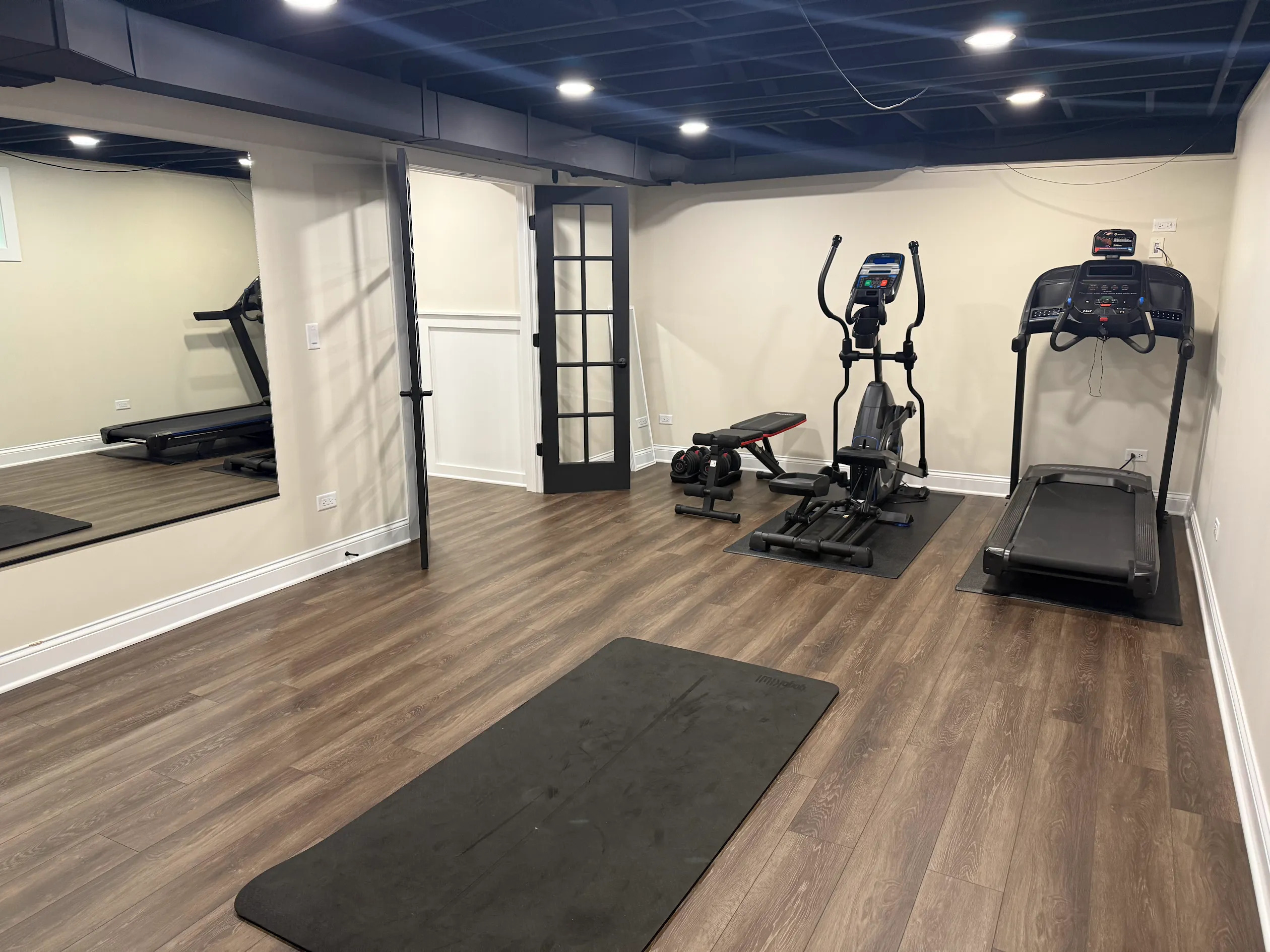
In this Grayslake basement remodel, Total Home Improvement and Repair LLC turned an unfinished Chicago basement into space that could function much more like another level of the home. The project includes a kitchen, a bathroom with a walk-in shower, a theater area, and a home gym. One detail worth borrowing is the ceiling treatment: the main living areas have a fully finished ceiling, while the gym leaves the structure exposed and paints it instead.
One valuable lesson? A basement does not need the same finish strategy from wall to wall, especially when different rooms serve very different purposes.
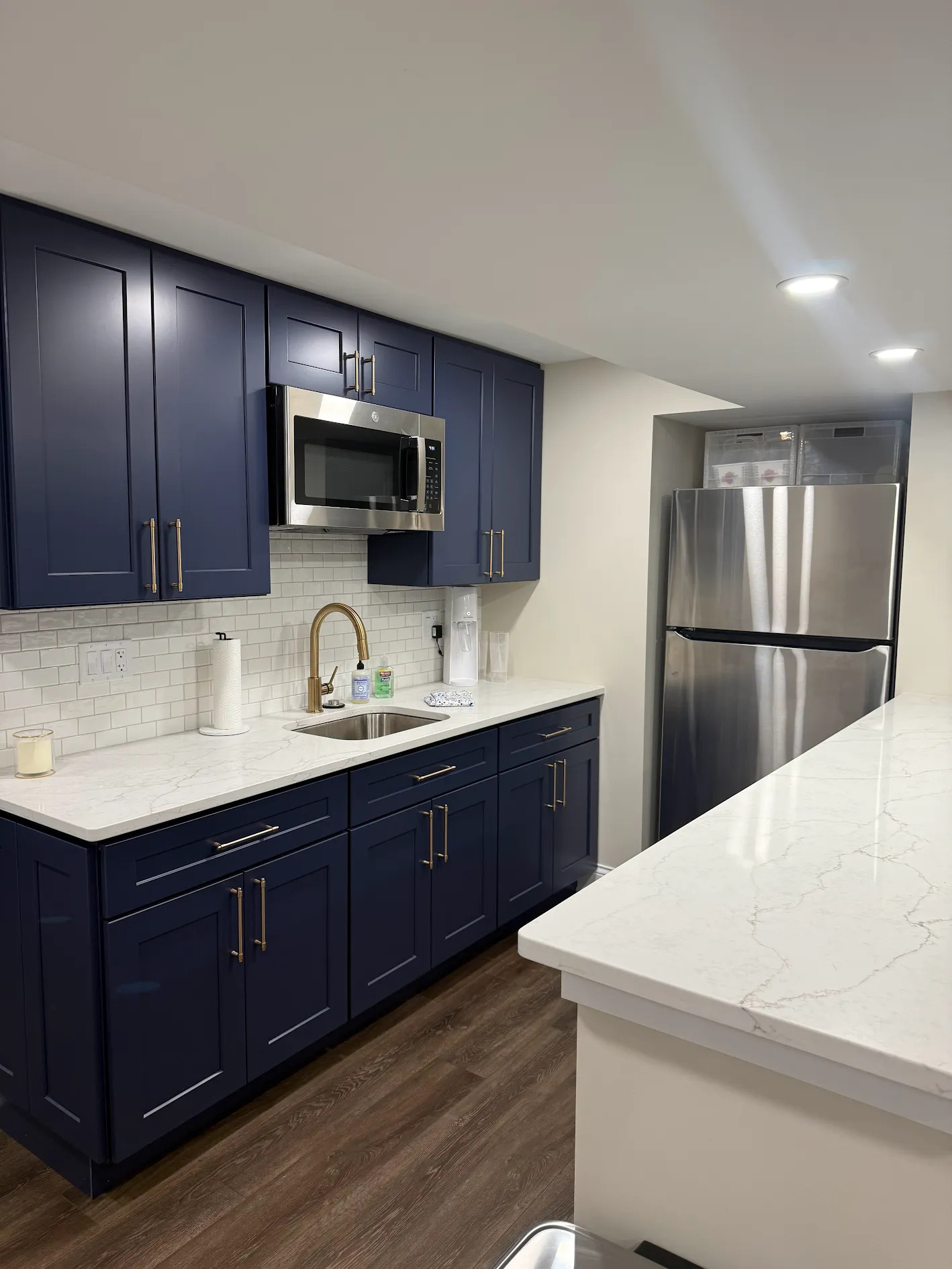
The kitchen and full bathroom also show what needs to be decided early if you want a basement to operate as finished living quarters instead of simply adding a rec room. Plumbing locations, ventilation, electrical needs, and the layout of the rooms all affect what can be built and how much disruption is involved.
How Block Renovation Can Help Your Basement Renovation
We Work With Chicago’s Best Contractors
Block Renovation partners with a select network of Chicago’s most reliable and experienced basement remodeling contractors. Each contractor is thoroughly vetted for quality, professionalism, and a proven track record of successful projects in the city’s unique homes. We match you with the right expert for your specific needs, whether you own a classic Bungalow, Greystone, or Victorian. This ensures your renovation is handled by someone who understands both the architecture and the local permitting landscape.
Find additional guidance for Chicago home renovations
Renovation Consultants and Block Protection Give Added Peace of Mind
Block Protection is designed to safeguard your investment, offering clear, detailed scopes of work, secure payment systems, and progress-based contractor payments—so you only pay as your basement project moves forward. Throughout the process, you’ll receive transparent communication and regular updates, ensuring you always know exactly where your basement renovation stands. With this level of support, you can approach your basement remodel with confidence, knowing both your home and your budget are in trusted hands.
We Can Pair You With Licensed Interior Designers
Design is at the heart of every successful basement remodel, and Block can connect you with licensed interior designers who specialize in Chicago homes. These professionals help you make the most of your space, offering creative solutions for layout, lighting, and finishes that reflect your style and needs. Whether you’re aiming for a modern retreat or a space that honors your home’s historic character, our designers bring your vision to life. With expert guidance, you’ll feel empowered to make choices you love—resulting in a basement that’s both beautiful and functional.
Learn about our Design Services
Ready to start your basement remodeling journey in Chicago? Connect with Block Renovation to discover how we can help you transform your space with confidence, clarity, and care.


Renovate confidently with Block
Easily compare quotes from top quality contractors, and get peace of mind with warranty & price protections.



