



Outdoor Spaces
Deck Remodeling: Costs, Materials, and Structure
08.09.2026
04.30.2026


In This Article
There's a reason exterior paint quotes vary so wildly. Ask three painters to price the same house and you might get numbers that differ by several thousand dollars, all of them technically justifiable. Surface condition, material type, prep approach, paint quality: each one moves the number in ways that aren't obvious until you understand what you're actually paying for.
For most single-family homes, repainting a house exterior runs between $3,000 and $12,000, with the national average landing around $4,000 to $6,000. A small ranch in decent shape sits at the low end. A two-story with peeling paint, elaborate trim, and cedar siding that hasn't been touched in fifteen years sits somewhere else entirely.
The $3,000 to $12,000 range above is a useful starting point, but actual projects show how much the scope of the exterior matters. These four home-painting projects range from $4,000 to $16,385.
| Project | Location | Cost |
|---|---|---|
| Exterior Paint | New Bern, NC | $4,000 |
| Residential House Painting | White Salmon, WA | $7,575 |
| Residential House Painting | Carson, WA | $10,400 |
| Hood River House Painting | Hood River, OR | $16,385 |
The sampling not only covers a broad geographic range, but also diverse project scopes. On one hand, the New Bern project covered 1,100 square feet and took one week, while the Hood River project involved a three-story house and took double the time.
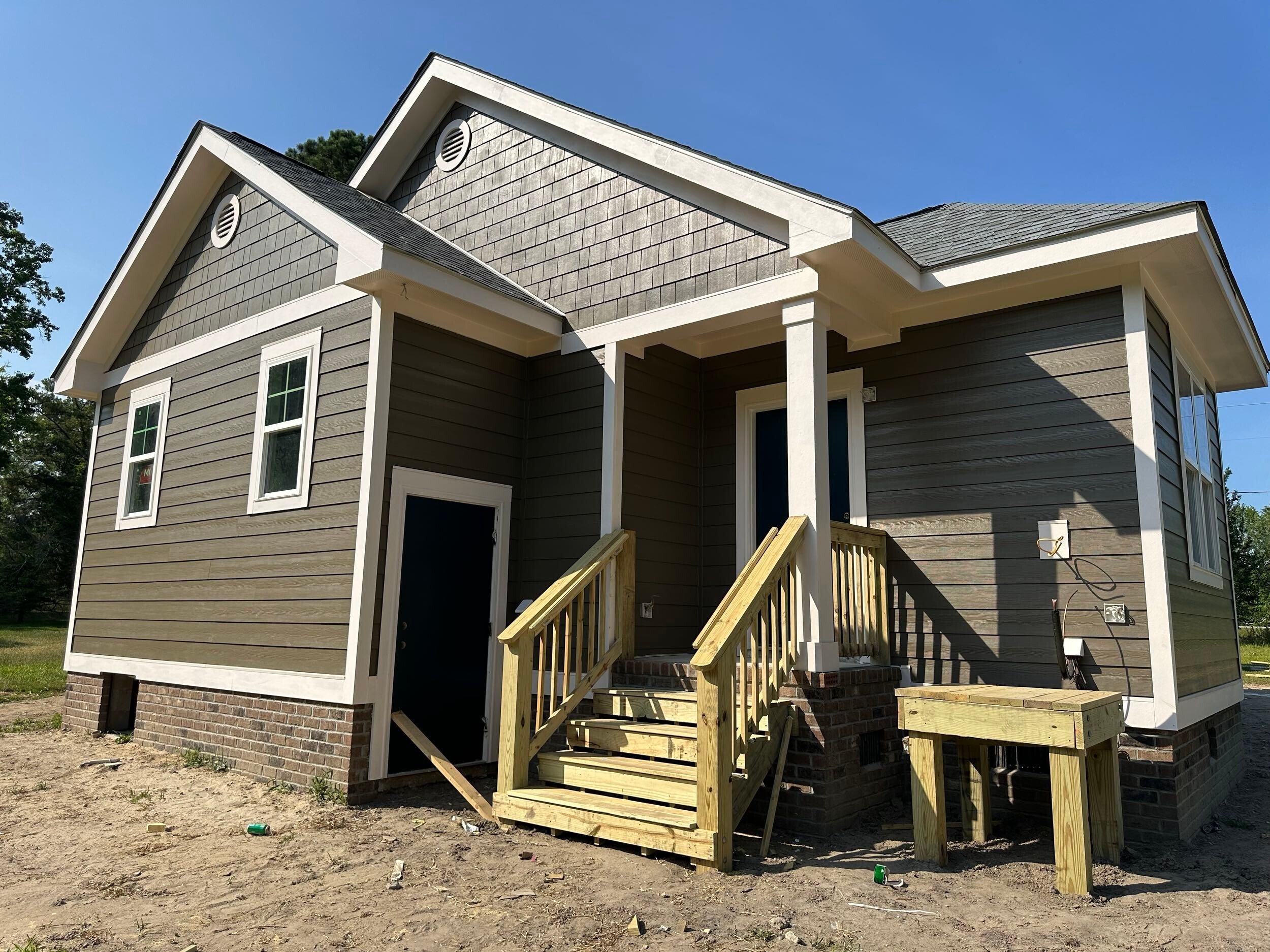
The $4,000 New Bern project from Fenix Opportunities is the more straightforward of the two standout examples. The 1,100-square-foot exterior received surface preparation and caulking followed by primer and two acrylic topcoats on the fiber-cement siding. The painting also extended to the fascia, soffits, porch columns, and railings.
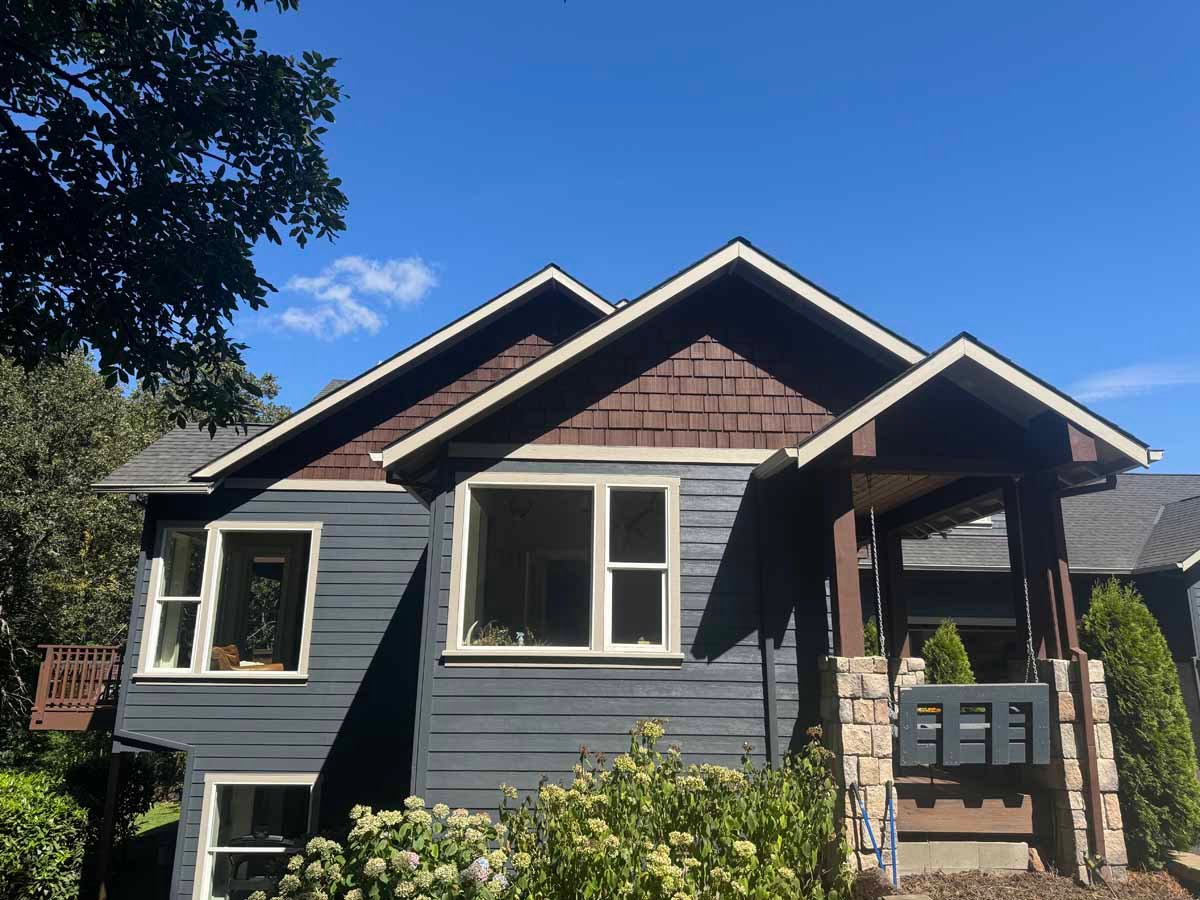
The $16,385 Hood River project from Gorge Enterprises, sits at the other end of the spectrum. Painting was layered into a broader exterior refresh rather than treated as the only improvement. On the painting side alone, the three-story home received two fresh coats, while weathered sections of cedar shingles were handled separately with stain.
There's a practical lesson here if you're already planning other exterior improvements. Paint is often one of the final steps, so it can be worth having the same broader project account for the surfaces that will need painting or staining once the other work is complete.
Painters price home exterior repaints a few different ways:
Hourly rate is one of the least useful numbers when comparing quotes. A painter charging $80 an hour with a two-person crew who finishes in three days may cost you considerably less than one charging $50 an hour who takes two weeks. Total project cost and projected timeline matter far more than the hourly figure. Ask both questions together, not separately.
Larger homes cost more to paint. But height adds cost in a way that square footage alone doesn't capture. A two-story home requires ladders or scaffolding, which slows the crew and adds labor time. If scaffolding is required rather than ladders, budget for it as a separate line item. Depending on the home's profile, it can add $500 to $2,000 or more to the total. It's one of those line items that surprises people until they've watched a crew spend half a morning just getting set up.
What your home is clad in affects prep requirements, paint absorption, and how long the job takes. It also determines how forgiving the material is when a painter cuts corners, which varies more than most homeowners realize.
This is where quotes diverge most, and where homeowners are most likely to be caught off guard. A home with sound, clean siding in good condition requires far less prep than one with peeling paint, water damage, rot, or failing caulk. When a painter walks your property before quoting, they're not admiring the landscaping. They're calculating how many hours of prep work are standing between them and a paintbrush.
Common prep-related costs that can add to the base quote:
Paint is not a place to let a painter cut costs on your behalf. Exterior paint quality varies significantly, and the difference between a budget product and a premium one shows up in coverage, durability, and how well it holds color over time. Premium exterior paints from manufacturers like Sherwin-Williams or Benjamin Moore typically run $60 to $100 or more per gallon. Budget paints can be half that.
What that price difference actually buys you is resin quality and pigment load. Higher-end paints use 100% acrylic resins that flex with temperature changes rather than cracking, and they carry more pigment per gallon, which means better coverage and truer color retention over years of sun exposure. A quality exterior paint applied correctly will routinely outlast a cheaper product by five years or more, which matters considerably on a surface that costs thousands of dollars in labor to repaint. Spending an extra $300 to $500 on better paint on a project that costs $6,000 in labor is almost always the right call.
Ask your painter what product they're planning to use and look it up. If they're vague or can't give you a straight answer, that tells you something about how they approach the rest of the job too.
A single body color with simple trim is the least expensive scenario. Every additional color adds time, particularly where colors meet, because edges require care and often tape. Homes with elaborate trim, shutters, multiple gable details, or decorative elements take considerably longer than a straightforward box. If your home has a lot of architectural detail, it will show up in the quote, and it should.
Labor rates for exterior painters vary meaningfully by market. In high cost-of-living cities like New York, San Francisco, or Boston, expect to pay at the upper end of every range here. In smaller metros and rural areas, rates tend to be lower, though material costs are relatively consistent nationwide.
Exterior painting is weather-dependent. Most painters won't apply paint in temperatures below 50 degrees or in wet conditions, which limits the working window in colder climates. Spring and early fall tend to be the busiest seasons. Scheduling a project in late fall, when contractors have more availability, can work in your favor on both price and timeline. In climates like the Southeast or Southwest, where mild weather extends much of the year, the seasonal pricing dynamic is less pronounced, but summer heat introduces its own complications: paint applied in direct sun above 90 degrees can dry too quickly, compromising adhesion and finish quality. In those regions, experienced painters often schedule work for early morning and wrap by early afternoon during peak summer months. If your painter doesn't mention any of this when discussing timing, it's worth asking.
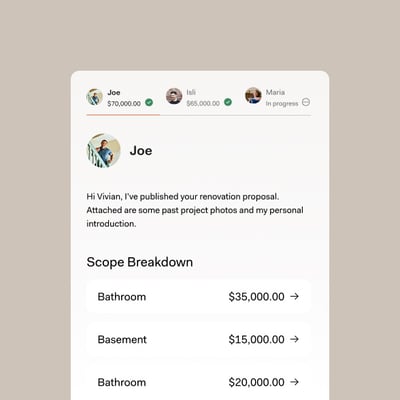
Compare Proposals with Ease
Blistering, peeling, and premature fading almost never happen because of the paint itself. They happen because the surface wasn't properly cleaned, sanded, primed, or given adequate drying time before anyone picked up a brush. A painter who rushes prep to get to the application faster is handing you a problem that shows up in two or three years instead of ten. The paint gets the blame but the prep made the decision.
When you're getting quotes, ask each painter specifically what their prep process looks like. A thorough exterior repaint typically includes:
A painter who can't walk you through this process clearly is telling you they either don't do it or don't think it matters. Both are worth knowing before you sign anything.
Getting multiple quotes for repainting your house exterior is standard advice, and it's good advice, but only if you're comparing the right things. A lower number isn't automatically better if it reflects fewer coats, cheaper paint, or prep work that exists only on paper.
When quotes come in, a few things are worth scrutinizing beyond the total:
Three quotes is a reasonable minimum. It gives you a baseline for what's reasonable in your market and makes outliers on either end much easier to spot.
Block Renovation connects homeowners with thoroughly vetted, experienced contractors who handle projects like this regularly. Every contractor in the Block network has been background-checked, license-verified, and reviewed for workmanship quality before they appear in your results.
Remodel with confidence through Block
Connect to vetted local contractors
We only work with top-tier, thoroughly vetted contractors

Get expert guidance
Our project planners offer expert advice, scope review, and ongoing support as needed
Enjoy peace of mind throughout your renovation
Secure payment system puts you in control and protects your remodel

Renovate confidently with Block
Easily compare quotes from top quality contractors, and get peace of mind with warranty & price protections.
Outdoor Spaces
Deck Remodeling: Costs, Materials, and Structure
08.09.2026
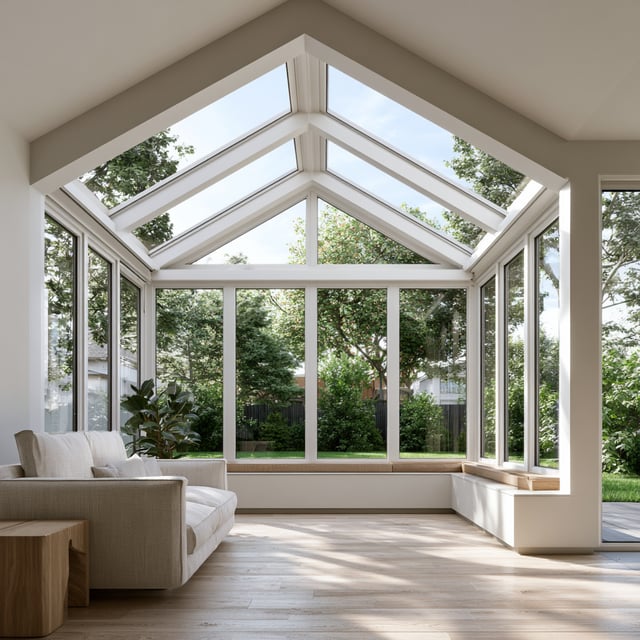
Outdoor Spaces
Sunroom Roof and Glass Types: Finding the Right Style
07.13.2026

Outdoor Spaces
Porch to Mudroom Conversion: Cost and Surprises
06.09.2026
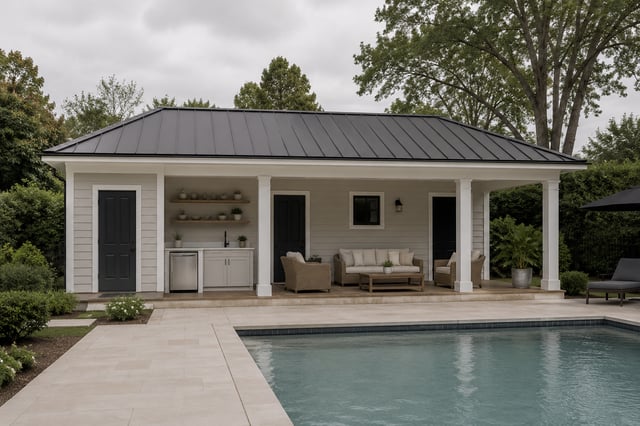
Outdoor Spaces
Building a Pool House: Costs & Design Tips
05.21.2026
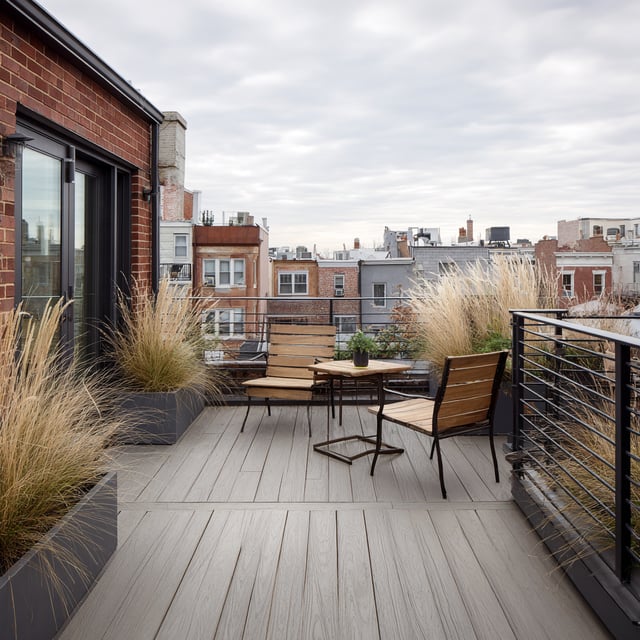
Outdoor Spaces
Building a Rooftop Deck: Costs, Structure & Decisions
05.18.2026