




Florida
Renovating in an Orlando HOA: What to Know First
06.26.2026
04.10.2026


In This Article
Remodeling an apartment in Miami is a different proposition than renovating a single-family home. You’re working within someone else’s building—subject to association rules, shared walls, elevator access for materials, and construction hour restrictions that can add days or weeks to a project.
But those constraints don’t mean Miami apartment remodels can’t be done well or cost-effectively. They mean you need to plan differently.
Miami’s apartment landscape is unusually diverse, and the type of building you live in has a direct impact on what your remodel will cost and how long it will take.
In areas like Brickell, Downtown, and Edgewater, you’ll find modern glass high-rises built in the 2000s and 2010s. These buildings tend to have concrete construction, relatively open floor plans, and updated building systems. Remodeling in these units is often more about finishes and personalization than structural work—but the associations can be strict about contractor requirements and work schedules.
In mid-beach areas like Surfside and Bal Harbour, and along the Aventura corridor, you’ll find a mix of 1970s and 1980s mid-rise condos alongside newer luxury towers. Older mid-rises often have smaller units with dated layouts, original plumbing, and electrical panels that may need upgrading. These buildings are where renovation surprises—hidden water damage, asbestos in floor adhesive, inadequate wiring—are most likely to surface.
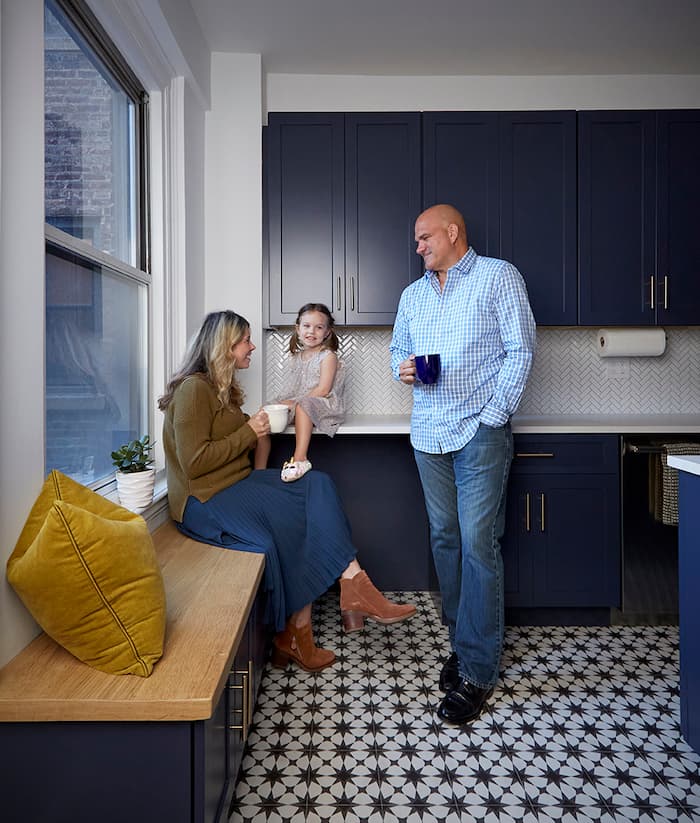
Coral Gables and Coconut Grove have a blend of low-rise garden-style apartments and boutique buildings, some with more character and architectural detail than the typical Miami high-rise. South Beach has its own category entirely: Art Deco and MiMo (Miami Modern) buildings from the 1930s through 1960s, many of which are in historic districts with additional renovation restrictions.
Understanding where your building fits in this spectrum helps you anticipate costs, timeline, and the approval process you’ll need to navigate.
Costs depend on project scope, building age, material selections, and Miami’s local labor rates. Here’s a realistic breakdown based on the types of apartment renovation projects most common in the area.
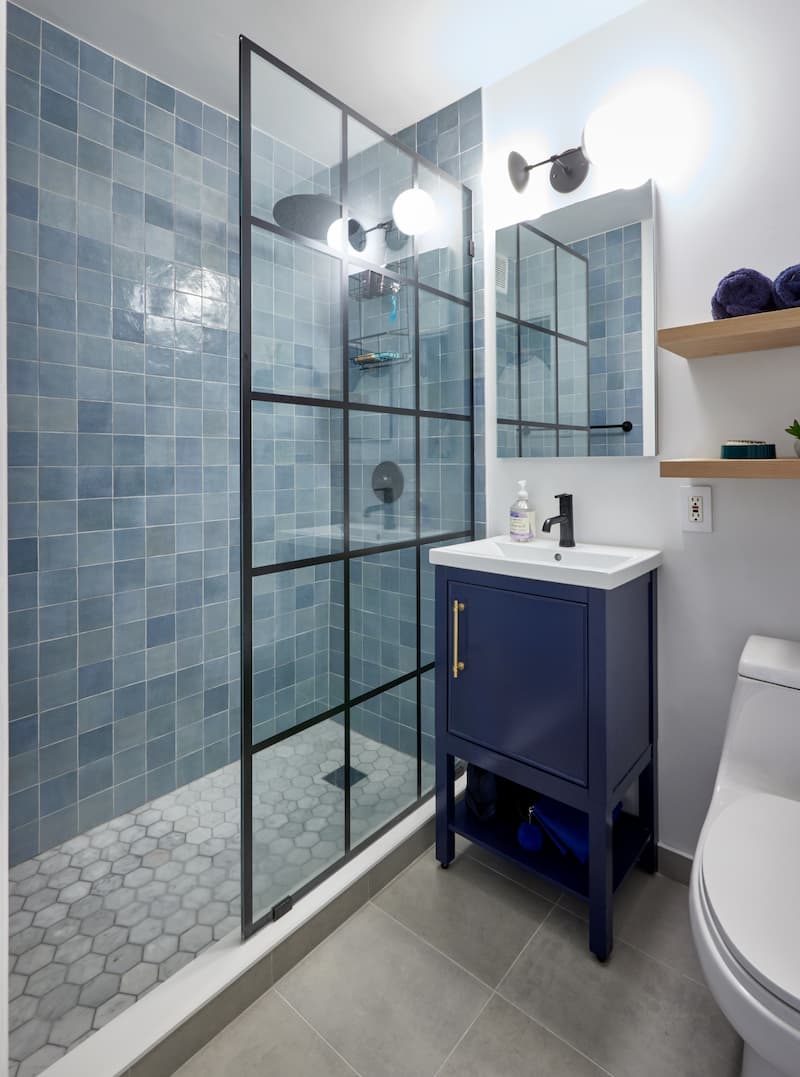
Kitchen and bathroom remodels are the most common apartment renovation projects, and they’re where costs per square foot tend to be highest—because they involve plumbing, electrical, and often tile work.
|
Project type |
Typical Miami range |
Key cost drivers |
|
Bathroom remodel |
$18,000 – $45,000 |
Tile scope, plumbing changes, fixture quality |
|
Kitchen remodel |
$25,000 – $65,000 |
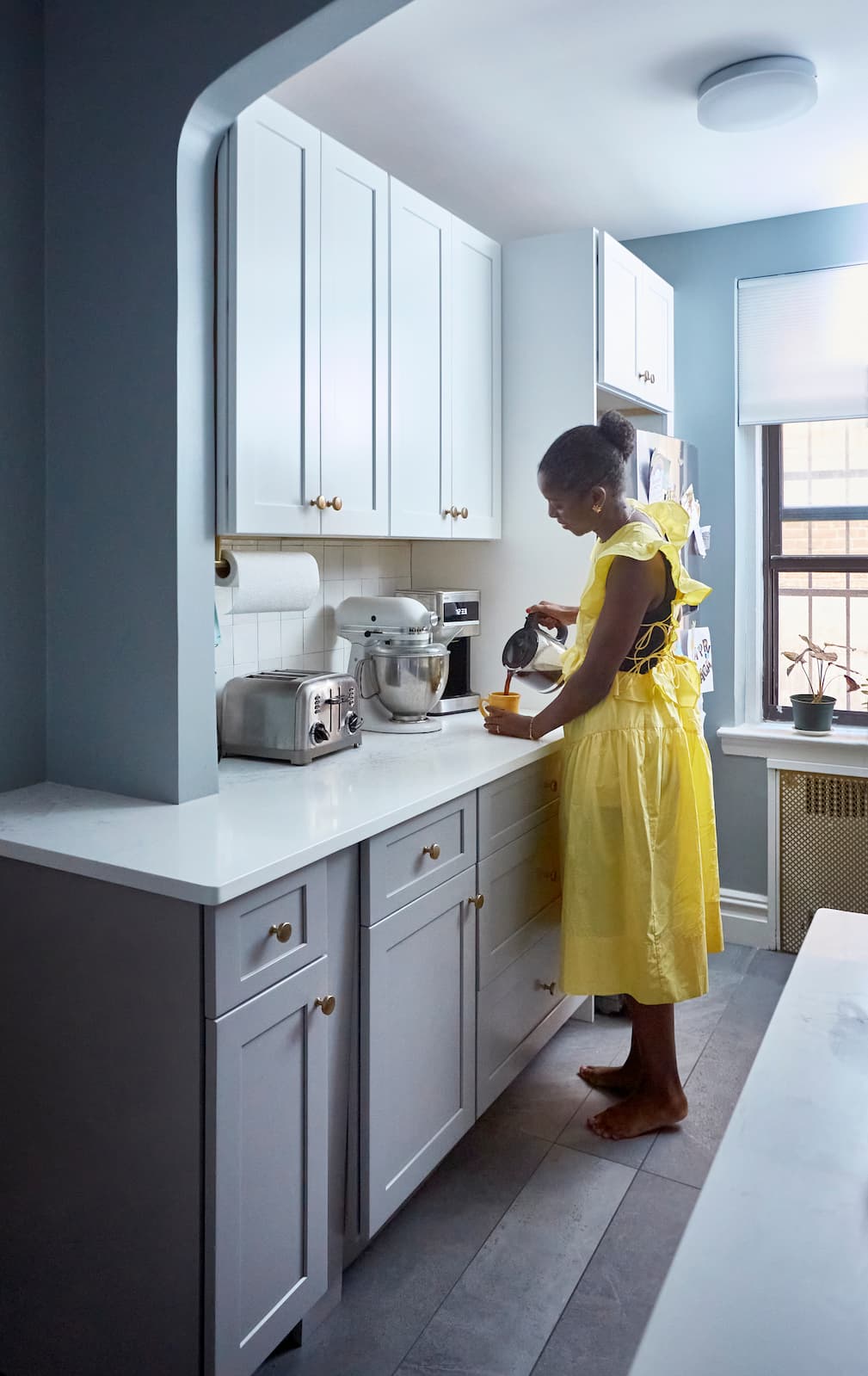
Cabinetry, countertops, appliances, layout changes |
|
Living/bedroom refresh |
$5,000 – $15,000 |
Flooring, paint, lighting, built-ins |
These ranges reflect mid-range to upper-mid-range finishes in the Miami market. High-end renovations—custom cabinetry, premium stone, imported fixtures—can push costs well beyond the upper end. Kitchens tend to be the biggest line item; kitchen remodeling costs in Miami typically account for 30–40% of a full-apartment renovation budget. For more clarity, look to real pricing data for Miami kitchen projects.
A complete apartment remodel—updating the kitchen, one or two bathrooms, flooring throughout, lighting, and possibly reconfiguring the layout—typically runs $75,000 to $200,000+ for a standard two-bedroom Miami apartment.
The wide range reflects the enormous impact that material choices and layout changes have on the total. A renovation that keeps walls and plumbing in place and uses stock materials will land closer to the lower end. One that involves structural changes, custom millwork, and premium finishes will climb from there. Overall renovation costs in Miami have trended upward in recent years, driven by strong demand and rising labor rates across South Florida.
Miami apartment renovations come with logistical costs that don’t exist in single-family homes. Most buildings charge construction deposits—often $5,000 to $10,000, refundable after a final inspection—and some charge daily or monthly fees for elevator use during renovations.
Material deliveries may need to happen during specific windows, and debris removal usually requires coordination with building management. In Miami’s high-rises, especially in Brickell and Downtown, freight elevator scheduling can become a bottleneck if multiple units are renovating simultaneously.
Budget $2,000 to $5,000 for building-related logistics on top of your construction costs.
Moving a sink, adding a dishwasher where there wasn’t one, or relocating electrical outlets are among the most expensive changes in a Miami apartment remodel. They require licensed tradespeople, permits through Miami-Dade County, and often the involvement of the building’s management company for approval.
When possible, keeping plumbing and electrical in their existing locations is the most effective way to manage costs.
This is the area where homeowners have the most control over their budget. The difference between stock cabinetry and custom millwork can be $15,000 or more in a kitchen. Porcelain tile at $4 per square foot versus natural marble at $25 per square foot changes the materials line on a bathroom remodel by thousands.
Miami’s climate also influences which materials are worth spending on. For example, Humidity-resistant options—porcelain over natural stone, quartz over marble, epoxy grout over cement grout—tend to hold up better long-term in South Florida apartments where AC runs constantly and moisture levels stay elevated.
Flooring is another area where Miami’s conditions matter. Luxury vinyl plank has become increasingly popular in Miami apartments because it handles humidity well, absorbs sound (helpful in multi-unit buildings with STC requirements), and can mimic the look of hardwood without the warping risk. Porcelain tile remains the most durable option, though it’s pricier to install.
Older Miami apartments—particularly those built before the mid-1980s in neighborhoods like South Beach, the Roads, and upper Coral Gables—can harbor surprises once walls come down. Outdated plumbing, insufficient electrical capacity, asbestos in flooring adhesive or pipe insulation, and water damage from slow leaks are all common.
A thorough pre-renovation walkthrough with your contractor can catch some of these issues, but others only become apparent during demolition. That’s why a contingency budget of 15–20% is especially important in older Miami buildings.
Timeline expectations should account for three phases: pre-construction (planning, design, permitting, and board approval), active construction, and closeout (punch list, inspections, final walkthrough).
This phase is often longer than Miami homeowners expect. Condo board approvals can take two to six weeks depending on the building’s review process and meeting schedule. Some of Miami’s larger associations only hold monthly board meetings, which can push your start date back if you miss a submission deadline.
Permit processing through Miami-Dade County adds additional time. Design decisions, material ordering, and contractor scheduling all happen in parallel, but lead times for custom cabinetry, imported tile, and specialty fixtures can stretch this phase further.
Once work begins, duration depends on scope:
|
Project scope |
Typical construction duration |
|
Single bathroom remodel |
4 – 8 weeks |
|
Kitchen remodel |
6 – 12 weeks |
|
Kitchen + 1 bathroom |
8 – 14 weeks |
|
Full-apartment renovation |
12 – 24 weeks |
These ranges assume materials are ordered and delivered on time. Backordered items—particularly appliances and custom cabinetry—are one of the most common sources of construction delays in Miami apartment projects.
Restricted construction hours are the most common timeline extender in Miami apartment buildings. If your building limits work to weekday business hours, a project that would take six weeks with full-day access could stretch to eight or nine.
Hurricane season (June through November) can also cause interruptions. While construction doesn’t stop for the entire season, active storms may cause work stoppages, material delivery delays, and permit office closures. If you’re planning a Miami apartment remodel during these months, build a few extra buffer days into your schedule.
Permit inspections through Miami-Dade County can also introduce waiting periods, and any unforeseen conditions discovered during demolition will add both time and cost.
A good framework: allocate roughly 50–60% of your budget to labor and 30–40% to materials, with 10–20% held in contingency. For Miami apartment remodels specifically, remember to include building deposits, permit fees, and any association-required documentation (like engineering reports or noise testing) in your overall budget.
Common financing options for Miami apartment renovations include home equity lines of credit (HELOCs), home equity loans, and personal loans. If you’ve built equity in your unit, a HELOC is often the most flexible option because you draw funds as needed rather than taking a lump sum.
Interest on home equity products may be tax-deductible when the funds are used for home improvements—check with your tax advisor to confirm.
One Miami-specific budgeting note: labor rates in South Florida tend to run higher than the national average, partly due to strong demand and partly because of the specialized skills required for condo work. Miami’s construction market has remained competitive in recent years, with numerous new developments and renovation projects keeping contractors busy. Getting multiple quotes—ideally three or more—is the best way to benchmark pricing for your specific project.
Apartment renovations in Miami require a contractor who understands condominium-specific logistics—board approval processes, building access protocols, noise restrictions, and the coordination required when you’re renovating inside a shared structure.
Block Renovation matches homeowners with Miami contractors who’ve been screened for licensing, insurance, workmanship quality, and relevant project experience. For apartment remodels, that means connecting you with professionals who already know how to navigate building management processes, coordinate deliveries through freight elevators, and keep a project moving within restricted work hours.
You’ll receive up to four detailed proposals you can compare side by side, with line-item pricing and scope details. A Block project planner can walk you through the proposals, flag anything that looks off, and help you understand what you’re paying for at every line.
Remodel with confidence through Block

Connect to vetted local contractors
We only work with top-tier, thoroughly vetted contractors

Get expert guidance
Our project planners offer expert advice, scope review, and ongoing support as needed
Enjoy peace of mind throughout your renovation
Secure payment system puts you in control and protects your remodel

Renovate confidently with Block
Easily compare quotes from top quality contractors, and get peace of mind with warranty & price protections.
Florida
Renovating in an Orlando HOA: What to Know First
06.26.2026

Florida
Planning a Jacksonville Home Addition? Start Here
06.09.2026
Florida
The Contractor Shortlist for Miami and Fort Lauderdale
05.29.2026
.png?width=640&name=u5821215421_A_bright_open-concept_bathroom_in_a_city_apartmen_1728a26f-2551-4daf-aa9f-8b48513e3949_2%20(1).png)
Florida
Tampa Condo and Apartment Renovations: Smart Spending in a Market That Rewards It
04.23.2026

Florida
Miami Condo Renovations: Upgrading Your Unit in a Changing Regulatory Landscape
04.21.2026