


Fire Damage Restoration for Miami Homes

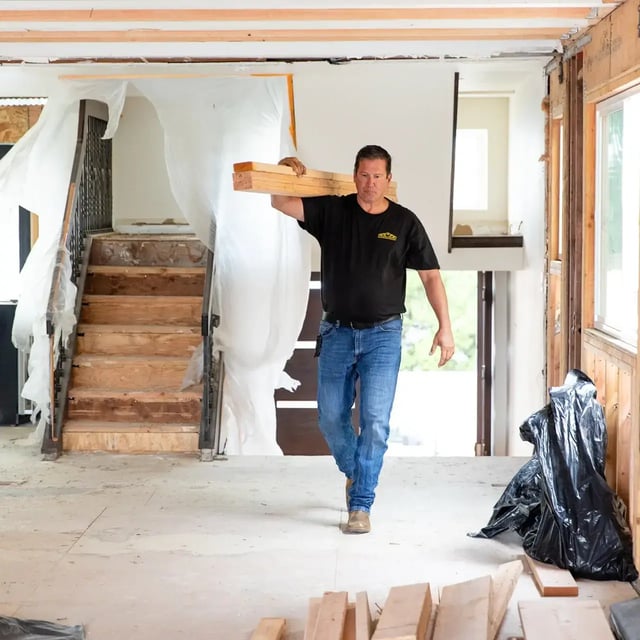
Construction worker carrying lumber inside a house under renovation.

In This Article

    A house fire is one of the most disorienting experiences a homeowner can face. Beyond the immediate safety concerns, you’re suddenly dealing with structural damage, smoke and soot contamination, water damage from firefighting efforts, and an insurance process that can feel overwhelming when you’re already under enormous stress.

    In Miami, fire damage restoration comes with additional considerations shaped by the city’s climate. South Florida’s heat and humidity accelerate secondary damage: smoke odor penetrates deeper, soot corrodes metal surfaces faster, and the water used to extinguish the fire can trigger mold growth within 24 to 48 hours if drying doesn’t begin immediately.

    This guide walks through the fire damage restoration process for Miami homeowners, from the immediate aftermath to insurance navigation to planning the renovation that comes after.

    Common causes of residential fires in Miami

    Understanding what causes fires in Miami homes can help with both prevention and insurance documentation:

    • Kitchen fires: The leading cause of residential fires nationwide and in Miami. Unattended cooking, grease fires, and malfunctioning appliances account for the majority
    • Electrical fires: Older Miami homes with outdated wiring (knob-and-tube or aluminum wiring from the 1960s and 1970s) are at higher risk. Overloaded circuits and deteriorated connections behind walls can ignite without warning
    • Lightning strikes: South Florida is the lightning capital of the United States. Miami-Dade County averages 70 to 80 thunderstorm days per year, and lightning-caused fires, while less common than kitchen or electrical fires, are a real risk for homes without surge protection
    • AC-related fires: With Miami’s AC systems running nearly year-round, electrical faults in aging HVAC equipment, particularly in the condenser unit or wiring connections, occasionally cause fires. Regular maintenance and timely replacement of older units reduce this risk

    What to do immediately after a fire in your Miami home

    Once the fire department has cleared the scene and confirmed the structure is safe to approach:

    • Do not enter until authorized: The fire department or building inspector must confirm the structure is safe. In Miami, the local fire marshal’s office will issue a clearance
    • Contact your insurance company: File a claim as soon as possible. Most Miami homeowner’s policies cover fire damage, including smoke and water damage from firefighting. Ask about Additional Living Expense (ALE) coverage, which pays for temporary housing while your home is being restored
    • Document all damage: Photograph and video everything before any cleanup begins. Walk through every room, including areas that appear unaffected, since smoke damage can extend far beyond the fire’s origin
    • Secure the property: Board up broken windows and damaged openings to prevent weather exposure and unauthorized entry. In Miami, leaving a fire-damaged home open to the elements can lead to rapid secondary damage from rain and humidity
    • Call a fire restoration company: A licensed fire and smoke restoration company should begin assessment and stabilization as quickly as possible. In Miami, companies like SERVPRO, Paul Davis Restoration, and several local specialists offer emergency response

    The fire damage restoration process

    Structural assessment

    A structural engineer evaluates the integrity of the building. Fire can compromise concrete (common in Miami’s block construction), weaken steel reinforcement, and damage roof trusses. This assessment determines what can be saved and what must be replaced.

    Water extraction and drying

    Firefighting efforts often leave significant water damage. In Miami’s humidity, this water must be extracted and the structure dried within 24 to 48 hours to prevent mold. The process is identical to water damage restoration: industrial dehumidifiers, air movers, and daily moisture monitoring until the structure is dry.

    Smoke and soot removal

    Smoke and soot damage often extends well beyond the fire’s origin point. Soot is acidic and corrosive; left untreated in Miami’s humidity, it can permanently stain surfaces, corrode metal fixtures, and embed odor in porous materials. Professional cleaning involves dry sponging, chemical cleaning, and HEPA vacuuming of all affected surfaces. Ductwork and HVAC systems typically need professional cleaning as well, since smoke travels through the ventilation system.

    Odor elimination

    Smoke odor is one of the most persistent challenges in fire restoration. Professional methods include ozone treatment, thermal fogging, and hydroxyl generators. In Miami’s heat and humidity, odor can re-emerge if not thoroughly addressed, especially in enclosed spaces. Multiple treatment rounds are sometimes necessary.

    Demolition of unsalvageable materials

    Materials that are charred, structurally compromised, or too deeply penetrated by smoke and water to be restored are removed. This includes drywall, insulation, flooring, cabinetry, and in some cases, structural framing. The scope of demolition determines the scope of the rebuild that follows.

    Navigating fire damage insurance claims in Miami

    Fire damage claims tend to be larger and more complex than other property claims. Working with your insurer effectively can make the difference between a fair settlement and a prolonged, frustrating process.

    • Understand your coverage: Most Miami homeowner’s policies cover fire damage to the structure, personal property, and additional living expenses (hotel, meals, temporary rental) during restoration. Review your policy limits and deductible early
    • Create a detailed inventory: List all damaged or destroyed personal property with estimated values. Photographs, receipts, and credit card records can support your claims for contents coverage
    • Consider a public adjuster: For fire claims, which often involve six-figure settlements, a licensed public adjuster can be especially valuable. They manage the claim documentation, negotiate with the insurer, and typically recover more than homeowners handling claims independently
    • Separate restoration from renovation: Insurance covers restoring your home to its pre-loss condition. If you want to upgrade during the rebuild (better finishes, reconfigured layout), keep those costs separate from the insured work. Your contractor should provide itemized bids that distinguish between covered restoration and elective upgrades

    Preventing fire damage in your Miami home

    While no home is completely fireproof, Miami homeowners can take steps to significantly reduce their risk:

    • Update aging electrical systems: Homes built in the 1960s and 1970s with aluminum wiring or undersized panels are at elevated risk. A licensed electrician can assess your system and recommend upgrades
    • Install whole-home surge protection: Given Miami’s frequency of lightning strikes, a whole-home surge protector installed at the electrical panel provides a critical layer of defense for your wiring and appliances
    • Maintain your AC system: Annual professional servicing that includes inspecting wiring connections, the condenser unit, and the air handler reduces the risk of AC-related electrical fires
    • Test smoke detectors monthly: Florida law requires working smoke alarms on every level of a home and inside each bedroom. Replace batteries annually and replace the units themselves every 10 years
    • Keep a fire extinguisher in the kitchen: A Class K extinguisher rated for cooking fires should be within easy reach of the stove. Make sure everyone in the household knows where it is and how to use it

    Rebuilding your Miami home after fire damage

    The rebuild phase is where fire restoration transitions into renovation. Depending on the severity of the fire, this can range from repairing and refinishing a few rooms to what is essentially a gut remodel of the entire home.

    Many Miami homeowners choose to upgrade during the rebuild rather than restore to the exact pre-fire condition. Since walls are already open and systems are already exposed, it’s an efficient time to update wiring, plumbing, insulation, and finishes. Understanding overall renovation costs in Miami helps you plan the portion of the rebuild that goes beyond insurance coverage.

    Rebuild priorities for Miami homes:

    • Upgrade electrical systems: If the fire was electrical in origin, the rebuild should include a full rewire and a modern 200-amp panel. Even if the fire had a different cause, open walls are an opportunity to bring aging wiring up to current Florida Building Code
    • Install fire-resistant materials: Type X fire-rated drywall, fire-resistant insulation, and fire-rated doors between the garage and living space are smart additions during any fire damage rebuild
    • Add modern fire suppression: Residential sprinkler systems are not required in most existing Miami homes, but a rebuild is the most cost-effective time to add one. Kitchen hood suppression systems are another worthwhile addition
    • Address hurricane readiness: If the rebuild involves replacing windows and doors, upgrading to impact-rated products meets both safety and insurance requirements. In Miami’s market, this also protects resale value

    How Block Renovation can help with the rebuild

    Block Renovation is not a fire restoration company, but we can help with the renovation that follows once restoration is complete. Block connects Miami homeowners with vetted, licensed contractors experienced in post-damage rebuilds, from single-room repairs to full-home reconstructions. You’ll receive detailed proposals and support from a project planner to ensure the rebuild goes smoothly.

    Remodel with confidence through Block

    Happy contractor doing an interview

    Connect to vetted local contractors

    We only work with top-tier, thoroughly vetted contractors

    Couple planning their renovation around the Block dashboard

    Get expert guidance

    Our project planners offer expert advice, scope review, and ongoing support as needed

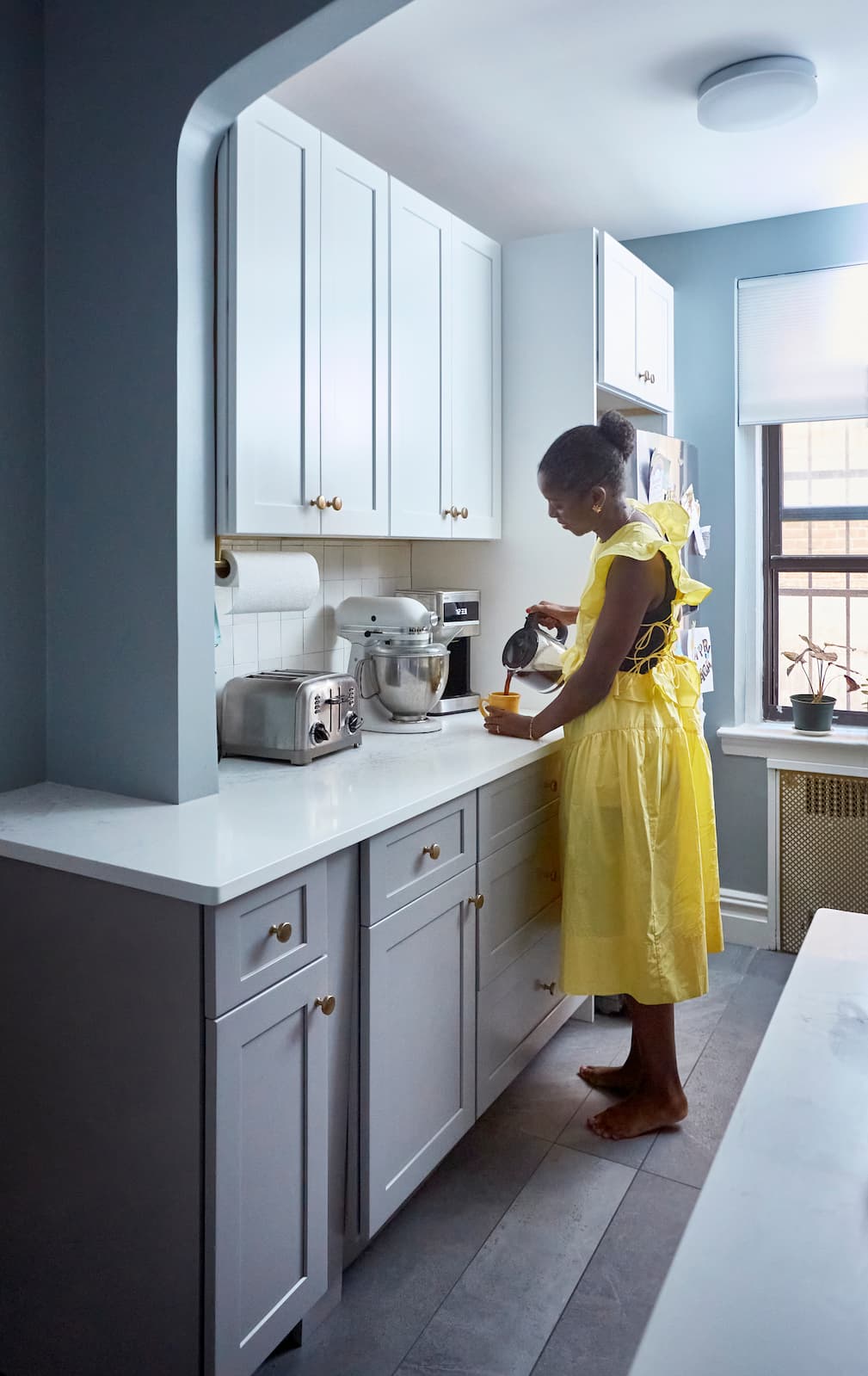
    Familty enjoying coffee in their newly renovated modern ktchen

    Enjoy peace of mind throughout your renovation

    Secure payment system puts you in control and protects your remodel

    Get Started

    Frequently asked questions about fire damage restoration in Miami

    How long does fire damage restoration take in Miami?

    The restoration phase (cleanup, drying, smoke removal) typically takes 2 to 6 weeks depending on severity. The rebuild can take an additional 2 to 8 months for significant damage. In total, a major fire damage restoration and rebuild in Miami can take 6 to 12 months from event to move-in. Permitting through Miami-Dade County adds time to the front end, so factor that into your planning. Your restoration company should be able to give you a more specific estimate once they’ve assessed the damage.

    Does homeowner’s insurance cover fire damage in Miami?

    Yes. Standard homeowner’s policies in Florida cover fire damage to the structure, personal property, and additional living expenses during restoration. Review your policy limits and deductible, and consider a public adjuster for claims above $50,000.

    Can I upgrade my home during a fire damage rebuild?

    Yes, and many Miami homeowners do. Insurance covers restoring to pre-loss condition; any upgrades beyond that are your responsibility. Keep insured restoration work and elective upgrades itemized separately in your contractor’s proposal so the insurance portion remains clear.

    Why is speed so important after a fire in Miami?

    Miami’s heat and humidity accelerate secondary damage. Soot becomes more corrosive, smoke odor penetrates deeper, and the water from firefighting can trigger mold growth within 24 to 48 hours. Beginning professional restoration quickly limits the total scope of damage and reduces the overall cost of the project.