


Water Damage Repair & Restoration in Miami

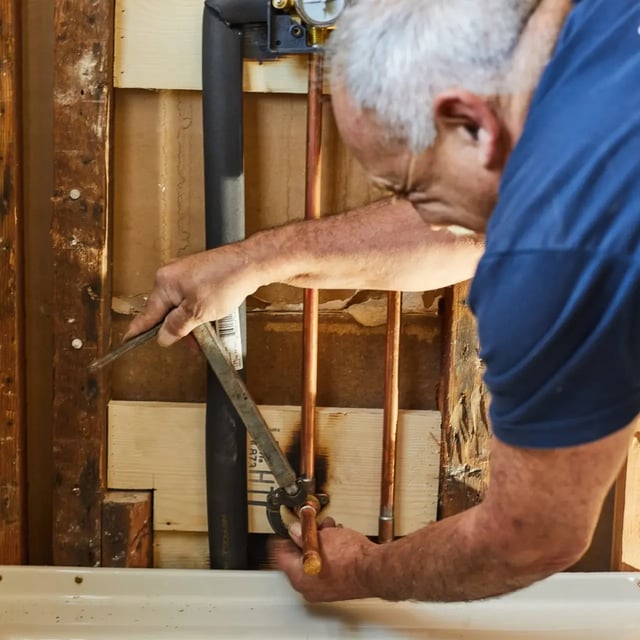
Plumber repairing copper pipes inside an exposed wall.

In This Article

    Water damage is one of the most common and costly issues Miami homeowners face. Between hurricane season flooding, tropical storm surges, burst pipes in aging buildings, and the slow leaks that go unnoticed behind walls for months, the sources of water damage in South Florida are more varied and more frequent than in most parts of the country.

    When water damage hits your Miami home, the response needs to be fast and methodical. The difference between a contained repair and a full-scale remediation often comes down to how quickly you act in the first 24 to 48 hours.

    This guide covers the most common causes of water damage in Miami, what the restoration process looks like, how to navigate insurance, and how to approach the renovation that comes after.

    The most common causes of water damage in Miami homes

    Miami’s climate and building stock create a unique set of water damage risks:

    • Hurricane and tropical storm flooding: Storm surge, wind-driven rain, and overwhelmed drainage systems can introduce large volumes of water into homes, particularly in low-lying neighborhoods like parts of Miami Beach, Little Haiti, Shorecrest, and areas near the Miami River.
    • Plumbing failures: Burst pipes, failed water heaters, and corroded supply lines. In Miami’s older homes (pre-1975), cast iron drain pipes are a frequent culprit. They corrode from the inside out and can fail without warning.
    • Roof leaks: Miami’s intense UV and heavy rain cycles degrade roofing materials faster than in milder climates. A compromised roof can allow water intrusion for weeks before damage becomes visible inside.
    • AC condensation and drain line issues: Miami’s AC systems run almost year-round, producing significant condensation. A clogged drain line or a cracked condensate pan can cause water damage to ceilings, walls, and flooring, often in areas that aren’t immediately visible.
    • Condo building failures: In Miami’s high-rise condos, water damage from a unit above (a burst supply line, a leaking shower pan, an overflowing appliance) is a common issue that can affect multiple floors.

    What to do immediately after water damage in your Miami home

    Speed matters. Mold can begin growing within 24 to 48 hours in Miami’s warm, humid conditions. Here’s what to prioritize:

    • Stop the source: Shut off the water supply if the damage is from plumbing. If it’s storm-related, wait until it’s safe to assess.
    • Document everything: Photograph and video all damage before moving or cleaning anything. This documentation is critical for your insurance claim.
    • Contact your insurance company: File a claim as soon as possible. Most Miami homeowner’s policies have specific timelines for reporting water damage.
    • Call a restoration company: A licensed water damage restoration company should begin extraction and drying within hours, not days. In Miami, companies like ServiceMaster, SERVPRO, and several local specialists offer 24/7 emergency response.
    • Do not attempt DIY remediation for significant damage: Professional equipment (industrial dehumidifiers, air movers, moisture meters) is necessary to dry a structure properly in Miami’s humidity. Inadequate drying is the leading cause of mold problems after water events.

    The water damage restoration process in Miami

    Assessment and water extraction

    A restoration team will assess the extent of damage using moisture meters and thermal imaging. They’ll classify the water type (clean, gray, or black water, each requiring different handling) and begin extracting standing water with pumps and vacuums.

    Drying and dehumidification

    This is the most critical phase in Miami. The restoration team places industrial air movers and dehumidifiers throughout the affected area, often running them for 3 to 5 days or more. In South Florida’s humidity, drying takes longer than in drier climates because the ambient moisture level works against the process. The team monitors moisture readings daily until the structure reaches acceptable levels.

    Mold assessment and remediation

    If mold is found (or if drying was delayed), a licensed mold assessor should test and create a remediation protocol. In Florida, mold assessment and mold remediation must be performed by separate licensed companies. This isn’t optional; it’s state law. The remediation company follows the assessor’s protocol, removes affected materials, treats surfaces, and the assessor clears the space before reconstruction can begin.

    Demolition of damaged materials

    Drywall, insulation, baseboards, flooring, and cabinetry that absorbed water typically need to be removed. The extent depends on how far the water traveled and how quickly the drying process began. In Miami’s older homes, this phase sometimes reveals pre-existing conditions (deteriorated cast iron pipes, inadequate insulation, outdated wiring) that should be addressed during the rebuild.

    Navigating water damage insurance claims in Miami

    Water damage insurance in South Florida is complicated. Standard homeowner’s policies typically cover sudden and accidental water damage (a burst pipe, a failed appliance) but exclude flood damage, which requires a separate policy through the National Flood Insurance Program (NFIP) or a private flood insurer.

    Key things to understand about water damage claims in Miami:

    • Flood vs. water damage: Your standard policy and your flood policy cover different things. Water entering from outside (storm surge, rising water) is flood. Water from internal sources (plumbing, appliances) is typically covered under your standard policy.
    • Document aggressively: Photograph everything before and during cleanup. Keep receipts for all emergency expenses. Maintain a written timeline of events and communications with your insurer.
    • Consider a public adjuster: For significant claims, a licensed public adjuster works on your behalf to negotiate with your insurance company. They typically charge 10 to 15% of the settlement but often recover significantly more than homeowners negotiating on their own.
    • Don’t wait for claim approval to begin drying: Your policy requires you to mitigate damage. Starting the drying process immediately is both a practical necessity and a policy obligation. Waiting for adjuster approval before extracting water will make the damage worse and can jeopardize your claim.

    Preventing water damage in your Miami home

    The best water damage strategy is preventing it in the first place. In Miami’s climate, proactive maintenance makes a significant difference:

    • Inspect your roof annually: Miami’s UV and rain cycles are hard on roofing materials. Have a professional inspect for cracked tiles, deteriorated flashing, and compromised seals at least once a year, and after every major storm.
    • Service your AC drain line: A clogged condensate line is one of the most common causes of water damage in Miami homes. Have it cleared during your annual AC service, and consider installing a float switch that shuts the system off if the line backs up.
    • Know your plumbing age: If your Miami home was built before the mid-1970s and still has original cast iron drain pipes, have them scoped by a plumber. Replacement is expensive ($10,000 to $25,000+), but a catastrophic failure is far more costly.
    • Install water leak sensors: Smart sensors placed near water heaters, under sinks, and behind washing machines can alert you to leaks before they become major damage events. Brands like Flo by Moen and Phyn also offer whole-home monitoring systems that can shut off your water supply automatically.
    • Maintain proper grading: Make sure the ground around your Miami home slopes away from the foundation. In areas with high water tables (common in Palmetto Bay, Cutler Bay, and parts of Miami Beach), proper drainage is essential to keeping water out of the structure.

    Rebuilding your Miami home after water damage restoration

    Once restoration is complete and the space has been cleared for reconstruction, you’re essentially looking at a renovation project. The scope depends on the extent of the damage, but many Miami homeowners use this as an opportunity to upgrade rather than simply replace what was there before.

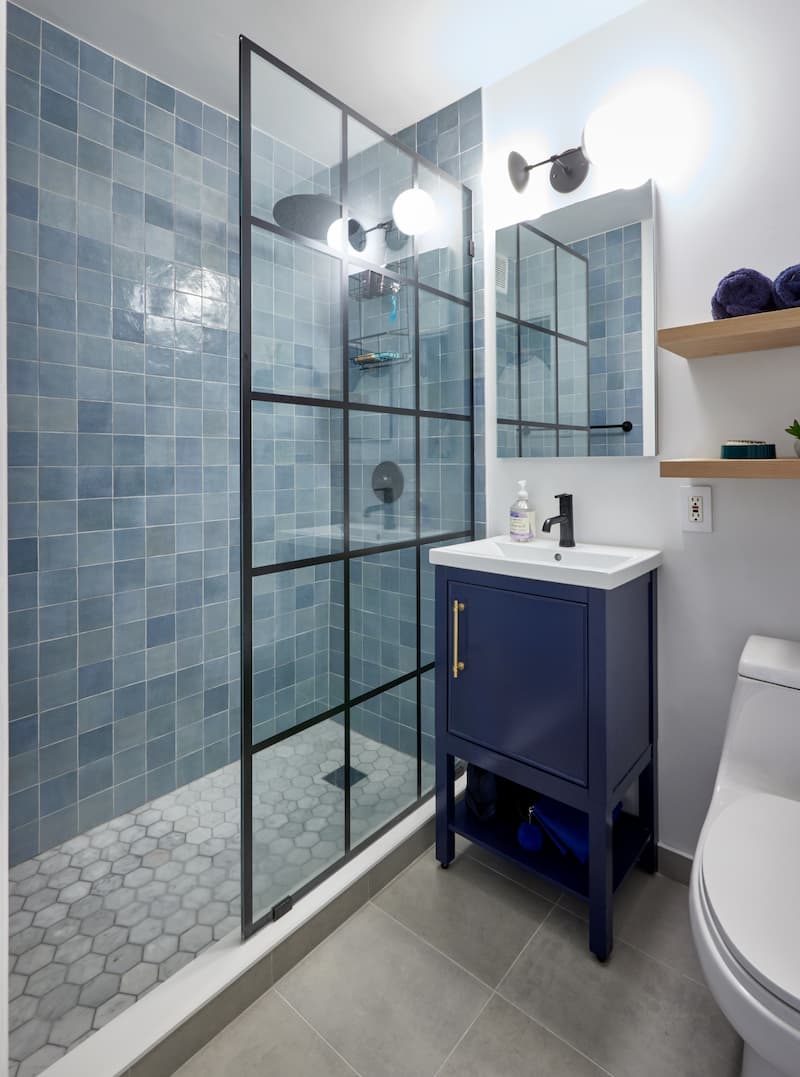
    If your kitchen or bathroom was affected, this is a natural time to reconsider the layout, upgrade finishes, and address any pre-existing conditions that were uncovered during demolition. Understanding typical Miami renovation costs can help you plan the rebuild budget, especially if you’re upgrading beyond a like-for-like replacement.

    Rebuilding decisions to consider:

    • Moisture-resistant materials: Replace standard drywall with moisture-resistant (green board) or mold-resistant (purple board) drywall in areas prone to water exposure. Use porcelain or LVP flooring instead of hardwood in flood-prone areas.
    • Updated plumbing: If old pipes contributed to the damage, replace them with PVC or PEX during the rebuild rather than reconnecting aging systems.
    • Improved ventilation: Add or upgrade exhaust fans in bathrooms and kitchens, especially if inadequate ventilation contributed to moisture buildup. For eco-friendly bathroom approaches that also address moisture management, humidity-sensing fans and low-flow fixtures serve double duty.

    How Block Renovation can help with the rebuild

    While Block Renovation is not a restoration company, we can help with the renovation that follows. Once your home has been dried, cleared, and is ready for reconstruction, Block connects you with vetted, licensed Miami contractors who can handle the rebuild, whether it’s a targeted bathroom or kitchen repair or a more extensive renovation of the affected areas.

    Remodel with confidence through Block

    Happy contractor doing an interview

    Connect to vetted local contractors

    We only work with top-tier, thoroughly vetted contractors

    Couple planning their renovation around the Block dashboard

    Get expert guidance

    Our project planners offer expert advice, scope review, and ongoing support as needed

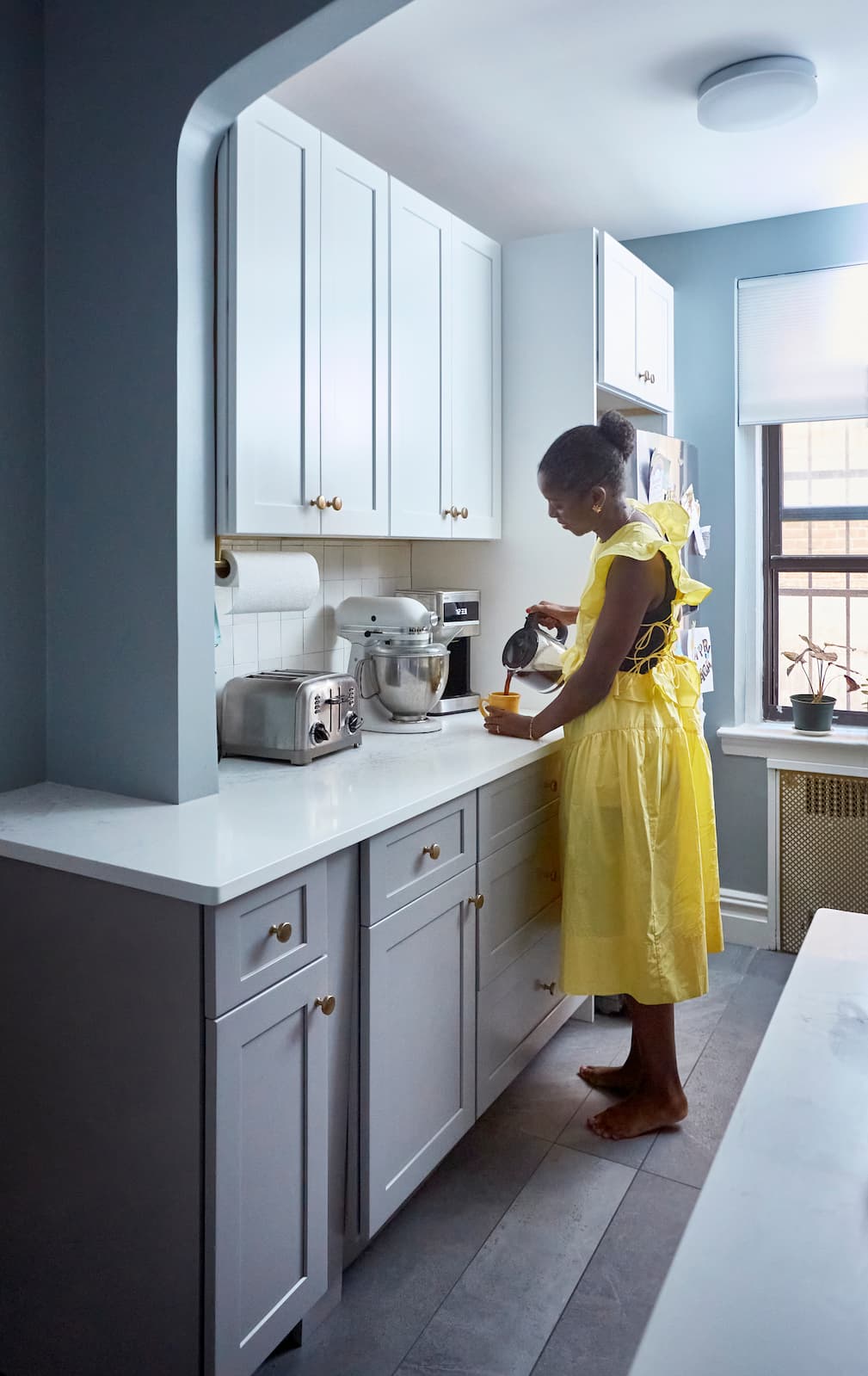
    Familty enjoying coffee in their newly renovated modern ktchen

    Enjoy peace of mind throughout your renovation

    Secure payment system puts you in control and protects your remodel

    Get Started

    Frequently asked questions about water damage restoration in Miami

    How quickly does mold grow after water damage in Miami?

    Mold can begin growing within 24 to 48 hours in Miami’s warm, humid conditions. This is faster than in cooler, drier climates, which is why immediate professional drying is critical in South Florida.

    Does my Miami homeowner’s insurance cover water damage?

    Most standard policies cover sudden and accidental water damage (burst pipes, appliance failures) but not flood damage from external water sources. Flood coverage requires a separate policy. Review your specific policy and contact your insurer immediately after any water event.

    How long does water damage restoration take in Miami?

    The drying phase typically takes 3 to 7 days in Miami’s humidity. Mold remediation, if needed, adds another 1 to 3 weeks. The full rebuild timeline depends on the extent of damage and can range from a few weeks for a single room to several months for widespread damage.

    Should I hire a public adjuster for a water damage claim in Miami?

    For claims above $10,000 to $15,000, a public adjuster often recovers enough additional settlement to more than justify their fee (typically 10 to 15% of the payout). For smaller claims, you may be able to handle the process directly with your insurer.