





Minnesota
Luxury Remodeling in Minneapolis | Smart Home, Sustainability, and Premium Upgrades
04.17.2026
.png?width=640&name=Miami%20Kitchen%20Renovation%20(1).png)
12.30.2025


In This Article
Remodeling your kitchen in Minneapolis isn’t just about picking new cabinets or finishes—it’s about working with a unique range of home styles, weather conditions, and city requirements that set the local renovation experience apart. Whether you’re updating a classic Craftsman in Longfellow, a Tudor in Tangletown, or a North Loop condo, Minneapolis homeowners balance the challenges of old infrastructure, space constraints, and energy efficiency alongside day-to-day style. Knowing the right costs and solutions for your home’s type is key to a kitchen upgrade you’ll love for years.
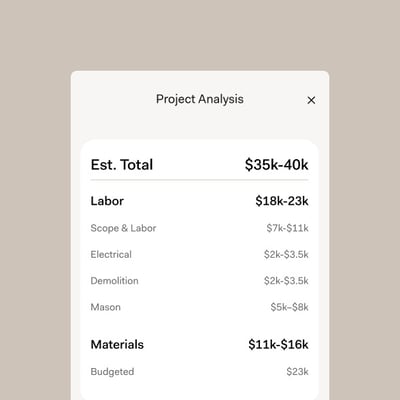
Kitchens in Minneapolis are often more work—and sometimes more expensive—than their counterparts in newer suburbs or the national average. Minor remodels (think cabinet refacing, surface upgrades, standard appliances) typically start around $50,000 and can reach $75,000 in city neighborhoods where skilled trades and higher material standards are the norm.
For a complete renovation with custom cabinets, new layouts, or structural and utility changes, most Minneapolis homeowners spend between $100,000 and $175,000, especially when updating a larger or architecturally significant home.
Historic districts and older homes may see additional costs for careful preservation and bringing everything to modern code.
Know the Cost Before You Start
No two kitchens in Minneapolis are exactly alike, and some of the city’s most memorable homes are defined by their era and neighborhood. The best kitchen remodels don’t fight their home’s DNA—they deepen it, drawing on original details to create a space that feels right for the architecture while still working for modern life. Letting your home’s style guide your choices will help your kitchen look better and live better, from finishes and cabinetry to layout and storage.
Craftsman homes, common in Minneapolis neighborhoods like Longfellow and Nokomis, are known for their warm woodwork, built-ins, and straightforward proportions. When remodeling the kitchen, consider:
Keep or restore quarter-sawn oak trim and panel cabinet doors.
Rebuild or add built-in hutches or seating for storage without losing charm.
Use period-style hardware and shaker or flat-panel cabinets.
Go for classic mosaic or subway tile backsplashes to echo the era.
Choose soft pendant lights and under-cabinet LEDs to warm up tight spaces.
Victorian and Queen Anne homes, found in areas like Summit Hill and Whittier, are recognized for their tall ceilings, formal molding, and quirky, added-on kitchens.
Add custom-height or stacked cabinets to take advantage of ceiling height.
Highlight moldings and wood trim with gentle hues or restoration-friendly paint colors.
Fit open shelving, pull-out pantries, or custom cabinetry into odd corners and alcoves.
Use vintage-inspired lighting, hardware, and faucet styles for period flavor.
Update plumbing and electrical to modern standards, even if most changes are behind the walls.
Tudor Revival houses bring dramatic archways, brick or stucco details, and casement windows, especially around Tangletown and Southwest Minneapolis. Bring this quiet drama into your kitchen remodel.
Choose dark-stained or painted wood cabinets with simple, historic lines.
Restore or add tile and brick elements, like a hearth-style oven alcove.
Use oil-rubbed bronze or iron hardware for authenticity.
Add bold, contrast-rich color palettes—deep green, navy, or burgundy accents.
Mid-century homes, in places like St. Louis Park and Robbinsdale, feature open layouts, minimalism, and large windows. While you can find plenty of inspiration in our MCM kitchen guide, below are ideas to help kick-off your kitchen redesign.
Keep cabinet lines clean with slab-front doors and minimal hardware.
Use retro geometric or subtle textured mid-century modern backsplashes and countertops.
Adopt flexible island or peninsula seating for eat-in flow.
Choose engineered wood or terrazzo flooring for durability and classic style.
Use globe pendants, sputnik fixtures, or recessed lighting for a nod to the era.
Downtown and North Loop condos are often repurposed industrial spaces with airy layouts and industrial finishes. Use tips from our guide to industrial kitchen design to remodel the space to feel harmonious with your home’s contemporary character.
Opt for tall, space-saving cabinets and smart organizers.
Integrate appliances and maximize under-counter storage to reduce clutter.
Choose movable islands or carts that adapt to cooking, dining, or entertaining needs.
Combine industrial finishes—matte black, stainless, exposed brick—with high-efficiency windows or lighting.
Design a Home That’s Uniquely Yours
Block can help you achieve your renovation goals and bring your dream remodel to life with price assurance and expert support.
Get Started
Space and storage in urban Minneapolis kitchens
Making the most of your kitchen’s footprint is a challenge in many of Minneapolis’s earliest neighborhoods, where galley layouts, narrow doorways, and awkward nooks are the norm. Renovators here quickly learn that smart space tricks are as important as style choices.
Careful attention to layout and built-in features pays off with a kitchen that handles big gatherings and quick coffee breaks alike—without feeling boxed in. An efficient Minneapolis kitchen folds extra storage and flexible seating into every possible cranny and rethinks the flow to make cooking and life smoother.
Pull-out pantry systems and corner cabinets that reduce wasted space
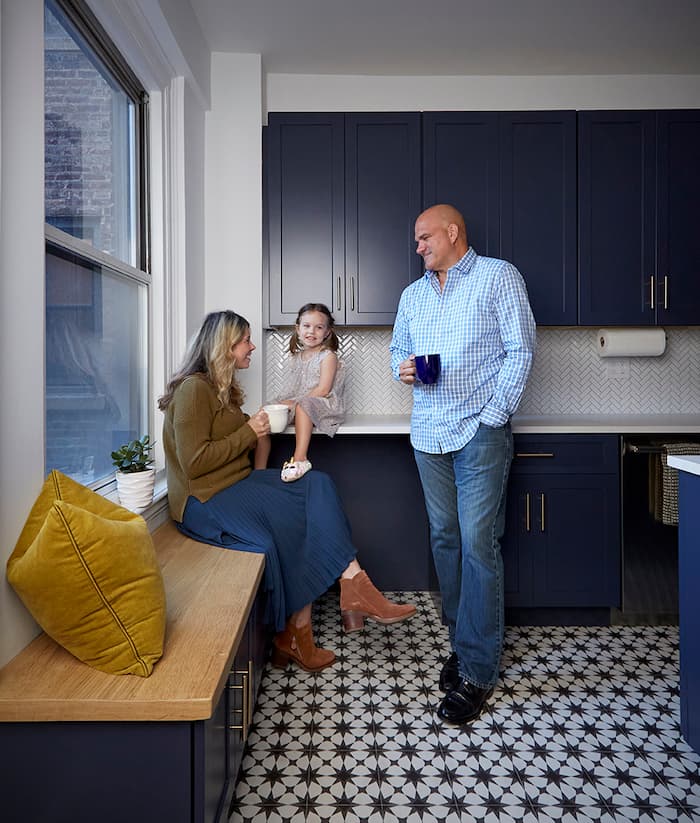
Built-in bench seating or breakfast nooks with hidden storage underneath
Tall, floor-to-ceiling or over-fridge cabinets that maximize vertical real estate
Movable or multi-use islands with open shelving and drawers for extra prep and stash space
Open shelving and glass-front upper cabinets to keep the room feeling light while adding display or quick-access storage
Kitchen upgrades can make a big dent in energy use, especially in older Minneapolis homes. Choosing energy-efficient appliances and smart insulation strategies helps lower bills and keeps the kitchen comfortable year-round.
Opt for Energy Star-rated refrigerators, dishwashers, and induction cooktops
Upgrade wall and floor insulation when opening up the space for a remodel
Install LED lighting, including under-cabinet and task lighting
Use low-flow taps and faucets to lower water usage
Choose locally sourced wood or stone to reduce freight cost—and add “Minnesota tough” finishes
Draft-proof windows and doors (or replace with high-efficiency models) during the remodel
The calendar matters when remodeling a Minneapolis kitchen. Harsh winters can delay both material deliveries and any work involving exterior openings—like swapping out a window or adjusting an exterior wall.
Try to finalize your design, hire your contractor, and place material orders (for cabinets, appliances, tile, specialty hardware) several months in advance. For projects starting in late fall or winter, see if the bulk of your noisy or dust-heavy demolition and outdoor work can be completed before cold and snow set in.
Use local suppliers with experience handling material lead times and climate-tested products, and check on warehouse or onsite storage plans to keep everything protected if there’s a weather delay.
Complete your newly remodeled kitchen with finishing touches from top Minneapolis stores like those below:
Dutton Brown Design: Dutton Brown Design brings sophisticated, tailored interiors to Minneapolis homes with a keen eye for both timeless elegance and contemporary flair. Their thoughtful approach to space planning and curated selection of furnishings creates environments that feel both polished and genuinely livable. What sets them apart is their ability to translate your personal style into cohesive, beautifully executed spaces that truly reflect how you want to live.
Hennepin Made: Hennepin Made brings that perfect Minneapolis blend of industrial grit and Scandinavian minimalism to locally-crafted home goods. Their handmade furniture and decor pieces showcase the kind of honest craftsmanship that makes your space feel authentically curated, not just decorated. It's where you'll discover those unique statement pieces that tell the story of Minnesota's maker culture right in your living room.
Geneva Discount Furniture: Geneva Discount Furniture is your secret weapon for snagging quality brand-name pieces without the designer price tag. They specialize in living, dining, and bedroom furniture plus those perfect finishing touches that make a space feel complete. It's the kind of place where smart shoppers go to stretch their budget further while still bringing home pieces they'll actually love.
Lighting Plastics of Minnesota (LPM): Lighting Plastics of Minnesota (LPM)brings decades of expertise to Minneapolis with their impressive collection of custom lighting solutions and architectural plastics. This local gem specializes in everything from sleek pendant lights to innovative acrylic panels that can transform any space with modern flair. Their knowledgeable team makes it easy to find exactly what you need, whether you're hunting for that perfect statement fixture or exploring creative ways to incorporate light and texture into your design.
Famous Furniture Outlet: Famous Furniture Outlet brings affordable style to Minneapolis with an impressive selection of quality furniture pieces that don't break the bank. This local gem specializes in making great design accessible, offering everything from statement sofas to dining sets that elevate your space without the designer price tag. It's the perfect spot to find that missing piece that ties your room together—all while supporting a trusted neighborhood business.
Block’s Renovation Studio lets you experiment with kitchen layouts, finishes, and cost scenarios informed by real Minneapolis pricing before you ever engage a contractor. Visualize your kitchen, adjust the plan, and see how material and layout choices impact your budget, all in one place.
When you’re ready for bids, Block connects you with carefully vetted local kitchen remodeling contractors, reviews every proposal for clarity and fairness, and keeps your investment safe through progress-based payments. With the right support, you can navigate Minneapolis-specific renovation challenges confidently and create a kitchen that’s truly suited for your home and city.
Remodel with confidence through Block

Connect to vetted local contractors
We only work with top-tier, thoroughly vetted contractors

Get expert guidance
Our project planners offer expert advice, scope review, and ongoing support as needed
Enjoy peace of mind throughout your renovation
Secure payment system puts you in control and protects your remodel

Renovate confidently with Block
Easily compare quotes from top quality contractors, and get peace of mind with warranty & price protections.
Minnesota
Luxury Remodeling in Minneapolis | Smart Home, Sustainability, and Premium Upgrades
04.17.2026
Minnesota
Minneapolis Attic Renovations: Design & Practicalities
04.16.2026
Minnesota
Home Renovation ROI in Minneapolis: Projects That Pay Off for Sellers
04.10.2026

Minnesota
Bathroom Remodel in Eden Prairie, MN, Costs & Tips
03.12.2026

Minnesota
Eden Prairie Basement Renovation Costs, Options & Tips
03.11.2026