






Minnesota
Luxury Remodeling in Minneapolis | Smart Home, Sustainability, and Premium Upgrades
04.17.2026
12.30.2025


In This Article
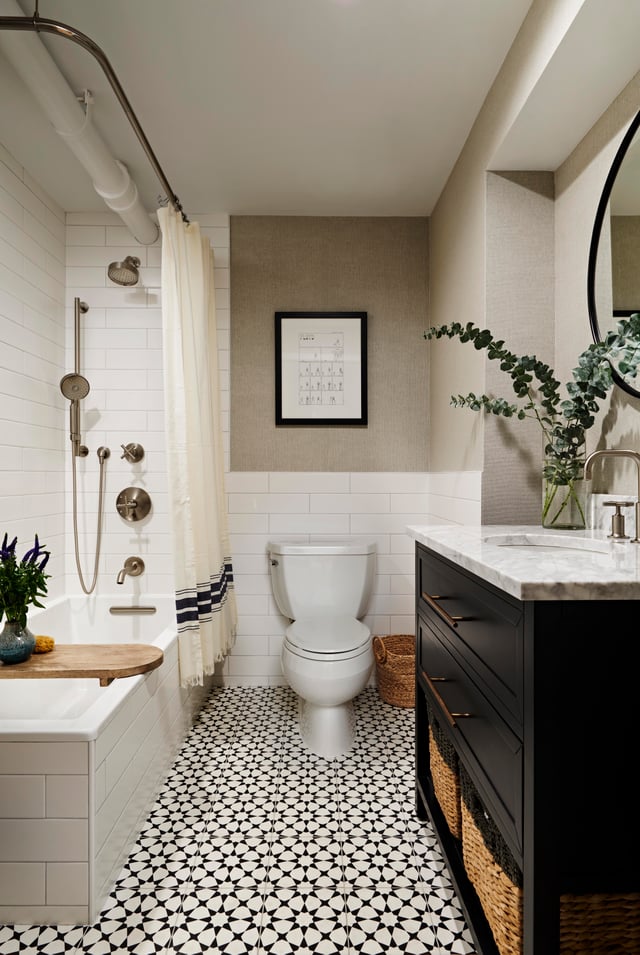
For homeowners in Minneapolis, bathroom remodeling projects are shaped by a mix of factors—from the city’s historic housing stock to climate extremes that require extra care in material selection and construction. Understanding what drives costs, and how local homes are typically built, puts you in a stronger position to plan a smooth project and enjoy your new space for years to come.
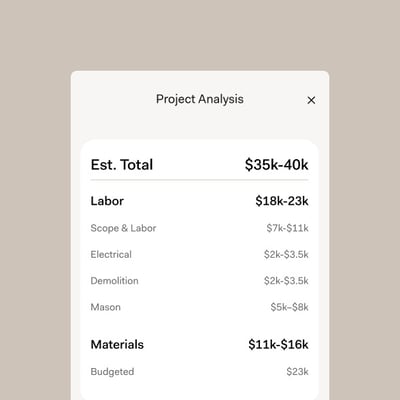
The typical cost to remodel a standard hall bathroom in Minneapolis lands between $25,000 and $40,000, with larger or primary bathrooms ranging from $40,000 to $70,000 and beyond for complex layouts or luxury finishes. These numbers track above national averages because older local homes require additional labor, infrastructure upgrades, and careful detailing to address everything from weatherproofing to the preservation of historic character. Factors like working with plaster walls, rerouting old plumbing, and achieving modern performance standards in a cold-weather city all play a part in the final numbers.
Know the Cost Before You Start
With much of Minneapolis homes being built before the 1950s, bathroom renovations often mean dealing with decades-old plumbing, wiring, and structural quirks. Taking the time to understand what’s lurking below your tilework pays off—both for your budget and for the future integrity of your home.
Aging supply and waste lines: Many classic Minneapolis homes—especially those in neighborhoods like Longfellow, Summit Hill, or Powderhorn—still have galvanized steel or cast iron plumbing. These materials are prone to corrosion and blockages, so remodeling is often the right time to upgrade to modern copper or PEX. Skipping this upgrade could mean unexpected leaks or expensive pipe replacements down the road.
Knob-and-tube or ungrounded wiring: Electrical systems in homes built before the 1940s may not meet today’s safety standards, let alone support new lighting, exhaust fans, or heated floors. Licensed electricians can upgrade your wiring, add outlets, and ensure your bathroom is protected by ground-fault circuit interrupters (GFCIs).
Unlevel or damaged subfloors: Original Minneapolis homes often settled over time, sometimes leaving bathroom floors uneven or prone to “soft spots.” Before new tile or fixtures go in, your contractor should check for rot, past water damage, or framing that needs repair. Replacing or sistering old joists, and installing a strong new subfloor, ensures your renovation lasts and that tile won’t crack over time.
Poor insulation or missing vapor barriers: Decades ago, insulation was minimal and vapor control was not well understood. Remodeling offers a rare opportunity to open up walls and add proper insulation and waterproofing, creating a bathroom that is both more efficient and less prone to mold or mildew for decades to come.
Minneapolis experiences weather swings from summer humidity to deep winter cold. These conditions place unusual stress on bathrooms, turning ordinary moisture issues into major renovation risks if not addressed up front.
Moisture-resistant drywall and cement board: With winter condensation and summer humidity, bathrooms in Minneapolis need more than basic drywall. Installing cement board or other moisture-resistant products behind tile greatly reduces the risk of hidden rot, mold, and premature material failure. Make sure you use bathroom-friendly paint!
Advanced waterproofing membranes: Showers and tub surrounds benefit from systems like Schluter or Wedi, which prevent water migration behind walls. For historic homes where previous renovations skipped this step, it’s often the best “invisible” investment you can make.
Proper ventilation and exhaust: Minneapolis’s climate makes moisture control a year-round issue. High-quality exhaust fans—ideally ones rated for continuous use—are crucial to prevent mold, condensation, and paint peeling. Try to vent directly outdoors, not into the attic, to fully remove humid air.
Window upgrades for comfort and durability: Many older bathrooms still have single-pane or wood sash windows. Swapping these for high-efficiency, double-glazed replacements prevents cold drafts, frost build-up, and water damage at the sills. For homes in designated historic districts, storm windows may be necessary to preserve the façade while improving performance.
Thoughtful caulking and weather-sealing: Freeze-thaw cycles can wreak havoc on grout, caulking, and exterior walls, especially where small cracks allow moisture to penetrate. Choosing flexible, mildew-resistant caulks for tubs, showers, and window surrounds creates a lasting seal that stands up to temperature changes.
One of the joys of a Minneapolis home is the craftsmanship baked into every detail—from built-in dressers and crown moldings to signature tile and stained glass. Preserving this heritage, while bringing bathrooms up to today’s standards, ensures your remodel feels both fresh and rooted in your home’s story.
Original tile, tubs, and sinks: Many early 20th-century bathrooms in Minneapolis feature hex or penny tile, clawfoot tubs, or charming pedestal sinks that embody classic style. These pieces can often be reglazed, regrouted, or repaired, combining daily function with a distinctly local look. Where salvage isn’t possible, modern lookalikes often bridge the gap.
Natural woodwork and millwork: Craftsman and Tudor homes commonly showcase detailed wood trim, built-in cabinets, and solid doors. Instead of replacing these features with off-the-shelf alternatives, consider restoration or custom millwork that mimics the original. This is especially important in areas like Kenwood, where architectural authenticity often drives property value.
Custom glass and hardware: Textured or colored glass, vintage hardware, and ornate lighting fixtures are all worth saving when possible. If you need replacements, search for local artisans or specialty salvage shops that keep character in your remodel, while still allowing for modern safety and convenience.
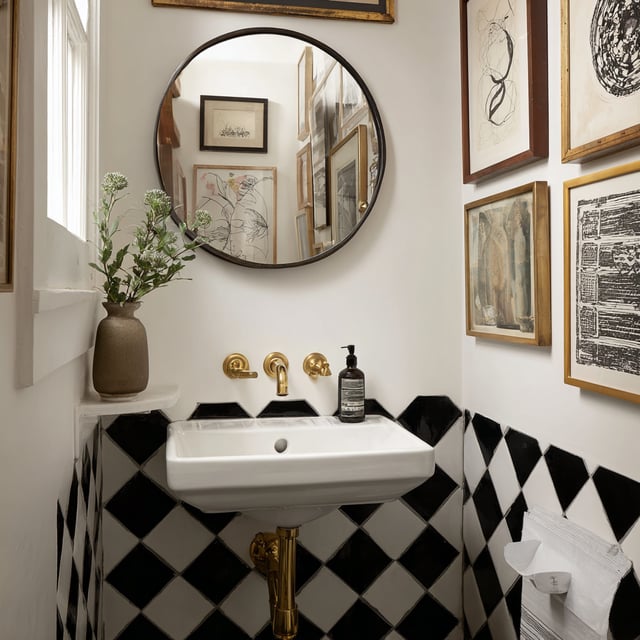
Blending old and new: The best Minneapolis bathroom renovations often blend restored antiques (mirrors, lighting, tile) with upgraded plumbing, radiant heating, and smart new fixtures. This approach keeps the charm while letting the space work for a modern lifestyle.
Bring Your Dream Bathroom to Life
Radiant floor heat: For Minneapolis bathrooms with tile flooring, in-floor heating makes stepping out of the tub in January a welcome experience. Heat can be electric or hot-water based and is surprisingly efficient, especially when paired with a well-insulated subfloor.
Water-saving fixtures: Minneapolis’s utility rates and environmental values both encourage low-flow toilets, showerheads, and faucets. Look for WaterSense labels when selecting new products to reduce your water bill and environmental impact.
Insulation upgrades: Opening up bathroom walls is a rare opportunity to insulate and create a tighter envelope. Closed-cell spray foam or dense fiberglass batts can reduce drafts, lower heating costs, and guard against condensation inside walls.
LED lighting and energy-smart fans: Small changes, like swapping for LED bulbs or installing fans with humidity sensors, keep your bathroom feeling bright and comfortable all year and reduce long-term energy use.
If you’re looking to add a new bathroom—a powder room off the kitchen, an ensuite upstairs, or a full bath in a finished basement—Minneapolis homes offer both exciting opportunities and unique hurdles. No two neighborhoods are exactly the same, but these considerations are key citywide.
Locating near existing plumbing: To keep costs reasonable, plan your new bath close to current water and drain lines. Installing plumbing in an entirely new place—especially on upper floors or far from the stack—can be complex, and may require breaking into floors or ceilings in finished parts of your home.
Basement bathrooms and below-grade plumbing: Adding a bathroom in a Minneapolis home basement generally requires special solutions for drainage, like sewage ejector pumps or up-flush toilets. Proper waterproofing and ventilation are especially critical below-grade, where mold and moisture issues commonly occur.
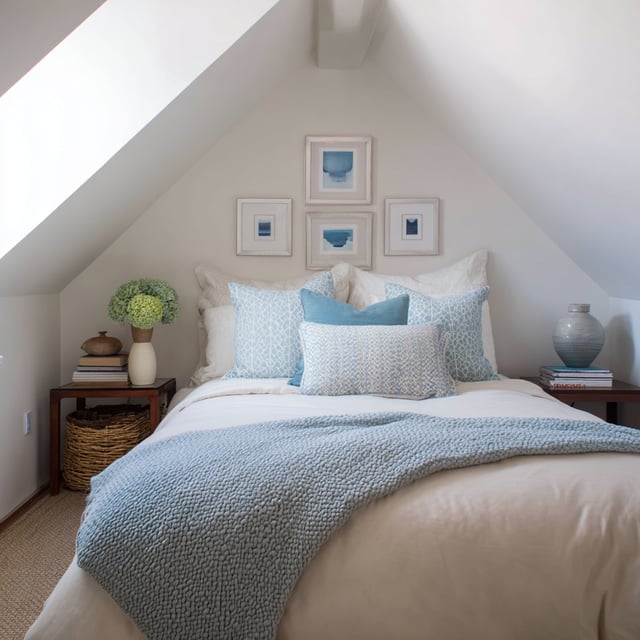
Attic conversions and code requirements: For attic baths, ensure ceiling heights, insulation, and venting all meet city code. Tucked-away spaces need creative fixtures, careful planning for door swings, and sometimes custom storage to make the most of every inch. For more tips, read our pointers for bathrooms and showers with slanted ceilings.
Permits and historic review: Minneapolis requires permits for any added or expanded bathroom, and work in historic neighborhoods (like Lowry Hill or Prospect Park) could also require a review by the city’s Heritage Preservation Commission. Factor in several weeks for these processes, and work with a contractor who knows the ins and outs of city hall.
Accessibility considerations: If the new bathroom is meant for someone with mobility concerns, make sure doorways, shower sizing, and floor transitions meet universal design guidelines. This also helps future-proof your home for new life stages.
Whether you add a decorative mirror, artisanal tiles, or an expressive art piece, go the extra mile to make your remodeled bathroom feel uniquely yours. The Minneapolis stores below are a great way to get started:
Minnesofa Furniture: Minnesofa Furniturebrings together the best of Minnesota craftsmanship and contemporary design in their Minneapolis showroom. This local gem specializes in custom upholstery and carefully curated furniture pieces that blend Midwestern comfort with modern sophistication. Their expertise in both classic and cutting-edge styles makes them a go-to destination for homeowners seeking quality pieces that truly reflect their personal aesthetic.
Curiosity & Curiosity Home: Curiosity & Curiosity Home brings an air of sophisticated intrigue to Minneapolis's design scene, curating unique pieces that spark conversation and elevate any space. Their thoughtfully selected collection blends vintage finds with contemporary treasures, making it the perfect destination for homeowners seeking statement pieces that tell a story. This isn't your typical furniture store—it's where design curiosity meets exceptional taste.
Soundwoven Goods: Soundwoven Goods brings artisanal craftsmanship to Minneapolis with their carefully curated collection of handwoven textiles and home accessories. This local gem specializes in pieces that add authentic texture and warmth to any space, from statement wall hangings to beautifully crafted throws. It's the perfect stop when you're looking for unique, locally-made pieces that tell a story in your home.
Schneiderman's Furniture: Schneiderman's Furniture has been Minneapolis's go-to destination for creating beautiful, livable spaces across every room in your home. From stylish living room pieces and cozy kids' furniture to outdoor patio sets and quality mattresses, they offer an impressive selection that balances comfort with contemporary design. What sets them apart is their commitment to helping families find furniture that works for real life—durable enough for daily use but stylish enough to love for years.
findfurnish: findfurnish is your go-to destination for authentic mid-century modern pieces that bring timeless sophistication to any space. This curated Minneapolis gem specializes in vintage furniture and decor that perfectly captures that clean-lined, effortless aesthetic we all crave. Beyond furniture, they also offer vintage clothing, making it the perfect spot for a full lifestyle refresh that spans from your living room to your wardrobe.
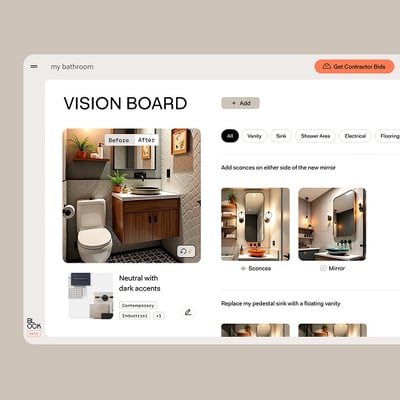
With Block's Renovation Studio, you can design your bathroom, experiment with layouts and finishes, and instantly see real cost estimates tailored to your Minneapolis home. This free tool helps take the guesswork out of your first steps—so you can plan confidently and start the conversation with your contractor on solid ground.
When you’re ready to choose the right contractor for your bathroom, Block offers a network of thoroughly vetted Minneapolis professionals. Every proposal is reviewed for accuracy and fairness, and progress-based payments ensure that your remodeling investment is protected from start to finish. Get matched with top local bathroom remodelers and experience support from your first idea through your final walkthrough.
Remodel with confidence through Block
Connect to vetted local contractors
We only work with top-tier, thoroughly vetted contractors

Get expert guidance
Our project planners offer expert advice, scope review, and ongoing support as needed
Enjoy peace of mind throughout your renovation
Secure payment system puts you in control and protects your remodel


Renovate confidently with Block
Easily compare quotes from top quality contractors, and get peace of mind with warranty & price protections.
Minnesota
Luxury Remodeling in Minneapolis | Smart Home, Sustainability, and Premium Upgrades
04.17.2026
Minnesota
Minneapolis Attic Renovations: Design & Practicalities
04.16.2026
Minnesota
Home Renovation ROI in Minneapolis: Projects That Pay Off for Sellers
04.10.2026

Minnesota
Bathroom Remodel in Eden Prairie, MN, Costs & Tips
03.12.2026

Minnesota
Eden Prairie Basement Renovation Costs, Options & Tips
03.11.2026