Home renovation ROI in Minneapolis: a practical guide for sellers in the Twin Cities market

Budget your upcoming Minneapolis home remodel with help from Block
How we get your estimate
Fill out the form above to either connect with contractors for a personalized quote or estimate your costs with Block's Renovation Studio.
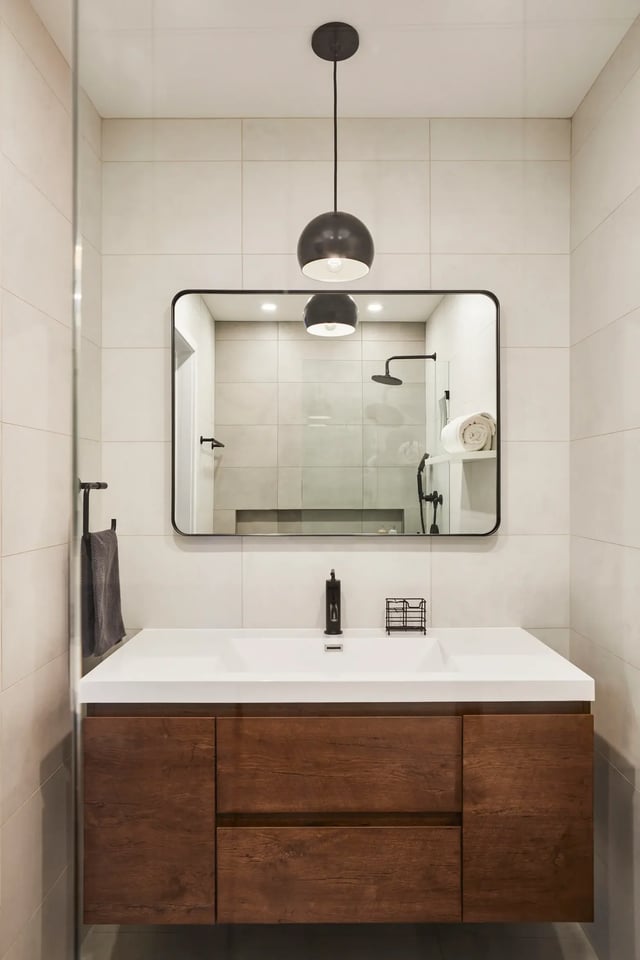
Modern bathroom vanity with wood drawers and black pendant.

In This Article

    The Minneapolis housing market is one of the more stable and predictable in the country. Median home prices in the metro sit around $375,000 to $395,000, with single-family homes slightly above that range and condos below. The market has been appreciating steadily at roughly 2 to 4% year over year in 2025, without the boom-and-bust volatility that has characterized markets like Denver or Phoenix. Homes in Minneapolis sell in about 50 days on average, with well-priced, move-in-ready homes in desirable neighborhoods moving in two to three weeks.

    Minneapolis has several characteristics that make it particularly receptive to strategic renovation investment. The city's housing stock is dominated by 1920s to 1940s Craftsman bungalows and Colonial Revival homes in neighborhoods like Linden Hills, Longfellow, Ericsson, and Hale: homes with genuine architectural character and good bones that have aged in specific, addressable ways. The Twin Cities also has one of the highest concentrations of Fortune 500 companies of any metro its size, producing a stable, professional buyer pool with real purchasing power and clear preferences about what they want in a home.

    Most importantly for sellers: Minneapolis buyers are unusually well-informed. The city's educated, professional demographic does its homework before buying. They have read the inspection reports, they know what renovated comparables look like, and they factor the cost of needed updates into their offers with specificity. A seller who has addressed the obvious objections proactively consistently holds their asking price better than one who leaves it to negotiation.

    Turn your renovation vision into reality

    Get matched with trusted contractors and start your renovation today!

    Find a Contractor

    The Minneapolis housing stock: what you are working with

    The dominant residential typology in Minneapolis's most desirable neighborhoods is the early 20th-century bungalow or Colonial Revival: 1,200 to 2,000 square feet, usually two to three bedrooms, often with original hardwood floors in good condition, original millwork, and a layout designed for a different era of domestic life including a formal living room, a formal dining room, a separate kitchen, and a primary bathroom that predates both modern plumbing expectations and modern square footage norms.

    In St. Louis Park, Edina, and the first-ring suburbs, the postwar rambler is equally dominant: one story, 1,000 to 1,500 square feet, sometimes with a finished basement that effectively doubles the living space, and typically updated more recently than the in-city stock. These homes have a different renovation profile: the architectural character is less pronounced, but the basement opportunity is often more developed.

    Both typologies share a common renovation challenge: the kitchen and bathroom were designed for a different era of expectations, and updating them is the primary investment decision most Minneapolis sellers face.

    Renovation ROI for Minneapolis home sellers

    Kitchen renovation

    • Prioritize a mid-range refresh over a full gut renovation. In Minneapolis's owner-occupant-heavy market, buyers are typically buying for the long term and are willing to pay more for a home where the kitchen is already done. The sweet spot is a mid-range refresh in the $12,000 to $22,000 range covering quartz countertops, painted or refaced cabinets in a contemporary color, new hardware, recessed or pendant lighting, and updated appliances. This produces a result that photographs well and consistently generates competitive buyer response.
    • A worn kitchen becomes a buyer negotiating tool, not just an aesthetic issue. A kitchen with chipped and stained laminate countertops, peeling cabinet finishes, and inadequate lighting registers as deferred maintenance and generates price negotiations. The goal is to remove that lever before buyers have a chance to use it.
    • Reserve a full gut renovation for homes above $500,000. A full gut renovation at $35,000 to $55,000 is appropriate where buyers expect a more complete finish and comparables reflect it. Below that threshold, the investment is unlikely to return its full cost at sale.
    Danny Wang

    Fixing a flawed kitchen layout may not be glamorous, but it often delivers more value than any cosmetic upgrade.

    Bathroom updates

    • Update the primary bathroom to remove a consistent buyer objection. Minneapolis buyers in the $350,000 to $500,000 range are comparing your home against renovated comparables with at least one updated bathroom. The specific features that read as dated in this market: a single-piece tub surround, a vanity with outdated cabinetry, and a single fixture above the mirror for lighting. Updating these elements typically costs $10,000 to $18,000 and removes a negotiating point that well-informed buyers will otherwise use.
    • Adding a half-bath is one of the most consistently rewarding additions for Minneapolis sellers. A powder room in a first-floor location near the main living area expands your buyer pool, supports a higher asking price, and is a relatively contained project compared to a full bathroom addition. For a full breakdown of what this involves and what it typically costs in the Twin Cities market, Block's guide on planning and budgeting for a half-bath addition is a useful reference.

    Basement finishing

    • An unfinished basement in Minneapolis is a buyer objection, not a neutral feature. The postwar ramblers of St. Louis Park, Edina, and Bloomington, and many older bungalows with full unfinished basements, are evaluated by buyers with the lower level in mind. An unfinished basement at $350,000-plus requires a buyer to mentally add $20,000 to $40,000 to their purchase price. In neighborhoods where finished basements are the norm, an unfinished one creates a clear comparative disadvantage.
    • A basic basement finish adds functional square footage that translates directly to asking price. The scope for a baseline finish includes an egress window if required, drywall, flooring, lighting, and electrical circuits. This typically costs $20,000 to $40,000 in the Twin Cities market. A premium finish incorporating a home office, wet bar, or bedroom suite with bathroom can cost more but commands a meaningfully higher asking price, particularly for buyers with children or remote work needs.

    Hardwood floor refinishing

    • If original hardwood is present, refinishing it is one of the highest-ROI investments available. Original hardwood floors in Minneapolis's older homes are among their most valued assets. Professional refinishing typically costs $3.50 to $5.50 per square foot in the Twin Cities and produces a result that photographs beautifully and consistently draws positive comments during showings.
    • Removing carpet to reveal original hardwood is almost always worth doing. In mid-20th-century updates, carpet was commonly installed over original hardwood. Removing it and refinishing what is beneath typically costs $1,500 to $4,000 for a typical Minneapolis bungalow. This is one of the few renovation investments that reveals rather than adds, and buyers respond strongly to it.

    Energy efficiency

    • Minneapolis buyers factor energy costs into their purchase calculations in a way most other markets do not. The heating season runs roughly six months, with temperatures regularly hitting minus 10 to minus 20 degrees Fahrenheit with wind chill. A home with outdated insulation, old windows, or an aging furnace is not just uncomfortable: it is expensive. Buyers in Minneapolis ask about HVAC age, insulation levels, and window ratings during due diligence and price what they find accordingly.
    • Document efficiency improvements as verifiable selling features. A high-efficiency furnace at 96% or higher AFUE installed within the past five years, attic insulation at or above Minnesota's recommended R-49 to R-60, and quality windows are features buyers ask about and verify. Presenting utility bills from the past two years alongside documentation of efficiency improvements adds buyer confidence in a way that photographs cannot.
    • Minnesota's rebate programs reduce the cost of efficiency investments. Xcel Energy and CenterPoint Energy both offer rebate programs for qualifying efficiency upgrades, in addition to available federal efficiency incentives. Documenting these rebates and presenting them as part of the listing narrative converts a vague sustainability signal into a concrete financial argument buyers can evaluate.

    Curb appeal

    • Time your listing to take advantage of Minneapolis's short peak selling season. Minneapolis's strongest listing window is April through early June. Homes listed in this window benefit from longer days, warming temperatures, green lawns, and the largest concentration of active buyers. A well-maintained front yard, fresh mulch in beds, a freshly painted front door, and clean windows create an immediate positive impression that carries through the showing.
    • A seasonal curb appeal package in the $2,000 to $5,000 range delivers outsized impact. This scope covers landscaping and bed maintenance, power washing the exterior and driveway, painting the front door in a contemporary color, and replacing house numbers and the porch light fixture. In a market with a defined peak season, the homes that look their best in April and May consistently outperform those that do not.

    Compare Proposals with Ease

    Easily compare contractor quotes with intuitive layouts, and side-by-side comparisons to help you make the best choice.
    Get a Quote

    The ROI of home additions in Minneapolis

    Minneapolis's steady appreciation and owner-occupant culture make it one of the better markets for home addition ROI. Unlike markets where rapid price appreciation makes additions risky, and unlike markets where prices are too low to justify construction cost, Minneapolis offers a middle path: stable appreciation, strong buyer demand for the right projects, and construction costs that, while not inexpensive, do not produce the extreme cost-to-value gaps seen in coastal markets.

    Which additions make sense in Minneapolis

    The additions with the strongest ROI in Minneapolis's market are those that address clear buyer objections or add a category of space buyers are specifically looking for. The three most consistently rewarding are:

    • Primary bedroom suite addition: homes with small primary bedrooms and no dedicated primary bath are at a disadvantage in the $400,000 to $600,000 range where buyers expect this feature. Adding a primary suite typically costs $60,000 to $120,000 in the Twin Cities depending on size and finish, and can move a home into a higher price tier while attracting a broader buyer pool.
    • Main-floor addition (family room or great room): many Minneapolis bungalows have small, compartmentalized main floor square footage. A rear addition of 200 to 400 square feet that incorporates the kitchen or creates a family room can fundamentally change how a home lives, at a cost of $80,000 to $160,000.
    • Garage addition: detached garages are standard in Minneapolis's older neighborhoods, but some properties lack them. An attached or detached two-car garage typically costs $35,000 to $60,000 in the Twin Cities and adds genuine daily value and buyer appeal.

    Before committing to any addition, a careful financial analysis is essential. Block's guide on how to calculate the cost of a room addition walks through the variables, including construction cost per square foot, market value added per square foot in your specific neighborhood, permitting timelines, and financing considerations, that determine whether an addition makes financial sense before you build.

    Additions that rarely return their cost

    Not every addition is a good investment before a sale. Sunrooms and three-season porches rarely return their full construction cost because buyers discount square footage that is not climate-controlled year-round. Swimming pools are a net negative in most Minneapolis price tiers due to the short usable season, maintenance costs, and liability. Above-garage bedroom suite additions are expensive to build correctly and often awkward in function, making them difficult to value consistently.

    The bathroom addition in the Minneapolis context

    Adding a full bathroom to a home with only one existing bathroom is among the most consistently rewarding additions available to Minneapolis sellers. The city's family-oriented buyer pool places high value on bathroom count, and going from one bathroom to two meaningfully expands the buyer pool and supports a price premium that typically exceeds the cost of the addition. Block's guide on the full cost to add a bathroom to a house covers the planning, permitting, and cost variables relevant to Minneapolis's market.

    Minneapolis home renovation ROI summary

    Renovation

    Estimated cost

    ROI profile

    Minneapolis context

    Kitchen refresh (mid-range)

    $12,000-$22,000

    Strong

    Primary buyer evaluation criterion

    Primary bathroom update

    $10,000-$18,000

    Strong

    Removes a consistent objection at $350K+

    Half-bath addition

    $8,000-$18,000

    Strong

    First-floor powder room especially valued

    Basement finishing

    $20,000-$40,000

    Strong

    Expected feature in metro market

    Hardwood floor refinishing

    $3.50-$5.50/sq ft

    Very high

    Among the highest ROI per dollar

    Energy efficiency upgrades

    $6,000-$18,000

    Moderate to high

    Buyers factor energy costs actively

    Curb appeal (seasonal, spring)

    $2,000-$5,000

    Very high

    Short selling season amplifies first impressions

    Primary suite addition

    $60,000-$120,000

    Moderate to high

    Only justified at $400K+ price points

    Rear main-floor addition

    $80,000-$160,000

    Moderate

    Strong if comparables support price tier

    Full bathroom addition

    $25,000-$55,000

    Strong in 1-bath homes

    Expands buyer pool meaningfully

    Get your Minneapolis home ready to sell with the right contractors from Block

    Block Renovation is a technology-powered renovation platform that protects homeowners from common and costly renovation pitfalls. From unclear contractor vetting to unpredictable pricing and payment risks, Block reimagines every step of the process to give homeowners clarity, control, and confidence. With Block, homeowners can receive personalized price estimates before construction begins. Block manages payments through a secure, progress-based system, ensuring contractors are only paid as work gets done.

    Remodel with confidence through Block

    Happy contractor doing an interview

    Connect to vetted local contractors

    We only work with top-tier, thoroughly vetted contractors

    Couple planning their renovation around the Block dashboard

    Get expert guidance

    Our project planners offer expert advice, scope review, and ongoing support as needed

    Familty enjoying coffee in their newly renovated modern ktchen

    Enjoy peace of mind throughout your renovation

    Secure payment system puts you in control and protects your remodel

    Get Started

    Frequently asked questions

    Which renovations have the best ROI for Minneapolis home sellers?

    Hardwood floor refinishing, kitchen refreshes in the $12,000 to $22,000 range, and primary bathroom updates consistently deliver the strongest returns. For homes with only one bathroom, adding a half-bath or powder room is among the highest-ROI investments available. Energy efficiency improvements have stronger ROI in Minneapolis than in most other markets because buyers actively factor energy costs into their purchase calculations.

    Are home additions a good investment before selling a Minneapolis home?

    In some cases, yes, particularly additions that address clear buyer objections such as adding a primary suite or finishing an unfinished basement. The key is a careful financial analysis before building. Block's guide to calculating the cost of a room addition is a useful starting point for that analysis.

    How much does it cost to add a bathroom in Minneapolis?

    A half-bath addition typically runs $8,000 to $18,000 in the Twin Cities depending on location and plumbing access. A full bathroom addition runs $25,000 to $55,000. For homes with only one existing bathroom, both investments tend to return their cost and then some. Block's guide on how much it costs to add a bathroom covers the full range of variables from powder rooms to en suite additions.

    When is the best time to list a renovated Minneapolis home?

    Spring, specifically April through early June, is consistently the strongest listing window in Minneapolis. The combination of longer days, warming temperatures, green lawns, and the largest concentration of active buyers produces the best conditions for a quick sale at full price. Homes listed in this window benefit from every curb appeal investment made, while winter listings face less competition but also significantly less buyer activity.

    How important is energy efficiency to Minneapolis buyers?

    More important than in most markets. Minneapolis buyers have experienced Minnesota winters and understand the cost of heating a home with inadequate insulation or an aging furnace. A high-efficiency furnace, properly insulated attic at R-49 to R-60 per state recommendations, and quality windows are features buyers ask about and verify. Documenting these investments, including utility bills from the past year or two, and presenting them proactively as part of your listing narrative adds buyer confidence in a way photographs cannot.

    Is a basement finish a good investment in Minneapolis before selling?

    Generally yes, particularly in neighborhoods where finished basements are common among comparable homes. An unfinished basement in Minneapolis registers as a deficiency relative to finished comparables. Buyers either discount their offer to account for the finish cost or choose a home where it is already done. A basic finish runs $20,000 to $40,000 and adds functional square footage that Minneapolis buyers value highly, particularly for home offices, family rooms, and guest space.