Minneapolis Attic Renovations: Design Choices That Honor Your Home's Character

Budget your upcoming Minneapolis attic remodel with help from Block
How we get your estimate
Fill out the form above to either connect with contractors for a personalized quote or estimate your costs with Block's Renovation Studio.
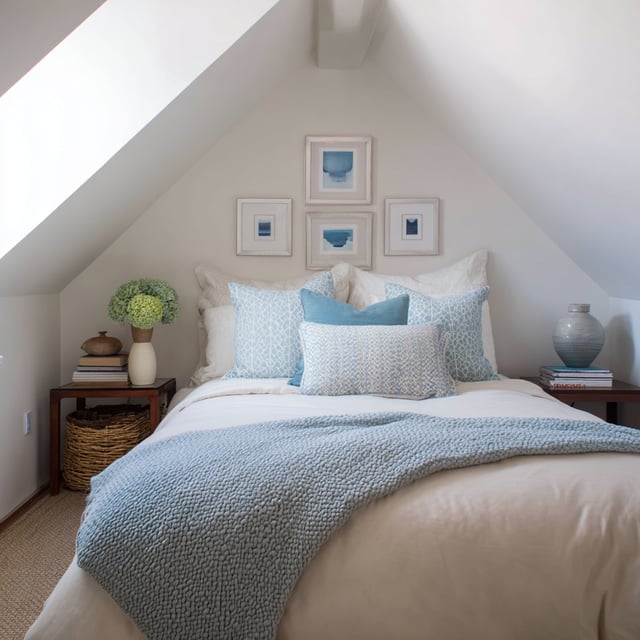
 Cozy attic bedroom with sloped ceilings and blue bedding.

In This Article

    Nearly half the homes in Minneapolis were built before 1940. That's a staggering number, and it means something specific for attic renovations: there's a lot of unused space above a lot of old ceilings in this city, and most of it was framed with steep roof pitches built to handle Minnesota snow loads. Those steep pitches create genuine headroom, the kind that can support a bedroom, a home office, or a studio with real character.

    But converting a Minneapolis attic into livable space isn't just a construction project. It's a design opportunity. The city's housing stock, from Craftsman bungalows in Longfellow to Tudor Revivals in Southwest Minneapolis to foursquares in Powderhorn, each carries a distinct architectural personality. The best attic renovations don't fight that personality. They extend it upward, creating a room that feels like it's always been part of the house.

    Design a Home That’s Uniquely Yours

    Block can help you achieve your renovation goals and bring your dream remodel to life with price assurance and expert support.

    Get Started

    Design choices that feel right in a Minneapolis home

    The aesthetic decisions you make in your attic should feel connected to the rest of the house, not like an afterthought. Here's how to think about it by home style.

    Craftsman attics

    Craftsman design is grounded in natural materials and handcrafted details. Carrying that language upstairs means:

    • Exposed or stained wood elements. Where structure allows, leaving a beam exposed or adding stained wood trim ties the attic to the warmth of the floors below. Douglas fir and white oak are period-appropriate choices.
    • Built-in shelving and window seats. Craftsman homes are known for built-ins, and attic knee walls are a natural place for them. A window seat tucked under a dormer, with storage below, is both functional and consistent with the home's original intent.
    • Warm, matte finishes. Avoid high-gloss or overly modern surfaces. Matte paint, brushed hardware, and natural-fiber textiles (wool rugs, linen curtains) feel at home in a Craftsman space.

    Tudor attics

    Tudor homes invite a bit of drama. The steep rooflines and dark woodwork downstairs can carry into the attic with:

    • Board and batten or paneled accent walls. A single wall with vertical paneling or board and batten, painted in a deep tone or left in a stained wood, references Tudor half-timbering without being literal about it.
    • Arched or peaked details. If your roofline creates a natural peak at the center, leaning into that shape with a vaulted ceiling (rather than flattening it with drywall) gives the room a sense of height and intention. Wrought-iron light fixtures or sconces reinforce the character.
    • Dark-stained trim with lighter walls. This contrast is a signature of Tudor interiors and translates well to an attic bedroom or study.

    Colonial and foursquare attics

    These homes tend toward cleaner lines and more restrained detail. In the attic, that means:

    • Simple, symmetrical layouts. A centered dormer with flanking knee walls, matching closets or storage alcoves on either side. These homes reward balance.
    • Wainscoting or chair rail. A half-wall of painted wainscoting adds visual interest without competing with the sloped ceiling above.
    • Classic materials. Hardwood flooring (or a good-quality engineered alternative), painted wood trim, and straightforward hardware. The goal is polish, not flash.

    Universal design considerations for Minneapolis attics

    Regardless of home style, a few design choices are worth making in any Minneapolis attic:

    • Maximize natural light. Minnesota winters are long and dark, and an attic without good light sources will feel like a cave from November through March. Dormers add both headroom and window area. Skylights on south-facing roof planes capture the most winter light. If you're working with an existing dormer that has a small window, consider enlarging it during the renovation. The cost of a bigger window is modest compared to the difference it makes in livability.
    • Choose flooring that handles temperature swings. Attics experience wider temperature variations than the rest of the house. Engineered hardwood handles expansion and contraction better than solid hardwood. Area rugs add warmth underfoot during cold months. If you're building a bathroom in the attic, heated tile floors (electric radiant mats installed beneath the tile) are worth the added cost in a Minnesota home.
    • Plan for noise. A finished attic adds a living space directly above bedrooms. If the attic will be used as an office or playroom, add a layer of sound-dampening underlayment beneath the finished floor.
    • Think about how you'll use the space year-round. A Minneapolis attic that's comfortable in January and July is a space you'll use 12 months a year. One that's only pleasant in spring and fall is a space you'll avoid half the time. Invest in insulation, climate control, and ventilation with that in mind.

    How Minneapolis homeowners use finished attics

    The right use for your attic depends on your household, but some conversions make particular sense in this market:

    • Primary bedroom suites. In 1½-story Craftsman bungalows, the attic is often the only place a master suite can go. A bedroom, closet, and bathroom on the top floor gives the homeowner privacy and frees up space on the main level.
    • Home offices. With a large percentage of Minneapolis's workforce in knowledge-economy jobs, dedicated home offices have become a real selling point. An attic office is physically separated from the household's daily activity, which is hard to achieve in an open-plan main floor.
    • Kids' rooms and playrooms. For growing families in neighborhoods like Nokomis, King Field, or Standish, adding a bedroom or playroom in the attic can delay the need to move to a bigger house. The sloped ceilings that limit adult headroom at the edges are fine for kids.
    • Creative studios. Northeast Minneapolis has a strong arts community, and the neighborhoods around it (Marcy-Holmes, Southeast) draw residents who value studio space. A well-lit attic with skylights and dormer windows is a natural fit for painting, photography, or textile work.

    Transparent Pricing You Can Trust

    Start your renovation using Block’s Price Assurance. See a detailed cost breakdown with no unexpected expenses along the way.
    Get Started

    What Minneapolis attic renovations cost

    Costs vary based on the condition of your home, the scope of work, and the finishes you choose, but here's a realistic breakdown for the Minneapolis market:

    • Structural reinforcement (sistering joists, adding headers). $2,000 to $8,000, depending on the extent of the work. Nearly all pre-1940 Minneapolis homes need some level of joist reinforcement before an attic can carry living loads.
    • Insulation and ventilation. $3,000 to $8,000. Spray foam insulation runs toward the higher end but performs well in Minnesota's climate. Batt insulation is more budget-friendly but requires careful installation to avoid gaps.
    • Dormer addition. $15,000 to $30,000 per dormer. This is often the biggest single line item, but in homes with hipped roofs (like foursquares), it's hard to create usable space without one. For more details, look to our guide to adding dormers to your attic.
    • Electrical and lighting. $2,000 to $6,000, depending on the current state of your wiring and how many circuits, outlets, and fixtures you're adding.
    • Stairway construction. $3,000 to $10,000. Many Minneapolis attics are accessed through pull-down ladders or narrow hatches that don't meet code for regular use. Building a proper staircase requires space on the floor below.
    • Drywall, flooring, trim, and finishes. $8,000 to $20,000, depending on your material choices and the overall square footage.
    • Full attic conversion (all-in). For a complete project including insulation, electrical, stairway, finishing, and a dormer or two, expect a range of $40,000 to $90,000 in the Minneapolis market. Simpler conversions without dormers or plumbing come in lower.
    • Plumbing (if adding a bathroom). $5,000 to $15,000. Running new supply and drain lines through multiple floors of an older home adds complexity. Cast iron drain pipes, still common in Minneapolis houses from before the 1970s, may need replacement.

    These numbers reflect professional installation with permits. Your contractor's proposal should break costs into line items so you can see exactly where the budget is going.

    Homeowners often overspend on visible finishes and underinvest in systems like plumbing and electrical that protect long‑term performance.

    Practical considerations before you start your attic renovation

    • Insulation is an attic must-have. Minneapolis winters routinely drop well below zero. An underinsulated attic will be uncomfortable and expensive to heat. Spray foam between the rafters is the most common approach for finished attics here, creating both an air seal and a thermal barrier. Your contractor should also plan for continuous ventilation between the insulation and the roof deck to prevent ice dams.
    • Permits and inspections. The City of Minneapolis requires permits for structural, electrical, and plumbing work. If your home is in a designated historic district, exterior changes like dormers may need additional review. Check with your contractor early in the process.
    • Lead paint and asbestos. With so many pre-1940 homes in Minneapolis, lead paint and asbestos are common. Both require professional testing before renovation and proper abatement if found. Budget for this as a separate line item.
    • Stairway logistics. In the narrower footprints of Minneapolis bungalows and foursquares, finding space for a code-compliant staircase is often the trickiest part of the whole project. It may mean giving up a closet or a corner of a second-floor bedroom.
    • Ice dam prevention. Ice dams are a persistent issue on Minneapolis roofs, and a poorly finished attic makes them worse. When warm air leaks into the attic cavity, it melts snow on the roof, which refreezes at the eaves and backs up under shingles. Proper insulation, air sealing, and roof ventilation work together to prevent this. Your contractor should address all three as part of the project, not treat them as optional add-ons.
    • Structural assessment first, design second. Before you pick paint colors or tile, hire a contractor or structural engineer to evaluate your attic's framing. Nearly all pre-1940 Minneapolis homes need joist reinforcement before the attic can support living loads. Knowing the structural scope early prevents costly surprises after the project is underway and helps you set a realistic budget from the start.

    Renovate your attic with experienced Minneapolis pros from Block

    An attic renovation that respects your home's architecture while meeting modern building standards requires a contractor who understands both. The gap between a finished attic that feels like a natural extension of a 1920s Craftsman and one that looks like a generic bonus room comes down to experience and attention.

    Block Renovation matches Minneapolis homeowners with vetted, licensed contractors screened for workmanship quality, professional reputation, and project fit. Share your project details, get matched with up to four qualified contractors, and compare detailed proposals side by side with guidance from a Block project planner. During construction, you're covered by price assurance, progress-based payments, and a one-year workmanship warranty.

    Remodel with confidence through Block

    Happy contractor doing an interview

    Connect to vetted local contractors

    We only work with top-tier, thoroughly vetted contractors

    Couple planning their renovation around the Block dashboard

    Get expert guidance

    Our project planners offer expert advice, scope review, and ongoing support as needed

    Familty enjoying coffee in their newly renovated modern ktchen

    Enjoy peace of mind throughout your renovation

    Secure payment system puts you in control and protects your remodel

    Get Started

    Frequently asked questions

    How long does a Minneapolis attic renovation take?

    Most attic conversions take 8 to 16 weeks from demolition to final walkthrough, depending on scope. Adding a dormer extends the timeline because it involves exterior work that can be affected by weather. If your project requires permits from the City of Minneapolis, factor in additional lead time for approval before construction begins.

    Do I need a permit to finish my attic in Minneapolis?

    Yes, for most work beyond cosmetic updates. The City of Minneapolis requires permits for structural changes, electrical work, and plumbing. If you're adding a dormer or altering the roofline, you'll also need a building permit. Homes in designated historic districts may require additional review for exterior modifications.

    Can I convert my attic if my home has truss framing?

    Truss framing, common in homes built after the 1950s, uses a web of interconnected lumber that can't be cut or modified without compromising the roof's structural integrity. In most cases, this makes a full attic conversion impractical. Rafter-framed homes (common in Minneapolis's pre-war housing stock) are much better candidates.

    Will a finished attic increase my home's value in Minneapolis?

    A well-done attic conversion that adds a bedroom, bathroom, or livable square footage can meaningfully increase your home's assessed value and resale appeal. The impact depends on the quality of the work and whether the new space meets code requirements to count as habitable area. Adding a bedroom and bathroom to a 1½-story Craftsman, for example, is a strong value play in this market.

    How do I keep my finished attic comfortable in Minnesota's climate?

    Proper insulation (spray foam between the rafters is the most effective approach), continuous roof ventilation to prevent ice dams, and a dedicated heating and cooling source (a ductless mini-split is the most popular option) are the three pillars. Without all three, you'll have a room that's too hot in summer, too cold in winter, or both.