




.png?width=640&name=u5821215421_Apartment_Therapy_style_home_tour_photograph_sing_a3a1e050-1d33-4891-9440-72d3268ea754_3%20(1).png)
Indiana
Custom Home Building in Fort Wayne, IN: A Practical Guide
05.14.2026

01.21.2026


In This Article
Westfield blends small-town roots with rapid growth, from the charm near Downtown Westfield to the newer streetscapes around Harmony and neighborhoods like Centennial and Maple Glen. You see that contrast in the bathrooms too: original spaces near the historic core often feel tight and dated, while newer builds lean more toward builder-basic finishes that age quickly.
A bathroom remodel in Westfield can make daily life calmer and more comfortable. You can warm up cold winter mornings, control humidity during sticky summers, and choose finishes that stand up to hard water without constant scrubbing. You also protect resale value in a market where buyers quickly notice ventilation quality, tile condition, and storage.
Design a Home That’s Uniquely Yours
Block can help you achieve your renovation goals and bring your dream remodel to life with price assurance and expert support.
Get Started
Bathroom remodeling in Westfield usually tracks close to national mid-market pricing. Costs shift based on how much you open walls or move plumbing, the age of your home, and how busy local contractors are, especially during peak spring and summer seasons.
|
Project scope |
Cost range in Westfield |
|---|---|
|
Cosmetic bathroom updates |
$4,500–$12,000 |
|
Mid-level bathroom renovations |
$15,000–$35,000 |
|
Major bathroom overhaul |
$40,000–$85,000+ |
Cosmetic bathroom updates ($4,500–$12,000). You are mainly refreshing surfaces and fixtures while leaving the layout, plumbing locations, and shower or tub structure in place. In Westfield, this often looks like repainting with a mildew-resistant paint, swapping a builder-grade vanity for a stock 36" unit, installing a new toilet, upgrading lighting, and laying new LVT or sheet vinyl. You might keep an existing fiberglass tub surround or cultured marble top to stay in the lower half of the range.
Mid-level bathroom renovations ($15,000–$35,000). Here you usually upgrade more elements at once and improve function, not just looks. That might mean a new vanity with solid-surface top, full-height tile on tub or shower walls, new flooring, better ventilation, and updated plumbing fixtures while generally keeping drains in similar locations. In older Westfield homes, you may also replace some galvanized or aging copper lines and add GFCI outlets or better lighting, which pushes toward the mid or upper range.
Major bathroom overhauls ($40,000–$85,000+). In this tier, you are changing the footprint, moving plumbing, or rebuilding the shower or tub area from the studs with full waterproofing. Examples include converting a tub to a walk-in shower, moving the toilet for better clearances, or stealing space from a closet to create a larger primary bath. In Westfield’s older houses, you should also plan for subfloor repairs, new vent routes, or electrical upgrades for heated floors and dedicated lighting circuits. Custom tile work, frameless glass, and higher-end fixtures are the main drivers on the upper end.

“Labor is often the largest expense in a bathroom renovation, especially when plumbing locations change. If the existing layout works, keeping fixtures where they are can save thousands in labor and materials”
Your priorities will shift depending on your household, budget, and how long you plan to stay. Still, in Westfield there are recurring themes: managing cold winters and humid summers, choosing materials that tolerate hard water, dealing with quirks in older homes, and making both large and small baths feel easier to clean.
Westfield winters bring snow, ice, and real windchill, so bathrooms on exterior walls can feel drafty and cold. By July and August, humidity and stormy weather create the opposite problem: trapped moisture and slow-drying towels. Your remodel is an opportunity to quietly address both extremes so the room feels comfortable instead of being the coldest spot in January and the muggiest in July.
Upgrade insulation and air sealing on exterior walls. If your bath backs up to the outside of the house, ask your contractor to check insulation levels and seal gaps around plumbing penetrations. Better insulation and air sealing help tile, paint, and grout last longer and keep winter condensation off cold surfaces.
Choose flooring that stays safe with snow and slush. In Westfield, small powder rooms off the garage or mudroom often see wet shoes and pet paws. A textured porcelain or a tile rated for slip resistance gives you better footing than glossy finishes when the floor gets damp.
Check that the exhaust fan is correctly sized and actually vented outside. Many older baths either lack a fan or exhaust into the attic. Ask for a fan sized to the room’s cubic footage, with a quiet rating, and make sure ducting goes to an exterior vent hood that will not get iced in winter.
Use reliable waterproofing in showers and around tubs. Freeze–thaw swings can stress caulk lines and grout. Having a continuous waterproofing membrane behind tile gives you a margin of safety if surface joints eventually crack, especially on exterior walls.
Moderately hard to hard water across much of Westfield leaves mineral spotting on faucets and glass and can clog fine spray nozzles over time. You likely already see it on your kitchen sink or dishwasher. In a bathroom, the right fixtures and finishes make it easier to keep surfaces clear without constant scrubbing.
Choose brushed or satin metal finishes rather than mirror-polished chrome. Brushed nickel, brushed stainless, or similar finishes show fewer hard water spots and tiny scratches, so your faucets and shower trim look cleaner between deep cleans.
Ask for easy-clean or coated shower glass. Many manufacturers offer glass with a factory-applied treatment that helps reduce mineral buildup. Combined with a quick squeegee after showers, it buys you more time between full scrubs.
Select showerheads with removable faces or rubber nozzles. Models that let you rub or remove the faceplate make it simpler to clear mineral buildup, so you avoid that “weak spray” problem a few years into ownership.
Discuss a water softener if scaling is extreme. If you already see heavy white crust on faucets or around the water heater, adding or upgrading a softener during your remodel can protect new valves, cartridges, and glass long term.
Westfield’s summer humidity can turn a quick shower into lingering dampness. Over time, that moisture worsens peeling paint, moldy caulk, and musty odors. Bathroom remodeling is the right moment to correct ventilation, wall materials, and finishes so your new space actually stays dry.
Install a humidity-sensing exhaust fan. These fans automatically run longer when humidity is high and then cycle down, so you are not relying on guests or kids to remember to flip a switch for the right amount of time.
Use moisture-resistant drywall or cement board where needed. Behind tile and in splash zones, ask your contractor about cement board or appropriate backer board. In non-tiled areas, moisture-resistant drywall can slow deterioration.
Specify mold- and mildew-resistant paint. A higher-quality bathroom paint on walls and ceiling stands up better to repeated steaming and makes it easier to wipe down any early spots.
Consider larger-format tile on walls and floors. Bigger tiles mean fewer grout joints where moisture and discoloration show up first. This can be especially useful in showers that see daily use.
Add a timer or smart control to the fan. A simple 20–60 minute timer switch encourages proper run time without leaving the fan on all day, which is helpful in kids’ baths and guest baths.
In areas with more multifamily housing and townhomes, renters tend to judge a property quickly by the bathroom: it signals how the rest of the home has been maintained. For you as an owner, the goal is durability and quick turnover between tenants without sacrificing appeal in listing photos.
Pick mid-tone, resilient flooring that hides day-to-day debris. LVT or porcelain tile in a medium tone does a better job disguising hair and dust than very light or very dark floors, which reduces how often the space looks “dirty.”
Use a one-piece toilet if budget allows. Fewer seams make cleaning easier and reduce long-term leak points, which is helpful when you cannot rely on tenants to notice small issues early.
Choose a simple vanity with a replaceable top. If a tenant chips the counter or stains it with cleaners, you can swap just the top in a future refresh without redoing all cabinetry and plumbing rough-in.
Repeat satin or brushed hardware across units. These finishes hide hard water spotting better and keep your supply list consistent across multiple bathrooms or units.
Add a curved rod or basic glass panel in showers. These low-cost upgrades make spaces feel larger in online photos and daily use without moving plumbing.
Install fan timer switches. Timers or humidity-sensing controls help keep moisture in check even when tenants forget to manage ventilation.
Stay with neutral, classic wall tile. Clean, neutral tile and paint colors photograph well and work with many decorating styles, so you are not repainting or retiling just to freshen the listing.
Renovate now, pay later
Achieve the space you're looking for today, while financing it over time with our trusted partner.*
*Not available in NYC
Learn More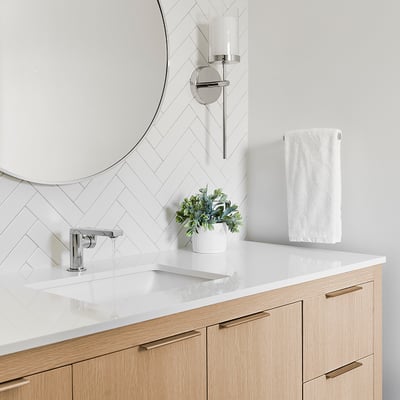
Westfield includes everything from newer subdivision homes to Craftsman bungalows, ranches, colonials, and mid-century layouts. Aligning your bathroom design with your home’s architecture usually makes the finished space feel like it belongs instead of looking copied from a generic inspiration photo.
Craftsman homes in and around Westfield tend to emphasize natural materials, visible trim, and built-in character. Bathrooms that respect those cues feel warm and grounded, even if the footprint is modest.
Use shaker or inset-style vanities. These echo the strong, simple millwork profiles you often see in Craftsman casing and doors.
Choose classic tile patterns. Hex mosaics on the floor or simple subway tile on the walls nod to early 20th-century details without feeling fussy.
Pair wood tones with soft metal finishes. Stained wood vanities or shelving with brushed nickel or aged brass fixtures complement Craftsman trim rather than competing with it.
Work in built-ins where possible. Recessed shelving, tiled niches, or a shallow cabinet above the toilet fit naturally with the “built-in” character typical for this style.
Keep lighting simple and proportionate. Wall sconces with gentle curves and opaque shades provide soft, flattering light that suits the architecture.
Westfield’s ranch homes often have straightforward lines and practical layouts, which gives you flexibility in updating the baths. The goal is usually clean, functional, and easy to navigate on a single level.
Consider low-threshold or curbless showers. Single-story living pairs well with baths that are friendly for aging in place or multigenerational homes.
Use longer vanities where the wall allows. Many ranch baths sit on long exterior walls, so you can gain storage and counter space without crowding the room.
Keep tile layouts straightforward. Large-format rectangular tile or simple stacked layouts reflect the home’s no-nonsense geometry and simplify cleaning.
Strengthen lighting to make up for smaller windows. Recessed ceiling lights plus well-placed vanity lighting help when the bath only has a small slider or no window at all.
Maintain open sightlines. Clear glass and lighter finishes keep the space feeling open along long interior hallways.
Colonial homes around Westfield usually have more formal symmetry and traditional trim. Bathrooms that respond to that structure feel orderly and calm.
Center key features when possible. A centered vanity with matching sconces or a balanced double vanity layout harmonizes with the home’s façade and interior rhythm.
Choose fixtures with gentle curves. Faucets and lighting with subtle traditional shapes complement paneled doors and crown molding better than ultra-angular pieces.
Use marble-look porcelain or similar classics. Porcelain that mimics marble pairs well with colonial interiors and offers easier maintenance than real stone in a hard-water area.
Introduce wainscoting or paneled details. Tiled or wood-look wainscot around the room ties the bath back to other formal spaces, as long as materials are moisture-appropriate.
Stick with restrained color palettes. Black, white, soft grays, and muted neutrals keep the bath feeling aligned with the rest of the home’s more traditional spaces.
Some Westfield neighborhoods include mid-century or mid-century-inspired homes with cleaner lines and less ornate trim. Bathrooms in these homes benefit from a simple, confident materials palette.
Use flat-panel cabinetry. Slab doors in wood veneer or painted finishes give a period-appropriate, unfussy look.
Play with geometry. Stacked rectangular tile, penny rounds, or a bold feature wall can echo mid-century patterns without overwhelming the space.
Pair warm woods with crisp metals. Walnut or white oak with matte black or polished chrome fixtures works well in these homes.
Choose large, unframed mirrors. A wide mirror over the vanity increases light and reinforces horizontal lines common in mid-century design.
Keep accessories minimal. Let tile, fixtures, and one or two focal elements carry the design so the room feels intentional rather than busy.
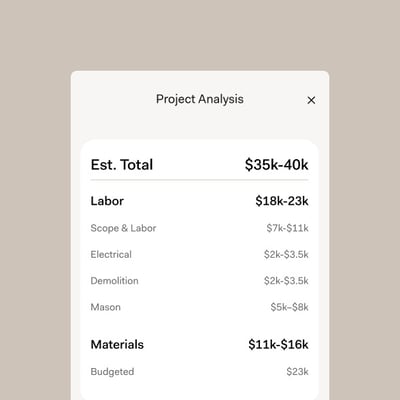
Renovation Studio is designed to help you work through layout and finish choices in a structured, visual way before anyone starts demolition. You can see how different tile sizes interact with your room’s proportions, compare vanity styles against existing windows, and understand the cost impact of keeping versus moving plumbing.
For a Westfield homeowner, that level of clarity can matter a lot. Maybe you are deciding between a larger shower or preserving a linen closet, or debating if a curbless shower is worth the extra waterproofing cost in an older home. By mapping scope to budget up front, you reduce the chances of mid-project changes that delay work or add unexpected cost.
Know the Cost Before You Start
Once you are confident in your design and scope, the next step is finding the right contractor for your Westfield bathroom remodel. Block connects you with contractors who take on bathroom projects similar in size and complexity to yours, which can save you time compared with starting from a blank list of names.
Projects on the platform use milestone-based payments and structured processes aimed at keeping work organized and transparent. Block Protections add another layer of reassurance during construction so you can focus on decisions that affect your daily experience in the finished room: how the shower feels, how easily you can clean, and how comfortable the bath will be in January and July.
Remodel with confidence through Block

Connect to vetted local contractors
We only work with top-tier, thoroughly vetted contractors

Get expert guidance
Our project planners offer expert advice, scope review, and ongoing support as needed

Enjoy peace of mind throughout your renovation
Secure payment system puts you in control and protects your remodel


Renovate confidently with Block
Easily compare quotes from top quality contractors, and get peace of mind with warranty & price protections.
Indiana
Custom Home Building in Fort Wayne, IN: A Practical Guide
05.14.2026

Garage
Indianapolis, IN Garage Renovation: Costs, Tips & Local Styles
04.10.2026

Indiana
Kitchen Remodel in Fort Wayne, IN: Costs & Tips
04.09.2026

Indiana
Custom Home Building in Indianapolis, IN | Costs & Guide
03.05.2026

Indiana
Kitchen Remodel Costs & Tips in Indianapolis, IN
02.11.2026