



Bathroom Remodel in Baltimore, MD: Costs and Smart Local Upgrades

Budget your upcoming Baltimore bathroom remodel with help from Block
How we get your estimate
Fill out the form above to either connect with contractors for a personalized quote or estimate your costs with Block's Renovation Studio.
A light-filled bathroom features a double vanity with a light-colored countertop and wooden open shelving, two rectangular mirrors, two woven sconces, and several potted plants, with a patterned rug on the floor.

In This Article

    Baltimore’s charm comes from its waterfront energy, storied brick architecture, and neighborhoods that each feel like their own small town. From Federal Hill and Canton to Hampden and Mount Vernon, your bathroom often reflects the era and layout of your home, not just your finish choices.

    That means a “standard” remodel usually needs a local lens. When you update a bathroom here, you are working around brick party walls, aging plumbing, hot and humid summers, and the constraints of narrow rowhouse footprints. A thoughtful plan can make your bathroom more comfortable day to day, protect an older home’s structure, and keep the property competitive in a market with a lot of renters and aging housing stock.

    Turn your renovation vision into reality

    Get matched with trusted contractors and start your renovation today!

    Find a Contractor

    Typical costs of bathroom remodeling in Baltimore

    Bathroom remodeling costs in Baltimore tend to track national finish prices, but labor and older-home conditions push many projects toward the higher end of national ranges. Tight access, stacked plumbing, and structural surprises behind plaster or tile are common reasons budgets creep.

    Project scope

    Cost range in Baltimore

    Cosmetic bathroom updates

    $4,500–$12,000

    Mid-level bathroom renovations

    $15,000–$35,000

    Major bathroom overhaul

    $35,000–$75,000+

    Cosmetic bathroom updates. These projects typically include paint, a new vanity, updated lighting, a new toilet, and swapping out faucets and accessories. They usually exclude moving plumbing, retiling a shower pan, or replacing failed subflooring and framing. In Baltimore, a common example is refreshing a rowhome hall bath with an off-the-shelf vanity, a prefabricated mirror, and budget-friendly ceramic subway tile as a backsplash. Lower-budget materials often include chrome fixtures, laminate or cultured-marble vanity tops, and standard-grade LVP if the layout allows a floating floor install.

    Mid-level bathroom renovations. These projects often include a full tile surround or shower kit replacement, a new vanity and top, upgraded lighting, and a ventilation fan improvement. Layout typically stays the same, but plumbing fixtures may be replaced and the room gets more cohesive waterproofing and finishes. Homeowners often choose mid-range porcelain tile, a semi-custom vanity size, and better storage without changing the footprint.

    Major bathroom overhauls. These projects usually involve significant demolition plus waterproofing upgrades and may include layout changes. Costs rise quickly when you move supply and drain lines, open structural walls, or need extensive remediation after discovering rot, mold, or outdated wiring. Examples include moving a wall to take space from a closet, converting a tub alcove into a curbless shower with a linear drain, or adding a double vanity where a single once stood. Premium fixtures like a wall-hung toilet carrier system, a thermostatic shower valve, or a heated floor also push the budget upward. In Baltimore, tight access, shared party walls, and limited staging space can add time and labor, especially in dense rowhome blocks.

    Whatever scope you are planning, it is smart to include a contingency line in your budget. In older Baltimore housing, 10–20% is often realistic because plumbing and framing behind tile can date back decades.

    Danny Wang-Block Renovation copy-Feb-11-2026-10-00-51-0400-PM

    “In a bathroom, spend on the things you touch every day. Quality plumbing fixtures and vanities protect you from leaks, repairs, and costly problems down the line.”

    What Baltimore residents commonly care about when renovating their bathroom

    Even within a single block, two Baltimore bathrooms can be completely different in layout, condition, and mechanical systems. Still, many homeowners here share priorities: handling humidity, working around older construction, squeezing function into small rooms, and choosing materials that hold up when you have renters or frequent guests.

    Anticipating Baltimore’s extreme climate with smart bathroom design

    Baltimore swings from sticky summer heat to winter cold snaps with snow and ice. Bathrooms feel those shifts intensely because of steam, exterior walls, and frequent water use. In older rowhomes and pre-war houses, insulation and air sealing are often inconsistent, so your bathroom can feel clammy in July and drafty in January unless you plan for it.

    • Prioritize a properly sized exhaust fan with a timer or humidity sensor. A strong, quiet fan that vents outside helps clear steam during muggy summers, which reduces peeling paint, fogged mirrors, and mildew patches on ceilings.
    • Choose vapor-resistant paint and quality grout with sealer. Bath-rated paint and well-sealed grout cope better with seasonal expansion and contraction, cutting down on hairline cracks and stains that can appear on exterior walls.
    • Insulate exterior walls and around windows when they are open. If you are replacing a tub or shower on an outside wall, adding insulation and air sealing at that stage can reduce winter condensation and make the room more comfortable for years.
    • Use materials that handle wet-to-dry cycling. Porcelain tile, properly detailed cement board or foam backer, and sealed stone hold up better through Baltimore’s humid summers and dry winter heating than low-grade MDF or unsealed softwoods.

    Designing your Baltimore bathroom to stand up to high humidity

    High summer humidity layered on top of shower steam can leave your bathroom feeling heavy and damp. In many city rowhomes, there is only a small window or no window at all, so mechanical ventilation carries the load. Good detailing keeps that moisture from settling into grout, trim, and framing.

    • Install a quiet, high-CFM fan vented outdoors. Oversized, noisy fans tend to stay off; a quiet unit sized correctly for the room and ducted to the exterior will actually get used and move the humid air out.
    • Use cement board or foam backer in wet zones. In tub and shower areas, tile over cement board or foam panels rather than regular drywall significantly improves resistance to prolonged moisture exposure.
    • Specify mold-resistant caulk at all changes of plane. Flexible, mold-resistant caulk at corners and along tubs helps prevent those joints from cracking and darkening as the house shifts through the seasons.
    • Limit grout lines where you can. Larger-format porcelain floor and wall tiles reduce grout area, giving mildew fewer places to grow and making cleaning easier in a humid climate.
    • Add a timer or humidity-sensing switch. A simple control that runs the fan 20–30 minutes after a shower can be one of the most effective defenses against persistent humidity and odors.

    Budgeting for older homes’ bathroom needs

    Many Baltimore neighborhoods have housing that dates back a century or more. Plumbing and electrical work were often updated in stages, and some baths saw multiple partial remodels. Once you open walls or floors, it is common to find conditions that need attention for safety and code compliance.

    • Plan for partial plumbing upgrades. Old galvanized, cast iron, or a patchwork of materials can require replacement runs, new shutoffs, or updated venting. This adds both labor and patching costs but reduces risk of leaks and clogs later.
    • Expect leveling and straightening work. Floors and walls in older rowhomes are often out of level or out of plumb. Bringing them into tolerance for tile and cabinets can add carpentry hours but pays off in better tile lines and door operation.
    • Assume some subfloor repair near wet zones. Past leaks around a tub, shower, or toilet can rot subflooring. Replacing damaged sections before installing tile or LVP is critical for safety and to prevent grout cracking.
    • Include electrical updates in your scope. Many older baths still have limited outlets, no dedicated circuit, or no GFCI protection. Reworking wiring for safety, better lighting, and code compliance is often not optional once work begins.
    • Address fan ducting properly. Older homes often vent fans into attics or not at all. Running a new duct to the exterior, even if it means extra patching, protects your roof framing and insulation from moisture.

    Making the most of smaller bathroom footprints

    Many Baltimore rowhouses and older single-family homes have compact bathrooms. Narrow widths, inward-swinging doors, and low knee walls under sloped roofs can all limit how you move through the room. Layout and visual tricks matter.

    • Use a wall-hung or shallow-depth vanity. Pulling the vanity off the floor or choosing a shallower cabinet can create more visible floor area and better walking clearance.
    • Change the door type or swing where code allows. A pocket door or out-swing door can drastically improve usability in narrow baths by keeping floor area free.
    • Use a larger mirror or recessed medicine cabinet. A wide mirror or mirrored storage helps bounce light, which is particularly helpful in interior rowhome baths with limited windows.
    • Choose clear glass for shower enclosures. A simple glass panel or door avoids visual barriers that make an already narrow room feel chopped up.
    • Keep floor and shower tile consistent. Running the same tile across the room and into the shower makes the footprint feel longer and more open, especially in small rowhouse baths.

    Renovating bathrooms for renters – smart design tips

    Baltimore has a large renter population, from students to medical staff to long-term tenants. In rental units, the bathroom heavily influences how “updated” a space feels, but you also need finishes that can handle turnover and varied cleaning habits.

    • Use porcelain tile on the floor. It resists chipping and staining better than many other options and is easier to clean between tenants, especially in high-traffic rowhouse and apartment units.
    • Stick to a bright, neutral wall color. A soft white or light neutral makes small baths feel larger and simplifies touch-ups when one tenant moves out and another arrives.
    • Choose a durable, easy-to-service toilet. Standard rough-in sizes and common parts let your maintenance team or plumber fix problems quickly without custom ordering.
    • Use a fiberglass or acrylic shower base. Prefabricated pans are quick to install, easier to clean, and more forgiving of dropped items than fully tiled floors in heavily used rentals.
    • Include a medicine cabinet for closed storage. Tenants get somewhere to tuck away products, which helps the bathroom stay visually tidy and reduces clutter on the vanity top.
    • Upgrade to sturdy hardware. Towel bars, hooks, and accessories rated for heavier use reduce the chances of frequent reattachment or replacement.

    Renovate now, pay later

    Achieve the space you're looking for today, while financing it over time with our trusted partner.*

    *Not available in NYC

    Learn More
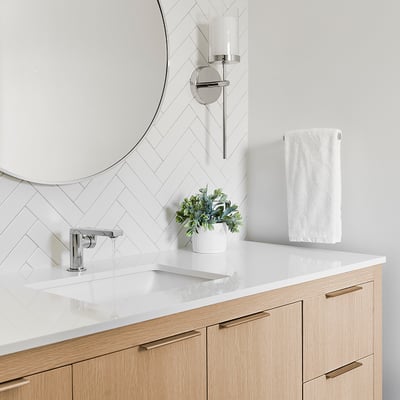
    Finding inspiration for your Baltimore remodel in your home’s architectural roots

    Baltimore’s housing stock ranges from Federal-era rowhomes to Victorian townhouses, Craftsman bungalows, and Tudor Revival homes. Instead of forcing a generic style onto your bathroom, you can pull cues from your home’s original character so the new space feels like it belongs there while still giving you modern function.

    Look at your existing trim, window proportions, stair details, and even brick patterns. Those elements can guide your choices in tile scale, metal finishes, cabinet style, and color palette.

    Ideas for Federal rowhouse bathrooms in Baltimore

    Federal rowhouses in Baltimore are usually narrow and vertically stacked with masonry party walls. Interiors tend toward simple trim profiles and straightforward proportions, and the bathrooms are often compact and tucked near the stairs.

    • Limit major plumbing moves. Since party walls can be difficult and expensive to open, keeping toilets and stacks in roughly the same location often makes the most sense.
    • Use classic small-scale tile. Hex or simple mosaic floors and narrow subway tiles suit the modest, straight-lined feel of these homes and work well in tighter rooms.
    • Choose restrained metal finishes. Polished or aged brass-style fittings can echo historic hardware without feeling overly ornate for a Federal interior.
    • Consider a pedestal sink or slim vanity. These options respect tight passageways and keep visual weight light in a narrow room.
    • Rely on recessed storage where possible. Medicine cabinets and shallow niches built into walls preserve walk space in compact baths.

    Ideas for Victorian townhouse bathrooms in Baltimore

    Victorian townhouses often feature high ceilings, detailed trim, and layered ornament. They can handle more decorative choices, but you still need to address moisture carefully to protect original woodwork and plaster.

    • Align wainscoting and tile with ceiling height. Taller wainscoting, beadboard, or tile up to a generous chair-rail height can feel proportionate in rooms with higher ceilings.
    • Use patterned tile sparingly but purposefully. A mosaic floor, border pattern, or accent niche can echo historic detail without competing with existing moldings and doors.
    • Disguise modern ventilation as much as possible. Choose low-profile grilles and fan housings so they do not distract from original trim and ceiling medallions.
    • Allow for extra wall prep. Older plaster or layered paint can require more smoothing before tile or new finishes go up, which affects your labor budget.
    • Select vintage-inspired lighting with modern ratings. Fixtures that nod to gaslight or early electric styles but are rated for damp locations keep both safety and style in balance.

    Ideas for Craftsman-style bathrooms in Baltimore

    Craftsman-influenced homes in Baltimore often emphasize sturdy trim, natural materials, and practical layouts. Bathrooms that match that attitude feel grounded, functional, and warm.

    • Use matte or satin finishes in warm metals. Brushed nickel, bronze, or warm brass reads well with woodwork and avoids a high-gloss look that can clash with Craftsman elements.
    • Choose simple shaker or slab cabinetry. Cabinet doors with clean lines echo the built-ins and casing profiles often found in these homes.
    • Lean into earthier tile tones. Greens, browns, and warm neutrals pair nicely with wood trim and help the bathroom feel like an extension of the rest of the house.
    • Integrate built-in storage where possible. Recessed shelves, niches, or small built-ins support the Craftsman focus on function and craftsmanship.
    • Pick substantial, well-made fixtures. Sturdy faucets, towel bars, and hooks align with the solid feel of Craftsman construction and hold up under daily use.

    Ideas for Tudor Revival bathrooms in Baltimore

    Tudor Revival homes often bring steep roofs, arched openings, and a cozy interior feel. Bathrooms may have angled ceilings and deep walls, which influence where fixtures and tall storage can go.

    • Plan around sloped ceilings carefully. Position tubs or lower fixtures where headroom is tight, and reserve full-height shower areas for locations with more vertical clearance.
    • Use textured or stone-look tile. Materials that mimic stone, brick, or hand-crafted finishes echo the layered character of Tudor exteriors and interiors.
    • Choose darker or warmer metals. Oil-rubbed bronze or warm brass fits naturally with the richer, cozier palette these homes usually have.
    • Incorporate curved or arched details. An arched mirror, niche, or subtle curve in the vanity can quietly reflect the home’s existing arches.
    • Layer lighting for balance. Ceiling lights, sconces, and possibly a small recessed fixture in the shower help offset the shadows that often come with thick walls and nooks.

    Visualize and budget your bathroom remodel with Renovation Studio

    Renovation Studio is Block Renovation’s planning experience that helps you move from ideas to a clear remodel plan before construction begins. It lets you visualize your renovation with a realistic 3D design so you can see how finishes and layout choices come together.

    You can also get a scope and budget that is specific to your bathroom’s size, condition, and goals rather than relying only on rough averages. For a bathroom remodel in Baltimore, using Renovation Studio early makes it easier to weigh tradeoffs, such as spending more on waterproofing and ventilation in an older rowhome and simplifying tile patterns to stay within budget.

    Bring Your Dream Bathroom to Life
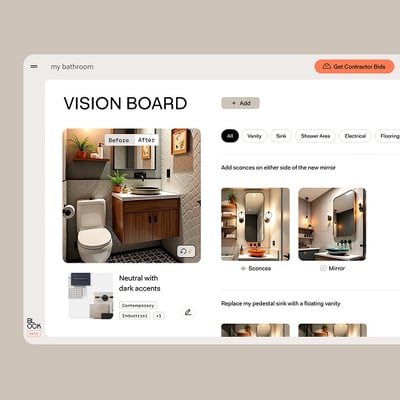
    Explore stunning design ideas, materials, and color schemes tailored to your space—no guesswork, just inspiration.
    Start Designing

    Ready to build? Let Block help you find top-rated contractors in Baltimore

    Block matches homeowners with vetted contractors based on project needs, location, and goals, which can shorten the time you spend searching and interviewing on your own. For bathroom renovations in Baltimore, this can be especially helpful if you need a pro comfortable with older plumbing, tight access, and rowhouse-specific challenges.

    Block Protections apply to qualifying projects and are designed to add peace of mind during the remodeling process. Block also uses a structured payment process tied to project progress, which helps keep work and expectations aligned from demolition through final punch list.

    Remodel with confidence through Block

    Happy contractor doing an interview

    Connect to vetted local contractors

    We only work with top-tier, thoroughly vetted contractors

    Couple planning their renovation around the Block dashboard

    Get expert guidance

    Our project planners offer expert advice, scope review, and ongoing support as needed

    Familty enjoying coffee in their newly renovated modern ktchen

    Enjoy peace of mind throughout your renovation

    Secure payment system puts you in control and protects your remodel

    Get Started

    Inline Global CTA: About Block


    When is the best time of year to remodel a bathroom in Baltimore?

    Many Baltimore homeowners schedule bathroom work in spring or fall because temperatures are moderate, humidity is lower than peak summer, and opening windows briefly for ventilation is more comfortable. That said, the best time is often when you can secure a strong contractor and you have flexibility for temporary bathroom arrangements, since calendars can fill quickly.

    Generally, what kind of bathroom features do Baltimore homebuyers value?

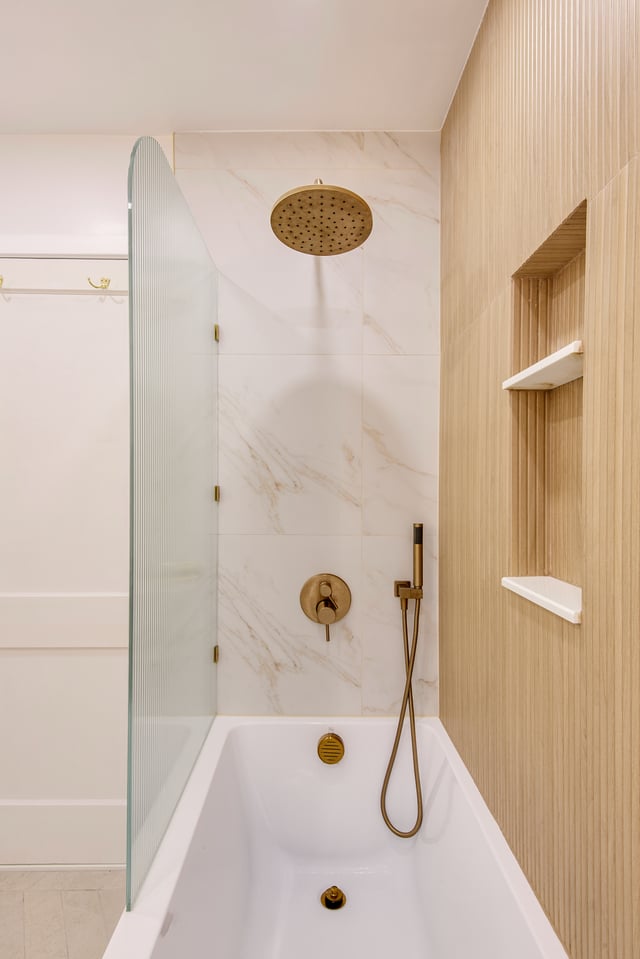
    Baltimore buyers often value a bathroom that feels clean, bright, and easy to maintain, with strong ventilation, modern lighting, and durable finishes. Double vanities where space allows, walk-in showers with well-placed niches, and classic tile choices usually read as quality upgrades in many neighborhoods.

    What are common design themes for bathrooms in Baltimore?

    Common themes include classic white tile with contrasting grout, warm brass or matte black hardware, and a mix of traditional forms with streamlined lighting and mirrors. Many homeowners also focus on rowhome-friendly solutions like compact vanities, recessed medicine cabinets, and glass showers to keep tight spaces feeling open.


    Frequently asked questions

    What are common design themes for bathrooms in Baltimore?

    Common themes include classic white tile with contrasting grout, warm brass or matte black hardware, and a mix of traditional forms with streamlined lighting and mirrors. Many homeowners also focus on rowhome-friendly solutions like compact vanities, recessed medicine cabinets, and glass showers to keep tight spaces feeling open.

    Generally, what kind of bathroom features do Baltimore homebuyers value?

    Baltimore buyers often value a bathroom that feels clean, bright, and easy to maintain, with strong ventilation, modern lighting, and durable finishes. Double vanities where space allows, walk-in showers with well-placed niches, and classic tile choices usually read as quality upgrades in many neighborhoods.

    When is the best time of year to remodel a bathroom in Baltimore?

    Many Baltimore homeowners schedule bathroom work in spring or fall because temperatures are moderate, humidity is lower than peak summer, and opening windows briefly for ventilation is more comfortable. That said, the best time is often when you can secure a strong contractor and you have flexibility for temporary bathroom arrangements, since calendars can fill quickly.