




Apartment and Condos
Condo Renovation Contractor, Costs & Design
06.26.2026
01.21.2026


In This Article
Remodeling an apartment offers unique rewards and distinct challenges, from board approvals to space constraints. Whether you own your unit, rent, or manage an apartment as a landlord, understanding the nuances of apartment remodeling can help you avoid delays, control costs, and make all the right upgrades. Here’s what to consider as you plan your project.
While both types of renovations share a focus on comfort, utility, and personalization, apartments come with a very different set of realities compared to single-family homes.
Building regulations and permissions: Apartment renovations often require sign-off from a condo board or co-op association—on top of any permits needed from the city. Unlike detached houses, your remodel can affect neighbors, so boards may call for extra documentation, proof of contractor insurance, and even reference checks. Getting approvals can take longer and may restrict which changes you’re allowed to make.
Shared utilities and infrastructure: Adjustments to plumbing, electrical, or HVAC systems in an apartment can have ripple effects on neighboring units. For example, relocating a kitchen sink might not be a simple update—it could require permission to cut into shared water lines or alter building-wide drainage. This frequently means added complexity and the need for licensed contractors who can work within those boundaries.
Access and moving materials: Apartment hallways are often narrow, and many buildings—especially prewar ones—don’t have elevators. Moving materials, tools, and debris becomes a logistical challenge, requiring careful scheduling and manpower. In no-elevator buildings, contractors may face extra time and costs navigating stairwells and tight hallways. Materials might have to be carried in smaller loads, increasing labor time, and protection for common areas becomes essential to avoid building violations or damage.
Building logistics: If your building does have an elevator, expect to reserve it for designated windows—which may book up weeks in advance, especially during spring and summer renovation rushes. Crews must coordinate not only deliveries, but also removal of waste, all while following strict building rules about noise, work hours, and access routes.
Waste disposal: Unlike single-family homes, apartments have no curbside dumpsters or outdoor storage for debris. Waste must be bagged, transported through hallways and service elevators, and removed without disturbing neighbors or damaging common areas. In many cities, debris removal is regulated and may require you to use licensed hauling services or obtain special permits. Overflow or improper disposal can lead to expensive building fines or project shutdowns.
Noise, dust, and working hours: Apartments share walls, ceilings, and floors with other homes, so noise and dust must be strictly controlled. Most buildings set specific work hours to protect residents’ peace, and may even pause all construction during certain holidays or peak co-op board seasons. Construction dust can also travel rapidly through shared ventilation or hallways, requiring extra barriers and communication with your neighbors.
Design a Home That’s Uniquely Yours
Block can help you achieve your renovation goals and bring your dream remodel to life with price assurance and expert support.
Get Started
Apartment remodeling requires a higher level of logistical coordination than single-family homes. Here’s what to anticipate as you plan:
Approval process: Most renovations start with a board review or property management sign-off. Boards often require detailed plans, contractor credentials, license and insurance paperwork, and possibly even a security deposit. The approval process sets the parameters for your remodel and can significantly impact your timeline, especially if plans need to be resubmitted for changes.
Elevator reservations: Contractors must reserve service elevators for moving materials and debris. In peak seasons, you may wait several weeks for a slot, and your project timeline should factor in this coordination. If your building doesn’t have an elevator, plan for longer labor times as crews haul everything up and down the stairs by hand.
Parking and deliveries: Loading zones are often scarce, especially in dense urban neighborhoods. Expect to schedule deliveries carefully and secure temporary parking permits to avoid delays. Delivery windows may be limited by building policy.
Noise restrictions: Work is limited to set hours—often something like 9AM to 4PM, Monday to Friday. Crews must minimize loud activity and may be prohibited from using certain tools or equipment during sensitive hours.
Waste disposal: As mentioned before, apartment waste must be bagged and removed in strict accordance with building and city guidelines. Debris is often not allowed in regular garbage, and larger projects require licensed removal services or specially designated dumpsters. Crews must also protect hallways, elevators, and common areas with padding or floor coverings during all this work, to avoid damage (and fees).
Tight spaces: Narrow corridors or stairwells can make moving oversized cabinets, appliances, or construction debris extra challenging. Detailed planning—sometimes even a practice “test run” with cardboard cutouts—is required to confirm that large items can get in and out safely.
If you’re renting, remodeling is almost always subject to your lease and your landlord’s direct permission. More often than not, major changes are forbidden. Here’s what may be possible.
Paint walls and return them to the original color before moving out
Replace cabinet hardware for a fresh look
Install removable wallpaper for easy style changes
Hang shelving with the expectation of restoring walls later
Personalize your space without risking your security deposit
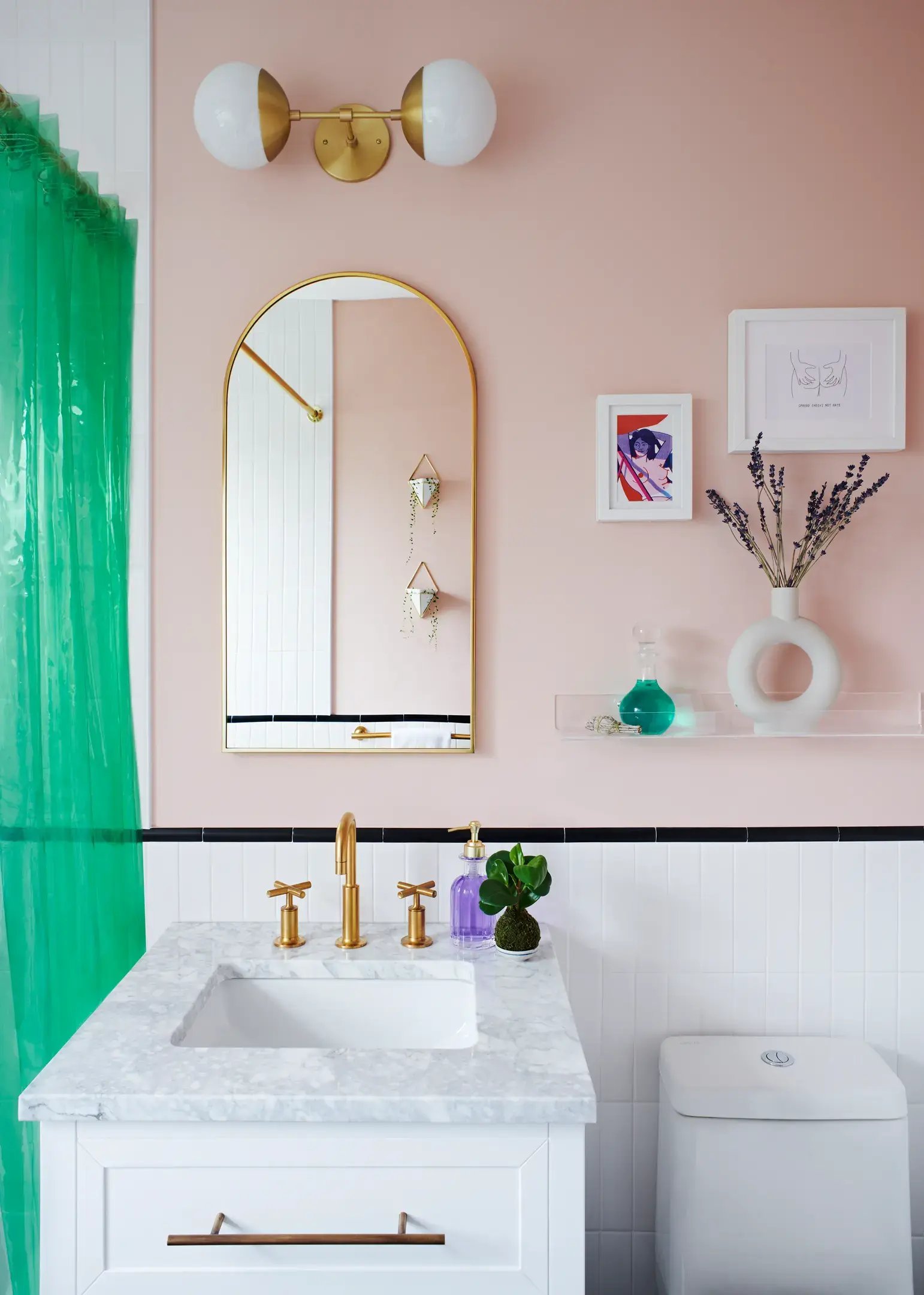
If you own an apartment that you plan to rent, strategic remodeling can yield a stronger return on investment and a happier, long-term tenant.
Durability comes first: Select materials that can withstand heavy use and are easy to clean—think stone countertops, tile backsplashes, and high-quality paint designed for rental turnovers. These investments lower long-term maintenance and boost your property’s visual appeal.
Universal, up-to-date style: Neutral color palettes and clean-lined finishes appeal to the widest group of renters. Upgrades to lighting, flooring, and energy-efficient appliances quickly stand out in listings and support higher rents without alienating any particular style preference.
Efficient project management: Tight timelines matter between leases. By working with skilled contractors and using a clear project timeline (like the one Block provides on your project dashboard), you can minimize lost rent days, lower vacancy costs, and keep projects on track.
Local codes and safety: Stay current on safety upgrades, such as smoke/carbon detectors, egress requirements, and city compliance. If your apartment is in a historic or high-regulation area, hire contractors with proven experience to avoid costly mistakes or failed inspections.
Apartment remodeling costs are shaped by your building’s location, project size, and the unique logistical hurdles apartments present. Here’s a breakdown of typical room-by-room budgets and what goes into each:
Bathroom remodel ($18,000–$40,000):
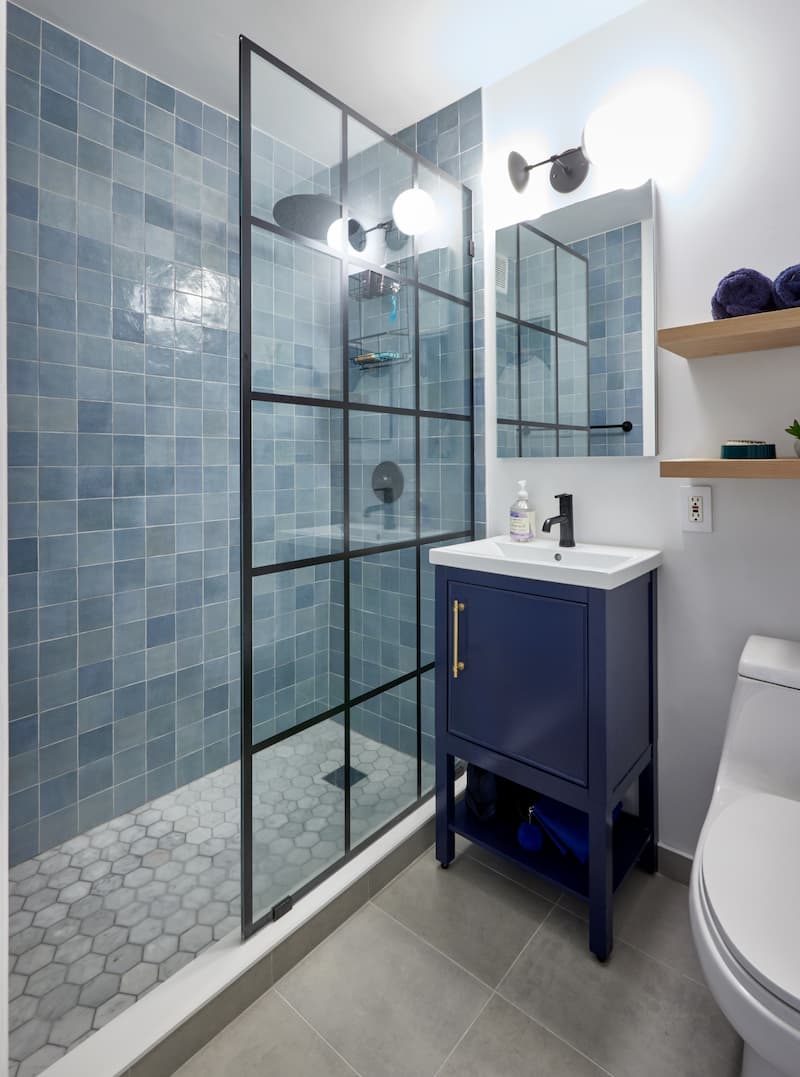
Bathrooms in apartments are often compact, but maximizing every inch can make daily life significantly better. Costs reflect the need for new tiling, updated fixtures and vanities, improved lighting, and waterproofing upgrades. In apartments, there are often added fees for shutoff, waste hauling, or specialty work (like connecting to aging plumbing). Renovating a bathroom often brings major resale value, especially when old finishes are replaced with durable, bright materials.
Kitchen remodel ($25,000–$60,000):
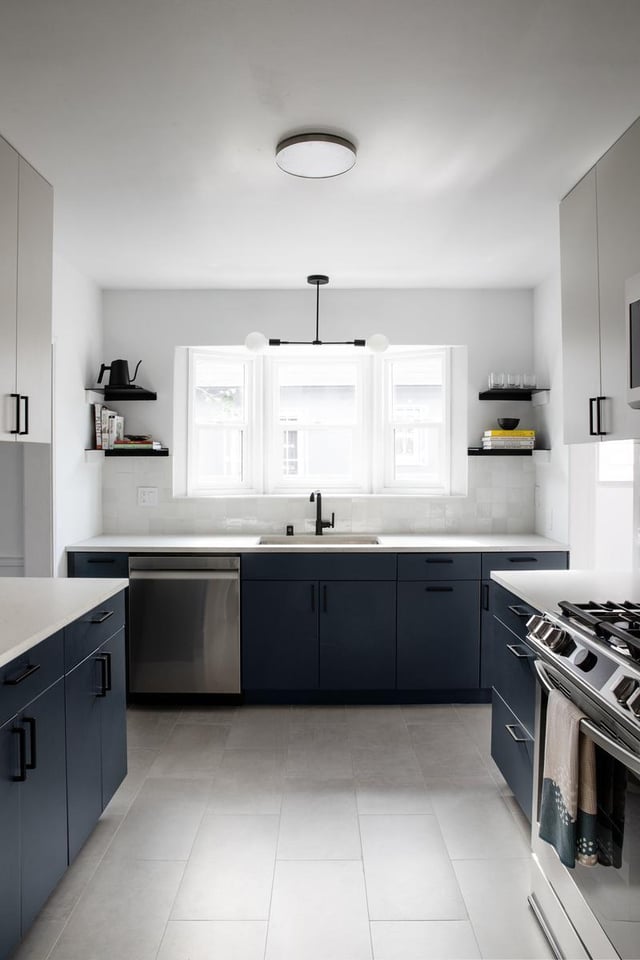
Kitchen renovations are a frequent request. Swapping dated cabinetry for custom or semi-custom solutions, updating countertops, installing new appliances, and refreshing backsplashes are common. In apartments, contractors might face the extra effort of working with existing, fixed gas or water lines, which adds cost. There's often a premium on clever storage—think vertical shelving, pantry pullouts, and under-cabinet lighting—which helps maximize the space’s utility. For more ideas, read our guide to condo kitchen renovations.
Living area refresh ($8,000–$25,000):
Main living spaces set the apartment’s mood. Popular upgrades include new flooring (such as engineered wood or luxury vinyl), updated paint and baseboards, built-in shelving, and reconfigured lighting for improved mood and efficiency. In older units, you may also need to update electrical outlets or address noise control between units, pushing costs up.
Whole-apartment renovation ($60,000–$200,000+):
A comprehensive gut renovation includes systems, surface finishes, smart home updates, new lighting, and sometimes reworking the floor plan entirely. With older apartments or those in luxury buildings, additional costs may stem from asbestos abatement, infrastructure upgrades, or mandatory board-requested materials and logistics.
In major metros like New York City or Los Angeles, you can expect to pay more for every phase of your apartment remodel—from permits and labor to material delivery and waste removal. High demand for skilled contractors, strict building rules, and added logistics in densely populated markets all contribute to higher project costs. Budgeting with these factors in mind helps you plan realistically and avoid surprises later on.
Transparent Pricing You Can Trust

Open-plan layouts are appealing but can feel undefined or cluttered, especially in smaller apartments. Homeowners often use shelving, half-walls, or partitions to gently separate spaces without losing natural light or the social feel of the space. For instance, a built-in bookcase may distinguish dining from living areas or create a cozy office nook.
Installing sliding or glass barn doors can also create privacy when needed while keeping an open, airy feeling when retracted. Thoughtful choices like area rugs or ceiling-mounted lighting help anchor distinct zones, visually breaking up a long, narrow space and making open apartments feel more tailored and functional.
In apartments where square footage is at a premium, every detail matters. Built-ins such as banquettes with storage, drawer beds, and wall-mounted desks multiply functionality, cutting clutter and streamlining daily living. Smart kitchen layouts with modular islands, vertical pantries, and utility carts make cooking and storage efficient.
Opting for flexible furniture—like a Murphy bed or nesting tables—can turn rooms into multi-tasking powerhouses. Creative storage solutions, such as using the space under stairs or installing custom closets, ensure that small footprints don’t limit comfort. The best remodels anticipate your evolving needs, creating spaces that adapt as your lifestyle changes.
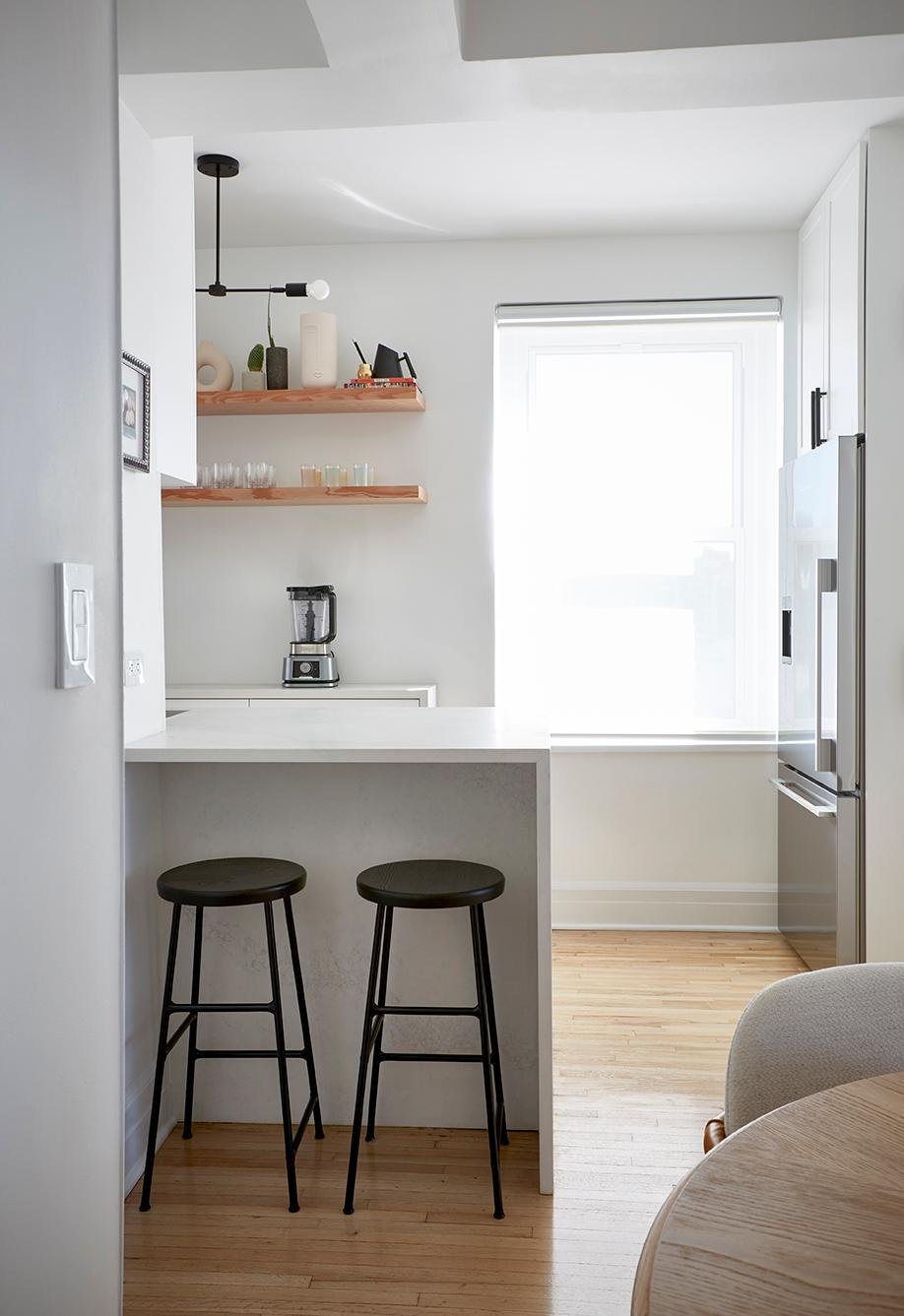
Refreshing tired finishes can dramatically transform an apartment. Replacing worn floors, countertops, lighting, or cabinetry instantly modernizes a space while boosting durability. Painting walls, updating window treatments, or swapping out light fixtures delivers maximum impact for relatively little cost or disruption. Owners and landlords often see significant returns from small upgrades like new cabinet handles or fresh caulk in baths. Restoration also plays a role here—uncovering and refinishing original hardwood or salvaging period details gives apartments unique character and a sense of history. These focused updates bring new life to older units, making them more appealing and more resilient for the years ahead.
Block’s Renovation Studio transforms how you plan your apartment remodel. By uploading images of rooms like the bathroom or kitchen, you can digitally experiment with new cabinet and material finishes, and instantly see how every change affects your estimated project cost. The tool also helps you budget strategically and make choices that align with your goals, all in one intuitive dashboard.
Block connects apartment owners and landlords with licensed contractors experienced in the complexities of apartment remodeling. You’ll be matched with local pros who know how to navigate building rules, coordinate with boards, and anticipate the everyday logistics unique to apartment life.
Your project is supported by a dedicated planner who helps with documentation, scheduling, and all the project details—keeping you, your contractor, and your building in sync throughout the process. With full transparency, regular progress updates, and expert oversight, you get a smoother building experience and a finished result that reflects your vision. Block’s network ensures your contractor isn’t just skilled in construction, but respectful of neighbors, common spaces, and everything it takes to get your apartment project done right.
Remodel with confidence through Block

Connect to vetted local contractors
We only work with top-tier, thoroughly vetted contractors

Get expert guidance
Our project planners offer expert advice, scope review, and ongoing support as needed
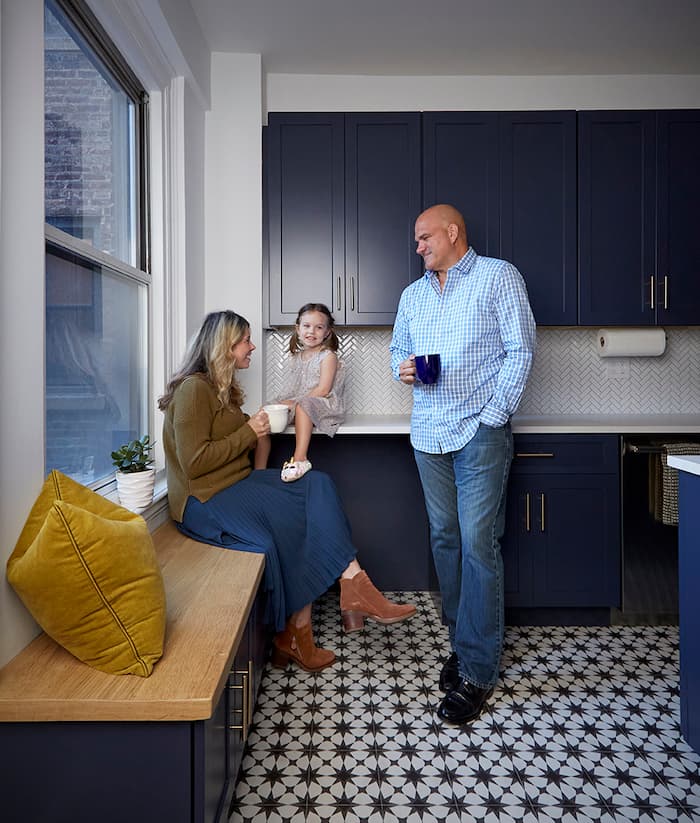
Enjoy peace of mind throughout your renovation
Secure payment system puts you in control and protects your remodel

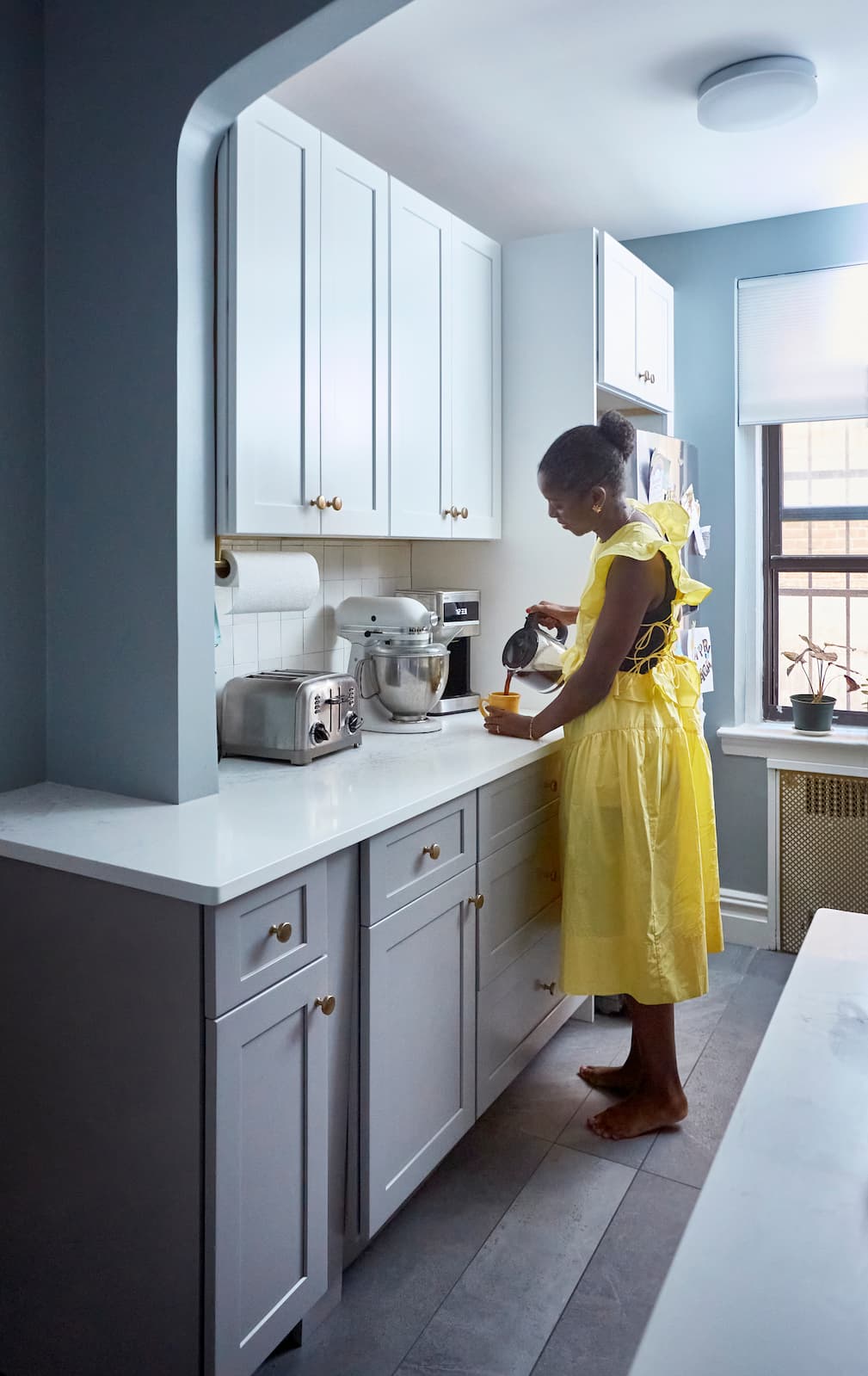
Renovate confidently with Block
Easily compare quotes from top quality contractors, and get peace of mind with warranty & price protections.
Apartment and Condos
Condo Renovation Contractor, Costs & Design
06.26.2026
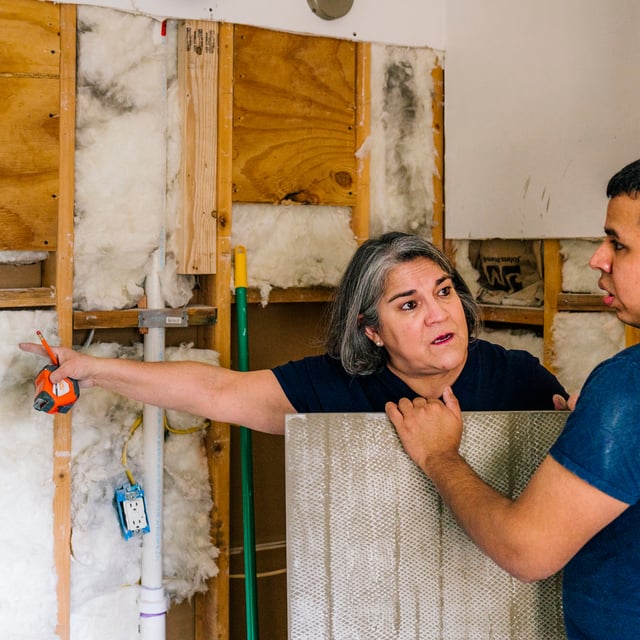
Apartment and Condos
Apartment Soundproofing: How to Reduce Noise at Home
06.25.2026
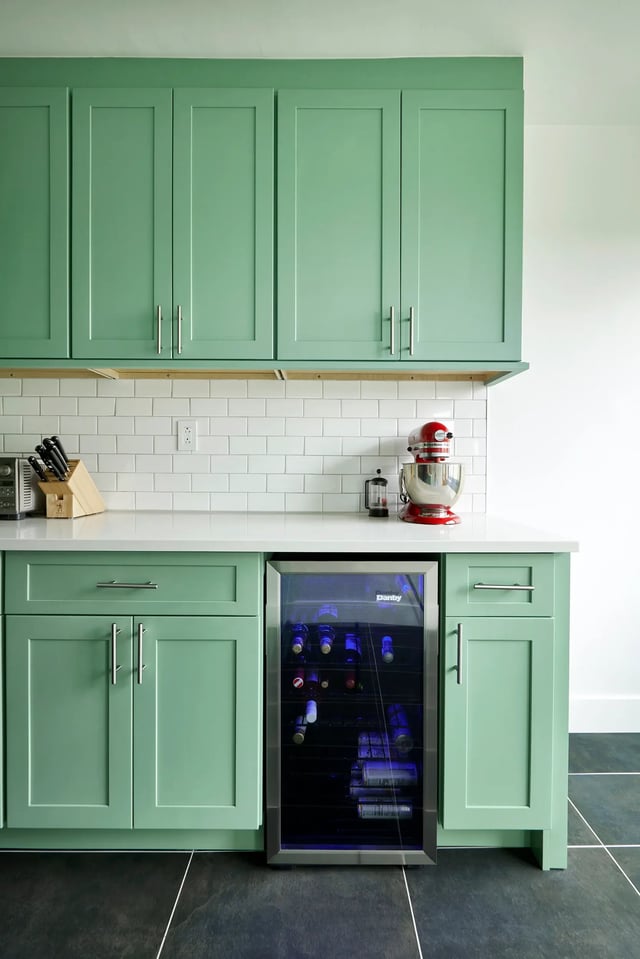
Apartment and Condos
800 Square Foot Floor Plans: How to Lay Out a Small Apartment
06.17.2026
Apartment and Condos
Studio Apartment Floor Plans to Maximize Functionality
05.28.2026
Apartment and Condos
Condo Remodeling: Guide for NYC & Other Major Cities
01.21.2026