




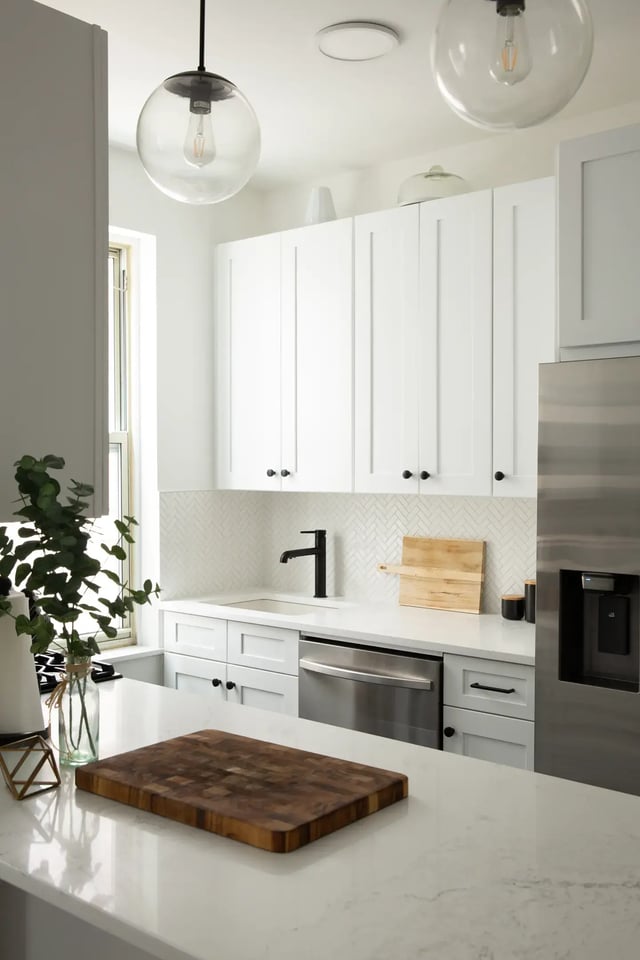
Kitchen
A Galley Kitchen Remodel in NYC - Adding a Breakfast Bar
07.02.2026
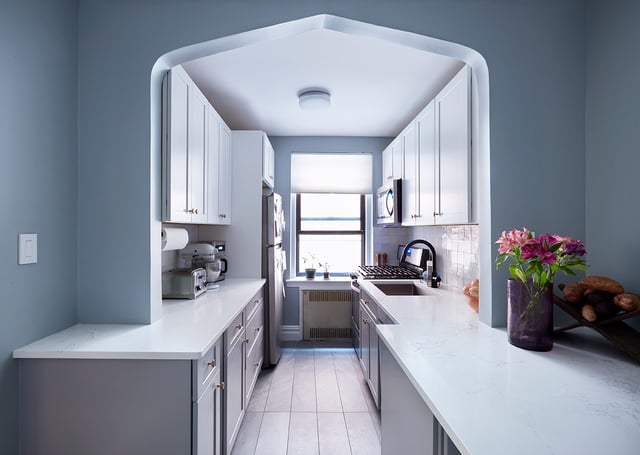
08.02.2025


In This Article
Countertop replacement costs vary more than most homeowners expect before they start getting quotes. Material choice is the biggest variable, but labor, removal, edge treatments, and cutouts all add up. Here's what drives the number and what you can expect to pay.
In 2026, the average cost to replace kitchen countertops in the U.S. ranges from $1,851 to $4,453, with most homeowners spending around $3,138. However, these costs can vary significantly depending on the material, kitchen size, labor charges, and additional features.
| Price beyond the metro | A fabricator 30 miles outside San Francisco or Boston may price the same countertop 15 to 20 percent lower. That can be a better first move than switching to a cheaper slab. |
| Treat premium laminate as visual |
The jump from $20 to $30 stock laminate to $40 to $60 premium laminate buys pattern depth and texture, not a tougher surface. Worth it for a stronger stone look, not for longer wear. |
| Interrogate stainless fabrication |
Stainless starts around $50 to $100 per square foot, but welded corners, custom backsplashes, and directional finishes can push it to $150 to $250. The quote may be pricing metalwork, not material. |
The national average cost for countertop replacement is approximately $3,138. Most homeowners will spend between $1,851 and $4,453, though prices can vary based on the type of material you select, the size and layout of your kitchen, your location, and the labor rates of your contractor.
For a standard kitchen with 30 to 40 square feet of countertop space, here’s a rough estimate:
Design a Home That’s Uniquely Yours
Block can help you achieve your renovation goals and bring your dream remodel to life with price assurance and expert support.
Get Started
Kitchen countertop materials and their estimated costs
| New Countertop Material | Estimated Cost Range |
| Laminate | $20 - $60 per square foot |
| Butcher Block | $30 - $280 per square foot |
| Quartz | $40 – $100 per square foot |
| Granite | $70 – $230 per square foot |
| Marble | $70 – $230 per square foot |
| Stainless Steel | $50 – $250 per square foot |
A kitchen countertop's cost alone doesn't tell the whole story. Here's how each material performs in practice.
At the low end, Home Depot's in-stock laminate countertop installation typically comes in around $20 to $30 per square foot for standard sizes and colors. Premium laminate products like Wilsonart's HD line or Formica's 180fx series, which convincingly mimic stone and wood grain, run closer to $40 to $60 installed. The difference is primarily in the surface texture and pattern quality, not durability.
IKEA's Badelunda and Råhult butcher block countertops land well below the midpoint of this range but require DIY cutting, oiling, and finishing before installation. Custom-milled end-grain butcher block in walnut or cherry from a specialty woodworker pushes toward $200 to $280 per square foot installed. Most fabricators fall somewhere in the middle, offering edge-grain maple or oak in standard widths at $60 to $100 per square foot.
Quartz
Builder-grade quartz from domestic manufacturers like MSI typically runs $40 to $60 per square foot. Premium collections from Cambria or Silestone with elaborate vein patterns push toward $80 to $100.
The low end reflects common domestic varieties like Uba Tuba or Baltic Brown, which are widely available and straightforward to fabricate. Exotic imported slabs from Brazil or India, including heavily veined varieties like Blue Bahia or Fusion Gold, can push well above $150 per square foot. One thing worth knowing: quartzite slabs are sometimes sold under granite names at stone yards and can reach the top of the range.
Carrara sits at the lower end and is the most widely available variety in the U.S., typically $70 to $100 per square foot installed. Calacatta and Statuario, which have more dramatic veining and are quarried in smaller quantities, run $150 to $230.
Most residential fabricators source 16-gauge commercial steel sheets, which land in the $50 to $100 range for straightforward runs. Custom work with integrated backsplashes, welded corners, or brushed directional finishes is where the price climbs to $150 to $250. The steel itself is inexpensive; you're paying for the countertop fabrication time.
While the price of your chosen material is a significant part of your countertop budget, several other factors can influence the total cost of replacement. Understanding these elements can help you plan more accurately and avoid surprises as your project progresses.
Professional installation is a key component of the new countertop price tag. Most installers charge between $30 and $50 per square foot, but rates can climb higher for complex projects or in cities with a higher cost of living.
The type of material you select also plays a role—materials like quartz or granite may require specialized tools and skills, which can increase labor charges. If your kitchen has unusual angles, tight spaces, or requires precise fitting, expect the labor portion of your budget to rise.
Removing your existing countertops is often a necessary first step, and it comes with its own set of costs. Depending on the material—such as laminate, tile, or heavy stone—removal fees typically range from $50 to $300.
More complex removals, like those involving integrated backsplashes or countertops glued directly to cabinetry, may cost more due to the extra time and care required. Some contractors include disposal in their removal fee, while others charge separately for hauling away debris. Be sure to clarify what’s covered so you’re not caught off guard by additional charges.
The style of edge you choose for your new countertops can have a noticeable impact on both appearance and price. Standard straight or eased edges are usually included in the base cost of your new countertops, but decorative profiles like ogee, bullnose, or beveled edges can add $10 to $20 per linear foot.
More intricate or custom edge treatments may require additional fabrication time and skill, further increasing the price. The total cost will depend on the length of exposed edges in your kitchen layout.
Cutouts for sinks, cooktops, or other built-in appliances are another important cost consideration. Each cutout typically adds $100 to $300 to the cost of replacing your countertops, depending on the size and complexity.
Undermount sinks or custom-shaped cutouts may require extra reinforcement or finishing, which can increase the price further. If you’re upgrading to a larger or differently shaped sink, additional modifications to the cabinetry or plumbing may also be needed.
Adding a backsplash as part of your countertop replacement can enhance both the look and functionality of your kitchen, but it will also raise your total project cost. Backsplashes are usually priced by the square foot, with materials like ceramic tile, glass, or stone ranging from $20 to $50 per square foot installed.
The complexity of the design—such as intricate patterns or mosaic work—can also affect labor costs. If you’re matching the backsplash to your new countertops, using the same material may streamline the process but could be more expensive. For more tips, read Countertop and Backsplash Ideas to Elevate Any Kitchen Remodel.
A straightforward galley kitchen with a single run of counters is about as simple as countertop installation gets. The more your kitchen deviates from that, the more fabrication time the job requires and the more you'll pay.
Corners and angles are the first place countertops costs climb. L-shaped and U-shaped kitchens require mitered joints where two slabs meet, and getting those seams tight and level takes precision. A visible or poorly fitted seam in a natural stone countertop is one of the most common complaints after installation.
Waterfall edges, where the countertop material continues vertically down the side of an island, require additional material and careful grain matching on veined stone. Islands with curves, irregular shapes, or integrated features like built-in cutting boards can add $500 to $1,500 or more to the fabrication cost. The same applies to kitchens where the countertop needs to fit against an out-of-square wall, which is common in older homes.
Not sure how to begin your renovation?
Get free, expert guidance from a dedicated Block Project Planner who can help you navigate proposals, timelines, contractor selection, and more.
Book A Free Consultation
Labor rates in high-cost metros like New York City, San Francisco, and Boston can run 30 to 50% above the national average, and material markups follow suit because fabricators and distributors in those markets carry higher overhead.
A few regional patterns worth knowing when estimating countertop costs:
The Northeast and West Coast are consistently the most expensive markets. Labor is the biggest driver, but permitting requirements and building access in dense urban areas add time and cost that contractors price in.
The Southeast and Midwest tend to offer the most competitive labor rates. Atlanta, Nashville, Charlotte, and most of the Midwest sit noticeably below the national average on installation costs, and fabricator competition keeps material pricing honest.
South Florida is a specific exception in the South. Miami's construction market runs closer to Northeast pricing due to demand, hurricane-rated requirements on some projects, and a large luxury renovation market that pulls contractor rates up across the board.
Mountain West markets like Denver and Salt Lake City have seen labor costs rise sharply over the past several years alongside population growth. What was once an affordable market now sits closer to the national average or above it.
If you're in a high-cost market and sourcing a premium countertop material, getting quotes from fabricators slightly outside your immediate metro is worth the effort. A fabricator 30 miles outside San Francisco or Boston may offer the same product at 15 to 20% less, with delivery as the only added cost.
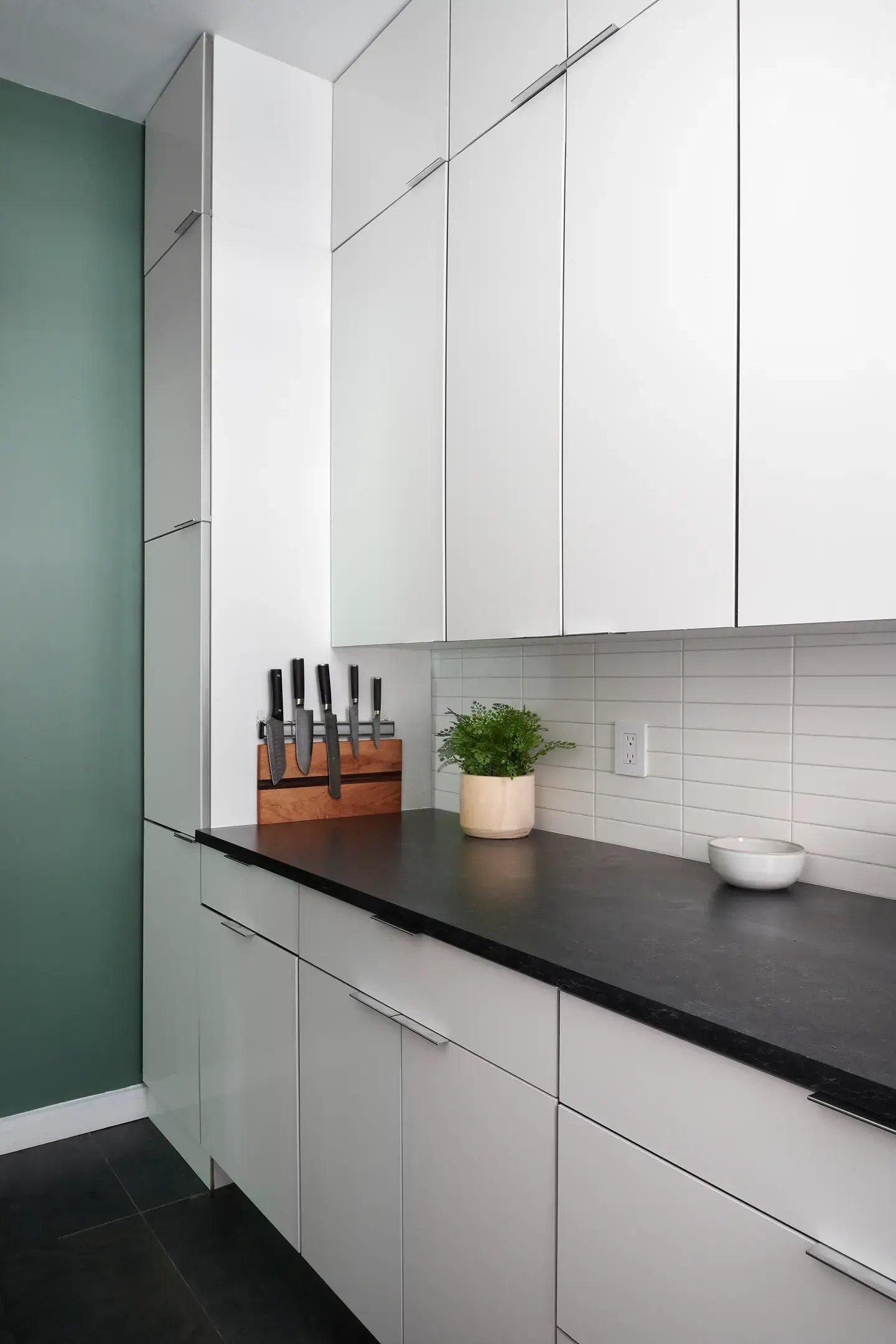
Before talking to a contractor, Block's free Renovation Planning Tool lets you upload a photo of your kitchen and see how different countertop materials look in your actual space, with real-time cost estimates that adjust by location. Experiment with Mid-Century Modern, Tuscan, and a host of other style influences, as well as new configurations.
As you explore and select features—countertops included—the tool automatically updates your estimated project costs, adjusting the range to reflect real prices in your city. Better still, tell us your preferred budgets and we can steer you toward optimally priced countertop materials.
Try the Renovation Studio for yourself
Replacing countertops doesn’t have to break the bank. Here are some money-saving strategies:
We talked to Ohio homeowner Sharon Peel about her recent kitchen remodel, and she was happy to share firsthand how she removed the outdated countertops herself to cut down on costs. "I watched some YouTube videos, and then my son and I had them out in about an hour. It's basically just unscrewing some brackets and lifting. The intimidating part was disconnecting the sink but my plumber talked me through it over the phone in ten minutes. I proved a lot to myself that day!"
Compare Proposals with Ease
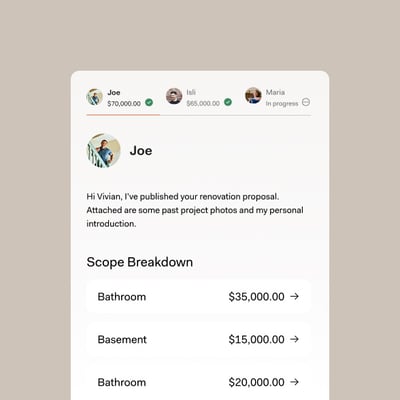
Knowing what to expect when it comes to the cost of replacing kitchen countertops in 2026 empowers you to plan your project with confidence. Whether you’re drawn to granite's charisma or the practicality of laminate, it’s important to weigh the look, durability, and upkeep of each material. Careful planning, comparing quotes, and understanding all the factors that influence price will help you create a kitchen that reflects your style—without stretching your budget.
Block Renovation is here to make the process even smoother. Our team connects you with highly vetted contractors and provides expert guidance at every step, from material selection to installation. With transparent pricing and clear communication, Block helps you navigate your kitchen upgrade and countertop replacement with peace of mind.


Renovate confidently with Block
Easily compare quotes from top quality contractors, and get peace of mind with warranty & price protections.
Kitchen
A Galley Kitchen Remodel in NYC - Adding a Breakfast Bar
07.02.2026
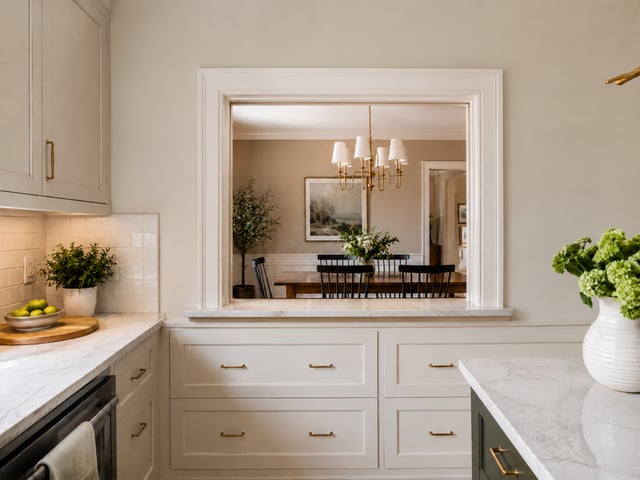
Kitchen
Adding a Pass Through Window to Your Kitchen
06.12.2026

Countertops
Unique Kitchen Countertop Ideas: Alternatives to Boring
05.22.2026
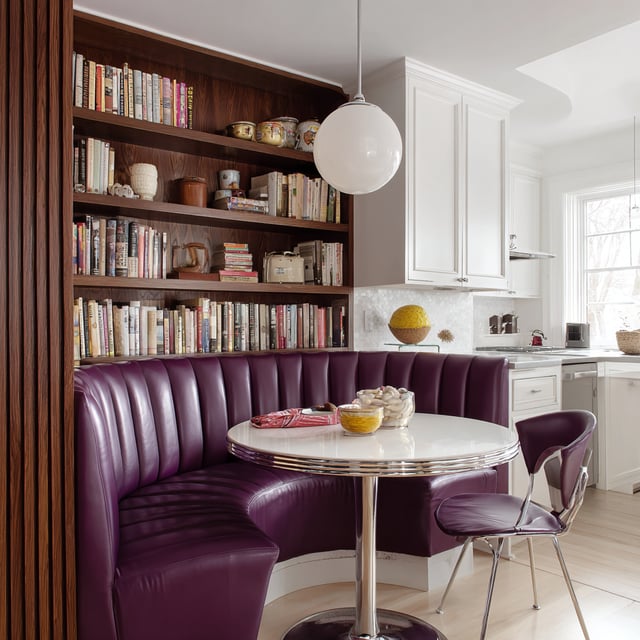
Kitchen
Retro Kitchen Design Ideas: 7 Modern Renovations
05.18.2026
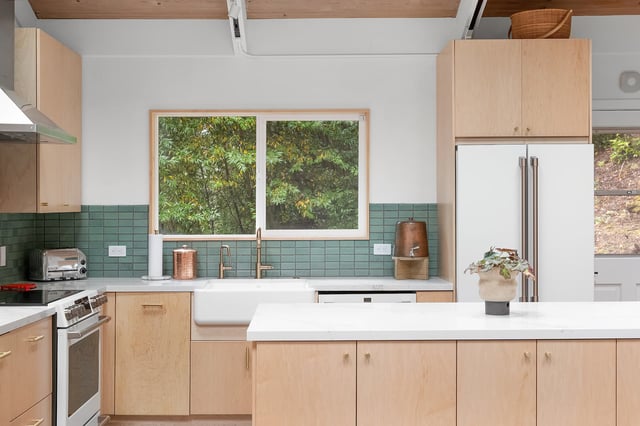
Kitchen
L-Shaped Kitchen Layouts & Designs: 6 Floor Plans
05.13.2026