


Bathroom Remodel Ideas and Costs in Allentown, PA

Budget your upcoming Allentown bathroom remodel with help from Block
How we get your estimate
Fill out the form above to either connect with contractors for a personalized quote or estimate your costs with Block's Renovation Studio.
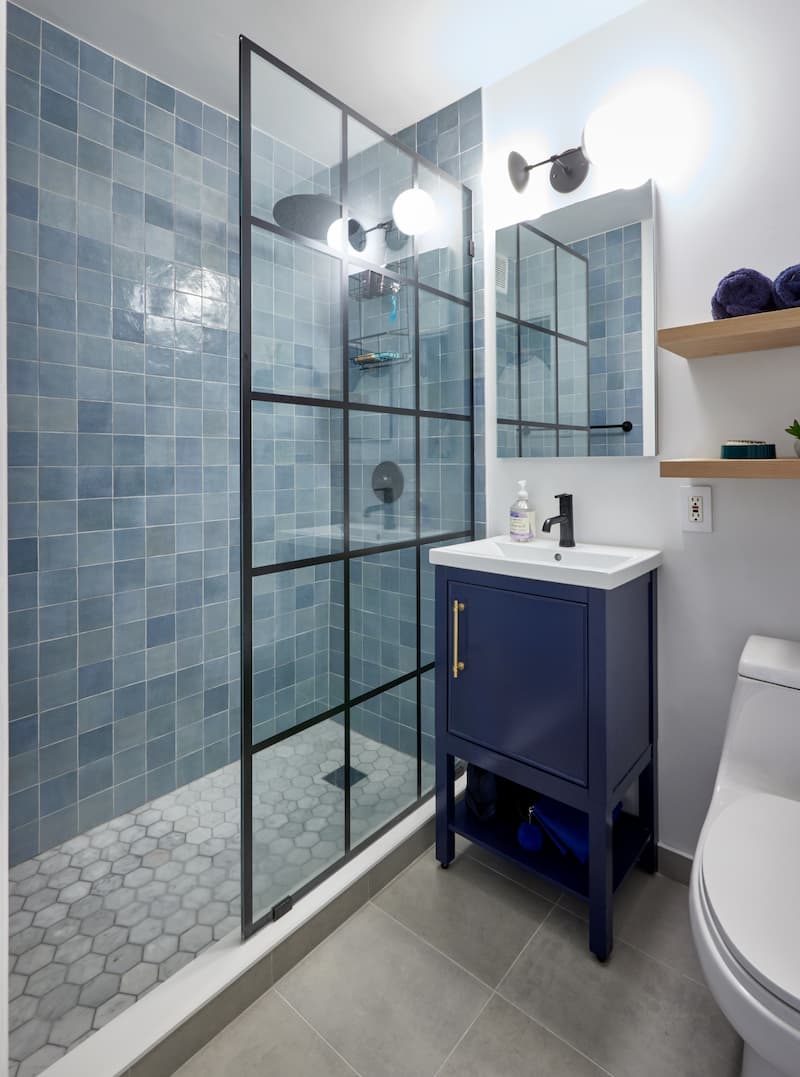
A compact washroom with shiplap walls, art, and a floating sink.

In This Article

    Allentown’s mix of historic streetscapes and reinvestment pockets makes remodeling decisions feel personal, because your bathroom has to fit the way you actually live. In neighborhoods like West End, Old Allentown, and Hamilton Park, you’ll see everything from compact early-1900s layouts to mid-century homes with quirky plumbing runs. That variety is part of Allentown’s character, and it’s also why “one size fits all” bathroom advice rarely applies here.

    A thoughtful bathroom remodel Allentown homeowners plan well can make mornings smoother, boost comfort in winter and summer, and reduce maintenance headaches that add up in older properties. Just as important, bathroom renovations Allentown buyers and appraisers notice tend to support long-term feasibility by modernizing infrastructure like ventilation, waterproofing, and shutoffs.

    Turn your renovation vision into reality

    Get matched with trusted contractors and start your renovation today!

    Find a Contractor

    Typical costs of bathroom remodeling in Allentown

    Compared with the national average, Allentown projects often land in a similar range, but can swing higher when older-home conditions complicate the work. Local labor availability, the age of housing stock, and the need to correct hidden issues like uneven floors or outdated plumbing often explain the difference.

    Project Scope

    Cost Range in Allentown

    Cosmetic bathroom updates

    $3,500 to $12,000

    Mid-level bathroom renovations

    $15,000 to $35,000

    Major bathroom overhaul

    $40,000 to $80,000+


    • Cosmetic bathroom updates: These projects typically include painting, a new vanity top, swapping a faucet and light fixture, replacing a toilet, and installing an off-the-shelf mirror or medicine cabinet. They usually exclude layout changes, moving plumbing lines, replacing a tub, or opening walls for new insulation, wiring, or ventilation. In Allentown, you might choose a basic ceramic subway tile for a small backsplash, an acrylic tub surround panel system, or an entry-level LVP floor rated for wet areas to keep the budget predictable. Lower-budget materials can still look clean and intentional, but they may show wear sooner on high-touch areas like chrome finishes, laminate edges, and budget caulk lines.
    • Mid-level bathroom renovations: This scope often covers a full refresh with new floor tile, a new vanity and sink, upgraded lighting, a new tub or shower base, and a tile surround with a waterproofing system. You can typically keep the same general layout while improving storage, ventilation, and durability in ways you’ll feel every day. Costs often hinge on tile selection, shower details like niches and glass, and whether you need modest plumbing or electrical updates to meet today’s expectations.
    • Major bathroom overhauls: This is where you pay for complexity, because walls open up, plumbing moves, and multiple trades overlap for longer. Common drivers include relocating a toilet or shower drain, reframing to fix out-of-plumb walls, replacing subfloor damaged by long-term leaks, and upgrading electrical to support heated floors or a dedicated circuit for a bidet seat. You might move a wall to create a larger shower, add a double vanity, install a freestanding tub, or put in a linear drain with a curbless entry that requires careful floor engineering. In Allentown, older homes can add cost when you discover galvanized supply lines, undersized vents, or patchwork repairs that need to be corrected before new finishes go in. The payoff is a bathroom that feels custom and calm, but you should plan for contingency funding because hidden conditions are common in this level of work.
    Danny Wang

    The single biggest way to save money in a bathroom renovation is keeping the original layout—moving plumbing and fixtures is where labor costs escalate fast.

    What Allentown residents commonly care about when renovating their bathroom

    Your bathroom’s best solution depends on how your home is built, how many people use the space, and what kind of maintenance you’re willing to take on. Still, there are consistent themes among Allentown homeowners, because the local climate, older housing stock, and smaller footprints influence comfort, longevity, and budget in predictable ways.

    Anticipating Allentown's extreme climate with smart bathroom design

    Allentown’s seasonal swings matter in a bathroom because temperature changes can amplify condensation, draftiness, and paint or grout stress over time. Winter dryness and summer humidity often show up as peeling at the ceiling, fogged mirrors that never clear, and musty corners behind the toilet or vanity. If your bathroom is on an exterior wall, insulation gaps and poorly sealed penetrations can create cold surfaces that attract moisture. Smart design choices focus on air movement, durable finishes, and details that don’t fail when the weather shifts.

    • Size the exhaust fan to the room and duct it correctly. A properly sized fan helps clear steam fast, which protects paint, grout, and cabinetry edges. Rigid ducting to an exterior termination typically performs better than long, sagging flex runs.
    • Choose moisture-tolerant finishes where condensation is unavoidable. Semi-gloss or bath-rated paint and mildew-resistant caulk reduce the chances of peeling and staining. In shower zones, a proven waterproofing system behind tile is more reliable than “extra sealer” on grout.
    • Warm up cold surfaces that trigger condensation. An insulated exterior wall and properly sealed plumbing penetrations can reduce cold spots that collect moisture. If budget allows, radiant floor heat can improve comfort and encourage faster drying after showers.

    Budgeting for older homes' bathroom needs

    Older homes in Old Allentown and the West End often have bathrooms that were renovated in layers, which means you may uncover multiple generations of tile, patching, and nonstandard framing. Even when everything looks fine on the surface, the first opened wall can reveal galvanized pipes, undersized vents, or wiring that needs updating. These issues are solvable, but they affect timeline and budget, so it’s wise to plan for them up front. If your home is a twin or rowhome, tight access and shared walls can also change how labor is staged.

    • Expect some degree of wall and floor leveling in older bathrooms, and understand that flat substrates add labor but prevent cracked tile and lippage. Budgeting for self-leveling underlayment or sistering joists can protect your finish investment.
    • Older supply and drain lines may need replacement to avoid repeated leaks and pressure problems, which can add significant plumbing hours. Swapping to modern materials while walls are open usually costs less than chasing failures after the remodel.
    • Electrical upgrades are common when GFCI protection, bath-rated lighting, or fan circuits are missing, and that can involve panel, wiring, or junction work. The cost is often driven by access, because fishing wire in plaster walls takes longer than in open framing.
    • Ventilation retrofits can be more involved in older rooflines, especially if there is no existing duct path to the exterior. Creating a compliant route and a proper roof or wall termination adds both material and labor cost.
    • Water damage around tubs and toilets is frequently discovered after demolition, and repairs can range from minor subfloor patches to full joist reinforcement. The wider the damage footprint, the more it affects your scope, tile schedule, and overall spend.

    Making the most of smaller bathroom footprints

    Many homeowners in Allentown contend with smaller bathrooms, especially in older twins and rowhomes where every square foot was planned tightly. That can limit storage, door swings, and how comfortably two people can share the room during busy mornings. With careful layout, lighting, and material choices, you can make a compact bath feel brighter, clearer, and easier to move through.

    • Wall-hung vanity
    • Recessed medicine cabinet
    • Pocket door where framing allows
    • Frameless or semi-frameless shower glass
    • Large-format light-colored wall tile
    • One continuous floor material into the shower zone (where appropriate)

    Renovating bathrooms for renters: smart design tips

    Bathrooms are a deciding factor for many Allentown renters, because they signal cleanliness, comfort, and whether a landlord maintains the property. They also take more daily wear than almost any other room, from constant moisture to makeup spills, dropped bottles, and aggressive cleaning. Durable selections, easily sourced replacement parts, and straightforward layouts help you reduce turnover refresh costs without making the space feel bare-bones.

    • Use porcelain floor tile with a darker grout color to hide scuffs and reduce visible staining between cleanings.
    • Choose a simple, rectangular vanity with readily available hardware so damaged pulls can be swapped quickly.
    • Install a standard-size tub or shower base to keep future replacement costs predictable.
    • Specify a pressure-balance shower valve from a common brand for easier servicing and cartridge availability.
    • Pick satin nickel or brushed finishes to minimize the look of fingerprints and water spots.
    • Use a washable, semi-gloss wall paint and a bath-rated primer to better resist repeated wipe-downs.
    • Include a quiet exhaust fan with a timer to reduce mold complaints and protect the unit’s finishes.

    What to know about building a new bathroom in Allentown

    Adding a bathroom can solve real daily-life problems, but it’s also one of the most technically layered projects you can take on, because it ties into plumbing, electrical, ventilation, and structure. In Allentown, the best plan often depends on how your home is configured, how easily you can run drains, and whether you’re working within a rowhome or twin with tighter constraints. It’s worth thinking through multiple approaches before you commit to a location that looks convenient on paper but is costly to build correctly.

    Different approaches to adding the bathroom

    • Convert part of an existing large bedroom or hallway alcove into a compact bath. This approach often works in older homes where room sizes are generous but storage is limited. You’ll typically save money by staying near existing plumbing stacks and avoiding long drain runs. The trade-off is losing usable living space, so door placement, sound control, and storage need extra attention.
    • Build an ensuite by reworking adjacent closet space. If the primary bedroom has multiple closets or an oversized reach-in, reclaiming part of that area can create a practical bath with minimal circulation changes. It can keep the new plumbing closer to other wet areas, which often reduces labor and risk. You may need to upgrade ventilation and sound insulation to keep the bedroom comfortable.
    • Finish a basement corner with a full or half bath using an ejector system when needed. In homes where first-floor space is tight, a basement bath can be a smart way to add functionality without disrupting daily routines upstairs. The budget can climb if the sewer line is above the slab elevation, because ejector pumps, pits, and access panels must be planned carefully. You’ll also want to prioritize moisture control, because basements in the region can be damp during wet seasons.
    • Carve out space near the stairwell in a rowhome or twin for a powder room. A small half bath on the main level can have an outsized impact on livability, especially for households that host. The challenge is fitting code-compliant clearances, door swings, and venting in a tight footprint. Keeping the plumbing run short to an existing stack is usually the difference between a feasible project and a costly one.

    Partnering with an experienced Allentown contractor helps you evaluate structure, plumbing routes, and code requirements so you can choose the best solution for your home.

    Related costs

    You’ll want to anticipate more than just fixtures and tile, because adding a bathroom includes infrastructure and administrative costs that appear across the project timeline. These include:

    • The costs of building a new bathroom. Your budget can change dramatically based on how far you are from existing supply and drain lines, whether structural reframing is required, and how ventilation can be routed to the exterior. Finish level also matters, because tile coverage, glass, and specialty fixtures can add cost quickly even in a small footprint.
    • The tax implications. Adding a bathroom can affect assessed value, so it’s worth planning for potential property tax changes.
    • The potential for increased utility costs. More showers and additional conditioned space often increase water use, hot water demand, and ventilation or heating loads.

    Finding inspiration for your Allentown remodel in your home's architectural roots

    Allentown’s housing stock includes brick rowhomes, early-20th-century Victorians, and mid-century ranches, and each style tends to come with its own bathroom constraints. The best remodels don’t fight the house: they borrow proportion, material cues, and trim language while quietly upgrading waterproofing, lighting, and storage. For example, an older rowhome may benefit from space-smart built-ins, while a mid-century layout might invite a cleaner, more linear vanity wall. Pulling inspiration from your home’s era can also reduce decision fatigue, because it gives you a clear filter for tile, hardware, and lighting.

    Transparent Pricing You Can Trust

    Start your renovation using Block’s Price Assurance. See a detailed cost breakdown with no unexpected expenses along the way.
    Get Started

    Ideas for brick rowhome bathrooms in Allentown

    Brick rowhomes in Allentown often have narrow footprints, shared party walls, and stacked rooms that push bathrooms into compact back corners or tight second-floor zones. Those proportions can limit window size and make ventilation and lighting feel more important than in a wider suburban plan. Because plumbing is frequently routed vertically to reduce complexity, keeping fixtures near the existing stack can protect your budget. Materials that visually lighten the space, like lighter porcelain tile and a streamlined vanity, often read more “right” than bulky, furniture-style pieces.

    • Keep the toilet, vanity, and shower aligned with the existing plumbing wall to reduce drain and vent rework.
    • Use a pocket door or an outswing door where feasible to reclaim circulation space in tight halls.
    • Choose larger-format wall tile to reduce grout lines in narrow shower surrounds and simplify cleaning.
    • Prioritize layered lighting: ceiling, vanity, and shower: to compensate for smaller windows.
    • Consider a recessed medicine cabinet between studs to add storage without stealing elbow room.

    Ideas for Victorian bathrooms in Allentown

    Victorian homes in Allentown often feature taller ceilings, detailed trim, and room proportions that can make a bathroom feel elegant but also reveal uneven floors and out-of-plumb walls. Those older surfaces influence how tile lays, how cabinetry sits, and how confidently you can install crisp reveals without prep work. Bathrooms may be tucked into former closets or secondary rooms, so layouts can be idiosyncratic and tight despite the home’s overall charm. A remodel that respects the era often pairs classic forms with modern waterproofing and ventilation hidden behind the scenes.

    • Plan for substrate preparation to handle wavy plaster walls before installing tile or tall wainscoting.
    • Use traditional visual cues: like a small-format mosaic floor: while upgrading to modern underlayment and membranes.
    • Choose period-appropriate lighting silhouettes while ensuring bath-rated fixtures and proper placement at the mirror.
    • Match trim profiles and paint sheen to nearby rooms to keep the renovation from feeling “dropped in.”
    • Hide modern ventilation performance in a quieter fan so comfort improves without changing the home’s character.

    Ideas for mid-century ranch bathrooms in Allentown

    Mid-century ranch homes in Allentown commonly have more straightforward framing, simpler trim, and bathrooms organized off efficient central hallways. The layouts can be practical, but storage is sometimes limited, and original tile or fixtures may be dated or difficult to service. Because these homes often have clearer chases and fewer surprise layers, you may have more freedom to rework lighting, add outlets, and improve ventilation without extensive reconstruction. Leaning into clean lines, warm woods, and simple geometry can modernize the room while still feeling consistent with the house.

    • Use flat-panel or slab vanity fronts to echo the home’s simpler millwork and keep the look cohesive.
    • Consider a wider vanity with integrated storage to compensate for the smaller linen closets common in ranch layouts.
    • Upgrade lighting to a brighter, high-CRI approach that suits the home’s often-lower natural light in interior halls.
    • Choose a simple porcelain tile palette with a few intentional accents rather than overly ornate patterns.
    • Take advantage of more accessible framing to add properly placed GFCI outlets and a timer-controlled fan.

    Visualize and budget your bathroom remodel with Renovation Studio

    Renovation Studio is Block’s planning experience that helps you move from ideas to a buildable plan before construction begins. It lets you visualize your renovation with a guided process that turns your goals and measurements into a clearer design direction. You can make selections and see how choices affect your overall scope, which helps prevent budget surprises later in the process. Renovation Studio also supports localized budgeting so your estimate reflects what a bathroom remodel Allentown homeowners plan is likely to cost, rather than relying on generic national numbers. That combination of visualization and budget clarity makes it easier to decide where to spend, where to simplify, and what to phase.

    Perfect Every Detail of Your Bathroom
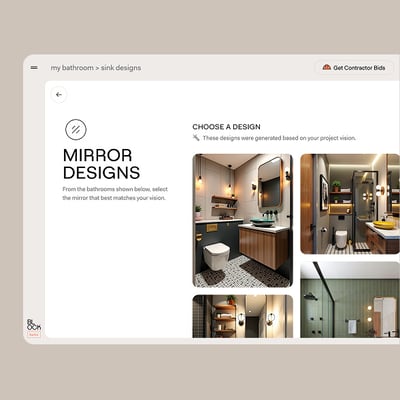
    Select the ideal styles, finishes, and fixtures—down to the tile, vanity, and lighting—to create a space that feels uniquely yours.
    Explore Materials

    Ready to build? Let Block help you find top-rated contractors in Allentown

    Block helps match you with vetted, top-rated contractors based on your project needs, so you can avoid starting from scratch with endless calls and inconsistent bids. The process is designed to streamline how you go from planning to contractor selection, with clearer expectations around what you’re building and how it will be executed. If you’re comparing bathroom renovations Allentown contractors propose, this structure helps you evaluate scope in a more apples-to-apples way.

    Block Protections are designed to reduce common renovation risks and add confidence as work progresses. Systemized payments help keep the financial side organized and tied to the project’s progression rather than informal, ad hoc transfers.

    Remodel with confidence through Block
    Happy contractor doing an interview

    Connect to vetted local contractors

    We only work with top-tier, thoroughly vetted contractors

    Couple planning their renovation around the Block dashboard

    Get expert guidance

    Our project planners offer expert advice, scope review, and ongoing support as needed
    Familty enjoying coffee in their newly renovated modern ktchen

    Enjoy peace of mind throughout your renovation

    Secure payment system puts you in control and protects your remodel

    Get Started

    Frequently asked questions

    When is the best time of year to remodel a bathroom in Allentown

    In Allentown, many homeowners aim for spring or fall because temperatures are moderate, humidity is generally more manageable than midsummer, and scheduling can be easier than the peak summer rush. That said, the “best” time is often when you can live with the disruption: if you only have one full bath, planning around travel, school calendars, and a temporary shower solution usually matters more than the season.

    How long does a typical bathroom remodel take in Allentown?

    A typical remodel often takes a few weeks for construction once work begins, but the true timeline depends on scope, inspection needs, and whether you uncover older-home conditions after demolition. If you’re moving plumbing, waiting on custom glass, or repairing subfloors and framing, the schedule can extend, so it’s smart to plan for some variability rather than assuming a fixed end date.

    What is the most expensive part of bathroom renovations in Allentown?

    The costliest part is often the shower or tub area when you combine waterproofing, tile labor, plumbing valve work, and glass, especially if the layout changes. In older Allentown homes, “hidden” infrastructure: subfloor repair, replacing old piping, or correcting electrical: can also become a major cost driver because it adds skilled labor before finishes even start.