




Pennsylvania
Pittsburgh Home Additions: Cost Guide by Neighborhood
06.30.2026
.png?width=640&name=u5821215421_A_modern_apartment_kitchen_without_a_window_showc_edd83c50-faf4-4899-bd5e-4f25e48c23db_3%20(3).png)
02.05.2026


In This Article
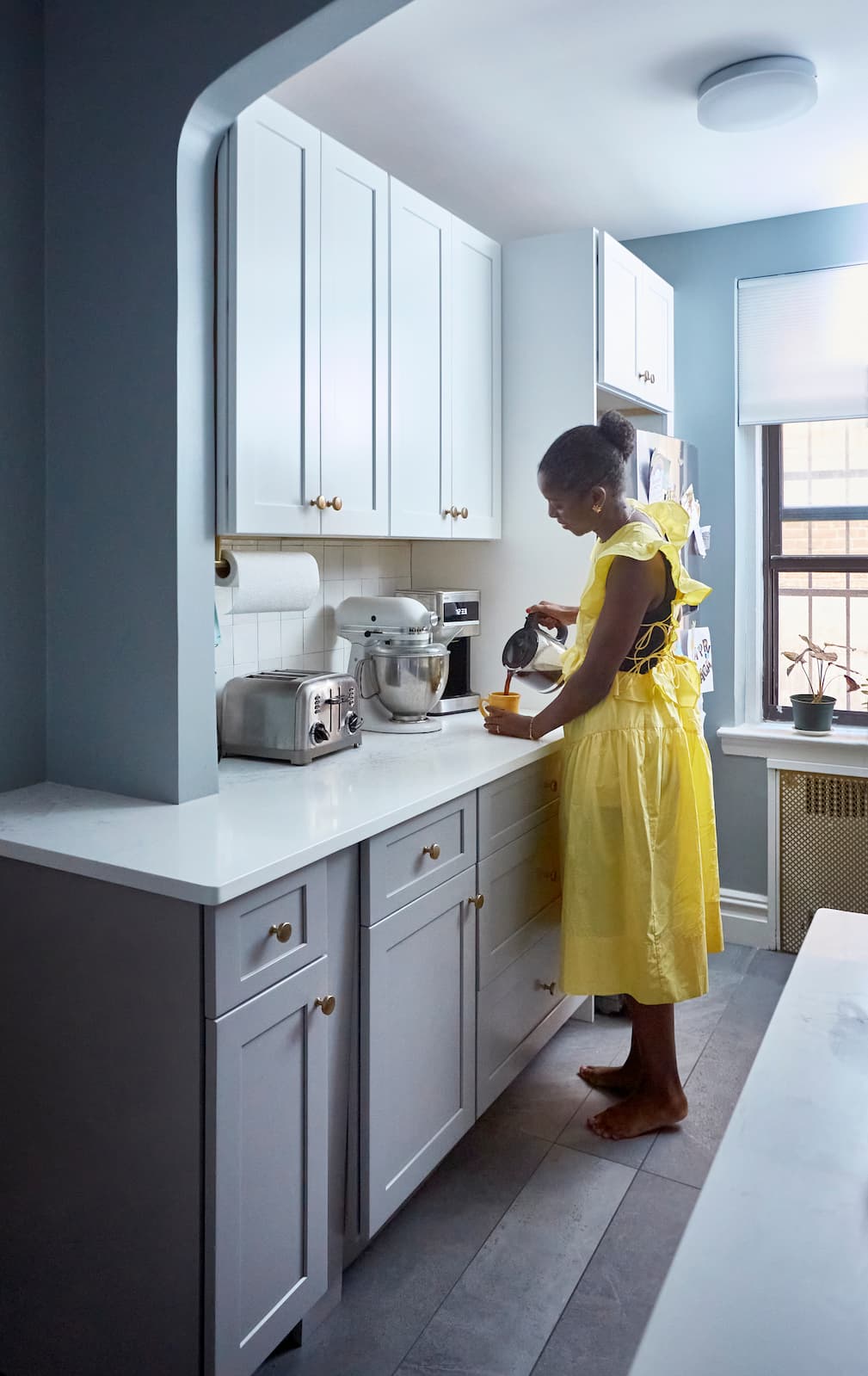
In Allentown, a kitchen remodel can feel like the fastest way to make everyday life smoother, especially for busy households in the West End, Hamilton Park, and near Center City. Many kitchens here were built for a different era—smaller fridges, fewer gadgets, and less of today’s “everyone hangs in the kitchen” reality. Renovating can improve storage, lighting, and traffic flow without forcing you to move. It’s also one of the most satisfying upgrades when you want your home to feel more comfortable now while staying attractive for the long run.
Design a Home That’s Uniquely Yours
Block can help you achieve your renovation goals and bring your dream remodel to life with price assurance and expert support.
Get Started
While design choices and square footage will be the largest influence in cost, geography plays a role. Compared to the national average, Allentown kitchen remodeling totals often land in a similar band, but can swing higher when older-home conditions add labor and specialty trades. Local labor availability, the prevalence of older housing stock, and scheduling demand in peak seasons can all influence what you’ll actually pay.
|
Project size |
Typical kitchen size (sq ft) |
Common scope |
Estimated cost range (Allentown) |
|---|---|---|---|
|
Small kitchen remodels |
70–120 sq ft |
Cosmetic refresh, limited layout change |
$25,000–$50,000 |
|
Medium-sized kitchen remodels |
120–200 sq ft |
New cabinets/counters, improved lighting, some utility updates |
$50,000–$90,000 |
|
Larger kitchen remodels |
200–350+ sq ft |
Layout changes, premium finishes, potential structural work |
$90,000–$160,000+ |
Some upgrades are “multiplier” decisions because they trigger structural work, specialized trades, or longer timelines.
In Allentown, labor for a kitchen remodel commonly ranges from about $15,000 to $55,000+, depending on scope and how many trades are involved. A straightforward cabinet-and-counter swap sits on the lower end because it limits demolition complexity and reduces specialty work. Older homes can push labor higher when electricians and plumbers have to update nonconforming conditions before new finishes go in. The most labor-intensive projects are the ones that combine layout changes, structural work, and multiple inspection cycles.
Typical permitting costs for kitchen renovations in Allentown often fall around $300 to $2,500+, depending on how much the project touches structure, plumbing, electrical, or mechanical systems. Fees vary based on the scope you submit and how many trade permits are required. The simplest cosmetic updates may not require permits, but many meaningful remodels do.
A budget-friendly kitchen renovation isn’t about settling—it’s about choosing where to spend for real everyday impact. A few planning moves can keep your kitchen renovations Allentown goals intact while reducing the chances of cost creep.
Renovation Studio is Block’s planning tool that helps homeowners map out a renovation with clear options before construction begins. It lets you explore design and finish decisions in an organized way, so you can see how choices connect to scope instead of guessing one line item at a time. You can visualize potential layouts and common upgrades—like switching cabinet styles, adjusting countertop selections, changing backsplash coverage, or rethinking the placement of key elements—before those decisions become expensive to undo. For an Allentown kitchen remodel, that kind of up-front clarity is especially useful when you’re balancing must-haves (like better storage) against nice-to-haves (like a statement hood or specialty lighting). The goal is a plan that feels realistic, not rushed, so your budget is tied to decisions you actually intend to build.
Many homes in Allentown have smaller kitchens, particularly those in early-20th-century Colonials, brick rowhomes, and twins where the back-of-house plan stayed compact. The good news is that “bigger” isn’t only about square footage; it’s about sightlines, storage efficiency, and how easily two people can work at once. There are ways you can make a smaller kitchen feel less cramped and more functional. A smart plan focuses on removing pinch points and using vertical space so the room works hard without looking crowded.
Older Allentown kitchens can be incredibly rewarding to remodel, but they often come with hidden conditions that only show up once demolition starts. A little prep—both in design and budgeting—goes a long way toward a smoother build.
In neighborhoods like the West End, you’ll find early-20th-century Colonials and Tudor-influenced homes where proportions, trim profiles, and materials were chosen with intention. Closer to older core areas, brick rowhomes and twins often have distinctive masonry cues and straightforward, hardworking interiors. The best historic-friendly kitchens don’t feel like museums; they feel like the original house simply evolved. You can echo the home’s vocabulary while still building a kitchen you’ll actually use every day.
Renovate now, pay later
Achieve the space you're looking for today, while financing it over time with our trusted partner.*
*Not available in NYC
Learn More
Sometimes you want your kitchen to feel current, but it doesn’t need a full gut renovation. A few targeted updates can make the room feel brighter and more intentional without touching every surface.
Remodeling older kitchens can cost more because you’re often upgrading the “bones” while you update the finishes. Even when a kitchen looks fine at first glance, legacy wiring, plumbing, and uneven framing can create extra steps behind the walls. Planning for these realities upfront helps you avoid stressful mid-project decisions.
Setting aside contingency money is one of the most homeowner-friendly decisions you can make for a kitchen remodel Allentown project, because it lets you respond logically instead of emotionally when surprises pop up. Many homeowners reserve an additional buffer specifically for behind-the-walls conditions and inspection-driven changes.
A practical contingency also helps you protect the parts of the design you care about most. Instead of downgrading the countertop you’ve been excited about, you can use the buffer to handle necessary fixes while keeping your visible finishes consistent.
Pennsylvania has a grounded, hardworking food culture—farm markets, hearty family recipes, and a mix of traditions that show up in everyday cooking. In Allentown, that often translates to kitchens that need to handle real prep, not just look good in photos. Certain materials and small inspired touches can help your kitchen feel more like home and a reflection of the region.
Allentown has a mix of brick rowhomes and twins, early-20th-century Colonials in established neighborhoods, and mid-century ranches where the kitchen often sits near a garage entry. You also see Tudor-inspired details in parts of the West End, which can influence everything from cabinet door style to how you treat arches or heavy trim nearby. The most successful kitchen designs borrow proportions and materials from the house so the remodel doesn’t feel “dropped in.” When you match the home’s cues—sightlines, trim weight, and natural materials—the new kitchen tends to look right even years later.
Colonial Revival homes in Allentown often feature symmetrical facades, well-defined rooms, and traditional trim profiles that carry through the interior. Kitchens in these houses may have separate dining rooms and narrower door openings that shape how traffic moves. Those characteristics usually favor thoughtful storage walls and classic materials that don’t fight the home’s existing millwork. When you remodel, you’re often aiming to improve function while keeping the kitchen’s visual rhythm aligned with the rest of the main floor.
Brick rowhomes in Allentown commonly have long, narrow floor plates with kitchens located toward the rear of the first floor. The shape can limit width for islands and can create pinch points where the kitchen meets a back door or stair. Those constraints often push design toward single-wall or galley-based layouts with high-efficiency storage. Materials that reflect the home’s masonry—warm neutrals, matte finishes, and textured surfaces—tend to feel especially at home here.
Twin homes in Allentown often share side walls and have efficient footprints with kitchens that may be compact but central to daily routines. The shared-wall condition can influence where plumbing and venting runs are most practical, especially if prior owners kept utilities stacked along one side. Kitchens may connect to dining spaces through narrower transitions, so circulation matters as much as cabinet count. A remodel that keeps key utilities near their existing routes while improving storage and lighting usually delivers the best value in this style.
Mid-century ranch homes in Allentown often emphasize single-level living, wider horizontal lines, and a more casual connection between kitchen and adjacent family spaces. Kitchens may have lower ceiling planes, original soffits, and older cabinet footprints that don’t take advantage of wall height. Because many ranches were designed around efficient back-of-house workflows, there’s often an opportunity to open sightlines while keeping the plan logical.
Block matches homeowners with contractors by using a network of vetted pros and aligning the fit to your specific project needs. The process is designed to reduce the guesswork of finding someone who can execute your scope, timeline, and finish level. This can be especially helpful when your kitchen remodel involves multiple trades and coordination across deliveries and inspections.
Block Protections include safeguards intended to support homeowners through the renovation process, paired with systemized payments tied to project progress. That structure helps keep financial steps clearer and reduces the stress of paying for work that hasn’t been completed yet.
Remodel with confidence through Block
Connect to vetted local contractors
We only work with top-tier, thoroughly vetted contractors

Get expert guidance
Our project planners offer expert advice, scope review, and ongoing support as needed
Enjoy peace of mind throughout your renovation
Secure payment system puts you in control and protects your remodel

Renovate confidently with Block
Easily compare quotes from top quality contractors, and get peace of mind with warranty & price protections.
Pennsylvania
Pittsburgh Home Additions: Cost Guide by Neighborhood
06.30.2026

Pennsylvania
Home Additions in Pittsburgh: Working With Hills & History
05.07.2026

Pennsylvania
Custom Home Building in Lancaster County, Pennsylvania: Local Guide
04.24.2026

Pennsylvania
Pittsburgh Deck and Patio Ideas | Hillside Decks, Four-Season Design
04.17.2026
Pennsylvania
Home Renovation ROI in Pittsburgh: Local Quirks, Value-Add, and What New Buyers Want
04.10.2026