


Bathroom Remodel Ideas, Costs, and Local Tips for Cranberry Township, PA

Budget your upcoming Cranberry Township bathroom remodel with help from Block
How we get your estimate
Fill out the form above to either connect with contractors for a personalized quote or estimate your costs with Block's Renovation Studio.
A vintage-inspired bathroom features pale green beadboard walls, a white pedestal sink with brass fixtures, a freestanding clawfoot tub, and a wooden shelf displaying decorative items.

In This Article

    Cranberry Township blends suburban ease with quick access to dining, parks, and commuter routes, making it a popular place to settle in Butler County. From established pockets near Cranberry Woods to newer communities around Seven Fields and neighborhoods close to Graham Park, housing styles and bathroom layouts vary a lot. That variety is exactly why a thoughtful, localized approach matters when planning bathroom remodeling Cranberry Township homeowners can feel good about.

    A well-planned bathroom remodel improves everyday comfort—especially during busy school and work weeks when the bathroom becomes a high-traffic zone. It can also make your home more resilient and market-ready in Cranberry Township, where buyers often compare homes based on perceived maintenance and “move-in readiness.”

    Turn your renovation vision into reality

    Get matched with trusted contractors and start your renovation today!

    Find a Contractor

    Typical costs of bathroom remodeling in Cranberry Township

    Compared with the national average, bathroom remodel pricing in Cranberry Township often lands in a similar range, with some projects trending higher depending on finishes and scope. Labor availability, the mix of newer builds versus older homes, and the level of demand for reputable trades all influence what you will pay locally.

    Project scope

    Cost range in Cranberry Township

    Cosmetic bathroom updates

    $4,500–$12,000

    Mid-level bathroom renovations

    $15,000–$32,000

    Major bathroom overhaul

    $35,000–$75,000+

    Cosmetic bathroom updates: These projects typically include painting, updating lighting, swapping a vanity or faucet, replacing a toilet, and refreshing accessories like mirrors and towel bars. They usually exclude moving plumbing, replacing a tub or shower base, or changing the room’s layout. In Cranberry Township, a common example is upgrading builder-grade fixtures, adding a new framed mirror, and installing budget-friendly ceramic tile or an LVP floor rated for wet areas. Lower-budget choices like stock vanities, chrome fixtures, and off-the-shelf LED vanity lights help keep costs controlled.

    Mid-level bathroom renovations: These projects often include a new vanity and countertop, updated flooring, a new toilet, and a tub or shower refresh while keeping the plumbing locations largely the same. Many homeowners also add better ventilation, improved lighting layers, and more functional storage. It is a popular tier for bathroom renovations Cranberry Township families choose when they want a noticeable transformation without major structural changes.

    Major bathroom overhauls: These are full gut renovations that may involve changing the layout, opening walls, and upgrading plumbing and electrical to modern standards. Costs are driven by moving supply and drain lines, customized tile work, specialty glass, premium fixtures, and any surprises uncovered once demolition starts. Examples include moving a wall to expand a primary bath, converting a tub to a curbless shower, installing a freestanding tub, or adding a double vanity with dedicated circuits and sconces. Heated floors, solid-surface shower surrounds, and custom cabinetry can also raise totals quickly. In Cranberry Township, major projects often add value when they correct awkward builder layouts or bring an older home’s bathroom up to today’s expectations.

    What Cranberry Township residents commonly care about when renovating their bathroom

    Every bathroom is shaped by its home’s layout, mechanical systems, and the way your household actually uses the space day to day. Bathroom remodeling Cranberry Township homeowners plan often centers around durability, moisture control, and making the most of the room they already have.

    Anticipating Cranberry Township’s extreme climate with smart bathroom design

    Cranberry Township’s cold winters and humid summers put extra stress on ventilation, materials, and the comfort details that make a bathroom pleasant year-round. Temperature swings can reveal drafty exterior walls, under-insulated floors, and poorly sealed windows. Seasonal moisture can also amplify condensation on mirrors, windows, and toilet tanks. Smart selections up front can limit recurring maintenance and improve daily comfort.

    • Prioritize a properly sized exhaust fan for the room. This helps clear steam faster during summer humidity spikes and winter hot-shower condensation, and it reduces the chance of peeling paint and mildew on ceilings.
    • Choose materials that handle wet boots, slush, and messy winters. Porcelain tile and quality grout resist water intrusion better than bargain laminates and clean up more easily when salt and grit get tracked in from the garage or entry.
    • Seal penetrations and insulate exterior-facing walls. Adding insulation and air sealing around plumbing and electrical runs on outside walls reduces cold-wall condensation and makes vanities along those walls feel less drafty.
    • Add comfort-focused upgrades that fit the climate. Heated floors and towel warmers can make winter mornings much more pleasant and help the room dry out faster after showers.

    Renovate with confidence every step of the way

    Step 1: Personalize Your Renovation Plan

    Step 2: Receive Quotes from Trusted Contractors

    Step 3: Let Us Handle the Project Details
    Get Started

    Renovating bathrooms for renters – smart design tips

    Bathrooms strongly influence first impressions for Cranberry Township renters, especially in communities near major roads, shopping, and office parks. Rentals often see heavier wear than owner-occupied homes, so finishes need to be durable, easy to clean, and simple to refresh between tenants.

    • Use porcelain tile for flooring. It resists scratches and moisture better than many vinyl products and handles frequent cleaning between tenants.
    • Choose neutral, replaceable vanities. Simple Shaker-front or slab-door vanities in white or wood tones are easy to match or swap in future turnovers.
    • Specify acrylic or solid-surface surrounds. These systems avoid extensive grout, making it faster to clean and less prone to mold staining over time.
    • Install an exhaust fan on a timer. A timer switch encourages tenants to run the fan long enough to clear moisture, which protects walls and ceilings.
    • Use satin or semi-gloss paint on walls. These finishes tolerate frequent wipe-downs and touch-ups without obvious patching.
    • Standardize fixtures across units. Choosing widely available faucets, shower valves, and light fixtures keeps future repairs quick and avoids special-order delays.
    • Add simple open shelving or niches. Extra storage helps tenants keep products off the floor and tub edges, which reduces damage and clutter.

    What to know about building a new bathroom in Cranberry Township

    Adding a bathroom can relieve morning bottlenecks and make it easier to host overnight guests or extended family. In Cranberry Township, feasibility often depends on where existing plumbing stacks run and how your home is framed. The best plan balances convenience, construction complexity, and long-term resale appeal in the local market.

    Different approaches to adding the bathroom

    • Add a powder room near existing plumbing on the first floor. In many Cranberry Township colonials and two-story homes, a small bath can tuck under the stairs or beside a mudroom wall that already carries kitchen or laundry plumbing, which keeps new drain runs shorter.
    • Finish part of a basement for a three-quarter bath. Newer developments often have high-ceiling basements already set up as rec rooms, and adding a shower can make the space more useful for guests or teens, although you may need an up-flush or ejector system if the main sewer line is higher.
    • Convert a large closet or flex room into a compact bath. If the space backs to an existing bathroom, you can often share a plumbing wall and avoid longer runs through finished areas.
    • Reconfigure an oversized primary suite. Where the bedroom is generous but the bathroom is dated or cramped, stealing a few feet for a larger shower or double vanity can add daily comfort and future resale appeal.

    Working with an experienced Cranberry Township contractor or designer helps you evaluate structural limits, plumbing paths, and how each option might affect your property’s value compared with other nearby homes.

    Related costs

    Adding a bathroom introduces expenses beyond fixtures and tile. Understanding these categories early helps you set a realistic budget.

    • Construction and systems work. Rough-in plumbing, new vents, electrical circuits, and waterproofing often account for a large share of costs, especially if the new bath is far from existing stacks or on a concrete slab.
    • Basement-specific needs. Below-grade baths may require an up-flush toilet, sewage ejector pump, or extra drainage and moisture control, which increases complexity compared with an above-grade space.
    • Tax implications. Adding a code-compliant bathroom and finished square footage can raise your home’s assessed value, which may increase property taxes over time.
    • Ongoing utility usage. More showers, laundry, and handwashing mean higher water and energy use, particularly if you add electric floor heat or additional exhaust fans.

    "Homeowners often overspend on decorative materials like tile while underestimating the importance of electrical and lighting design."

    Finding inspiration for your Cranberry Township remodel in your home’s architectural roots

    Cranberry Township homes range from traditional colonials and split-levels to newer townhomes and contemporary blends. Your bathroom will feel more natural to live with when it reflects that style instead of fighting it. In older areas you might see straightforward room shapes and classic trim, while newer communities often favor open layouts and larger primary suites. Taking cues from your existing millwork, stair details, and exterior materials helps your bathroom feel like it belongs.

    Ideas for colonial bathrooms in Cranberry Township

    Colonial-style homes in Cranberry Township often feature symmetrical layouts, defined rooms, and stacked bathrooms on each floor. Plumbing lines are usually fairly direct, which often makes it cost-effective to keep fixtures in similar locations. Materials that feel rooted in traditional design tend to sit well with this architecture.

    • Choose a vanity with recessed-panel doors and simple trim. This echoes existing casings and baseboards and keeps the bath visually connected to nearby halls and bedrooms.
    • Use classic tile patterns. Subway tile in the shower and small-scale mosaics or hex tile on the floor suit the proportions of many colonial baths.
    • Maintain fixture locations when practical. Sticking close to existing plumbing stacks keeps costs down and limits invasive work in adjacent rooms.
    • Add recessed medicine cabinets. These preserve circulation in narrower rooms while providing storage for everyday items.
    • Flank the mirror with sconces. Side lighting is flattering and aligns with the more traditional feel of many colonial interiors.

    Ideas for split-level bathrooms in Cranberry Township

    Split-level homes in Cranberry Township typically have compact bathrooms tucked near bedrooms or stairs and may have limited natural light. Mechanical chases can be tighter, so large plumbing moves can quickly increase scope. Design strategies that brighten and simplify the space usually work best.

    • Protect clearances and circulation. Focus on slimmer vanities, rounded corners, and careful door swings so the room does not feel cramped as you move between fixtures.
    • Upgrade lighting thoughtfully. Pair a well-placed ceiling light with vanity lighting and, if possible, a small recessed fixture over the tub or shower to offset smaller windows.
    • Use space-saving storage. Mirrored medicine cabinets, shallow wall niches, and over-the-toilet shelving add function without crowding the floor.
    • Limit major plumbing relocations. Avoid rerouting drains through finished ceilings on lower levels unless the layout improvement justifies the added cost.
    • Choose large-format tile and calmer patterns. Bigger tiles and simpler layouts reduce visual noise in smaller rooms and are easier to keep looking clean.

    Ideas for townhouse bathrooms in Cranberry Township

    Townhouses in Cranberry Township commonly feature vertically stacked bathrooms that share plumbing walls, plus party walls with neighboring units. Many of these baths are compact but newer, so your priorities may be better finishes and storage rather than major reconfiguration.

    • Pay attention to sound control. Using insulation and, where feasible, sound-dampening board on shared walls can make showers and late-night bathroom trips less noticeable.
    • Use sliding or fixed glass instead of swinging doors. Bypassing or fixed panels reduce the clearance needed in tight rooms and help the shower feel more open.
    • Rely on wall-mounted storage. Niches, vertical cabinets, and wall shelves keep the floor open and easier to clean.
    • Keep finishes cohesive with the rest of the home. Many townhomes have contemporary interiors, so simple slab cabinet doors, quartz tops, and minimal hardware often fit naturally.
    • Choose durable, low-maintenance surfaces. Porcelain tile and solid-surface counters stand up well to busy schedules and frequent cleaning.

    Ideas for contemporary bathrooms in Cranberry Township

    Contemporary homes in Cranberry Township often highlight taller ceilings, open sightlines, and cleaner detailing with less ornate trim. Bathrooms in these homes can comfortably carry more modern fixtures and layouts, as long as they still feel warm and practical.

    • Use floating vanities to create an airy feel. This exposes more floor tile, helps smaller rooms feel larger, and works well with radiant floor heat.
    • Consider large-format porcelain panels in showers. Bigger panels reduce grout lines and support a clean, minimal look that suits contemporary architecture.
    • Layer lighting with flexible controls. Combining recessed fixtures, wall sconces, and integrated mirror lighting on dimmers lets you shift from bright morning prep to softer evening light.
    • Explore curbless or low-profile shower entries. Where structure allows, these entries create a smoother transition from bathroom floor to shower and are easier to navigate for aging in place.
    • Conceal outlets and storage where practical. Medicine cabinets with built-in outlets, tall linen cabinets, and in-drawer organization keep counters clear and maintain the uncluttered look.

    Visualize and budget your bathroom remodel with Renovation Studio

    Renovation Studio is Block’s planning tool that helps you map out a renovation by visualizing your design decisions in one place. You can explore layouts, materials, and fixture choices side by side to see how they work together before construction begins.

    As you make selections, Renovation Studio connects those choices to budget ranges so you can compare different scenarios, like a cosmetic update versus a mid-level renovation, without guessing. For a bathroom remodel in Cranberry Township, that kind of clarity can help you weigh upgrades like heated floors or a tiled shower against other priorities in your home.

    Know the Cost Before You Start
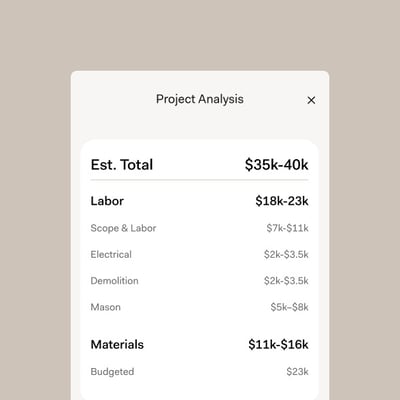
    Get real-time estimates for materials and labor so you can plan your renovation with confidence—no surprises.
    Get an Estimate

    Ready to build? How Block supports finding contractors in Cranberry Township

    Block helps match homeowners with contractors through a structured network, so you are not starting from a blank list of names. The process is designed to give you a clearer path from planning to selecting a builder for bathroom remodeling Cranberry Township projects.

    Block Protections add safeguards around payments and expectations, tying progress payments to project stages. For many homeowners, that additional structure can reduce uncertainty and keep bathroom renovations in Cranberry Township on a steadier track.

    Remodel with confidence through Block

    Happy contractor doing an interview

    Connect to vetted local contractors

    We only work with top-tier, thoroughly vetted contractors

    Couple planning their renovation around the Block dashboard

    Get expert guidance

    Our project planners offer expert advice, scope review, and ongoing support as needed
    Familty enjoying coffee in their newly renovated modern ktchen

    Enjoy peace of mind throughout your renovation

    Secure payment system puts you in control and protects your remodel

    Get Started

    Frequently asked questions

    What are common design themes for bathrooms in Cranberry Township?

    Many homeowners opt for a transitional style that blends clean lines with warm neutrals, so the bathroom feels current but not stark. Spa-influenced showers with simple glass enclosures, large-format tile, and quiet storage solutions are common. Matte black, brushed nickel, and warm brass fixtures, along with layered lighting, help spaces feel brighter during gray-weather months.

    What is the most expensive part of bathroom renovations in Cranberry Township?

    The largest expenses usually come from labor-intensive and behind-the-wall work: plumbing moves, electrical upgrades, framing changes, and detailed tile installation. In higher-end projects, custom cabinetry, stone or specialty surfaces, and heavy glass enclosures can also account for a significant share of the budget.

    When is it valuable to have an interior designer for a bathroom remodel?

    Design help is especially useful if your bathroom has a challenging footprint, you are coordinating several finishes, or you want the remodel to align thoughtfully with your home’s architecture and Cranberry Township resale expectations. An interior designer can help you avoid layout missteps, choose materials that suit local climate and water conditions, and lock in a cohesive plan before construction starts, which often saves both time and money.