


Kitchen remodel guide: smart planning for a Wayne, PA remodel

Budget your upcoming Wayne kitchen remodel with help from Block
How we get your estimate
Fill out the form above to either connect with contractors for a personalized quote or estimate your costs with Block's Renovation Studio.
A bright, airy kitchen designed in a contemporary

In This Article

    In Wayne, a kitchen remodel often starts with one simple goal: make daily life easier without losing what you love about your home. From neighborhoods near Downtown Wayne and the Lancaster Avenue corridor to pockets closer to Radnor’s leafy side streets, kitchens here have to work hard for commuter households using them morning and evening.

    The upside is that thoughtful updates can improve traffic flow, boost storage, and make gatherings feel less cramped, even when the footprint can’t change much. With the right plan, kitchen renovations Wayne PA homeowners choose can also help align finishes with the rest of the house so the remodel feels “always belonged” rather than “just installed.” If you’re weighing a kitchen remodel Wayne PA project this year, local cost realities and older-home constraints are worth understanding upfront.

    Turn your renovation vision into reality

    Get matched with trusted contractors and start your renovation today!

    Find a Contractor

    Budgeting kitchen remodeling costs in Wayne

    While design choices and square footage will be the largest influence in cost, geography plays a role. Compared with the national average, Wayne pricing typically lands higher due to labor rates and finish expectations on the Main Line. Demand for experienced trades, plus the realities of renovating older housing stock with surprises behind walls, can also push totals upward.

    Project size

    Typical square foot range

    Common scope

    Estimated total cost range (Wayne)

    Small kitchen remodels

    70–120 sq ft

    Refresh or partial layout tweaks

    $40,000–$75,000

    Medium-sized kitchen remodels

    120–200 sq ft

    New cabinetry, counters, lighting, likely some layout work

    $75,000–$140,000

    Larger kitchen remodels

    200–350+ sq ft

    Premium finishes, expanded scope, more structural/MEP work

    $140,000–$250,000+

    Examples of projects that drive costs up

    Some upgrades add cost quickly because they stack structural work, specialized labor, and longer lead times into one scope.

    • Reworking the layout by relocating the sink or dishwasher can require new plumbing runs, wall and floor repairs, and coordination across multiple trades.
    • Selecting premium natural stone like quartzite with mitered edges or full-height slab backsplashes usually increases fabrication cost and requires careful handling onsite.
    • Upgrading to a pro-style range may mean upsizing gas lines, installing higher-capacity ventilation, and planning for makeup air to meet code and comfort needs.
    • Adding layered lighting with recessed lights, under-cabinet fixtures, and pendants requires additional circuits, switching, and careful layout time.

    Typical kitchen remodeling labor costs in Wayne

    Labor for kitchen remodeling Wayne PA projects commonly runs about $18,000 to $60,000+, depending on scope and schedule. Smaller cosmetic remodels sit toward the lower end, while full gut renovations with layout changes climb quickly.

    In Wayne, you often see higher labor investment in finishing trades. If you need your kitchen finished by a specific date, compressed schedules and overtime coordination can push labor pricing upward as well.

    Permitting costs for kitchen renovations

    Permits for kitchen renovations in Wayne often fall in the $300 to $2,500 range, depending on how many trades are involved and whether structural work is included. Costs rise when multiple inspections are required or when drawings need to be more detailed to document changes.

    • Moving or adding plumbing for sinks, dishwashers, or pot fillers typically requires plumbing permits and inspections so supply and drain lines meet local standards.
    • Adding new circuits, upgrading service, or relocating lighting usually means an electrical permit and inspections, which is especially common when you add under-cabinet lighting and more outlets.
    • Removing walls or altering headers and joists requires a building permit and structural review to confirm loads are handled correctly after the change.

    Because Wayne’s housing stock skews older, your designer or contractor may recommend submitting clear drawings even for modest layout adjustments so the review process stays straightforward.

    Want to expand your Wayne kitchen? Know your options

    In Wayne, kitchen expansions usually fall into one of three paths, and each changes your budget and timeline differently. The right approach depends on your lot, how your current rooms are arranged, and how much you want to disturb adjacent spaces.

    • Bump out additions can give you just enough room for a built-in banquette, better circulation around an island, or a windowed breakfast niche. In Wayne’s established neighborhoods, side yard setbacks and existing hardscaping can limit how far you extend, and the per-square-foot cost is often higher than interior reconfiguration because you are adding foundation, exterior cladding, and roofing. The advantage is that you can orient new windows and doors to capture light and yard views that older layouts often ignore.
    • Moving walls to take space from other areas is often the most budget-conscious way to make a kitchen feel right-sized. Borrowing a few feet from a formal dining room, hall, or back room can keep you within the existing envelope and avoid exterior construction. You will need to account for rerouting HVAC runs, electrical lines, and possibly radiators or baseboard heaters, but you skip the cost of new foundation work.
    • Electing for an open floor plan by partially or fully opening a wall between the kitchen and a dining or family room can dramatically change the feel of older Wayne homes. Many of those walls are structural, so you’ll need an engineer to size a beam and a plan for where that beam bears. Once the wall is removed, you also need a storage strategy for anything that had been on that wall, such as upper cabinets or a pantry.

    Tips from Block for keeping kitchen renovation budgets in check

    A great kitchen in Wayne doesn’t need every premium feature. It benefits most from a strong layout, durable materials, and lighting and storage that suit daily routines. The ideas below are aimed at protecting those priorities while still respecting the budget.

    • Keep plumbing points in place where possible so you can direct more budget toward higher-quality cabinets, counters, and lighting instead of hidden rough work.
    • Choose one “hero” material such as a special range hood, stone with distinctive veining, or a detailed backsplash, then keep surrounding finishes quieter so both the design and budget stay controlled.
    • Phase specialty features like a built-in coffee station, appliance garage, or secondary prep sink by roughing in utilities now and finishing cabinetry or equipment later if needed.
    • Use standard cabinet sizes strategically and rely on fillers, panels, and trim to create a fitted look that works well in Wayne’s more formal homes without the full cost of bespoke millwork.

    Find greater budgeting clarity with Renovation Studio

    Renovation Studio is Block’s planning tool that helps you explore a remodel before construction begins. You can compare scenarios, such as full-height backsplash versus a standard height with painted wall above, or simple shaker cabinets versus a more detailed door profile that echoes your existing trim.

    For a Wayne homeowner, that kind of side-by-side view makes it easier to decide where to invest. Instead of guessing how a darker island will look with your flooring or wondering if brass hardware will feel too formal with your counters, you can preview combinations and then set a budget that reflects your preferred palette.

    Renovating an older Wayne kitchen? Here’s what to know

    Older kitchens in Wayne can be especially satisfying to update because the surrounding homes often have real character. They also present more unknowns once you open walls and floors. Thoughtful planning helps you preserve the best details while modernizing what you rely on every day.

    Ways to embrace your home’s history

    In Wayne neighborhoods with early-20th-century Colonials and Tudor-inspired homes, you’ll often see substantial trim profiles, traditional window proportions, and a sense of craftsmanship that newer builds rarely match. Your kitchen remodel can acknowledge those elements without feeling stuck in the past.

    Instead of copying an old-fashioned kitchen, you can take cues from the rest of the house and reinterpret them in cleaner, easier-to-maintain ways.

    • Choose unlacquered brass or oil-rubbed bronze hardware that will patina over time and sit quietly with older interior doors and fixtures.
    • Use a simple beadboard detail on an island, breakfast nook, or pantry wall to echo original wainscoting or porch ceilings.
    • Select a classic tile pattern like straight-set subway, a brick pattern, or a restrained herringbone so the backsplash supports the architecture instead of competing with it.
    • Add a furniture-style element such as turned legs at an island or a hutch-like cabinet that feels more like built-in furniture than pure cabinetry.

    Renovate now, pay later

    Achieve the space you're looking for today, while financing it over time with our trusted partner.*

    *Not available in NYC

    Learn More
    Affordable ways to modernize the aesthetic

    If your current kitchen is structurally sound but looks tired, targeted updates can make a big difference before you commit to a full gut. This can be appealing in Wayne if you’re still deciding how long you’ll stay in the home or if you want to phase work around school and commute schedules.

    • Swap outdated light fixtures for a mix of recessed or low-profile fixtures and one or two simple pendants that bring light exactly where you cook and gather.
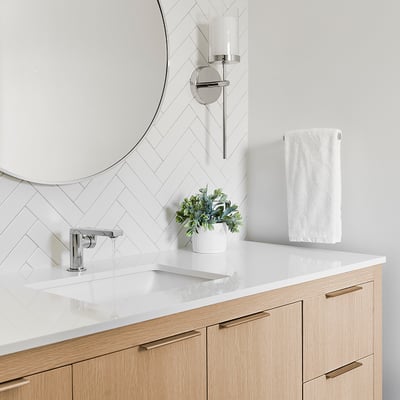
    • Update the backsplash with a bright, easy-to-wipe tile that reflects light from smaller Wayne windows, especially in center-of-house kitchens.
    • Install a modern, quiet vent hood insert inside a simple wood or drywall surround to cut cooking odors and noise without calling too much attention to itself.

    Preparing for the costs of remodeling older kitchens

    Remodeling older kitchens can cost more because you’re often improving systems while rebuilding walls, ceilings, and floors. In Wayne’s early-20th-century homes, it’s common to uncover a mix of older wiring, various plumbing eras, and layered flooring during demolition.

    • Outdated electrical capacity can show up as undersized panels, cloth wiring, or heavily tapped circuits. Bringing your kitchen up to modern loads for induction ranges, microwaves, and dishwashers can add cost but also greatly improves safety.
    • Plumbing that’s reached end-of-life may require replacement of galvanized lines, cast-iron drains, or fragile shutoff valves. Doing this work during a remodel is usually more efficient than waiting for a leak behind new cabinets later.
    • Hidden moisture damage in areas around old sinks, dishwashers, and exterior walls can require new subflooring and sometimes framing repair before finishes go in.

    To keep these issues from derailing your project, set aside a contingency fund of around 10–15% of your overall budget. You can adjust higher if your home has a known history of leaks or piecemeal renovations.

    If you reach the end of the project without using that contingency, you can direct it toward practical upgrades such as interior organizers, a higher-quality faucet, or an additional lighting layer you were considering earlier.

    Claire Fitzgerald

    “Unexpected costs happen, but good planning minimizes them. Clear designs and a detailed scope before construction help prevent costly changes mid‑project.”

    Renovations that welcome the outdoors inside your Wayne kitchen

    Many Wayne homeowners want their kitchens to feel connected to yards with mature trees, patios, and gardens. Older layouts often turn their backs on these views or make it awkward to carry food and gear outside. With Wayne’s four distinct seasons, the goal is less about year-round open doors and more about light, sightlines, and easy access.

    • Upgrade to larger or better-placed windows so the area over your sink or main prep zone takes advantage of views to the yard instead of a narrow, high window that blocks upper-cabinet planning.
    • Add a door that improves flow to the patio or deck so you’re not weaving through a formal dining room carrying trays every time you grill or eat outside.
    • Create a dedicated landing zone near the exterior door with a short run of countertop, hooks, and maybe a tall pantry to manage drinks, paper goods, and outdoor dishware.
    • Use finishes that echo natural textures such as wood tones, muted greens, and stone-like counters so the transition between indoors and outdoors feels calm and cohesive.

    Ways to bring Wayne flavors into your kitchen remodel

    Wayne blends established Main Line traditions with very practical daily routines. Your kitchen can reflect that balance: polished enough for gatherings, but durable and straightforward for busy mornings and late returns from the Paoli/Thorndale line.

    • Honed stone or quartz with a soft, matte finish works well in Wayne kitchens because it looks understated, pairs nicely with original trim, and tends to show fewer streaks and etches than glossy surfaces.
    • Warm wood accents on an island base, seating, or a few open shelves can bring warmth into rooms that might otherwise feel all-white, especially on cloudy fall and winter days.
    • A coffee or tea station designed for weekday routines can keep your main prep areas from becoming crowded during early-morning departures and late-evening returns.
    • Subtle nods to heritage tile patterns like a check floor look, simple square tiles, or modestly scaled subway tile can connect to the age of the home without feeling themed.
    • A mudroom-adjacent pantry strategy near a back entry makes it easier to drop groceries quickly, stage sports gear, and keep heavy-use items close to the kitchen but out of daily sightlines.

    Taking design cues from your Wayne home’s architecture

    Wayne’s kitchens sit inside a wide range of home styles, from Tudor-inspired houses with steep gables to early-20th-century Colonials with more formal room divisions. You’ll also find twins and older village-area homes where square footage runs smaller, plus mid-century properties with open layouts and larger glass expanses.

    Letting the architecture guide your choices helps your remodel feel like a natural part of the home. Matching trim depth, door styles, and the “busyness” of your materials to what’s already there usually leads to a result that feels settled rather than abrupt.

    Ideas for Colonial kitchens in Wayne

    Colonial homes in Wayne often have balanced facades, central stair halls, and modest but well-proportioned rooms. Kitchens may feel tucked away behind dining and living rooms, with limited wall openings to the rest of the house.

    • Prioritize a clean cabinet layout with regular cabinet widths to echo the home’s symmetry and keep the room from feeling visually noisy.
    • Use shaker or simplified raised-panel doors that coordinate with existing door casings and baseboards without mimicking them exactly.
    • Add a pantry wall in place of an underused door or niche so you can widen another opening for better flow without sacrificing storage.
    • Choose classic lighting forms such as schoolhouse-style fixtures or simple lanterns, while updating performance through dimmers and task placement.
    • Keep islands proportional so aisles stay comfortable in narrower rooms; err on slightly smaller islands with good storage instead of large blocks that constrain movement.

    Ideas for Tudor kitchens in Wayne

    Tudor-style homes around Wayne often feature steep roofs, leaded glass, arched openings, and darker woodwork. Kitchens in these homes can feel charming but compartmentalized, with fewer straight, uninterrupted runs for modern cabinetry.

    • Respect arched doorways and deep openings by aligning hood and cabinet heights so the eye flows past them rather than catching on competing shapes.
    • Use warmer metals and natural materials that pair well with existing wood beams, doors, or paneling, such as brass, bronze, and honed stone.
    • Plan lighting carefully to support smaller or divided windows; layered lighting can keep darker corners bright without overpowering the architecture.
    • Consider a furniture-style island with legs and an open base that reads more like a table, which suits the character of Tudor interiors.
    • Choose backsplash and counter materials with subtle movement so they complement, rather than compete with, textured plaster and wood details.

    Ideas for twin home kitchens in Wayne

    Twin homes in Wayne often have narrower footprints and compact back additions. Kitchen planning here focuses on getting storage, circulation, and light balanced in a tighter envelope.

    • Use taller cabinetry and integrated storage so you can avoid freestanding shelves or hutches that crowd limited floor area.
    • Select appropriately scaled appliances such as a 24–30" range and counter-depth refrigerator to preserve circulation space.
    • Consider a peninsula instead of an oversized island if the room is narrow, so you maintain decent aisle widths on both sides.
    • Add glass or lighter upper elements in the center of the home to keep the space from feeling boxed in, especially if there is only one exterior wall with windows.
    • Build in pull-outs and vertical tray storage to use every inch of lower cabinetry and reduce the need for additional pantry furniture.

    Ideas for mid-century kitchens in Wayne

    Mid-century homes in and around Wayne usually have simpler trim, more horizontal lines, and, in some cases, larger window expanses. These houses often lend themselves well to open layouts, but ceiling heights can be lower than in older Colonials.

    • Use flat-panel or slim-shaker cabinetry to keep the look crisp and in step with the home’s geometry.
    • Choose wide-plank flooring or continuous floor runs so adjacent rooms flow together visually and the kitchen feels less like a separate box.
    • Emphasize layered lighting with discreet fixtures such as small-profile recessed lights, under-cabinet lighting, and simple pendants instead of heavy chandeliers.
    • Keep hardware simple and consistent so the focus stays on materials rather than ornate details that can feel out of place.
    • Plan ventilation early so new ductwork or hood designs don’t require bulky soffits that fight the lower and more horizontal proportions.

    Upgrade your kitchen with Wayne contractors found by Block

    Block can connect you with contractors based on your kitchen’s scope, style, and timeline so you’re not sorting through generalists on your own. That support becomes valuable in Wayne, where many remodels involve coordinating multiple trades inside older homes.

    Block Protections and systemized payments are built in to keep expectations and milestones clear. You still make the big decisions about layout, finishes, and budget, while your team handles day-to-day coordination and construction.

    Remodel with confidence through Block
    Happy contractor doing an interview

    Connect to vetted local contractors

    We only work with top-tier, thoroughly vetted contractors

    Couple planning their renovation around the Block dashboard

    Get expert guidance

    Our project planners offer expert advice, scope review, and ongoing support as needed
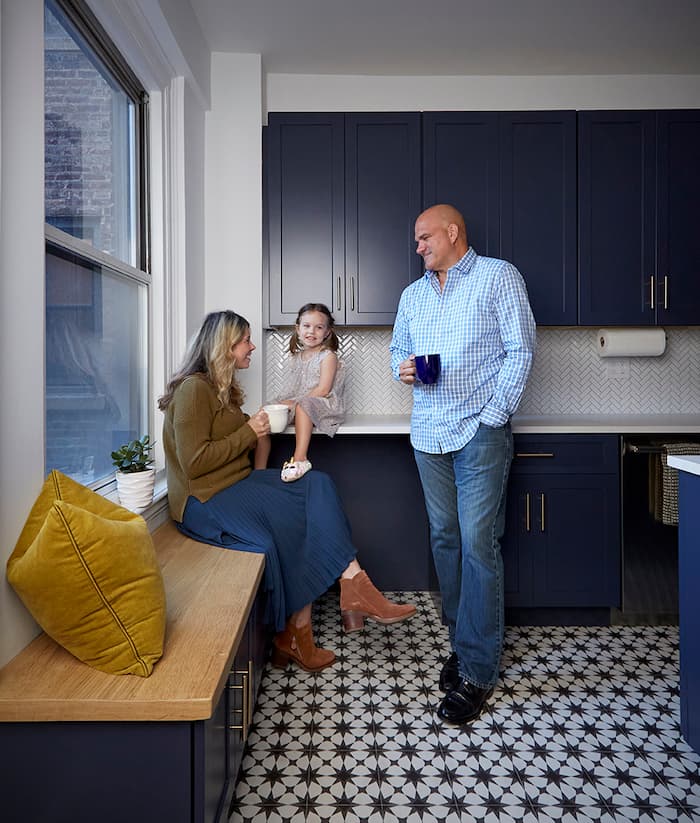
    Familty enjoying coffee in their newly renovated modern ktchen

    Enjoy peace of mind throughout your renovation

    Secure payment system puts you in control and protects your remodel

    Get Started

    Frequently asked questions

    What options are available in Wayne for the removal and disposal of old appliances?

    Many appliance retailers serving Wayne offer haul-away services when they deliver new units. This can be the simplest route if you’re replacing appliances close to installation day. Your contractor can also coordinate junk removal services to take appliances along with demolition debris.If the appliances still work, local donation centers and reuse organizations may accept them, though policies change, so you’ll want to confirm age and condition requirements in advance.

    Is it better to buy materials myself or to rely upon my Wayne contractor?

    Relying on your contractor for most materials usually keeps scheduling smoother because they are accustomed to ordering, checking deliveries, and handling damaged or incorrect items. When homeowners purchase materials themselves, it can be helpful for easily swapped items like hardware or pendant lights but more risky for cabinets, tile, or windows that are central to the schedule.Many Wayne projects use a blended approach: you choose the overall look and specific products, then your contractor handles procurement for key items tied to layout and inspections.

    When do major kitchen appliances and materials tend to go on sale in Wayne?

    Sales patterns in Wayne mostly track national cycles, with larger promotions around holiday weekends such as Presidents’ Day, Memorial Day, Labor Day, and end-of-year clearances. Timing your appliance purchases around those windows can save money, but lead time is just as important.Before you buy, confirm with your contractor when they need final appliance models and when they want delivery so items don’t arrive too early or too late for your project.