



Design
Bathtub to Shower Conversion: Cost, Ideas, Examples & More
08.11.2026
01.20.2026


.jpg?width=640&name=5301c89b-3165-4f83-af34-a6b02eaa6c48%20(1).jpg)
In This Article
A wet room can bring a sense of openness, accessibility, and easy maintenance to your daily routine. Converting a bathroom to a wet room blends function and modern style—but the project requires expert planning and careful execution to truly get it right.
A wet room is a bathroom where the entire floor and lower walls are waterproofed, creating a walk-in shower that is flush with the rest of the room. There are no shower trays, steps, or thresholds—all water is directed to a central or linear drain through a sloped floor.
Common qualities of a true wet room:
The shower is on the same level as the bathroom, eliminating barriers and curbs.
A continuous waterproof membrane is installed underneath all floor finishes and lower walls.
Water drains through a floor slope, rather than being contained by a tub or stall.
Durable, nonporous materials such as porcelain tile, stone, or cement are used throughout.
Wet rooms can bring both practical perks and style upgrades to daily life, including:
Barrier-free entry supports aging-in-place and makes it much easier to accommodate walkers, wheelchairs, or strollers.
Cleaning is simpler, since there are fewer corners and ledges to collect grime.
Visual spaciousness is improved, especially in compact homes.
Modern design fits many contemporary and minimalist spaces.
Proper waterproofing helps protect against leaks and moisture-related damage.
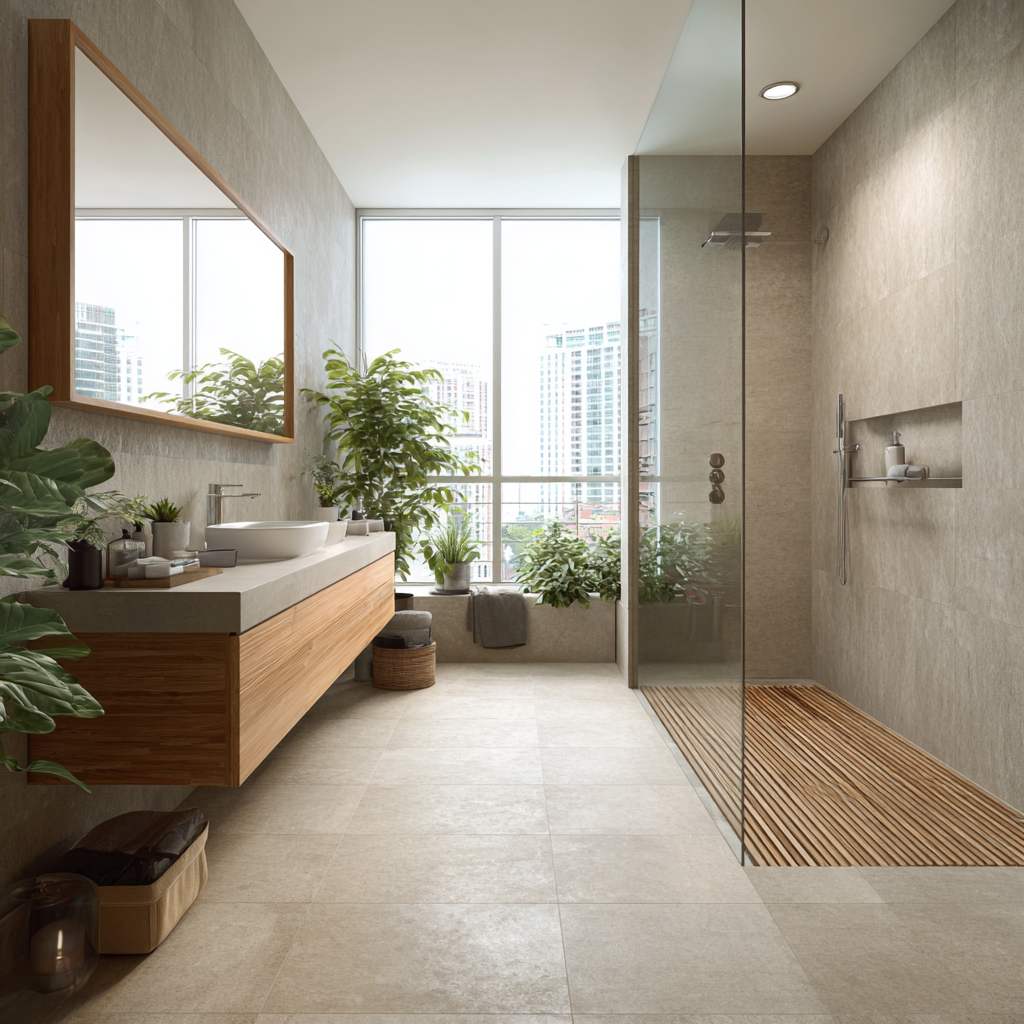
Wet rooms offer some unique advantages—but the best results come when the design fits your home, your needs, and your routines.
Not every bathroom is large enough to safely or comfortably accommodate a wet room remodel. Industry standards suggest at least 35–40 square feet of floor area to allow for proper drainage and to differentiate between the “wet” and “dry” zones of your bathroom. This ensures that areas like the toilet and vanity remain usable and clean even after a shower.
If your current bathroom is smaller than this, there are some important tradeoffs to understand:
In compact spaces, water can reach every corner, leaving toilets and other surfaces wet and requiring constant cleanup.
It may be impossible to install an ADA-compliant (Americans with Disabilities Act) or accessible layout—there simply isn’t room for clear maneuvering space or for a helper if needed.
Small spaces may require significant reconfiguration, removal of features, or customized waterproofing—all of which add cost and reduce convenience.
If you have a very small bathroom but want a wet room, focus on containment strategies (like well-placed glass screens). For improved accessibility, prioritize the largest clear floor area possible.
Not every household benefits equally from a wet room. Here are some scenarios where a wet room will be most appreciated:
Older adults or anyone with limited mobility may find a wet room safer and easier to use. The absence of curbs or steps reduces tripping hazards, and the accessible design can help with tasks like moving in and out of the shower or using a wheelchair, making it a strong option for aging in place or multi-generational living.
Families who primarily shower (and don’t rely on a bathtub) can maximize space and comfort with a wet room. If you’re past the stage of bathing young children and rarely soak in a tub, an open-plan bathroom keeps the layout flexible and efficient.
Homeowners seeking an ADA-compliant bathroom will benefit from the open floor plan and threshold-free shower typical in wet rooms. These features make it easier to install grab bars, benches, and allow for future adaptations as needs change.
Anyone wanting a highly functional, easy-to-clean bathroom tends to appreciate the minimal maintenance a wet room offers. With far fewer surfaces to scrub and less risk of hidden leaks, routine upkeep is simplified for busy households.
People remodeling smaller bathrooms often find wet rooms create the illusion of more space and allow for creative, flexible layouts. This is especially helpful for guest baths, powder rooms, or compact primary suites where every inch counts.
If your household has children who need frequent baths, if you share a main bathroom with many users, or if water on surfaces would be a daily annoyance, a wet room may not suit your routines.
Turn your renovation vision into reality
Get matched with trusted contractors and start your renovation today!
Find a Contractor
Transforming a standard bathroom into a wet room is a true construction project—and it’s much more involved than a typical cosmetic remodel. Here’s what you should expect:
Timeline: Wet room renovations often take 3-6 weeks or more, depending on the room size and whether plumbing or structural changes are needed. This process is seldom quick, so plan accordingly for disruptions.
Demolition and mess: Contractors must remove all floor finishes, many wall finishes, old shower or tubs, and sometimes subfloor layers. This is noisy, dusty, and will generate considerable debris. Interior dust barriers help, but expect mess. Water is shut off periodically and the bathroom will be out of use for much or all of the project.
Waterproofing: The most crucial step is installation of a continuous waterproof membrane on the floor and often several feet up the wall. All seams, corners, and penetrations are sealed to prevent even minor leaks.
Sloping and drainage: The subfloor is reworked to create a gentle, uniform slope—either to a central drain or a long, linear model along one wall. Proper sloping is critical; too steep makes standing uncomfortable, too flat allows pooling.
Plumbing and electrical: Shower controls, new drains, and sometimes relocated pipework must be installed. In some projects, electrical outlets or lighting are moved for safety or convenience.
New finishes: Tile, stone, or other approved wet room materials are set with special adhesives and grout. Seams are sealed tightly.
Ventilation: Wet rooms need robust ventilation—usually a high-capacity exhaust fan or, if possible, an operable window in your shower—to prevent mold and speed drying.
Inspection: Most projects require permitting and a final inspection by a local authority to ensure all systems meet code.
Cleanup: The job site is cleared, final caulking and sealing is completed, and the bathroom is ready for use.
Throughout this project, expect construction noise, loss of bathroom use, dust, and regular visits by tradespeople. Good contractors will protect the rest of your home, but some inconvenience is inevitable.
Converting a bathroom into a wet room is a significant project, and costs reflect the labor, materials, and expertise required. Most homeowners should expect:
$15,000–$25,000 for a smaller, straightforward project with standard tile and layouts.
$25,000–$40,000 for a mid-sized wet room or one including higher-end design and features.
$40,000 or more for large, complex spaces, premium tile or glass, or extensive replumbing.
Cost factors include the scope of demolition, extent of waterproofing, material selection, whether the layout shifts, and the need for specialized drains or equipment.
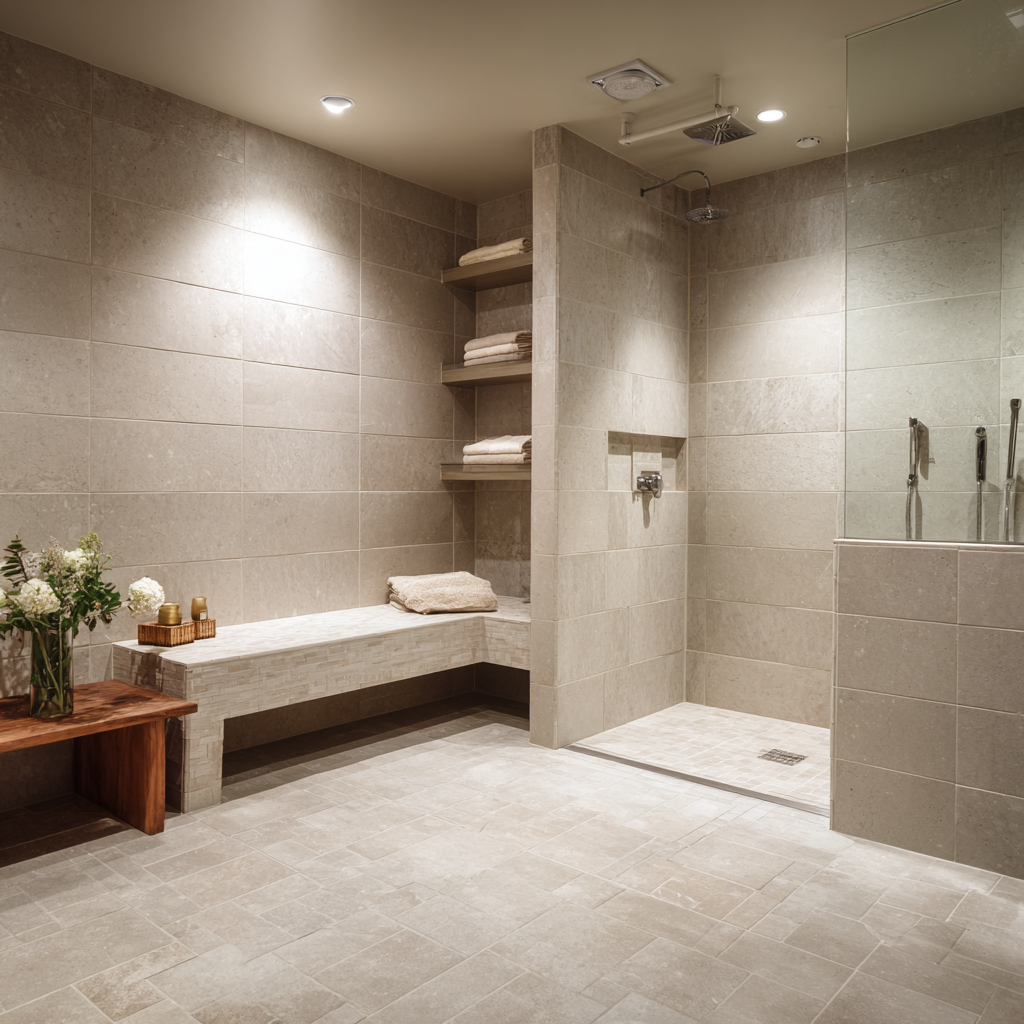
A thoughtful layout, the right remodeling materials, and careful attention to details will dramatically affect how your wet room functions every single day. Below are key strategies that help wet room renovations deliver on their promise of safety, comfort, and convenience long after the project is complete.
Use a slip-resistant floor tile for safety throughout the room. In a wet room environment, every part of the floor is exposed to water, so the risk of slips increases compared to a traditional bathroom. Opt for tiles rated for wet and barefoot areas—these have a textured surface that gives you better traction, even when soaked. Porcelain is a popular choice because it’s durable and available in many slip-resistant finishes. If you or anyone in your household is older or has mobility concerns, prioritize a tile with a higher slip resistance rating (look for DCOF ratings of 0.42 or greater, or tiles labeled specifically as “shower-safe”).
Install a linear drain along a wall to simplify sloping and minimize standing water. While traditional center drains are common, a linear drain—placed discreetly against one wall—streamlines both function and aesthetics. This type of drain allows the floor to pitch in a single direction, creating a flatter, more even surface across most of the wet room. It also helps water evacuate quickly, minimizing the risk of slippery puddles or persistent dampness.
Add a partial glass panel to contain spray without closing off the room. An open-plan wet room doesn’t have to mean water everywhere. Installing a fixed glass screen between the shower and “dry zone” helps keep splashes confined, so the toilet and vanity stay usable even right after a shower. Choose a panel that’s tall and wide enough to contain spray, but that doesn’t interrupt the flow or accessibility of the space. Frameless options preserve sight lines and natural light.
Opt for wall-mounted or recessed storage to keep toiletries drier and more accessible. Freestanding cabinetry and open shelves aren’t always ideal in a wet room remodel, since water can reach almost every corner. Prioritize wall niches or recessed shelving inside the shower area to hold bath products conveniently—add a slight slope so water runs off and doesn’t pool. Consider wall-mounted vanities, mirrored cabinets, or custom built-ins for the rest of the room, placed outside the main shower spray zone.
Plan on robust mechanical ventilation to control moisture and prevent mold. Wet rooms generate lots of steam, so excellent airflow is non-negotiable. Install a high-capacity, quiet exhaust fan that’s correctly sized for your bathroom; for peace of mind, look for models with humidity sensors or automatic timers that keep air moving after you leave. If possible, add an operable window for natural ventilation, especially in a frequently used primary bath.
Lighting and accessibility should not be an afterthought. Wet rooms tend to have more reflective surfaces and less division, so lighting becomes even more important. Include layered lighting—ambient, task, and accent—to meet the needs of everyone using the space. Waterproof or vapor-proof fixtures are a smart choice in and around the shower.
Consider material durability. With constant exposure to water, every material in your wet room should be chosen for its resistance not only to moisture, but also to staining, temperature extremes, and cleaning chemicals. Opt for high-quality grouts, waterproof backer boards behind the tile, and caulks made for humid, wet locations. Invest in products that are easy to repair or clean, rather than just what looks best on day one.
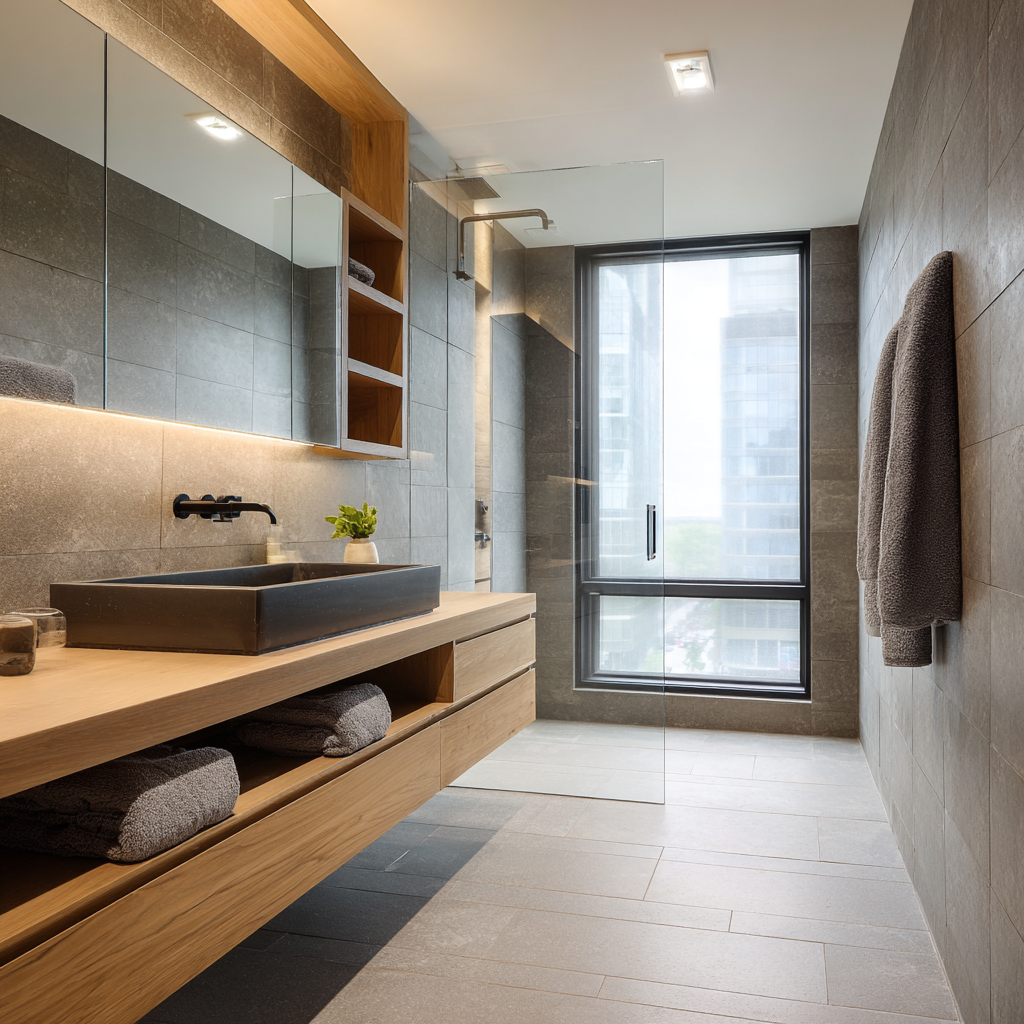
Thoughtful planning and expert execution are the foundation of any successful wet room renovation. Block Renovation matches homeowners with experienced, vetted contractors, provides clear proposals, and supports you with transparency and guidance from start to finish. Compare plans, visualize your new space, and know what to expect at every step.
If you’re ready to make your bathroom more accessible, resilient, and well-suited to the way you live, Block Renovation helps you move forward with confidence.
Remodel with confidence through Block

Connect to vetted local contractors
We only work with top-tier, thoroughly vetted contractors

Get expert guidance
Our project planners offer expert advice, scope review, and ongoing support as needed
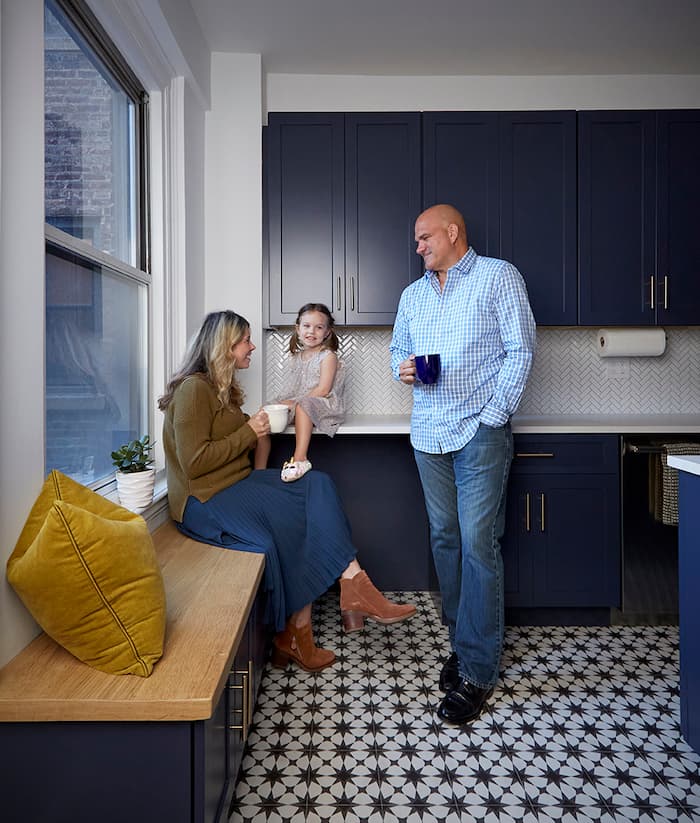
Enjoy peace of mind throughout your renovation
Secure payment system puts you in control and protects your remodel

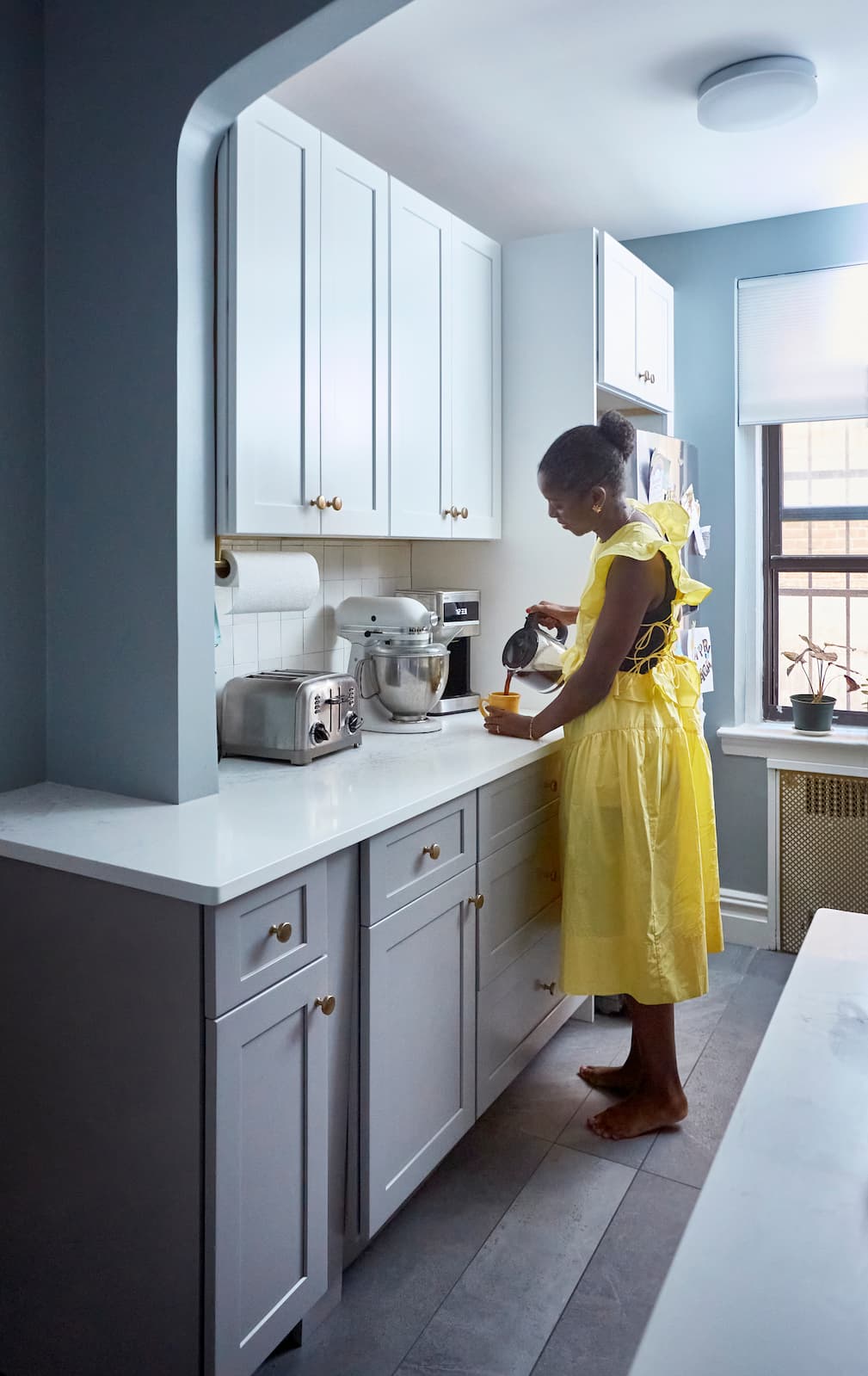
Renovate confidently with Block
Easily compare quotes from top quality contractors, and get peace of mind with warranty & price protections.
Design
Bathtub to Shower Conversion: Cost, Ideas, Examples & More
08.11.2026
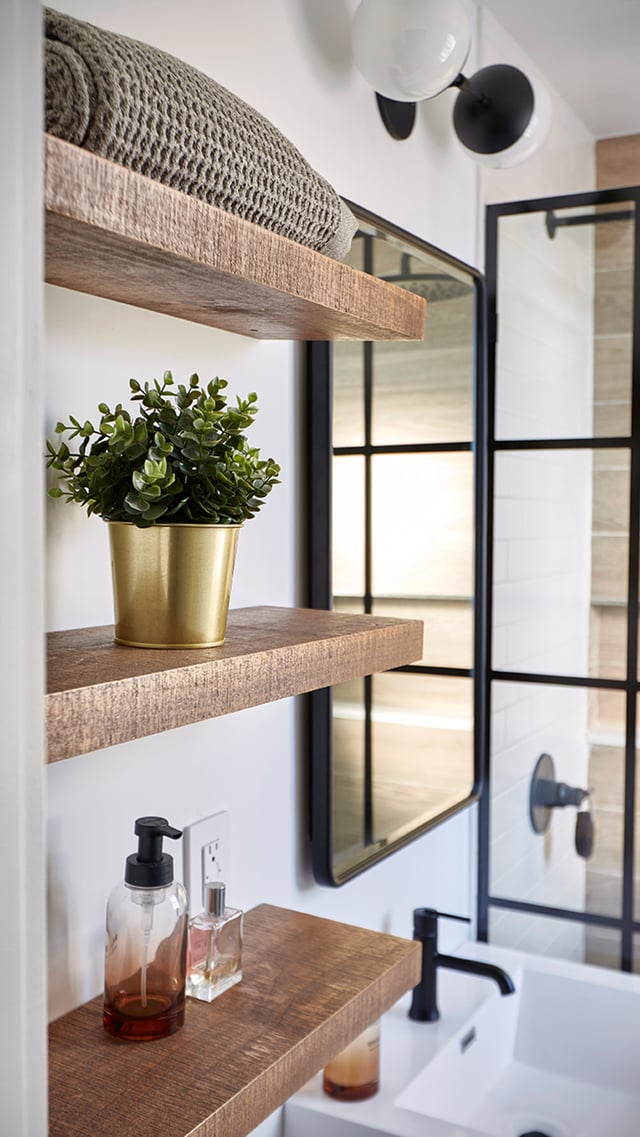
Design
Open Shelving Bathroom Design Ideas & Optimal Placement
08.08.2026
Bathroom
Bathroom Wall Texture Ideas and What to Avoid
08.03.2026
Bathroom
High End Toilets for an Upgraded Bathroom
07.24.2026
Bathroom
Adding a Bathroom to an Old House: Cost & Placement
07.22.2026