



Design
Bathtub to Shower Conversion: Cost, Ideas, Examples & More
08.11.2026
01.20.2026


.webp?width=640&name=d8151090-d347-11eb-9d1d-3514adcc0bb1%20(1).webp)
In This Article
Choosing the right bathtub material has long-term consequences for comfort, looks, ease of cleaning, and even your home’s value. If you're sorting out options like acrylic vs fiberglass bathtub, or want to know how cast iron tubs perform compared to fiberglass or porcelain, you’ll want more than just a surface-level summary. Here, Block Renovation breaks down everything you should know—including performance, price, and care—so you’ll feel confident choosing the best bathtub for your needs and goals.
Acrylic bathtubs are made by heating and molding sheets of acrylic, which are then reinforced with fiberglass for extra strength. This creates a tub that’s lightweight, nonporous, and available in a wide range of shapes and colors—making it a favorite for contemporary bathrooms and tight floorplans.
Cost: Most acrylic bathtubs cost $500–$1,200 for standard sizes, with larger or design-forward options reaching $3,000 or more.
Top benefits: Acrylic bathtubs are easy to maneuver and install on any floor of the home. Plus, they excel at retaining heat, helping to keep bathwater warm for longer soaks, and the surface feels pleasant and warm to the touch. Surface scratches can be easily repaired, and a gentle cleaning routine will preserve both the tub’s color and shine for many years.
Acrylic bathtubs vs fiberglass: Acrylic tubs use a thicker, more resilient shell, offering superior durability against flexing, cracks, and stains. While both materials can scratch, acrylic hides blemishes better and repairs are less noticeable, giving it the edge for family bathrooms or long-term use.
Acrylic bathtubs vs porcelain: Acrylic weighs much less than porcelain-on-steel tubs and is warmer to the touch, making it comfortable for quick and deep soaks alike. Unlike porcelain enamel, acrylic resists chips and doesn’t expose metal beneath if dinged; however, porcelain can handle harsh cleaning chemicals and heavy wear a bit better over the long haul.
Fiberglass bathtubs are constructed from fine glass fibers covered in a sturdy polyester resin and glossy finish, creating a tub that’s exceptionally light and budget-friendly. They’re often the go-to for rental renovations or homeowners who need an easy install and aren’t worried about decades of heavy use.
Cost: The average fiberglass tub costs $300–$900 installed, making it the least expensive and quickest-to-source material for most projects.
Top Benefits: Fiberglass tubs are extremely lightweight, making them very easy to bring into the home and set up, even if you're working with a tight space or tackling a DIY installation. Their low material cost makes them a perfect choice for tight budgets or short-term upgrades such as rentals or guest baths. If the surface develops minor cracks or chips, these issues can usually be repaired inexpensively by a pro.
Fiberglass bathtubs vs acrylic: Fiberglass tubs are a bit thinner and less dense, which means they’re more prone to warping, fading, and flexing, especially under heavy use. Acrylic holds its color and resists scratches longer, making it a smarter pick for a forever home.
Fiberglass bathtubs vs cast iron: Fiberglass wins for upstairs remodels or when you can’t easily reinforce floors, as cast iron tubs can weigh 400 lbs or more. Cast iron, on the other hand, is far more resistant to damage, retains heat beautifully, and can easily outlast a fiberglass tub by decades if cared for.
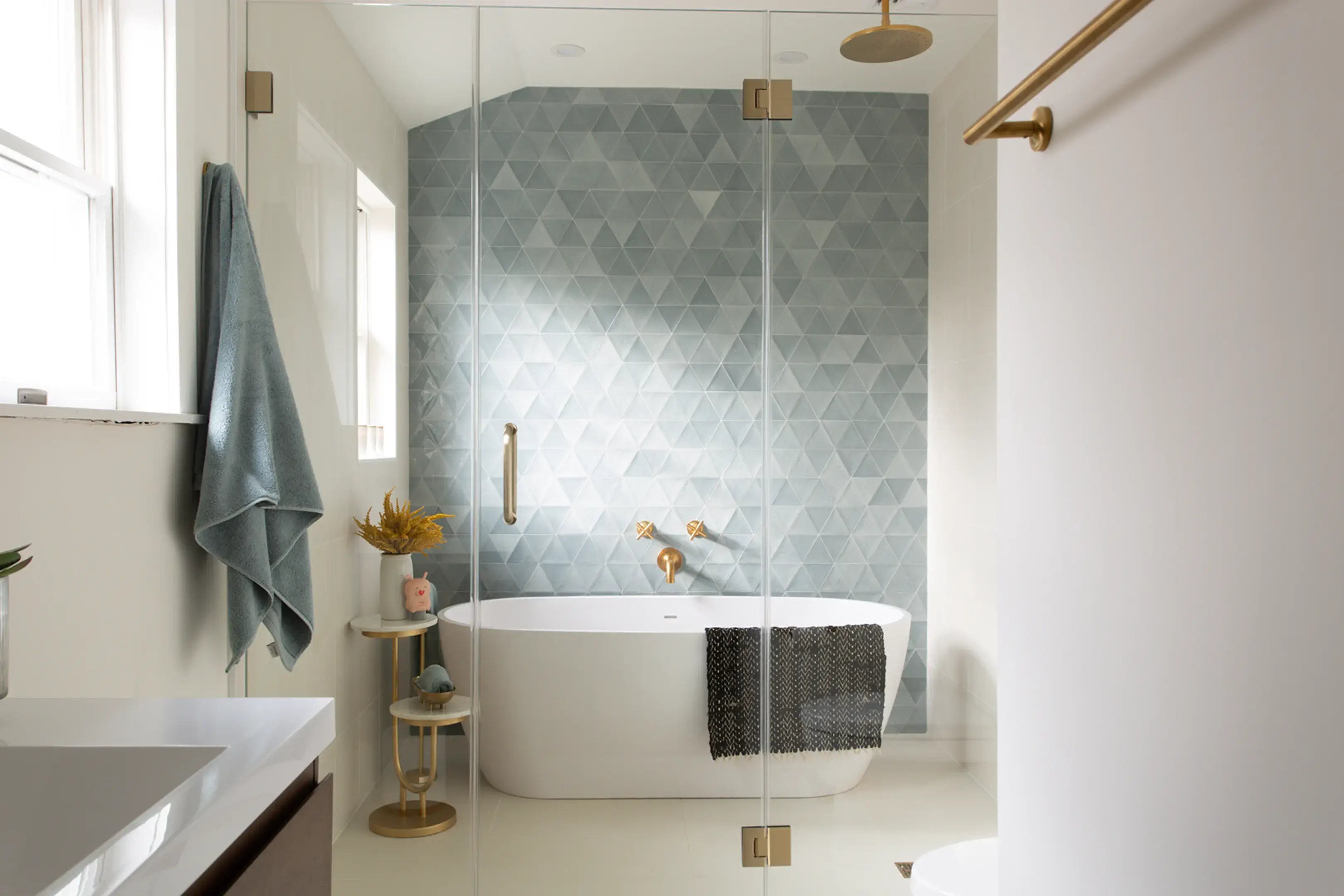
Porcelain bathtubs feature a steel base coated with a hard enamel finish, delivering a bright, glassy look and an incredibly smooth surface. These are classic “builder-standard” tubs in many homes and provide that traditional, easy-to-clean gloss people associate with vintage bathrooms.
Cost: Porcelain-on-steel tubs typically cost $400–$1,500, balancing economy with long-term appearance and performance.
Top benefits: The glossy white finish of a porcelain-on-steel bathtub stands up beautifully to high heat and frequent cleaning, preserving its bright look for years. This material is highly resistant to everyday stains, so you don’t have to worry about discoloration over time.
Porcelain bathtubs vs acrylic: Porcelain-on-steel is colder to the touch at the start of a bath but feels solid and substantial. Acrylic is much lighter and softer (less breakable), but lacks the bright reflective shine and absolute scratch resistance of porcelain enamel.
Porcelain bathtubs vs cast iron: Both use a porcelain enamel finish, but cast iron tubs are heavier, thicker, and better for holding heat. Porcelain-on-steel is less insulating, but easier to set and may not require floor reinforcement for installation.
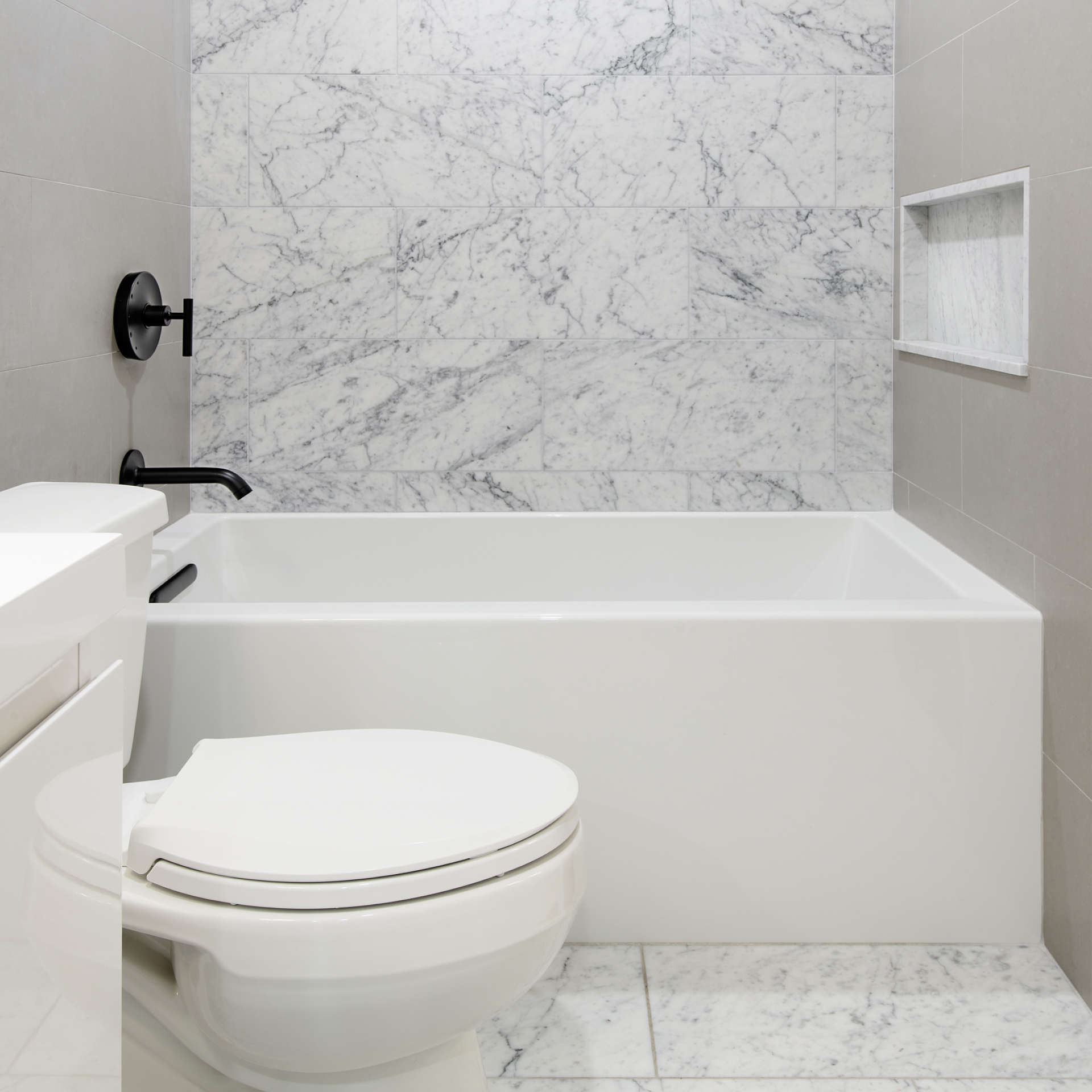
Cast iron bathtubs are forged from solid iron and finished with a thick, glossy porcelain enamel, forming a tub that's nearly indestructible and visually timeless. These tubs are fixtures in historic homes and upscale remodels, prized for their rich feel and longevity.
Cost: Expect to pay $1,200–$5,000+ for a new cast iron tub, with vintage clawfoot and luxury models fetching higher prices. Installation can be costly due to weight (requiring extra hands or even structural reinforcement).
Top benefits: Cast iron bathtubs are exceptionally durable—so much so that they can easily last a lifetime or even be refinished for a second generation of use. They have the best heat retention of any tub material, allowing bathwater to stay warm well after the tap is turned off, which is perfect for long, relaxing soaks.
Cast iron bathtubs vs fiberglass: Cast iron is the gold standard for durability and stability, but it’s very heavy—making it impossible to install without help and floor support. Fiberglass is affordable and easy to move, but doesn’t come close in terms of strength or temperature control.
Cast iron bathtubs vs acrylic: Cast iron tubs will outperform acrylic for heat retention and scratch resistance, but acrylic tubs are much easier and cheaper to install (especially upstairs). Acrylic may fade or scratch over time if cleaned with abrasive agents, whereas cast iron is meant to look pristine for decades.
Solid surface tubs are created from mineral composites bonded with resin, resulting in a heavy, seamless, and often matte or stone-like bath. These are tailored for luxury bathrooms with a sculptural look and feel.
Cost: $2,000–$6,000 and up depending on brand, shape, and finish.
Top benefits: Solid surface tubs allow designers to create freeform shapes and extra-deep soakers that can transform a standard bathroom into a luxurious retreat. Because the material is nonporous and easy to clean, any surface blemishes that do occur can often be gently sanded and restored.
Stone resin bathtubs are formed from ground stone blended with resin, offering the substantial feel of stone at a fraction of the weight or price. Their spa-like presence and versatility suit high-end bathrooms.
Cost: Typically $1,500–$4,500 (plus installation).
Top benefits: Stone resin tubs drain less heat away from bathwater than fiberglass, soaks remain warmer, and the tubs feel substantial and sturdy underfoot. A wide range of contemporary and organic shapes are available, allowing homeowners to find something perfectly tailored to their style.
Copper bathtubs are individually hammered and finished by artisans, each with its own unique tone and character. These are statement pieces used for luxury rustic or vintage projects.
Cost: $2,000–$10,000+ based on custom work and thickness.
Top benefits: Copper tubs are naturally antibacterial, giving them a hygienic edge and requiring less frequent deep cleaning. Over time, each tub develops a unique patina that makes it more beautiful and interesting as it ages, ensuring that no two are exactly alike.
Perfect Every Detail of Your Bathroom

Selecting a material based on how you plan to use your tub makes a real difference in comfort and long-term performance.
Best material for freestanding tubs: Acrylic is ideal for most freestanding tubs—it’s light, easy to shape in dramatic or classic designs, and simple to install on virtually any floor. For homes with the structure to support it, cast iron or solid surface offer premium feel and impressive durability, serving as a bathroom statement. Solid surface or stone resin let you push limits with deep soaking or modern curves while delivering outstanding tactile comfort.
Best material for soaking tubs: Cast iron, solid surface, or stone resin are tops for soaking tubs, as they provide superior heat retention for longer, more relaxing baths. Acrylic is a comfortable, affordable alternative for most homes, especially where weight is a concern. Deep sides and ergonomic backrests available in these materials maximize the luxury feel.
Best material for alcove/standard built-in tubs: Fiberglass and acrylic excel for alcove or built-in projects, as they’re available in standard sizes, are easy to install, and stay budget-friendly. Porcelain-on-steel is a classic option if you want an elegant, shiny look and don’t mind the slightly extra weight and care. These materials are practical for busy family tubs where ease of cleaning and maintenance outweighs luxury.
Best material for luxury or statement tubs: Stone resin, solid surface, cast iron, or copper bring drama, gravitas, and timeless style to showcase bathrooms. Each stands out for unique color, surface feel, and longevity—allowing for creative architecture or heritage-inspired designs. Be sure to consult your contractor about structural support for these heavier pieces before ordering.
If you’re weighing style and finish options, Block’s Renovation Studio is a powerful tool for visualizing how different materials—acrylic, fiberglass, cast iron, or custom surfaces—will look in your bathroom. You can experiment with layouts, colors, and price points while getting instant feedback on how every choice impacts your budget and schedule. It makes planning both fun and practical, transforming inspiration into a step-by-step plan you can share with your contractor.
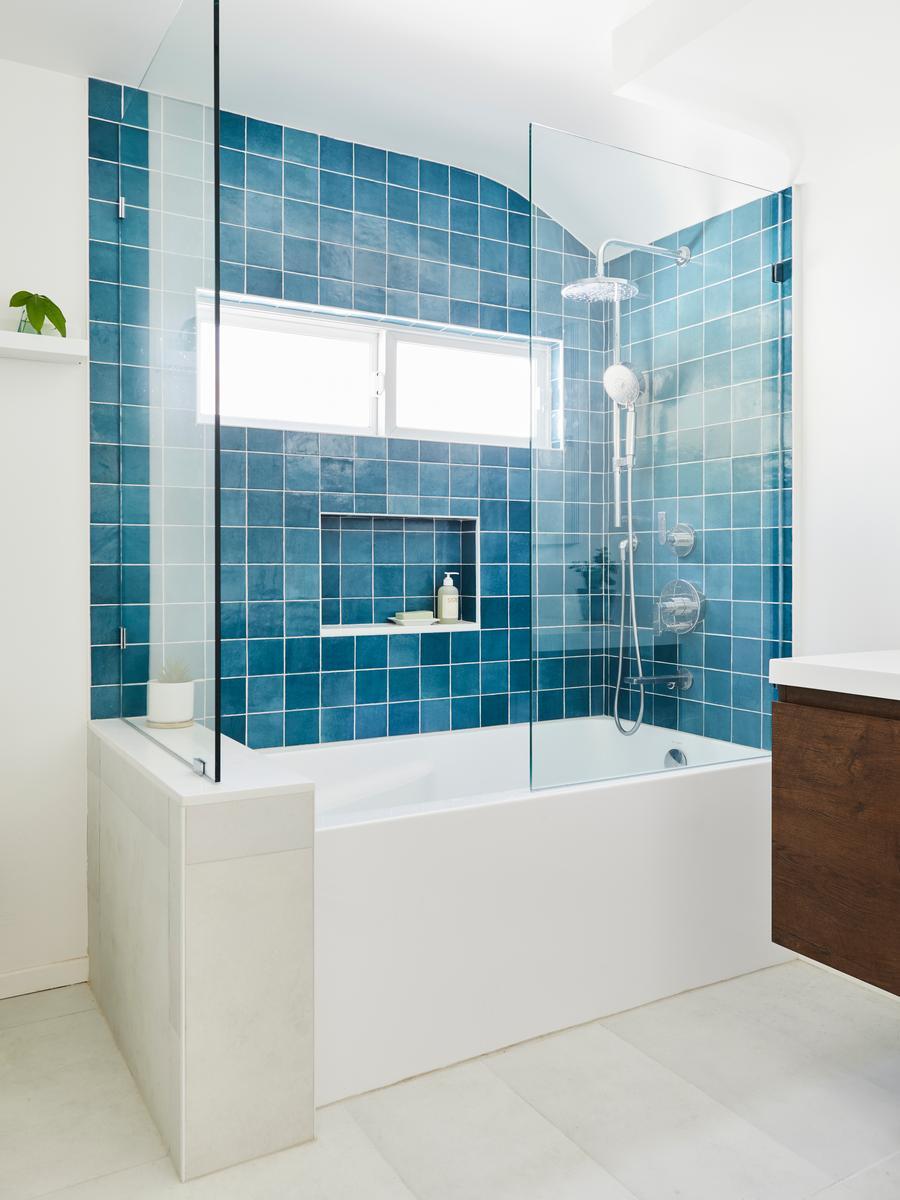
For the actual build, Block Renovation takes the stress out of contractor selection and project management. Homeowners get matched with vetted, experienced pros who know everything from structural supports for heavy tubs to flawless installation of high-gloss acrylic or antique clawfoot cast iron. Block’s tools let you review real bids, manage payments securely, and communicate with your team at every phase, turning expectations into results you’ll love for years.
Remodel with confidence through Block

Connect to vetted local contractors
We only work with top-tier, thoroughly vetted contractors

Get expert guidance
Our project planners offer expert advice, scope review, and ongoing support as needed

Enjoy peace of mind throughout your renovation
Secure payment system puts you in control and protects your remodel

Renovate confidently with Block
Easily compare quotes from top quality contractors, and get peace of mind with warranty & price protections.
Design
Bathtub to Shower Conversion: Cost, Ideas, Examples & More
08.11.2026
Design
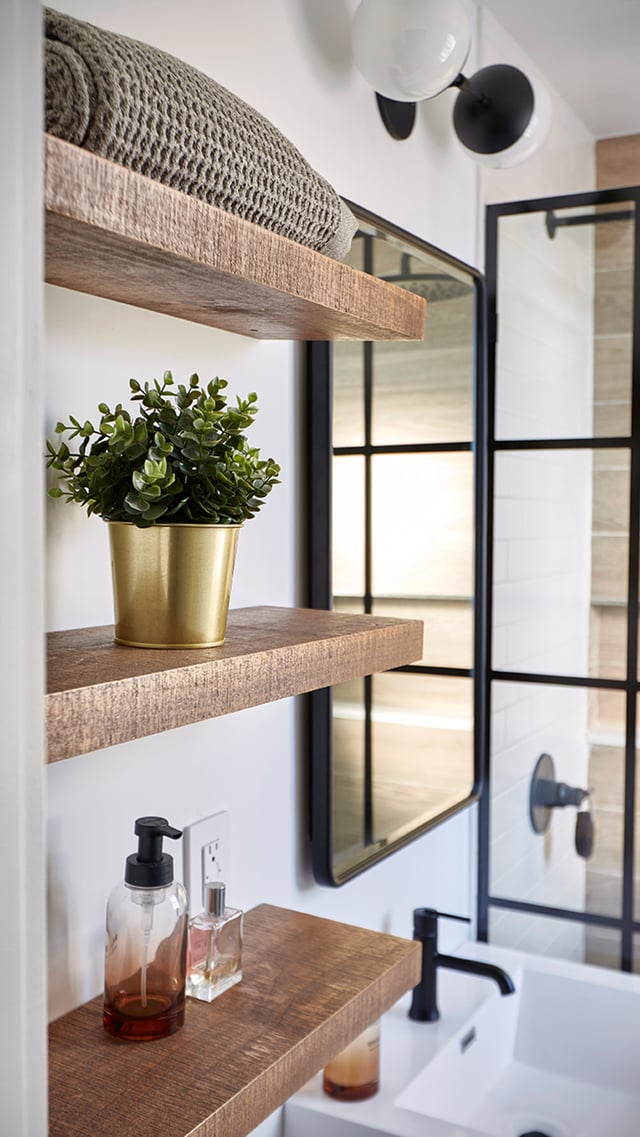
Open Shelving Bathroom Design Ideas & Optimal Placement
08.08.2026
Bathroom
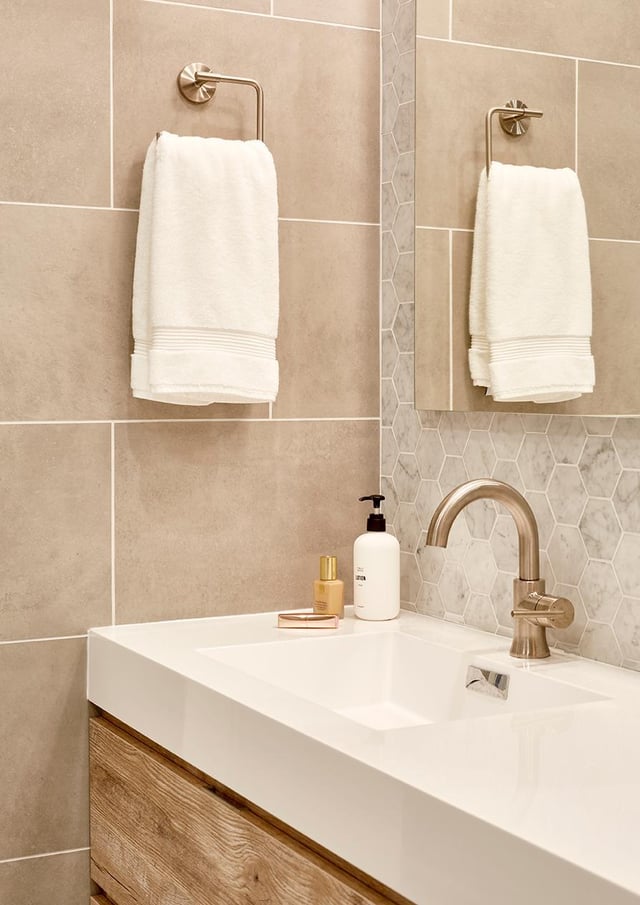
Bathroom Wall Texture Ideas and What to Avoid
08.03.2026
Bathroom
High End Toilets for an Upgraded Bathroom
07.24.2026
Bathroom
Adding a Bathroom to an Old House: Cost & Placement
07.22.2026