



.png?width=640&name=u5821215421_Mediterranean_apartment_kitchen_with_a_rounded_is_b5261b9d-7d5a-498f-955d-d2ccbf7355fc_3%20(1).png)
Texas
Katy Home Additions: What Pays Back (Cost Guide)
05.29.2026

04.23.2026


In This Article
In Dallas, the backyard is not an afterthought. It's where the brisket smokes for six hours on a Saturday. It's where the TV goes for game day. It's where dinner happens four nights a week from March through November, and where the holiday party spills out when the living room fills up. DFW homeowners invest in their outdoor spaces with a seriousness that matches the region's entertaining culture, and the results often rival the square footage and finish level of the rooms inside.
The ingredients that make this possible are straightforward: generous lots that give you room to build, a climate that cooperates for eight or nine months of the year, labor costs that keep projects more affordable than coastal markets, and a housing culture that values a well-built backyard as much as a renovated kitchen. The ingredient that requires more thought is knowing what to build, because when your lot is big enough for almost anything, the risk isn't that you can't do enough. It's that you do too much, or the wrong things.
Turn your renovation vision into reality
Get matched with trusted contractors and start your renovation today!
Find a Contractor
DFW's cost environment for outdoor construction is favorable compared to most major metros.
A basic concrete patio (400 to 600 square feet) runs $3,000 to $8,000. Stamped concrete, which gives you the look of stone or brick at a lower price, adds $3 to $10 per square foot. Pavers cost $10 to $25 per square foot installed, with natural stone (flagstone, limestone) at the higher end and concrete pavers at the lower.
Covered patios, the backbone of Dallas outdoor living, cost $20,000 to $60,000 for a 300- to 500-square-foot structure with a solid roof, posts, electrical, and ceiling fans. The range depends on materials (cedar framing versus steel, shingle roof versus standing-seam metal) and the level of finish.
Outdoor kitchens are where DFW projects really differentiate themselves. A basic grill island with countertop and storage runs $5,000 to $12,000. A full outdoor kitchen with built-in grill, side burner, sink, refrigerator, and seating area typically costs $20,000 to $60,000. High-end setups with pizza ovens, kegerators, ice makers, and premium stone or tile finishes push past $75,000.
Composite decking runs $25 to $50 per square foot; pressure-treated wood is $15 to $30. Elevated decks (necessary on some sloped lots but less common in DFW's generally flat terrain) cost more due to framing and railing requirements.
If there's one outdoor structure that defines Dallas backyards, it's the covered patio. Not a pergola (too little shade for Texas summers), not an open slab (too exposed to sun and hail), but a solid-roof structure that provides full shade and rain protection while keeping the space open on three sides.
Dallas summers are long and hot, regularly exceeding 100°F from June through September. A covered patio drops the temperature underneath by 15 to 25 degrees compared to an exposed surface, which is the difference between a usable evening hangout and a space nobody touches until October.
But heat isn't the only reason. DFW's storm season brings hail, sometimes golfball-sized, that damages exposed furniture, electronics, and grills. Heavy afternoon thunderstorms in spring and summer dump rain that makes uncovered patios unusable for the rest of the evening. A solid roof protects your investment in outdoor furniture and equipment while keeping the space functional during the weather events that are routine in North Texas.
The most common covered patio structures in DFW use cedar or treated lumber framing with a shingled or metal roof that ties into the home's existing roofline. For newer homes with modern farmhouse or transitional aesthetics, standing-seam metal roofing in black or dark bronze is increasingly popular. For traditional brick colonials, a shingled roof that matches the main house is the standard approach.
Ceiling fans are essentially required. Even under shade, air circulation makes a significant difference in comfort during Dallas's humid summer evenings. Plan for at least one fan per 150 to 200 square feet of covered space, and wire them during the initial construction rather than retrofitting later.
Lighting extends the usable hours well into the evening. Recessed can lights in the patio ceiling, string lights for ambiance, and task lighting over cooking areas are the most common configurations. Run the electrical during the build, even if you plan to add specific fixtures later, so you don't need to open up the ceiling after the fact.
In many U.S. markets, an outdoor kitchen is an upgrade. In DFW, it's closer to an expectation, particularly in the suburban neighborhoods of Plano, Frisco, Southlake, and McKinney where entertaining at home is part of the social fabric.
At the entry level ($5,000 to $12,000), you're looking at a built-in grill with a stone or stucco base island, a small section of countertop for prep, and a storage cabinet or two. This is enough for a family that grills regularly and wants the cooking equipment off the patio table.
At the mid-range ($20,000 to $40,000), the kitchen expands to include a grill, side burner, sink with running water, under-counter refrigerator, and a larger L-shaped or U-shaped counter with bar seating. This is the sweet spot for most DFW homeowners: enough equipment to cook a full meal outside without running back and forth to the indoor kitchen.
At the high end ($50,000 to $100,000+), you're building a full second kitchen: commercial-grade grill, smoker, pizza oven, kegerator, ice maker, warming drawer, and multiple seating zones. These setups are common in high-end neighborhoods and function as the primary cooking space for much of the year.
Position the outdoor kitchen under the covered patio, ideally close to the home's interior kitchen for convenience (running gas, water, and electrical lines is cheaper over shorter distances). Face the cook toward the seating or yard area so the person grilling isn't staring at a wall. And consider prevailing wind direction when placing the grill: in DFW, southerly winds are the norm in summer, so positioning the grill on the north side of the cooking area keeps smoke from blowing into the dining space.
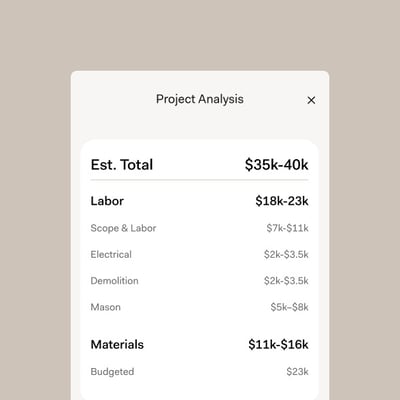
Know the Cost Before You Start
Fire pits and outdoor fireplaces extend the usable season well into DFW's mild winters (December through February evenings are often in the 40s and 50s, comfortable with a fire going). They also create a natural gathering point that anchors the outdoor layout.
A gas fire pit built into a stone or concrete table runs $2,000 to $6,000. A full outdoor fireplace, which makes a stronger visual statement and radiates more heat, costs $5,000 to $20,000 depending on size and materials. Wood-burning fire pits are the most affordable option ($500 to $2,000) but check your HOA rules and local fire codes, as some municipalities and most master-planned communities restrict open burning.
In DFW's larger backyards, the fire feature often sits away from the covered patio, creating a secondary gathering zone that draws people into the yard. A conversation area with built-in seating or Adirondack chairs around a fire pit, connected to the main patio by a paver path, makes the outdoor space feel larger and more layered.
North Texas hailstorms are not hypothetical. They are annual events that cost homeowners hundreds of millions of dollars in damage. For outdoor structures, this means choosing materials that can take a hit:
Metal roofing on patio covers resists hail better than shingles, particularly at the higher gauges. If you use shingles, Class 4 impact-rated shingles (the same ones increasingly used on DFW home roofs) are worth the 10-20% cost premium.
Stone, concrete, and porcelain tile countertops on outdoor kitchens handle hail without damage. Granite is the most durable common option; softer stones like marble or limestone can chip.
Furniture and electronics left uncovered during a hailstorm will be damaged. A covered patio is the first line of defense, but for anything outside the covered area, invest in durable covers or a storage plan.
Dallas UV is intense from May through September. Materials that fade, warp, or degrade in sustained sun exposure will show their age quickly. Composite decking handles UV better than wood. Powder-coated metal furniture resists fading better than painted finishes. Concrete and stone are essentially immune to UV damage.
For patio cushions and fabrics, Sunbrella and similar solution-dyed acrylic fabrics are the standard. They resist fading and moisture better than conventional outdoor fabrics, though they still benefit from covered storage when not in use.
In DFW's master-planned communities, which account for a significant portion of homes in Frisco, McKinney, Prosper, Southlake, Allen, and Flower Mound, HOA guidelines govern what you can build in the backyard. Common restrictions include maximum height for patio covers and pergolas, required setbacks from property lines (often 5 to 15 feet from rear and side boundaries), approved materials and colors for visible structures, limitations on outdoor kitchen placement or equipment, and rules about fire features (gas versus wood-burning, placement requirements).
Some HOAs are more permissive about backyard structures than front-yard changes, but not all. Before investing in design or contractor bids, contact your HOA's architectural review committee and ask what's been approved recently. Understanding the boundaries before you start saves time and frustration.
In older Dallas neighborhoods without HOAs (Lake Highlands, East Dallas, parts of Oak Cliff), city zoning setbacks and building codes still apply, but you'll generally have more design freedom.

“Most renovation chaos starts with rushing. When planning is skipped, costs rise, timelines stretch, and stress multiplies.”
A well-designed outdoor living space is one of the strongest resale investments in the DFW market. Buyers in North Texas expect functional backyards, and homes with covered patios, outdoor kitchens, and landscaped entertainment areas consistently sell faster and for higher prices than comparable homes with basic yards.
The return varies by project type. A covered patio recoups a significant portion of its cost because buyers view it as essential, not optional. An outdoor kitchen adds both functional appeal and emotional pull. Landscaping and lighting, while less expensive, create the curb appeal that makes the backyard photograph well and show well during walkthroughs.
The projects that underperform at resale are typically the ones that are overbuilt for the neighborhood. A $100,000 outdoor kitchen in a neighborhood of $400,000 homes is unlikely to return its full cost. Match the investment level to the price tier of your neighborhood, and you'll see the strongest return.
In most DFW municipalities, a ground-level patio (concrete or pavers, no roof structure) doesn't require a building permit. Covered structures, elevated decks, outdoor kitchens with gas connections, and electrical work typically do require permits. Dallas charges a flat $400 for projects under 1,250 square feet; suburban cities have their own fee structures.
For projects with gas lines (grills, fire features, outdoor heaters), a licensed plumber must run the gas line, and a separate gas permit is required. Electrical permits are needed for any hardwired lighting, outlets, or appliance connections. These permits add modest cost but ensure the work is inspected and code-compliant.
The best DFW outdoor spaces look like they were designed as part of the home from day one, with materials, proportions, and finishes that connect the backyard to the house. Block Renovation connects homeowners with vetted, licensed contractors who understand the specific demands of outdoor construction in North Texas, from hail-rated materials to HOA compliance to the fine points of outdoor kitchen design. You can compare detailed proposals side by side and build with protections like progress-based payments and a one-year workmanship warranty.
Remodel with confidence through Block
Connect to vetted local contractors
We only work with top-tier, thoroughly vetted contractors

Get expert guidance
Our project planners offer expert advice, scope review, and ongoing support as needed
Enjoy peace of mind throughout your renovation
Secure payment system puts you in control and protects your remodel

Renovate confidently with Block
Easily compare quotes from top quality contractors, and get peace of mind with warranty & price protections.
Texas
Katy Home Additions: What Pays Back (Cost Guide)
05.29.2026
Texas
The Best Dallas-Fort Worth Renovation Contractors
05.28.2026
.png?width=640&name=u5821215421_Single_photograph_Apartment_Therapy_style_exterio_ad4a23c3-b656-4a69-9bf1-f1fc04660eef_3%20(1).png)
Texas
Custom Home Building in El Paso, TX: A Regional Guide
05.13.2026

Texas
Custom Home Building in Abilene, Texas: Local Guide
04.28.2026

Texas
Luxury Remodeling in Dallas | Room-by-Room Guide to High-End Renovations
04.27.2026