If there’s one update that can completely change the look, feel, and function of your bathroom, it’s a great shower. The right design does more than add value or visual flair—it can maximize the utility of the space, keep humidity at bay, and set the aesthetic tone for the space on the whole.
Whether you’re dealing with a tight footprint or planning a suite that feels like a spa, every detail matters: from the main layout to the finishing touches on handles or tile.
Different types of showers
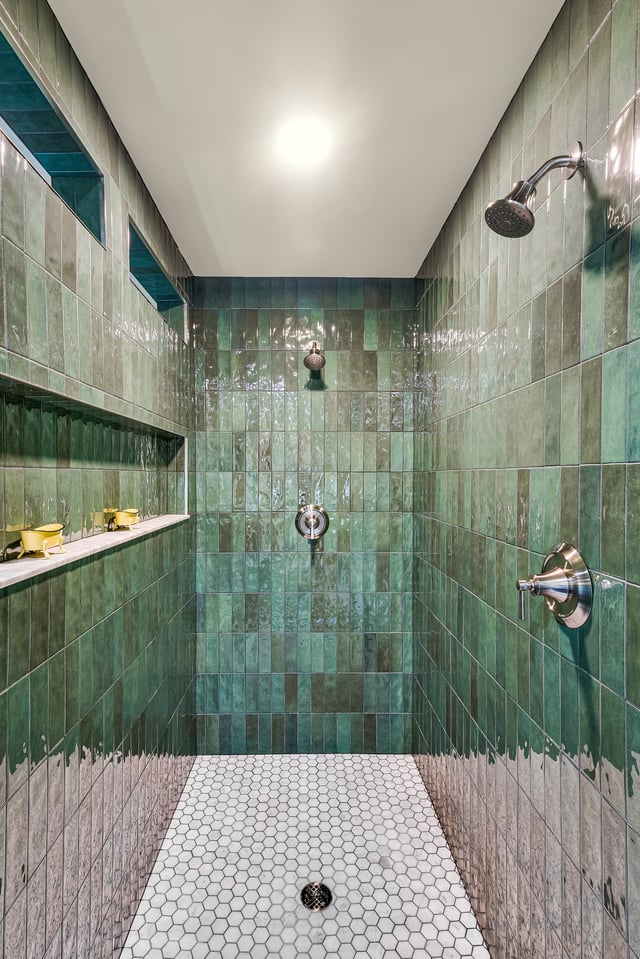
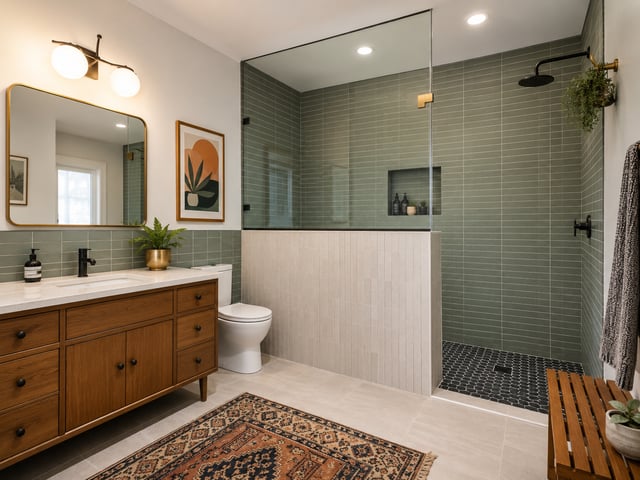
- Walk-in shower: Defined by no step or curb at the entrance, these types of showers are open and approachable, with clean lines and accessible access. Walk-in showers are ideal for airy layouts and aging in place, but need enough room and proper drainage to avoid a wet bathroom floor.
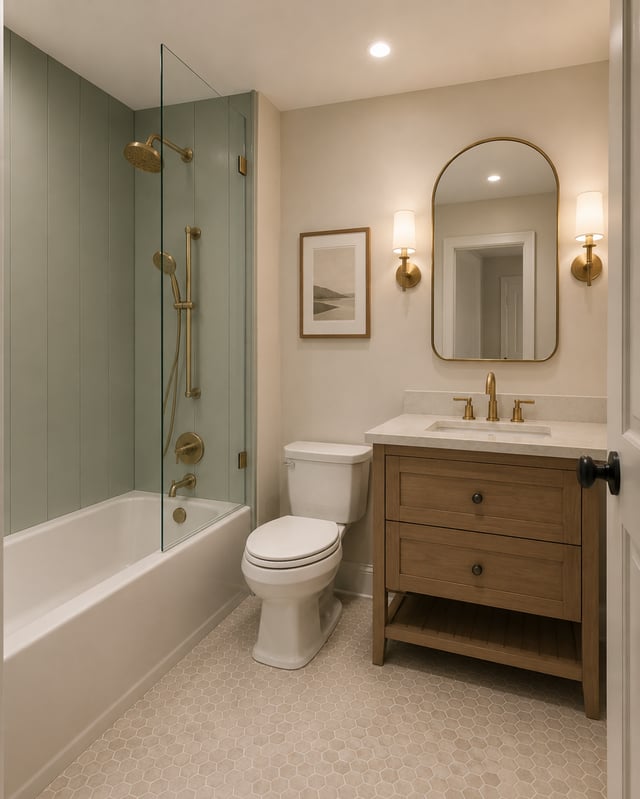
- Bathtub-shower combo: This familiar type gives you flexibility—a deep soak or a speedy rinse, all in one fixture. This type of shower is often considered ideal for kids’ bathroom designs, but the combo can be less convenient for people with mobility concerns.
- Corner shower: Designed to carve out function in space-starved bathrooms, corner showers use glass panels or doors to tuck neatly into a corner. Handy for powder rooms and tight spaces, but sometimes feel tight for bigger users or those wanting wiggle room.
- Neo-angle shower: With angled glass sides, these modern showers fit awkward nooks while creating a focal point with their geometric lines. They’re efficient and stylish, though the distinctive shape shrinks floor space a bit.
- Barrier-free (curbless) shower: These offer true step-free entry and blend into the rest of your tile with zero threshold—meaning great looks and universal access. They require careful planning for perfect water drainage, especially on retrofits or upper floors.
- Enclosed alcove shower: Tucked between three walls, this type of shower is classic and tidy, finished off with a curtain or glass door. They’re the go-to for quick upgrades or tight remodels, though they can feel more contained than other types.
- Steam shower: Bring relaxation home with an enclosed steam-capable stall—ideal for sore muscles and a bit of self-care. However, they come with higher costs up front and need moisture-resistant, sealed materials throughout.
- Exposed pipe shower: With the hardware on full display, this option adds character to vintage or industrial spaces. They’re easy to maintain and replace, though pipe insulation and temperature stability can be trickier to manage.
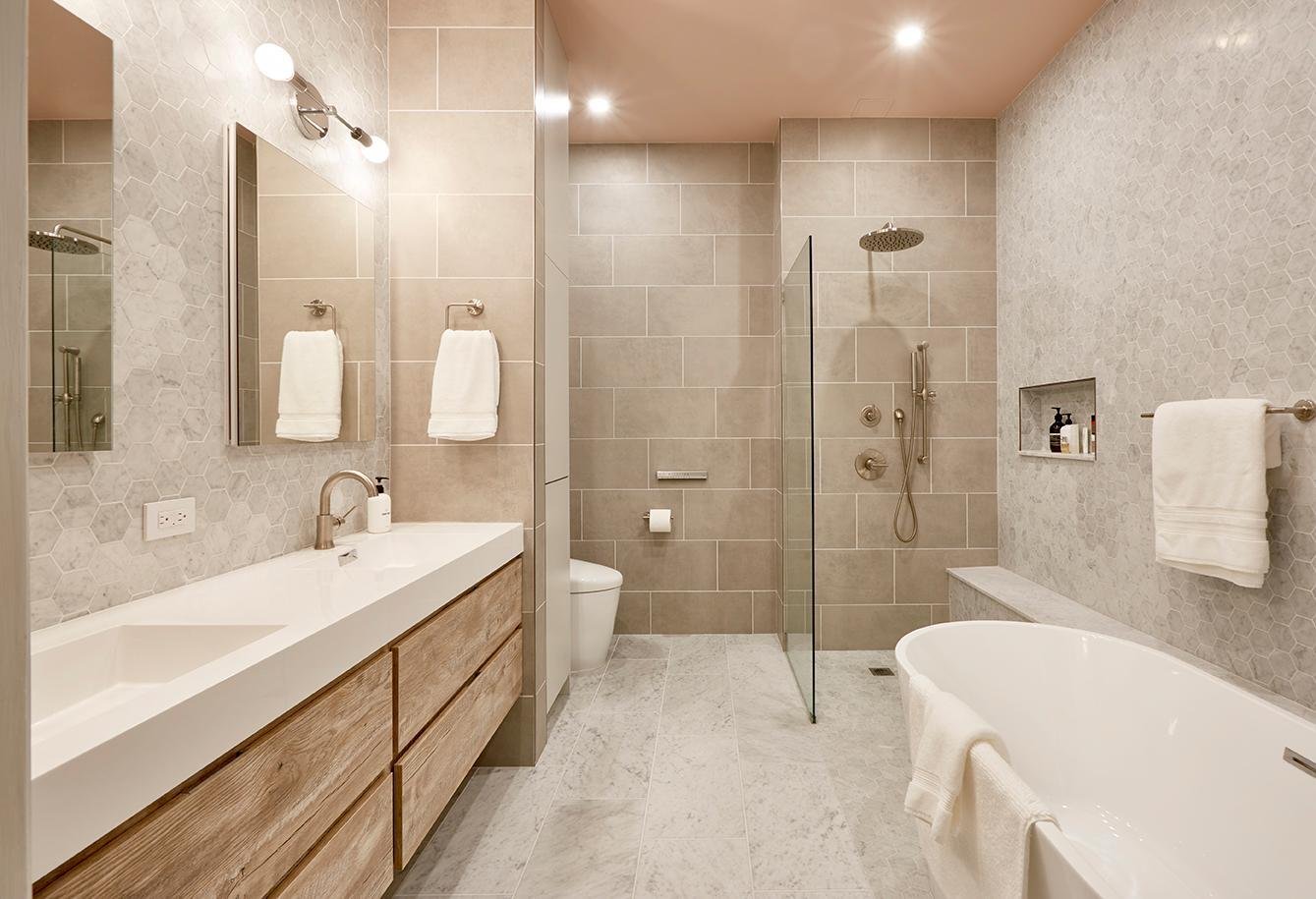
Finding the right type of shower for your home
Choosing your shower isn’t just about aesthetics; it’s about daily routines, future considerations, and your renovation budget. Here’s how to narrow it down based on your specific needs and lifestyle:
- If you’re working with a small bathroom: A corner shower keeps costs and footprints minimal, while freeing up the rest of the floor for storage or movement. Because they make excellent use of underutilized space, they’re also a practical way to modernize an older bath without moving plumbing or expanding the room’s footprint.
- If you need all-ages or future-proof access: Barrier-free (curbless) showers let everyone use the space safely, though they require more investment on installation.
- If you want the best value for versatility: Bathtub-shower combos are affordable, multi-functional, and perfect for resale, making them a safe pick for households that need to accommodate everyone.
- If you’re a wellness or spa lover: Steam showers are worth the splurge and create a true retreat, but require higher upfront and maintenance costs. The enclosed, customizable environment not only soothes muscles and minds but may even add a point of distinction to your home in a competitive market.
- If you’re upgrading on a budget or in a retrofit: Enclosed alcove showers fit into existing layouts and keep costs in check by reusing what you have. Because they typically slot in where a tub once lived, you can often avoid expensive modifications to plumbing, flooring, or surrounding walls.
To further guide your selection, read our guide How Much Does it Cost to Install a Shower.
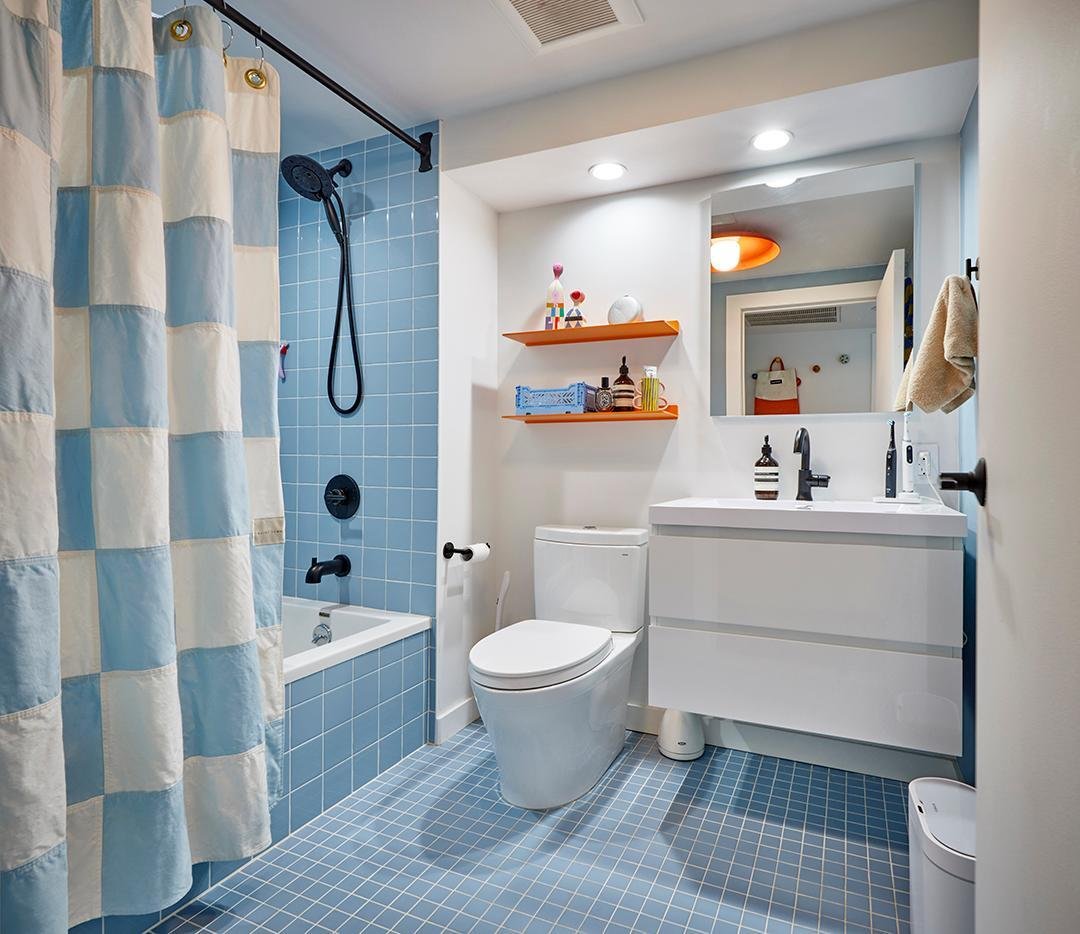
Different types of shower heads
- Fixed (wall-mounted) shower head: Efficient and simple, these are reliable favorites for their straightforward function and cost-effectiveness. They’re a “set it and forget it” mainstay, though they can’t adapt to different heights or angles.
- Handheld shower head: Flexible and removable, they’re a lifesaver for washing kids, pets, or for users with limited mobility. For a small bump in cost, you gain much more cleaning reach and day-to-day versatility.
- Rain (ceiling-mounted) shower head: Broad and gentle, these mimic natural rainfall and feel exceptionally relaxing. They add a touch of luxury but need the right ceiling setup, space, and water pressure—making installation pricier.
- Dual shower head: A hybrid of fixed and handheld heads, these types of shower heads offer maximum functionality for busy or shared bathrooms. Cost is higher for the hardware and installation, but you get tailored options for every user.
- Body sprays/jets: Installed in the shower wall, these deliver multi-angle spray for a spa effect. Installation and plumbing are significant upgrades, so they’re a splurge best suited to major remodels.
- High-pressure shower head: Great for older plumbing or those who want a brisk, invigorating spray; usually as affordable as standard options.
- Low-flow (water-saving) shower head: These models cut back water bills and use, helping both your wallet and the environment. Some find them less powerful, so pick a reputable brand for comfort.
- Filtered shower head: Built-in cartridges remove chlorine, minerals, and sediment—great for sensitive skin or hard water homes. The cost stays reasonable, but you’ll need to swap filters routinely.
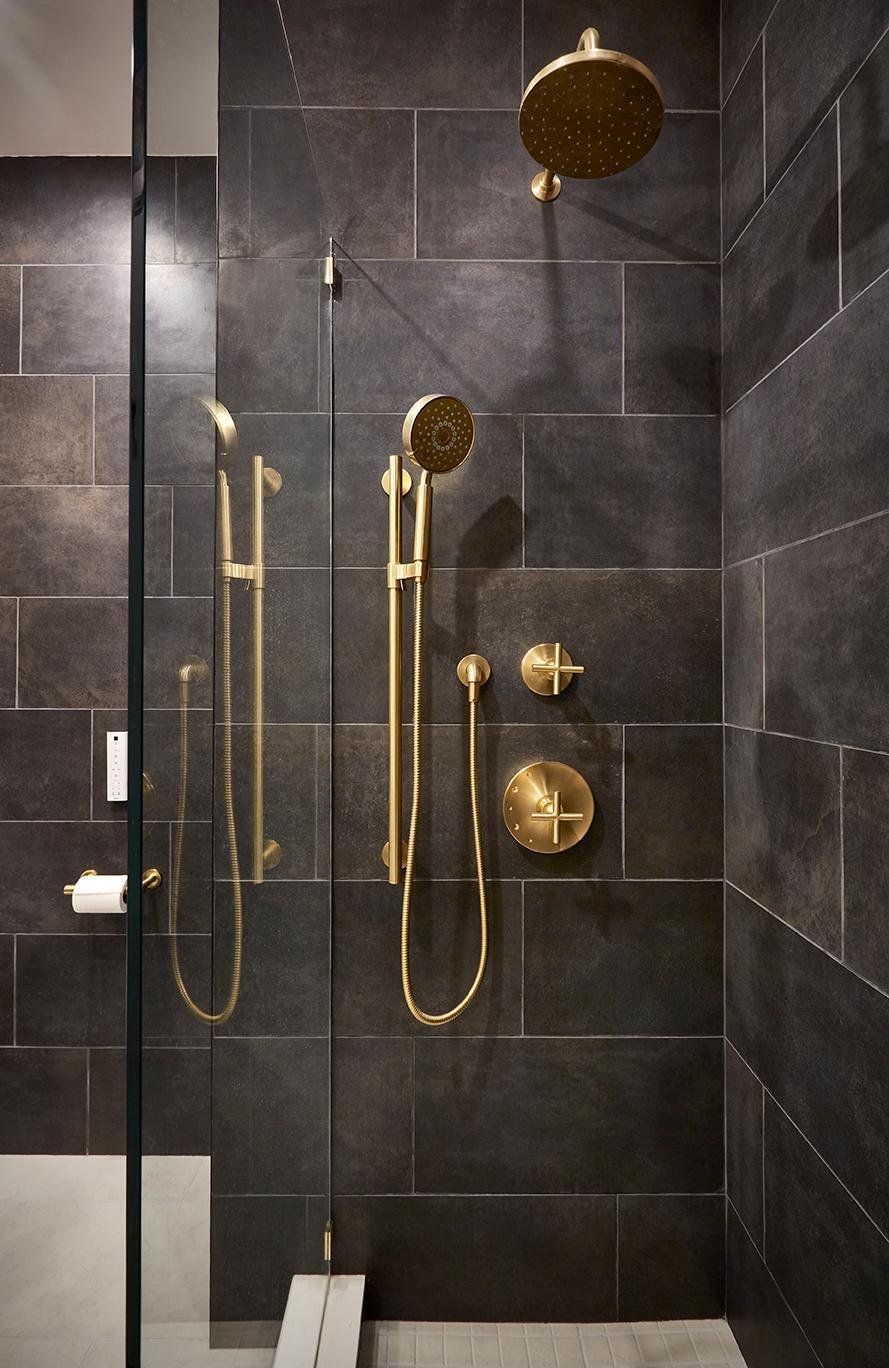
Choosing the best shower head for you
Your ideal type of shower head depends on your budget, your habits, and your unique bathroom conditions. Consider these options when making your pick:
- Biggest bang for your buck: Handheld models support every scenario—without a huge price jump over standard heads.
- Water conservation: Low-flow heads offer significant savings, especially where water costs are high.
- Best for luxury: Rain heads provide a softer, spread-out flow; they cost more to install but make daily routines feel premium.
- For at-home therapy: Wall jets/body sprays are a luxury option that boost both property value and daily comfort, though installation costs rise.
- Best for accessibility: Long-hose handheld models are invaluable for independent bathing—worth every penny for the safety and peace of mind.
- Easy cleaning: Look for heads with silicone nozzles or self-cleaning features; a minor upgrade can save on longer-term maintenance.
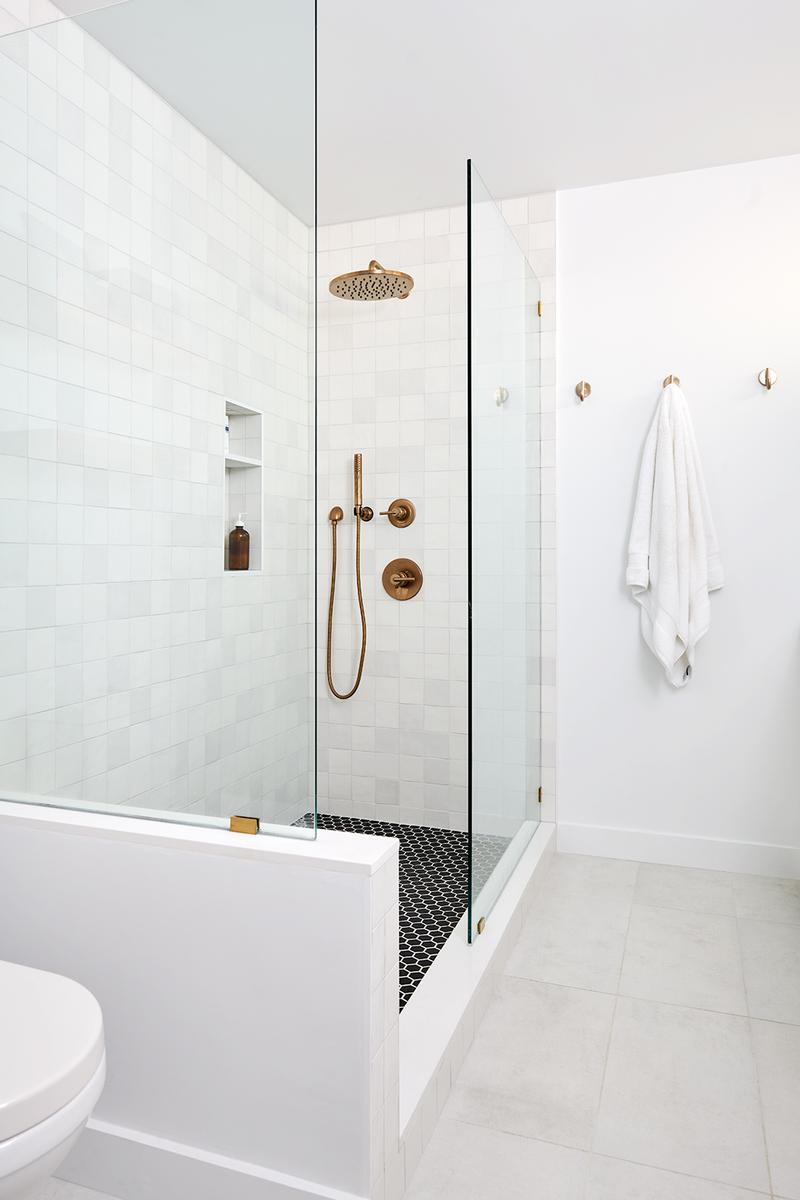
Different types of shower handles
- Single-lever handle: Simple and sleek, it controls both flow and temp with a single motion. They’re user-friendly and budget-conscious, though not as precise as more specialized systems.
- Dual-handle system: Split hot and cold handles give you fine-tuned temperature control, especially popular in older homes or traditional bathrooms. Operation can be more challenging for kids or anyone with grip issues.
- Thermostatic handle: Keeps your water temp steady, even when someone flushes or runs another faucet. The upfront investment is worthwhile for families or anyone seeking comfort without surprises.
- Push-button or touch controls: Clean, modern, and ADA-friendly, these let you switch on water or set the exact temp with minimal effort. More expensive to install and best suited for new builds or tech-forward homes.
- Cross-handle: The “X” design offers style, grip, and a classic feel, but does require more turning effort. Often chosen for looks in vintage-inspired remodels.
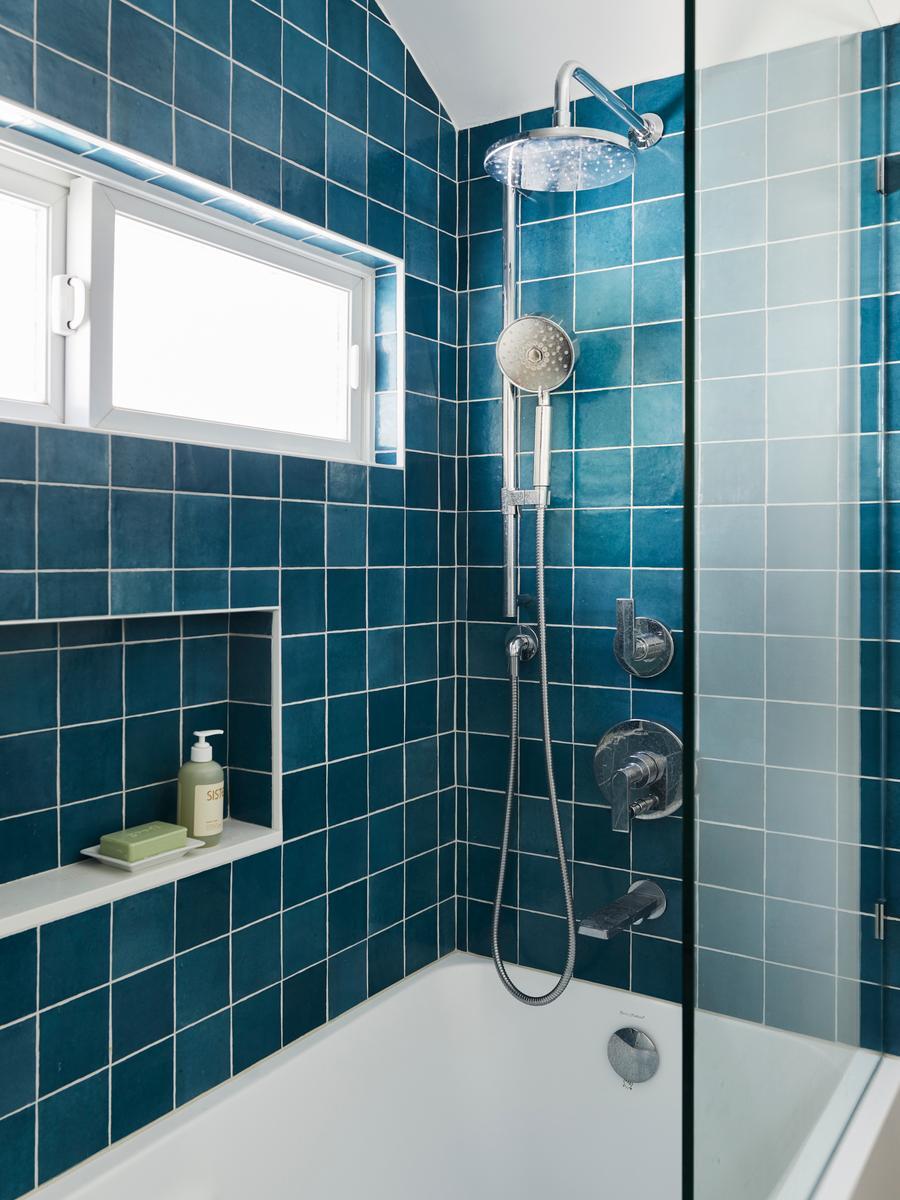
Know your options for shower walls
Every wall type brings its own look, feel, and budget considerations. While the options are far-reaching and each deserving of their own in-depth explanation, below is a high-level overview.
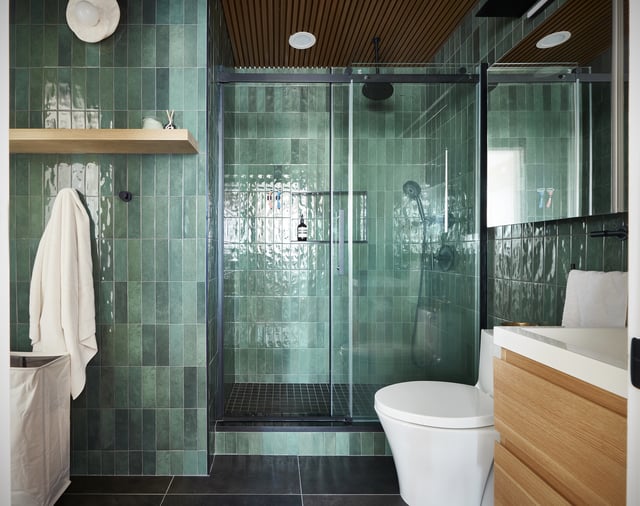
- Ceramic or porcelain tile: Customizable, hardy, and timeless—just keep up with grout maintenance for the best longevity and value.
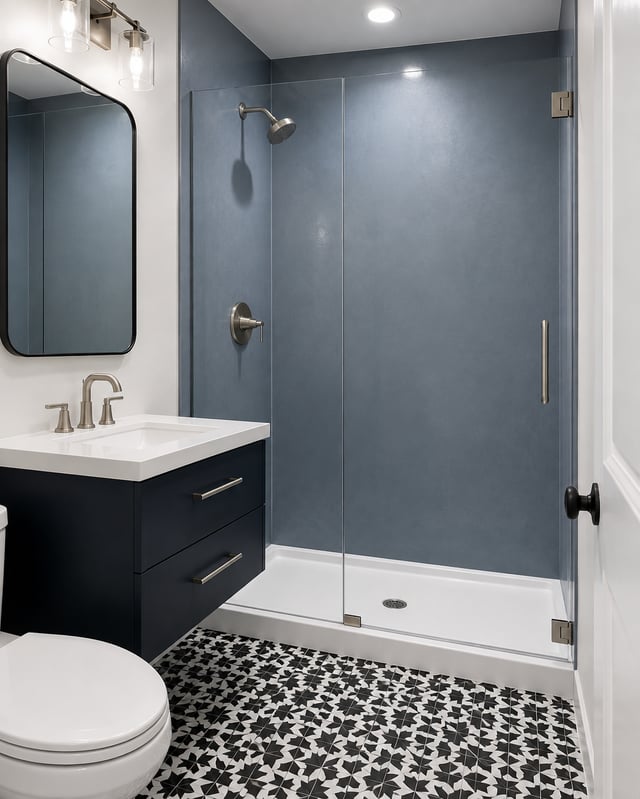
- Acrylic or fiberglass panels: Seamless and wallet-friendly, these are easiest on installation time and cost, but less customizable than tile or stone.
- Natural stone: Stunning and naturally unique, but pricier upfront and with ongoing sealing needs for low maintenance.
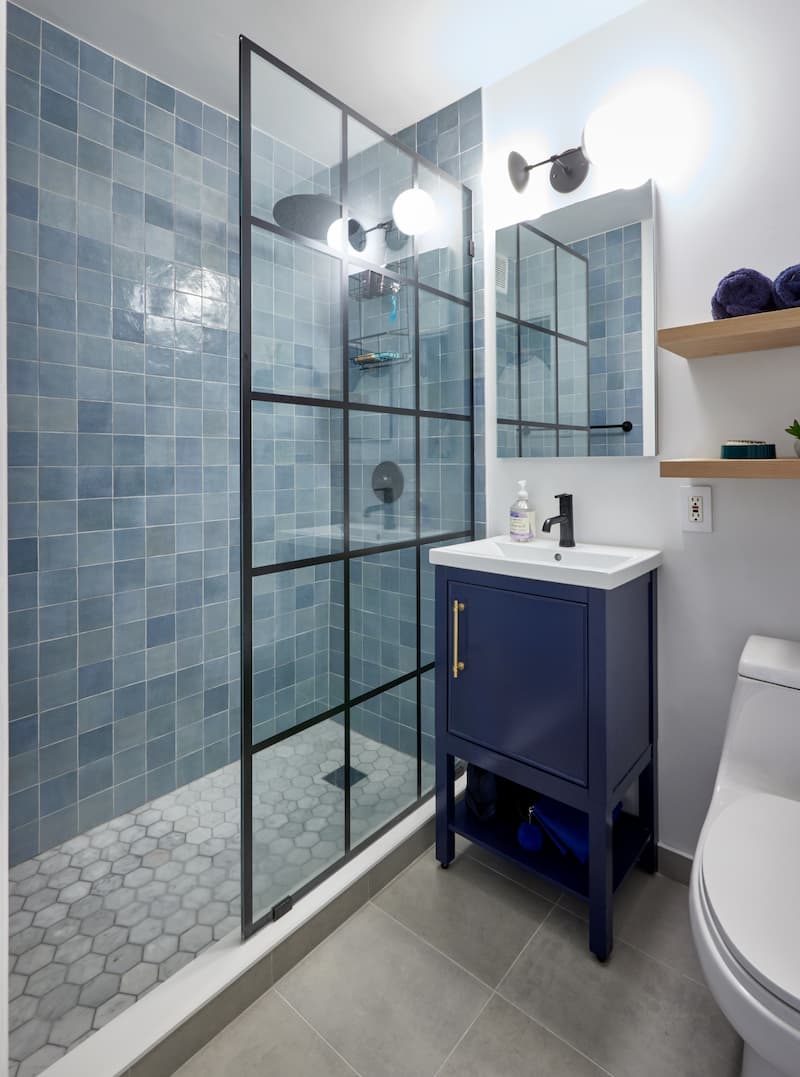
- Glass panels or glass block: Great for letting in light and opening up the room visually. Worth the extra cleaning for the airy, modern effect.
- Solid surface (cultured marble, composite): Sleek, highly durable, and low fuss; more expensive, but exceptional for a seamless, custom look.
Dive deeper into this subject with A Guide to the Best Materials to Use on Shower Walls.
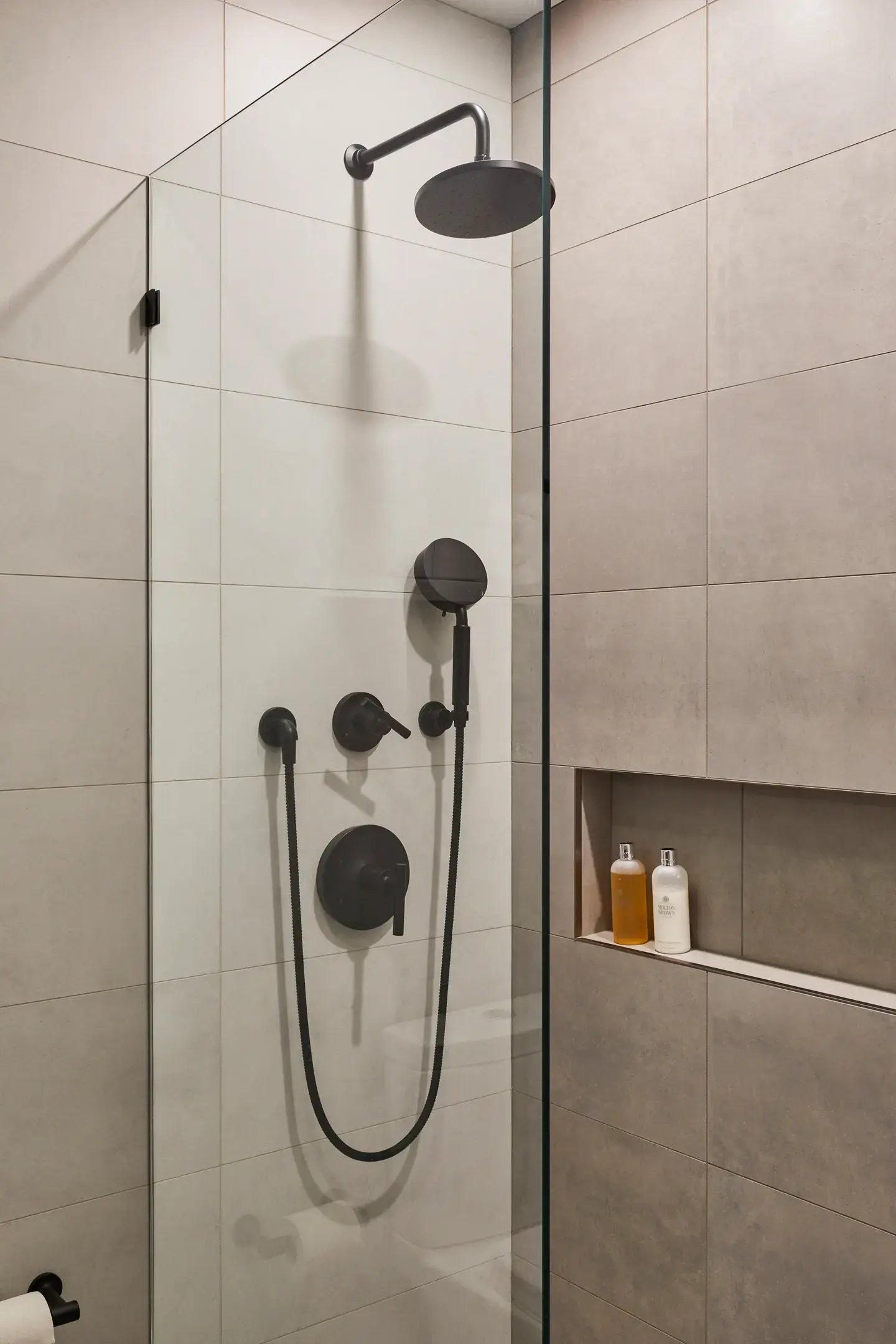
Curtain vs. glass doors for your new shower
Choosing between a shower curtain and glass doors can shape not only the look of your bathroom, but also how you use and care for it day to day.
- Shower curtains: These are affordable, easy to change out for a fresh look, and provide quick access—especially useful in busy households or when bathing kids. Curtains work for nearly any tub-shower combo or alcove design and can introduce color, pattern, or personality with minimal commitment. On the flip side, they may require more frequent replacing due to mold or wear, and sometimes do a less effective job of keeping water off the floor. Still, unlike glass doors, you can affordably replace them to maintain a fresh appearance.
- Glass doors: Glass enclosures offer a polished, contemporary feel and instantly make any shower look more spacious and high-end. They contain splashes effectively, resist mildew when cleaned routinely, and showcase tilework or custom finishes beautifully. However, glass requires diligent maintenance to prevent water spots and soap scum. Moreover, you and your contractor will need to consider whether the doors will swing outward, requiring more clearance than a curtain.
Think about your ideal type of shower, how much you want to spend, and how the material fits with your overall design. The right choice will feel natural with your flow and routine while elevating the entire bathroom.
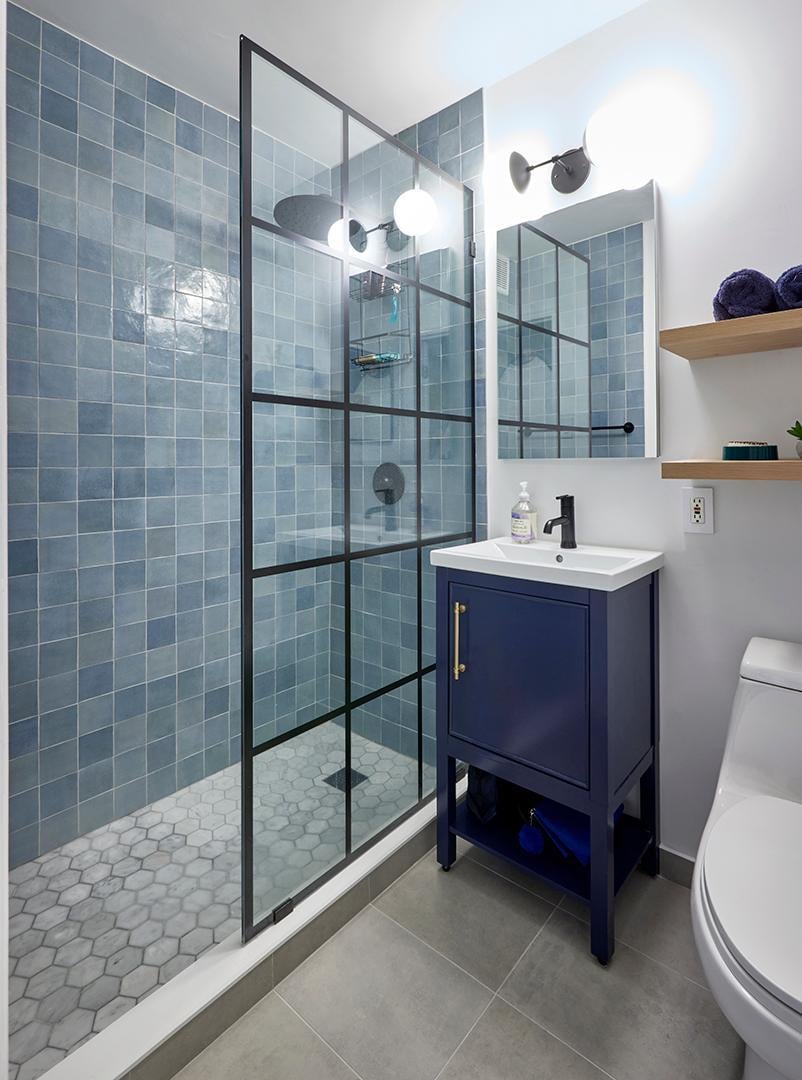
Other design elements that can improve your shower
Small touches make a big impact on daily life and long-term satisfaction.
- Built-in shelving or niches: Keeps products within reach and eliminates clutter, for a safer, calmer shower.
- Proper ventilation: A quiet fan or a well-placed window prevents humidity buildup and helps finishes last.
- Natural light: A skylight or frosted window brings the outside in and instantly lifts the space, all while supporting privacy.
- Easy-to-use hardware: Grab bars, levered handles, or hooks boost comfort and safety for everyone, present and future.
- Seating or bench: A simple bench or fold-down seat adds relaxation and usability—especially useful for accessibility or family routines.
- Efficient drainage: Linear drains, properly sloped floors, and thoughtful waterproofing help water disappear fast, preventing slips and future repairs.
- Layered lighting: Combine overhead with accent or in-niche lighting. A well-lit shower is safer, looks better, and feels inviting at any time of day.
To dig deeper into the practicalities of replacing a shower and fun ideas to further enhance the space, read Shower Remodel Ideas & FAQs.
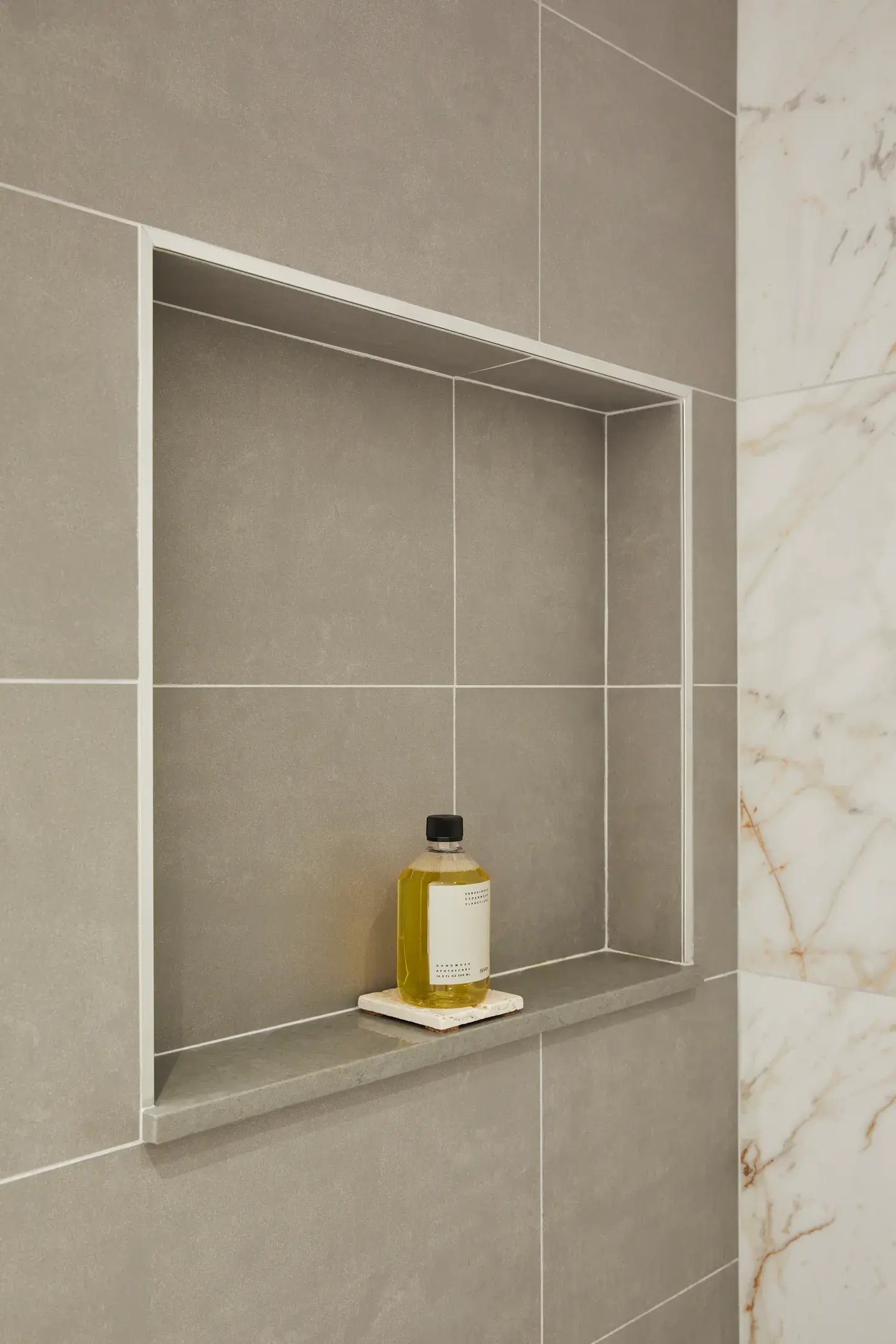
Perfect your home's shower with Block Renovation
A great shower can truly upgrade your entire bathroom—and how you use it every single day. Block’s thoughtful planning, transparent process, and focus on quality help ensure you get a shower that fits your space, needs, and budget. To get started:
- Visualize your bathroom remodel with AI: Preview layouts, finishes, fixtures, and even costs side by side before any work begins—so you’re confident every choice is right for you.
- Let us pair you with qualified bathroom remodelers: From demolition to tiling to the final hardware installation, Block partners exclusively with trusted, experienced professionals. Answer a few questions about your upcoming shower project, and we’ll match you with contractors who have successfully completed similar renovations and have been thoroughly vetted by our team.

Written by
Block Renovation
Block Renovation personalizes home remodeling with free AI-powered design tools and a vetted contractor network, helping homeowners plan, visualize, and build with confidence.










-1.webp?width=640&name=5301c89b-3165-4f83-af34-a6b02eaa6c48%20(1)-1.webp)