Sustainable Kitchen Remodeling In Eugene, OR

Budget your upcoming Eugene kitchen remodel with help from Block
How we get your estimate
Fill out the form above to either connect with contractors for a personalized quote or estimate your costs with Block's Renovation Studio.
Vibrant orange bathroom with a square sink and silver mirror.

In This Article

    In Eugene, environmental stewardship is part of everyday life, from biking along the river paths to shopping at the farmers market and sorting compost. When you remodel your kitchen here, you are not just updating cabinets and countertops — you are making choices that affect your home’s energy use, daily comfort, and long-term durability. In neighborhoods like Whiteaker, Friendly Street, and Amazon, where homes and condos tend to be modest in size, a thoughtful, eco-conscious kitchen remodel can make the space work harder for you, reduce waste, and fit right in with Eugene’s values.

    For many Eugene homeowners, a kitchen remodel is less about perfection and more about smart storage, durable finishes, and a layout that works for real life. When you plan carefully, your kitchen remodel Eugene project can balance sustainability, budget, comfort, and future resale value without feeling like a compromise.

    Design a Home That’s Uniquely Yours

    Block can help you achieve your renovation goals and bring your dream remodel to life with price assurance and expert support.

    Get Started

    What eco-minded buyers in Eugene look for in a kitchen

    Even if you are planning to stay in your home for several years, it is smart to understand what future buyers in Eugene tend to value in kitchens. You still come first, but aligning with local preferences — especially around efficiency and low-maintenance materials — can protect your resale value and make the space easier to market if life changes.

    • Emphasize simple, Shaker-style cabinet fronts in light woods or painted finishes, which feel modern yet flexible for both students and young families.
    • Accentuate durable quartz or solid-surface countertops in soft neutrals that can handle frequent cooking, coffee spills, and the occasional craft project without showing every mark.
    • Spotlight energy-efficient, midrange appliances with good storage, since many buyers in Eugene care about utility bills and sustainability but do not need pro-grade equipment.
    • Center open sightlines between kitchen and living spaces in smaller starter homes, making compact footprints feel larger and more social for game nights and potlucks.
    • Direct attention to practical, easy-to-clean flooring options like quality LVP or engineered wood that transition well to other rooms and handle rainy winters.
    • Present warm, well-planned lighting with dimmers and task fixtures, because bright but adjustable light makes small kitchens feel welcoming at all times of day.

    Budgeting kitchen remodeling costs in Eugene

    While design choices and square footage will be the largest influence in cost, geography plays a role. In Eugene, total kitchen renovations tend to come in slightly below Portland prices but often close to the national average for similar scopes. That is largely because labor is a bit less expensive than in major metro areas, housing stock is a mix of modest bungalows and newer condos, and demand is steady but not at big-city frenzy levels.

    Project size

    Approximate square footage

    Typical all-in cost range in Eugene

    Small kitchen remodels

    70–120 sq. ft.

    $25,000–$45,000

    Medium-sized kitchen remodels

    120–180 sq. ft.

    $40,000–$75,000

    Larger kitchen remodels

    180–260 sq. ft.

    $70,000–$120,000+

    These ranges usually include design, labor, permits, and materials such as new cabinets, countertops, appliances, electrical upgrades, and flooring. If you live in an older bungalow near campus with original plumbing and knob-and-tube wiring, expect to skew toward the higher end because bringing everything up to code takes time. In a newer condo near downtown with decent infrastructure but dated finishes, you may fit into the lower half of these ranges if you keep layout changes minimal and avoid moving plumbing walls.

    Where to save vs. splurge in your Eugene kitchen

    Knowing where to spend intentionally can keep your kitchen remodel Eugene budget pointed at the things that truly impact how you cook and gather. In a city where many homes have compact footprints, the best investments typically improve function, durability, and light.

    • Prioritize durable, midrange cabinets over full custom runs. Semi-custom boxes with plywood construction and good hardware will stand up to renters, roommates, and plenty of use without the premium of fully bespoke millwork.
    • Focus on quality lighting instead of designer fixtures everywhere. Layered LED recessed cans, a simple under-cabinet system, and one statement pendant can dramatically improve usability without turning every light into a splurge piece.
    • Emphasize functional layout rather than moving every wall. Working within your current footprint, especially in smaller University-area homes, keeps plumbing and framing costs down while still allowing big changes like adding a peninsula or widening doorways.
    • Accentuate hardworking countertops in your main prep zones. Upgrading to quartz or a similarly low-maintenance material just around the sink and range can be worth paying more, since those are the surfaces you use and clean constantly.
    • Spotlight a single statement element. A bold handmade tile backsplash behind the range or an appliance package with an induction range can create a focal point without overspending on every detail.
    • Center long-term flooring performance over trendiness. Spending a bit more for high-quality LVP or engineered wood that can handle muddy hikes, pets, and bike traffic will reduce repairs and replacement costs later.

    Typical kitchen remodeling labor costs in Eugene

    For a full kitchen renovations Eugene project, you can generally expect labor to fall between $15,000 and $45,000, depending on scope and complexity. That range usually covers demolition, framing tweaks, electrical and plumbing work, drywall, tiling, cabinet installation, and finish carpentry. Projects in older South University or Jefferson Westside homes almost always land on the higher side, because tradespeople need more time to straighten walls, level floors, and safely update systems. Condos and townhomes sometimes cost less in raw labor but can require more coordination, which your contractor will factor into the price.

    Permitting costs for kitchen renovations

    In Eugene, permit fees for a standard kitchen remodel typically run between $600 and $2,000, depending on the number of structural, electrical, and plumbing inspections involved. It is not an exciting line item, but permitting protects you if you sell later and ensures that any hidden work inside your walls is done safely.

    • Direct attention to projects that move or add plumbing fixtures, such as relocating a sink to an island or adding a dishwasher, since those usually require plumbing permits and inspections.
    • Present any new circuits for induction ranges, under-cabinet lighting, or an upgraded panel, because electrical load calculations and permits will likely be necessary.
    • Demonstrate when you remove or modify walls, even non-load-bearing ones, as structural changes frequently trigger building permits and may require engineering review in older homes.
    • Illustrate scenarios where you are changing window sizes, adding exterior doors to decks, or modifying ventilation hoods, which can also require permits and sometimes energy code compliance checks.

    Strategies to preventing delays and overruns

    Almost every homeowner in Eugene knows someone whose remodel took longer than expected, especially when supply chains tightened and contractor schedules filled. You cannot control everything, but you can set up your project so small surprises do not snowball into months of frustration.

    • Highlight finalizing your design and material selections before demo, because locked-in choices prevent last-minute change orders that add both time and money.
    • Underscore ordering long-lead items like custom cabinets, specialty tile, and appliances early, ideally several weeks before demolition, so your contractor is not waiting on a missing range or fridge.
    • Reinforce building a realistic contingency of 10–20 percent into your budget and schedule to absorb issues like hidden water damage or outdated wiring without derailing the entire plan.
    • Amplify choosing a contractor with specific experience in kitchen remodel Eugene projects rather than a general handyman, because they will anticipate local inspection requirements and typical layout challenges.
    • Magnify clear weekly communication, whether by email or standing site meetings, so decisions are made quickly and small questions never hold up a full crew.
    Claire Fitzgerald

    “The right contractor makes the difference between a smooth renovation and a stressful one. You’re trusting them with your home and your investment.”

    How remodeling a kitchen in a Eugene multifamily building can create complications

    If you own a condo near the University of Oregon campus or a townhome downtown, a kitchen renovation can come with extra layers of approval and logistics. Homeowners associations and building management care about noise, shared plumbing stacks, and how materials move through hallways and elevators. On top of that, your contractor needs to line up deliveries and inspections around posted quiet hours and reserved parking, which makes planning even more important.

    • Spotlight reviewing your HOA bylaws early, paying attention to allowed working hours, flooring requirements, and any rules around venting range hoods to the exterior, so you can design within those limits.
    • Center confirming in advance which walls contain shared plumbing or mechanical runs, because moving those can either be prohibited or require building engineer sign-off and added costs.
    • Direct attention to scheduling deliveries, waste removal, and noisy work like tile cutting during permitted time windows, since ignoring those rules can lead to fines or forced work stoppages.
    • Present clarifying who is responsible for protecting corridors, elevators, and common areas, making sure your contractor includes floor protection, elevator pads, and daily cleanup in their proposal.

    Find greater budgeting clarity with Renovation Studio

    When you are trying to understand what a realistic kitchen renovations Eugene budget looks like, it helps to see how design choices affect costs in real time. Renovation Studio from Block is a free, guided planning experience that lets you compare different scopes, finishes, and layouts before you commit. You can explore how keeping your existing layout compares to opening a wall, what happens to costs when you upgrade from laminate to quartz counters, or how much impact a full-height tile backsplash really has. Because it is designed around actual construction data and typical ranges, you get a grounded view of your options instead of just mood boards.

    Designing a Eugene kitchen around sustainability and daily life

    Eugene, OR has its own rhythm, from bike-lined streets and weekend farmers markets to foggy mornings along the Willamette. That personality, plus Oregon’s cool, wet winters and bright summer evenings, can guide your kitchen choices so the space feels responsible, durable, and very much at home here.

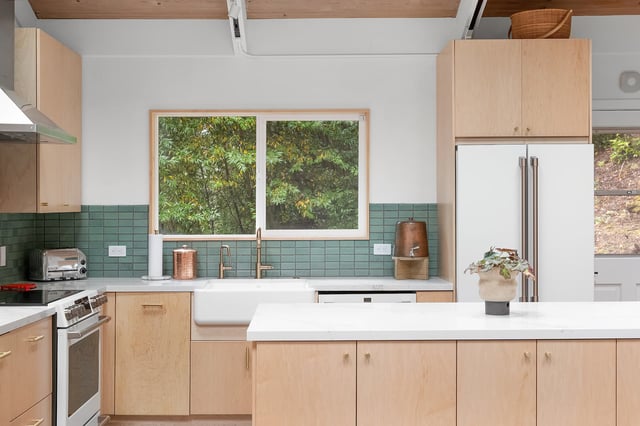
    • Prioritize warm wood tones inspired by local forests. Using white oak, fir accents, or even wood-look tile brings in a Northwest feel while still being practical in a busy cooking space.
    • Focus on nature-inspired color palettes. Soft greens, river blues, and muted grays echo the surrounding hills and waterways, helping even a small condo kitchen feel calm and connected to the outdoors.
    • Emphasize storage for farmers market hauls and bulk goods. Deep pantry drawers, tall pull-outs, and well-planned fridge space make it easy to store produce and staples from Lane County markets without cluttering counters.
    • Accentuate everyday sustainability details. Built-in recycling and compost pull-outs, an efficient induction cooktop, and LED lighting nod to Eugene’s eco-conscious culture while also lowering your monthly bills.

    These choices support how people in Eugene actually cook and live: lots of seasonal produce, plenty of shared meals, and an eye on keeping waste and energy use down. They also tend to wear well over time, so your investment keeps paying off in comfort and lower operating costs.

    Bring Your Dream Bathroom to Life

    Explore stunning design ideas, materials, and color schemes tailored to your space—no guesswork, just inspiration.
    Start Designing

    Making your home’s architecture work harder, sustainably

    Eugene’s housing stock ranges from early 20th-century Craftsman bungalows and mid-century ranches to newer infill townhomes and student-oriented condos. Each style comes with quirks that influence where walls, windows, and plumbing can realistically move. When your kitchen design listens to these bones instead of fighting them, the finished space feels cohesive, like it has always belonged in the house. You also tend to spend less correcting structural oddities and more on details you actually see and touch — a more sustainable use of your budget and materials.

    Craftsman bungalow kitchens: honoring character and conserving resources

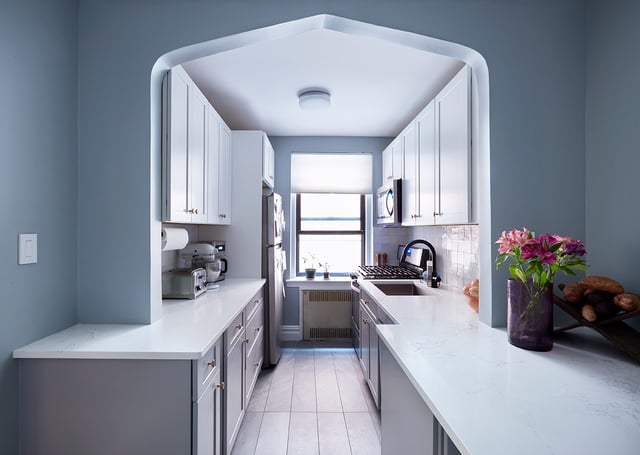
    Many Craftsman bungalows in neighborhoods like Friendly Street and Jefferson Westside have generous trim, built-ins, and slightly compartmentalized layouts that give the kitchen its own defined room. Those strong architectural lines and smaller footprints tend to favor efficient, U-shaped or galley kitchens that respect original windows and doorways while updating storage and light.

    • Spotlight keeping or echoing original Craftsman trim profiles on new cabinet crowns and window casings so the kitchen feels tied to the rest of the home.
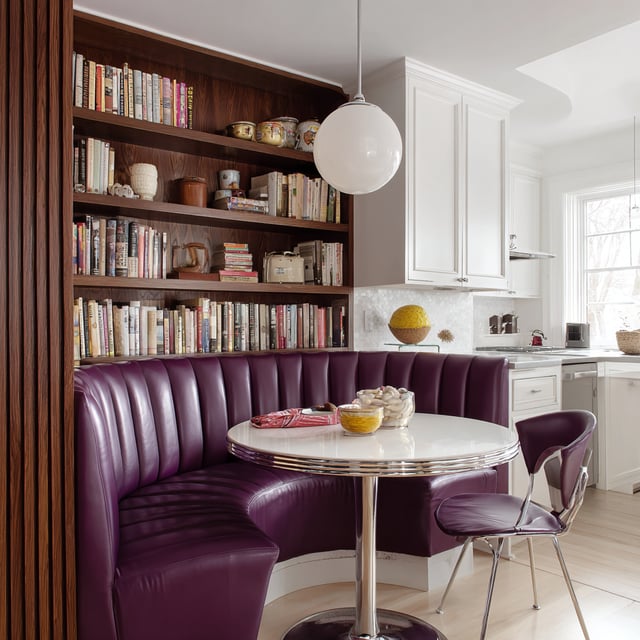
    • Center compact, built-in storage solutions, such as tall pantry cabinets or banquette seating with drawers, which mimic historic built-ins while improving day-to-day function.
    • Direct attention to a warm, balanced palette of painted Shaker doors, wood counters or accents, and subtle handmade tile that honors the bungalow’s character without feeling like a museum.
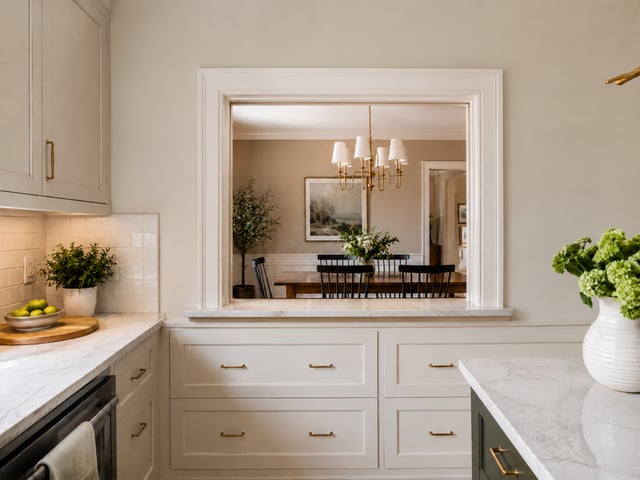
    • Present modest opening of walls between kitchen and dining, often via a widened cased opening rather than full removal, to keep some separation while borrowing light and sightlines.

    By working with the existing structure and details, you avoid unnecessary demolition, preserve the craftsmanship that makes these homes special, and put more of your budget into long-lasting finishes and efficient fixtures.

    Mid-century ranch kitchens: light, openness, and efficient layouts

    Mid-century ranch homes in parts of South Eugene and around Amazon often have long, low lines, larger windows, and originally closed-off kitchens at one end of the house. Those proportions lend themselves to more open layouts, but ceiling heights and existing beams may limit how dramatically you can remove walls without added structure.

    • Demonstrate how partial walls and peninsula layouts can open the kitchen to the living room while preserving necessary beams and keeping structural costs manageable.
    • Illustrate the way flat-front or simple slab cabinets, paired with understated hardware, echo mid-century simplicity yet work well with modern appliances and storage needs.
    • Prioritize natural light by expanding existing window openings toward the backyard where allowed, bringing in views of yards and patios that are typical of these lots.
    • Focus on low-profile range hoods and integrated appliances that keep sightlines clean and complement the horizontal feel of mid-century architecture.

    These strategies let you create a brighter, more connected kitchen while staying realistic about structural limits and costs, and they help you rely more on daylight and efficient fixtures instead of always turning on every light.

    Contemporary condo kitchens: compact, efficient, and low-impact

    Newer condos and townhomes closer to downtown and campus often feature compact footprints, open-plan living spaces, and concrete or steel structures that limit moving plumbing and ventilation. Kitchens in these buildings usually share walls with bathrooms or mechanical chases, so smart layout tweaks and visual tricks matter more than big structural moves.

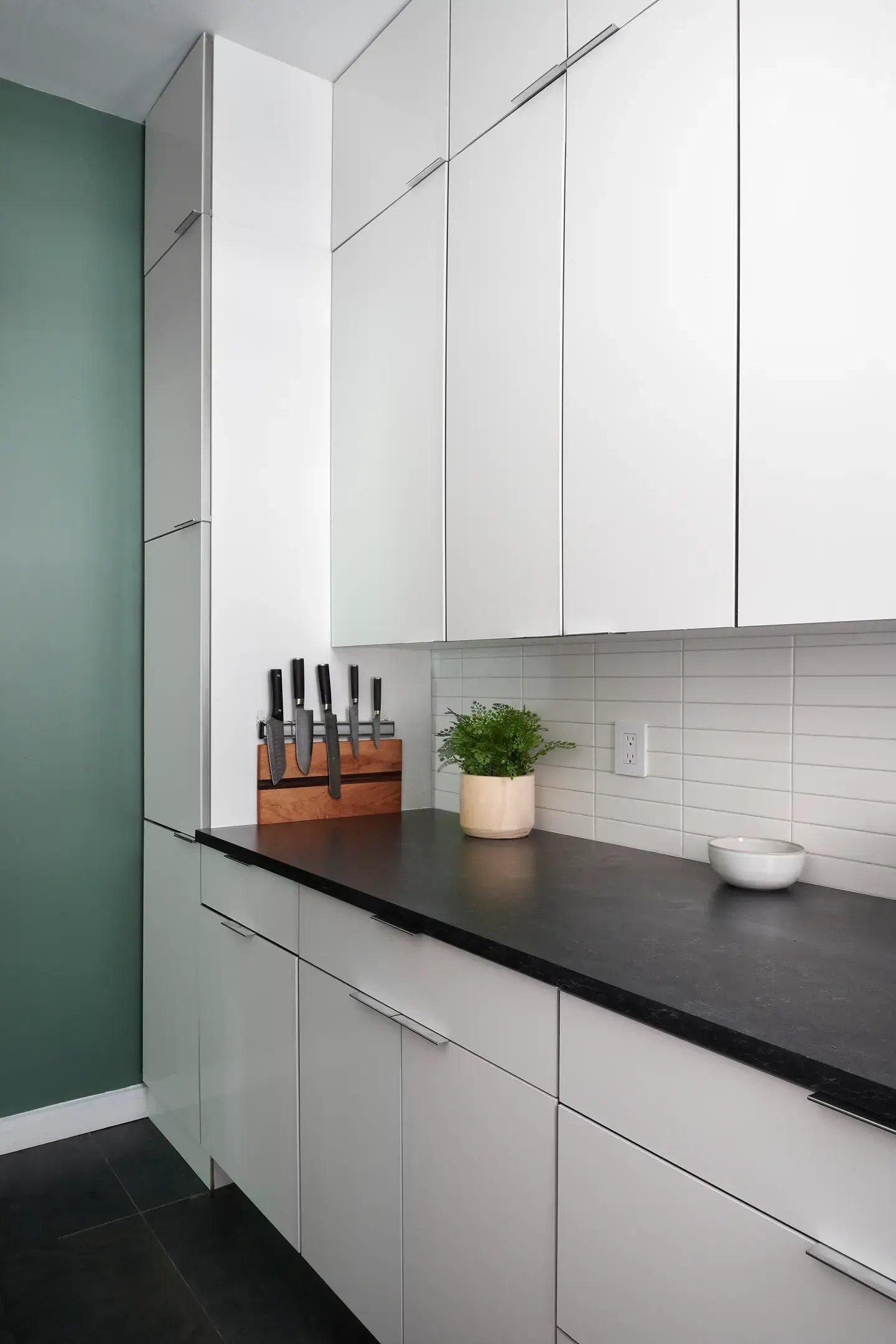
    • Emphasize vertical storage with tall cabinets to the ceiling, taking advantage of the extra height that many contemporary buildings offer while reducing clutter at eye level.
    • Accentuate multi-functional islands that double as prep space, dining, and a homework or laptop zone, especially where the kitchen opens directly into the living room.
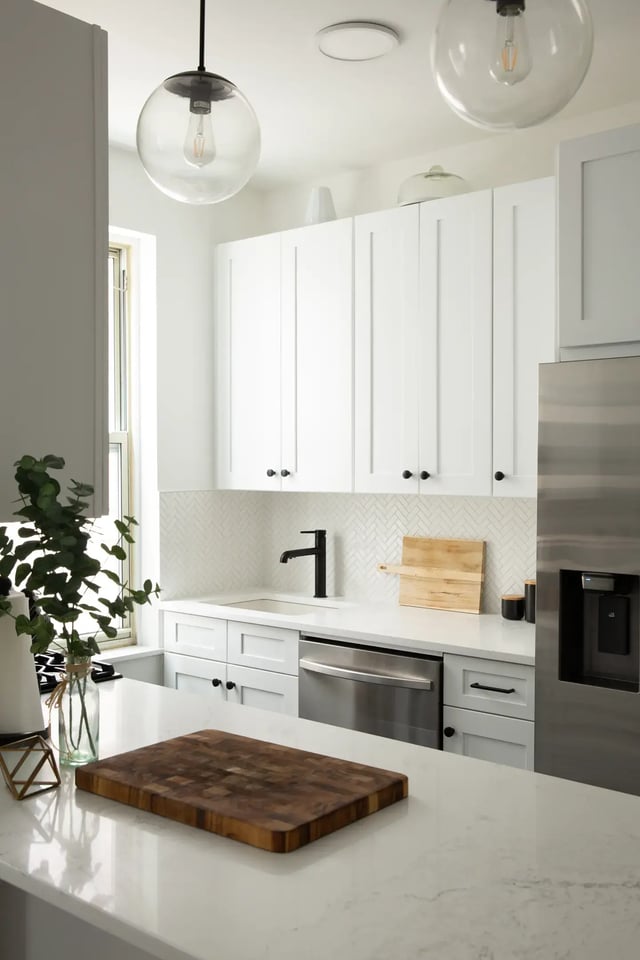
    • Spotlight a restrained but high-impact material palette, such as flat-panel cabinets, sleek quartz counters, and a simple slab kitchen backsplash, to keep small spaces feeling airy.
    • Center acoustic and ventilation improvements within the constraints of shared walls, making sure range hoods vent properly and soft materials help reduce noise transfer between units.

    In these tighter spaces, every choice counts. Prioritizing storage, cleanable surfaces, and good ventilation helps the kitchen function well, stay comfortable, and age gracefully, which is its own kind of sustainability in a busy, compact home.

    Seeing your kitchen remodel as a long-term investment

    When you look at your Eugene kitchen remodel through a sustainability lens, decisions about materials, appliances, and layout become long-term investments rather than quick fixes. Energy-efficient, midrange appliances, durable quartz or solid-surface countertops, and practical flooring like quality LVP or engineered wood can handle years of cooking, rainy winters, and everyday wear, all while keeping utility bills and future maintenance in check.

    By aligning your remodel with the way Eugene cooks, entertains, and cares for the environment, you end up with a kitchen that feels good to use every day — and that still makes sense for future buyers who share those same values.

    Local businesses to support in Eugene

    Supporting local suppliers for tile, counters, and lighting keeps more of your remodeling budget in the Eugene economy and can make logistics easier. Local showrooms also understand our climate and typical home styles, so their recommendations tend to be more grounded in how people actually live here.

    • Real Deals- Eugene: Real Deals–Eugene is a go-to spot for stylish, budget-friendly kitchen decor, from statement wall art and accents to serveware that pulls your whole space together. It’s perfect for adding personality and warmth to a newly renovated kitchen without overspending.
    • Oak Street Vintage: Oak Street Vintage is a go-to in Eugene for character-packed kitchen pieces, from mid-century barware and vintage dishware to one-of-a-kind decor that gives a remodel real personality. It’s the perfect stop if you want your new kitchen to feel collected, not cookie-cutter.
    • Down to Earth | Home, Garden & Gift: Down to Earth is a go-to Eugene staple for stocking a newly renovated kitchen with timeless, hard-working tools for cooking, canning, and everyday prep. Alongside their organic gardening supplies, you’ll find thoughtfully curated cookware, canning gear, and kitchen essentials that make your space feel both functional and lived-in.
    • River Road 2nd Hand LLC: River Road 2nd Hand LLC is a local gem for budget-friendly kitchen upgrades, offering a rotating mix of pre-loved cabinets, storage pieces, and decor that add character and warmth. It’s a smart stop if you’re hunting for unique, sustainable finds to layer into a remodel without blowing your budget.
    • Kelly's Furniture: Kelly’s Furniture in Eugene is a go-to for kitchen renovations, offering a curated mix of cabinetry, islands, seating, and lighting that make the space feel both functional and inviting. It’s a strong local option if you’re looking to layer in stylish, ready-to-go pieces that instantly elevate a new kitchen.
    • Made In Oregon Store: Made In Oregon Store is a go-to for elevating a newly renovated kitchen with locally made essentials—think artisan cheeses, regional wines, and beautifully crafted pottery that doubles as everyday serveware and display. It’s the perfect stop to stock open shelves and countertops with pieces that feel both functional and uniquely Oregon.

    Upgrade your kitchen with Eugene contractors found by Block

    Finding the right contractor can feel like the most stressful part of a kitchen remodel Eugene, especially if you are juggling work, kids, or classes. Block helps by matching you with vetted contractors who have proven experience executing kitchen projects similar to yours. That matching process is based on your scope, location, and goals, which reduces the odds of hiring someone who is a better fit for decks than detailed interior work.

    Once you start, Block’s structured process includes a clear project plan and milestone-based payments instead of vague, open-ended invoices. Those Block Protections, along with dedicated support, help keep your remodel more predictable and transparent from demo through final walkthrough.

    Remodel with confidence through Block

    Happy contractor doing an interview

    Connect to vetted local contractors

    We only work with top-tier, thoroughly vetted contractors

    Couple planning their renovation around the Block dashboard

    Get expert guidance

    Our project planners offer expert advice, scope review, and ongoing support as needed

    Familty enjoying coffee in their newly renovated modern ktchen

    Enjoy peace of mind throughout your renovation

    Secure payment system puts you in control and protects your remodel

    Get Started

    Frequently asked questions

    How long do kitchen models in Eugene typically take?

    Most full kitchen renovations Eugene projects take between eight and fourteen weeks of on-site work once demolition begins, though planning and permitting add several weeks on the front end. Smaller pull-and-replace projects in condos, where you keep the same layout and avoid major electrical or plumbing changes, are likelier to finish near the shorter end. Older homes near campus or in established neighborhoods often need extra time to address wonky framing, outdated wiring, or hidden water damage behind old cabinets. The best way to avoid schedule surprises is to complete design decisions and major material orders before demo so your contractor is not waiting on missing pieces.

    What are ways I can tenant-proof a kitchen in my rental property?

    If you are renovating a Eugene rental, think about materials and layouts that can handle student roommates, frequent move-ins, and varied cooking habits. Durable options like high-quality LVP flooring, quartz counters, and painted cabinets in forgiving mid-tone colors hide wear better than ultra-light or dark finishes. Choose hardware and faucets that are solid but not fussy, and avoid open shelving that tends to collect clutter and dust. Adding built-in recycling and good ventilation also helps keep odors manageable between tenants while supporting Eugene’s eco-minded culture.

    What options are available in Eugene for the removal and disposal of old appliances?

    Many Eugene contractors will include haul-away of old appliances in their bids, especially for full-scope kitchen remodels, and they typically take them to local recycling or transfer stations. You can also arrange separate pickup with local haulers or metal recyclers if your contractor does not offer the service or if you are phasing the project. When appliances are still functional, checking with donation centers, campus-area mutual aid groups, or resale shops can keep them out of the landfill. Just be sure to coordinate timing so you are not left without a working fridge or stove longer than necessary during construction.

    Is it better to buy materials myself or to rely upon my Eugene contractor?

    For most homeowners, relying on your contractor or a structured service to source materials is less stressful and often more economical overall. Contractors in Eugene know which local suppliers are reliable, which cabinet lines show up on time, and how to handle issues like damaged deliveries. When you purchase everything yourself, you may save a bit on retail pricing but you also take on responsibility for ordering, shipping, storage, and returns. A balanced approach is to let your contractor handle core items like cabinets, counters, and tile, while you personally select easier-to-swap pieces like bar stools or loose decor.

    When does it make sense to use an interior designer for a kitchen remodel?

    Bringing in an interior designer can be especially helpful when your kitchen is part of a larger first-floor renovation or when you care a lot about how finishes flow between rooms. In Eugene’s smaller homes and condos, good design can make the difference between a space that feels cramped and one that feels intentionally cozy. Designers can help you choose cohesive cabinet colors, lighting, and hardware, and can also anticipate maintenance issues so your choices age gracefully. If your budget is tight, some homeowners work with a designer only for layout and finish selections, then lean on their contractor to carry those plans through construction.

    What kinds of kitchen remodeling projects can actually hurt my resale value in Eugene?

    The projects that tend to backfire in Eugene are the ones that ignore how people realistically live in smaller homes or student-adjacent neighborhoods. Removing too much storage to chase open shelving, shrinking counter space, or eliminating a dining area altogether can make a home harder to sell. Hyper-specific choices, like extremely bold tile throughout or ultra-luxury appliances that do not match the rest of the house’s price point, can also narrow your buyer pool. Thinking through daily routines, resale value, and local expectations with your contractor or designer before you commit will help you avoid those pitfalls.