



Cabinets
How to Choose Kitchen Cabinets for Your Goals
06.24.2026
01.25.2026


In This Article
When planning a kitchen renovation, it doesn’t take long to realize that kitchen cabinets drive a big part of your design and budget. Cabinets determine the room’s first impression and organize everything behind closed doors. Choosing the right style, material, and installation method means balancing cost, quality, and how you actually use your kitchen day to day. Here’s what you need to know to budget wisely, navigate cabinet choices, and avoid the hidden hurdles that can throw your project off track.
New kitchen cabinets are rarely a small investment, especially if you want a cohesive, functional space that lasts. The price varies dramatically depending on cabinet type, kitchen size, and your region, but here’s what most homeowners can expect:
Stock cabinets: These are mass-produced and available off the shelf (think big-box stores or direct-to-consumer brands). They’re affordable, arriving either assembled or ready-to-assemble (RTA) in standard sizes and colors. Installed, they typically run $150–$400 per linear foot. For a 10x10 kitchen, you might spend $2,000–$6,000 on cabinets alone, not including labor.
Semi-custom cabinets: These offer more options for sizes, finishes, and configurations without the full custom price tag. They’re the most popular choice for homeowners who want style flexibility and better fit but need to watch costs. Installed, they generally cost $200–$650 per linear foot, or about $7,000–$20,000 for an average kitchen.
Custom cabinets: Designed and built to order, custom cabinets are made to your exact specifications—whether the kitchen is irregular, you want unique materials, or you have specific storage goals. Installed, they range from $500–$1,200+ per linear foot, with many kitchens topping $20,000–$40,000 (sometimes much more if you opt for premium materials, intricate details, or oversized layouts).
What impacts the final cost beyond the cabinets themselves?
Size and layout: A galley kitchen is cheaper to redo than a sprawling open-concept space.
Cabinet height: Ceiling-height cabinets add storage— and cost.
Interior accessories: Pull-out shelves, organizers, and soft-close hardware are game changers for everyday use, but they add up quickly.
Removal and disposal: Demolition isn’t always included, nor is address patching or wall repairs after old cabinets come out.
Finish work: Crown molding, end panels, under-cabinet lighting, and matching toe-kicks can all add complexity and cost.
Most homeowners find their total cabinet project—including removal, installation, and finishing touches—lands somewhere between $8,000–$25,000. Projects with high-end custom work, changes to layout, or premium finishes can easily triple that figure.
Transparent Pricing You Can Trust

When you hear “the cost of new kitchen cabinets,” remember: you’re paying for both the boxes and the hands that expertly install them. Knowing how it all breaks down—so you can make apples-to-apples comparisons and spot where you have the most room to adjust—prevents surprises later.
Cabinets: These make up about 65–75% of your final bill. Even budget-friendly cabinets can creep up in price if you choose specialty finishes, unusual cabinet heights, or lots of built-in organizers. When you see jaw-dropping “per linear foot” prices online, double-check whether they include upgrades, trim, or delivery.
Labor: Expect installation to absorb 25–35% of costs. Professional installers don’t just hang boxes—they:
Safely remove old cabinets and haul away debris (not always included)
Assess your walls and floors for straightness, sags, and hidden issues, and make small repairs before cabinets go in
Shim, level, and anchor even in old homes with wonky walls or subfloors
Install moldings, panels, toe kicks, pulls, and soft-close hardware with alignment that looks sharp and feels smooth
Coordinate with electricians and plumbers when cabinets need to accommodate outlets, pipes, vents, or appliances
It’s common for cabinets to arrive weeks before installation is scheduled—timing matters, especially if you have to store materials while floors or countertops are still going in. Your installer’s experience in sequencing cabinet work with other parts of your kitchen project can make everything go more smoothly.
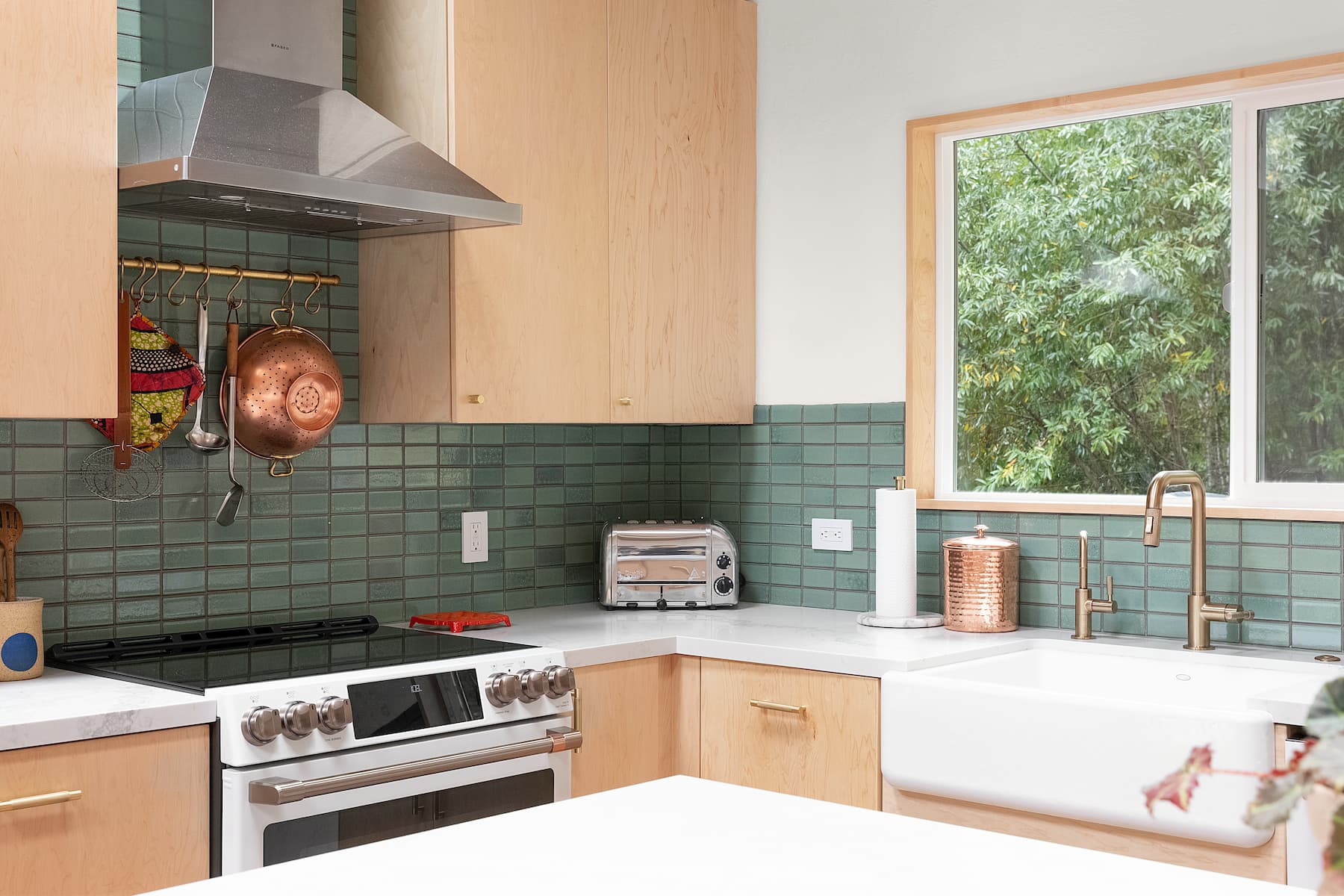
Budgeting for cabinets can feel like chasing a moving target, especially when you’re visiting showrooms, shopping online, and collecting quotes from contractors that vary widely in format and detail. That’s where a clear design and planning tool makes a difference to understanding your total kitchen renovation costs.
With Block Renovation’s Renovation Studio, you can:
Upload photos or floor plans of your own kitchen so you’re working with your actual dimensions.
Experiment with different cabinet styles (slab, shaker, glass-front), finishes, and layout changes and see how they affect both the look and the cost in real time.
See how cost estimates change as you swap in different kinds of cabinets
Receive predicted price ranges that reflect your specific geographic area
Click here to begin visualizing different cabinets in your kitchen.
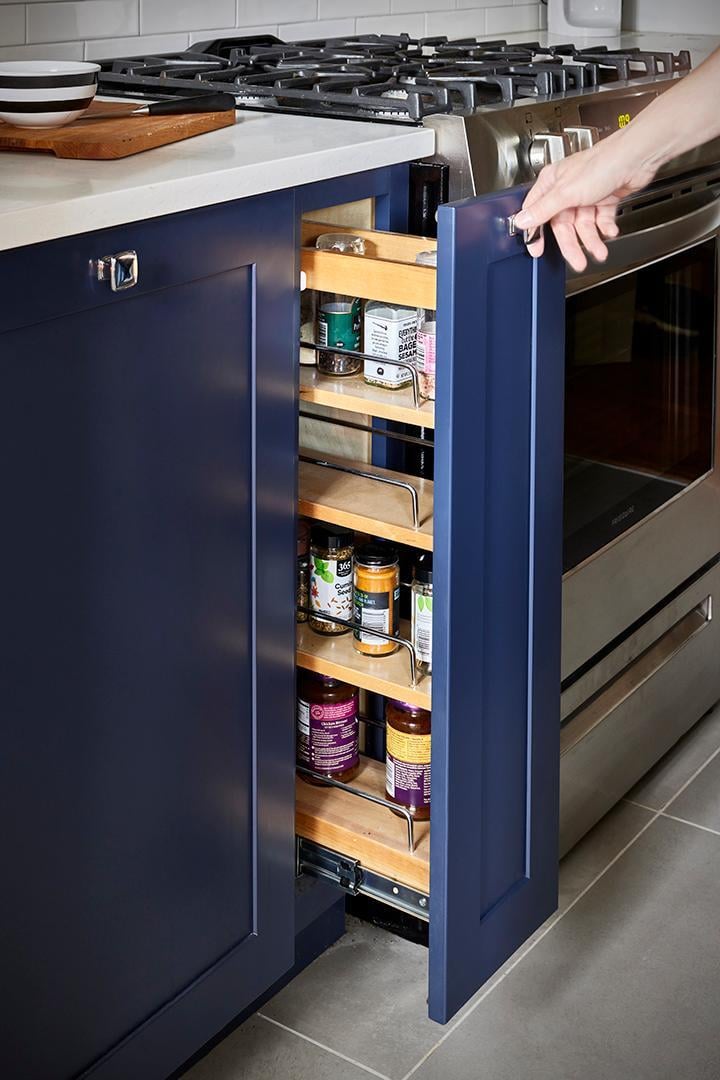
Cabinet doors make up the face of your kitchen—and they play a huge role in price. Here are the most popular styles and how they affect cost and feel:
Slab (flat front) doors: Flat, unadorned surfaces. The go-to pick for modern or mid-century kitchens. Usually the most affordable, especially in laminate or thermofoil.
Shaker doors: Simple, square-edge frames with a recessed panel. This style covers a wide range of prices, but the most basic options are often budget-friendly.
Raised panel doors: Feature a central panel that’s slightly elevated. Adds dimension and works well in traditional or transitional kitchens; generally a bit pricier than basic Shaker.
Glass-front doors: Often used as accents on upper cabinets. They increase material and labor costs but can make a kitchen feel open and light.
Shaker doors (premium finishes or solid wood): While affordable options exist, custom stains, high-gloss paints, or solid wood construction can move Shaker doors into the mid-range.
Beadboard or cottage style: Vertical grooves and extra details mean more intricate milling and higher installation labor, pushing costs into the premium tier.
Inset doors: Sit flush within the cabinet frame, requiring skilled construction and installation. This brings a clean, custom look but comes at a higher price.
High-gloss finishes, painted cabinets, or custom stains: These specialty finishes typically add 10–30% over standard stains or laminates, regardless of the underlying door style.
Not every kitchen needs a total gut renovation, and refacing can be a smart alternative if your cabinet boxes are in good shape and your layout works. Here’s a quick breakdown:
Refacing: Keeps your existing cabinet frames but replaces the doors, drawer fronts, and hardware, and adds a new matching veneer or laminate over exposed surfaces. You get a fresh, modern look—in a fraction of the time and with less disruption to your home.
Average cost: $5,000–$12,000 for a typical kitchen
Can often be completed in a few days
Best when your cabinet interiors are clean, solid, and you’re happy with the overall storage
Replacing: Involves tearing out the old boxes and starting from scratch. You’ll pay more, but you can reimagine storage, add cabinets where needed, and solve hidden damage or awkward layouts in a way refacing can’t.
Average cost: $8,000–$25,000+ depending on material, layout, and finish level
Adds flexibility for updating your workflow or incorporating new appliances
Refacing generally costs half—or less—than a full replacement, but it won’t fix issues like bad bones or warped frames. If you’re dreaming of a new kitchen layout, or your old cabinets are falling apart, replacement is the better investment.
For a deeper dive, read our guide to refacing vs. replacing cabinets.
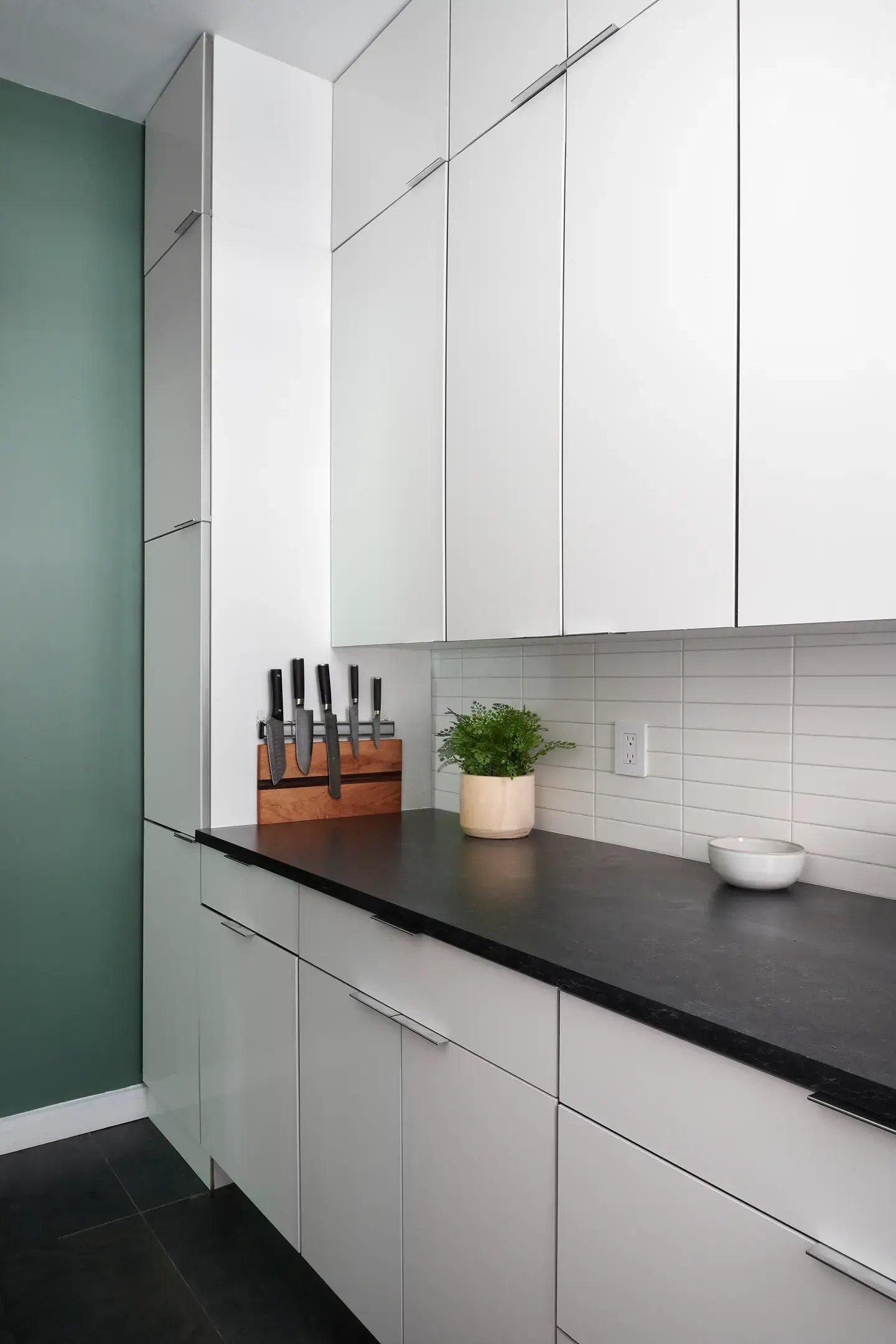
Cabinet installation might look approachable in step-by-step videos, but the reality is far more complicated. Don’t be tempted to try the installation as a way to save money; here’s why experienced homeowners often leave this one to the pros:
Precision is key: Floors and walls are rarely square or level, especially in older homes. Even a small misalignment can snowball into crooked cabinets, uneven counters, and doors that won’t close right. Professional installers know how to compensate for subtle dips and bows and can correct for out-of-plumb conditions so your finished kitchen looks flawless.
Physical demands: Cabinet boxes are heavy and awkward to maneuver, especially when lifting upper cabinets into place over finished floors and appliances. It’s a two-person (or more) job, often requiring special jigs, sturdy ladders, and more patience than most DIYers expect.
Tools and technique: Installers use specialized tools—laser levels, cabinet jacks, finish nailers, and hidden fasteners—that simply aren’t part of most homeowner toolkits. They sequence installation so that everything lines up when the final crown molding or under-cabinet lighting goes in.
Coordination with plumbing and electrical: Cabinets must accommodate sinks, outlets, vents, and sometimes even structural surprises in your walls. A professional knows how to avoid damaging hidden pipes and wires, and can work in step with electricians or plumbers if changes are needed.
Warranty and value: Improperly installed cabinets can void manufacturer warranties and cause headaches if you ever sell the home. Professional installers guarantee their work and can spot small problems before they become big ones.
When you’re investing in new kitchen cabinets, you deserve expert support and total clarity at every step. With Block Renovation, you receive clarity around quality, scope, or price. Instead, you get a partner who brings together thoroughly vetted contractors—professionals who understand what it takes to deliver lasting results and smooth project experiences.
Block Renovation’s platform makes it easy to receive competitive, apples-to-apples quotes tailored to your kitchen’s specific needs. Every proposal is detailed and transparent, so you can see exactly where your dollars are going, compare product options, and understand the labor behind the numbers. If you need guidance or have questions, a dedicated team is on hand to help you navigate bids, clarify details, and make confident decisions for your home.
Remodel with confidence through Block

Connect to vetted local contractors
We only work with top-tier, thoroughly vetted contractors

Get expert guidance
Our project planners offer expert advice, scope review, and ongoing support as needed
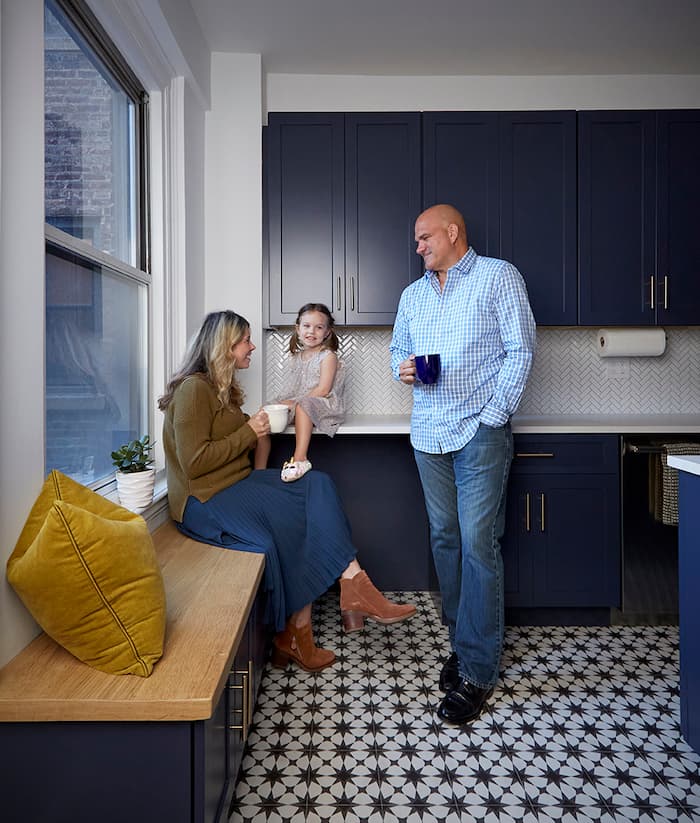
Enjoy peace of mind throughout your renovation
Secure payment system puts you in control and protects your remodel

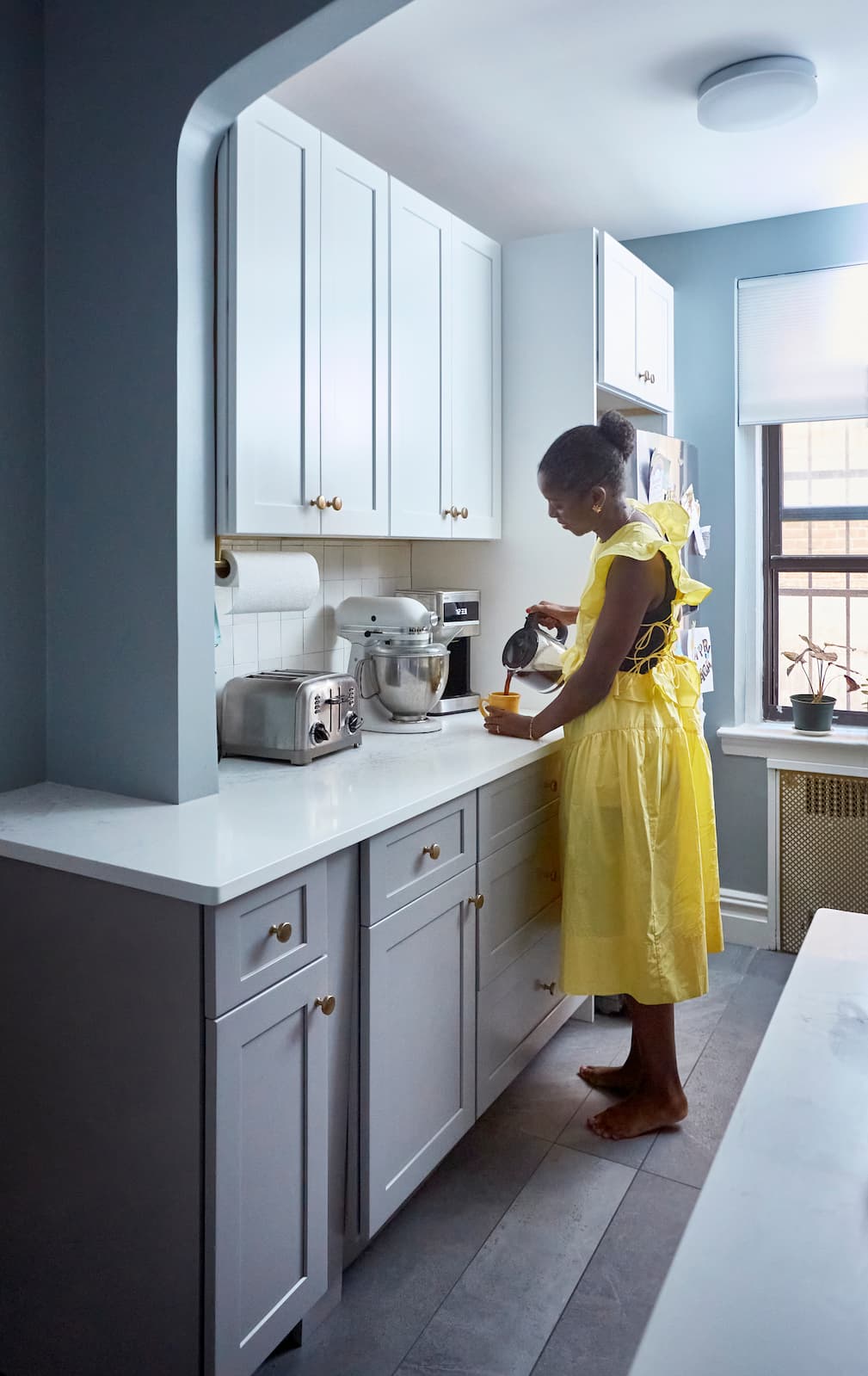
Renovate confidently with Block
Easily compare quotes from top quality contractors, and get peace of mind with warranty & price protections.
Cabinets
How to Choose Kitchen Cabinets for Your Goals
06.24.2026
Cabinets
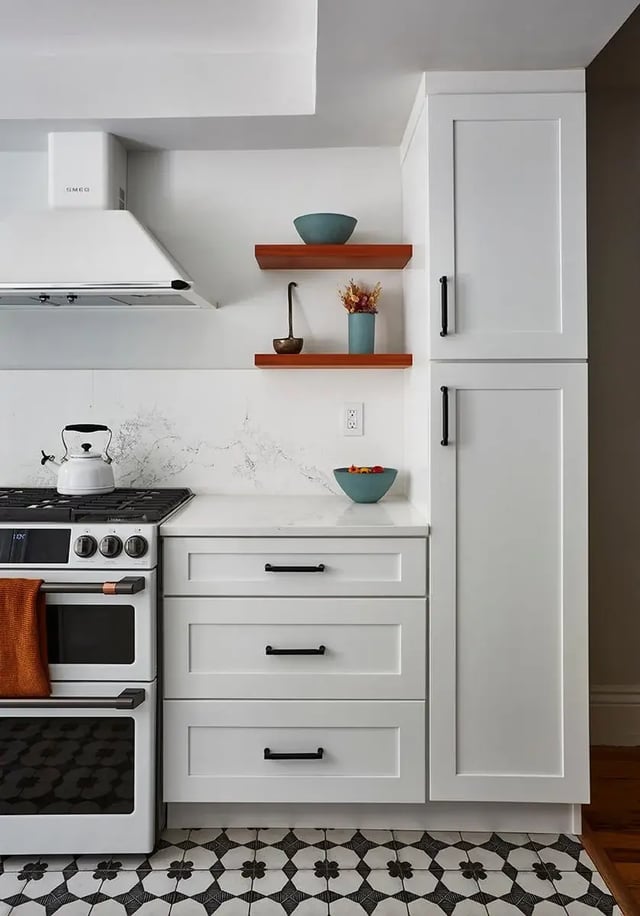
Kitchen Cabinet Planning: Layout, Order, Organize
06.22.2026
Cabinets
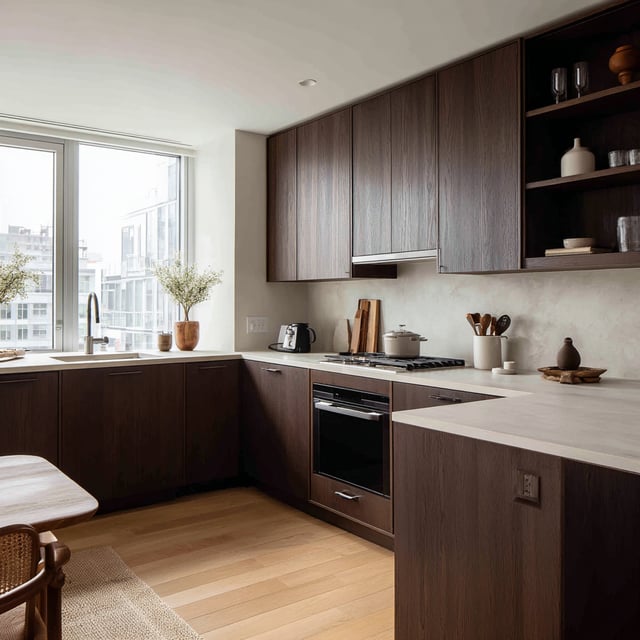
Brown Cabinets With White Countertops: Design Guide
06.04.2026
.webp?width=640&name=u5821215421_Three-quarter_angle_view_where_70_of_the_frame_is_6ec560a5-707c-4e76-b31c-a0fdeb867a6d_0%20(2).webp)
Cabinets
Extending Kitchen Cabinets to the Ceiling: Before & After
05.25.2026
Cabinets
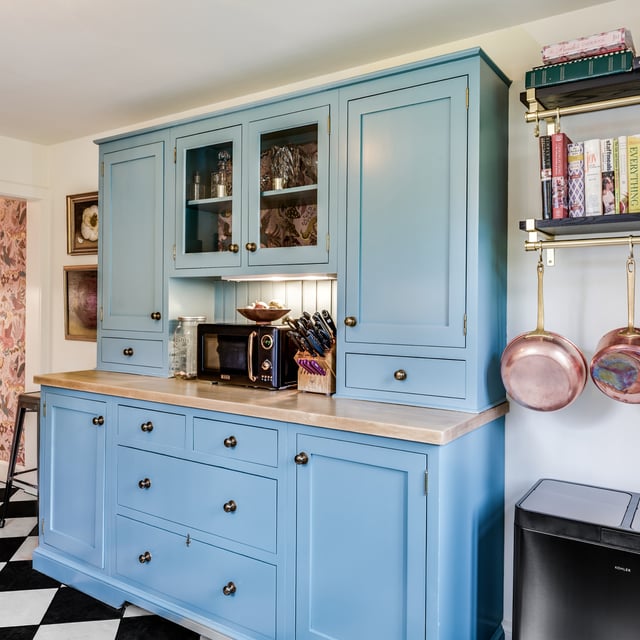
Refacing vs. Replacing Cabinets - 2026 Costs
05.08.2026