





Paint & Color
Wall Colors for Light Wood Floors: Grays, Whites & More
05.13.2026
04.22.2026


.png?width=640&name=Moody%20Dining%20Room%20Painted%20Ceiling%20Walls%20(2).png)
In This Article
Picture a dining room painted deep terracotta from baseboard to ceiling. No white above. No visual break. Just one continuous envelope of warm color wrapping the room on all six sides. To some homeowners, that sounds like a dream. To others, it sounds like a mistake they would spend a weekend fixing.
Both reactions are reasonable. The pros and cons of painting ceilings the same color as your walls depend less on the color you choose than on the specific room you are working with. Get it right and the space feels like it was always meant to look this way. Get it wrong and no amount of good furniture will save it.
Here is what actually determines which outcome you get.
When a ceiling is white, it acts as a visual boundary. Your eye registers the wall color, hits the ceiling, and stops. The room has a lid. When the ceiling matches the walls, that boundary disappears. The color wraps the space, and the room reads as a single volume rather than a box.
Designers call this color-drenching or enveloping. Some homeowners paint walls and ceiling the same color while leaving the trim white as a subtle frame. Others go all the way: ceiling, walls, trim, and casings in one shade. The more complete the treatment, the stronger the effect, in both directions.
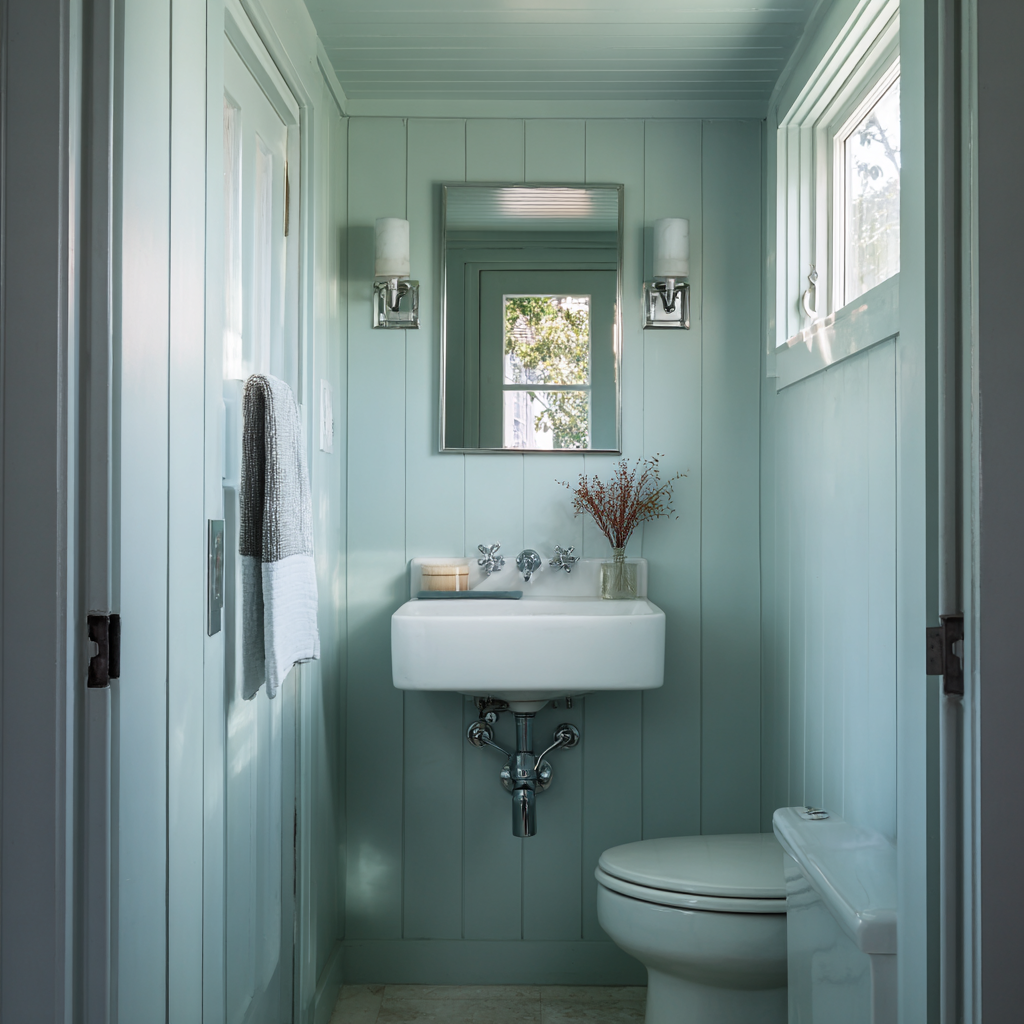
Here is the counterintuitive part: color-drenching often makes low ceilings feel less oppressive, not more. When the ceiling and walls share the same color, there is no hard line drawing your eye to exactly how low the ceiling sits. The room just feels like a room rather than a room with a lid clamped on top.
This is one of the most practically useful applications of the technique. Older homes and city apartments with 8-foot ceilings are strong candidates. The key is choosing a mid-depth tone rather than a very dark color, which can tip the balance the wrong way.
Uneven crown molding. An awkward transition where plaster meets drywall. A ceiling texture that photographs badly. All of these become nearly invisible when you paint walls and ceiling the same color, because the eye stops reading surfaces individually and starts reading the room as a whole. For anyone renovating an older home on a budget, this is one of the most underrated benefits of the technique.
Open-plan homes and rooms with high or vaulted ceilings often have the opposite problem: too much visual volume, not enough warmth. A white ceiling in a space like this can feel clinical. Bringing color all the way up pulls the room down to a human scale and creates the kind of cohesion that furniture alone cannot deliver.
There is a reason this is the go-to technique for restaurant designers and boutique hotel decorators. When color wraps a room from every direction, the space feels deliberate in a way that is difficult to replicate with paint on walls alone. A deep navy library. A sage green bedroom. A terracotta dining room. The ceiling color is doing at least half the work in each of those spaces.
Compared to built-ins, architectural millwork, or any structural change, this is a few extra gallons of paint. If it does not work, you repaint. That is worth remembering when the decision feels high-stakes, because it is actually one of the more reversible choices in a renovation.
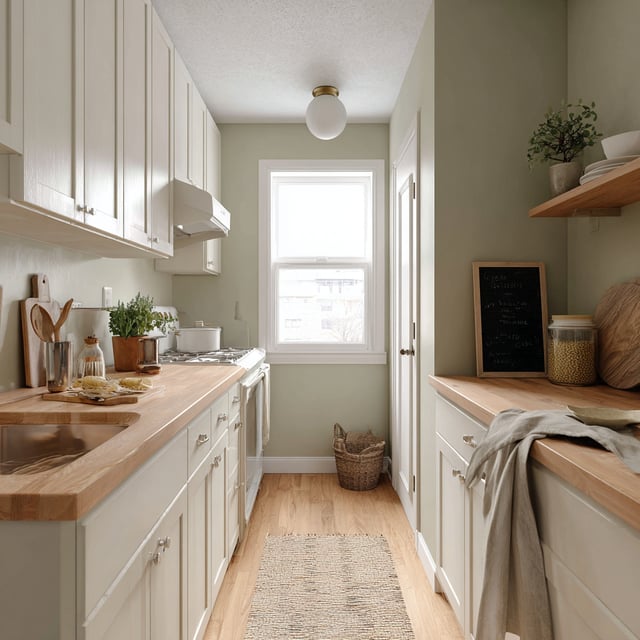
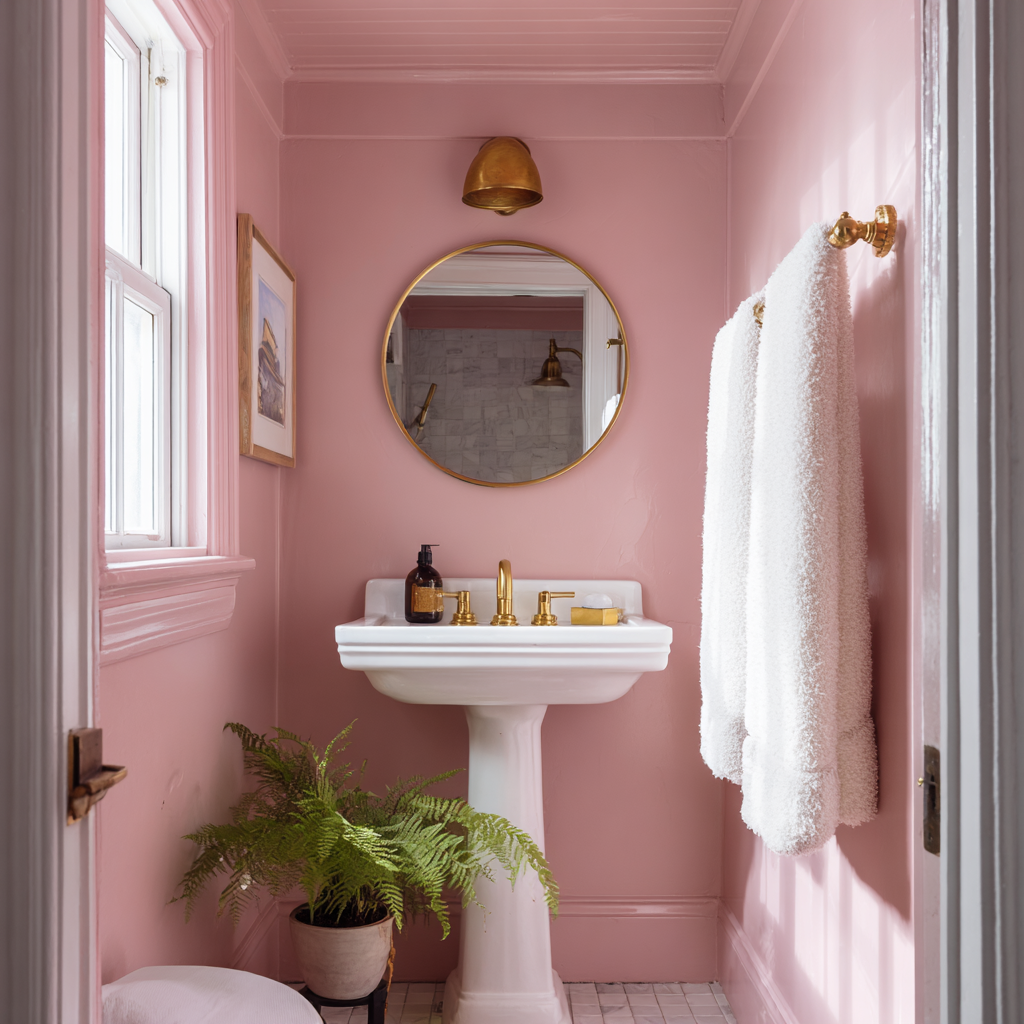
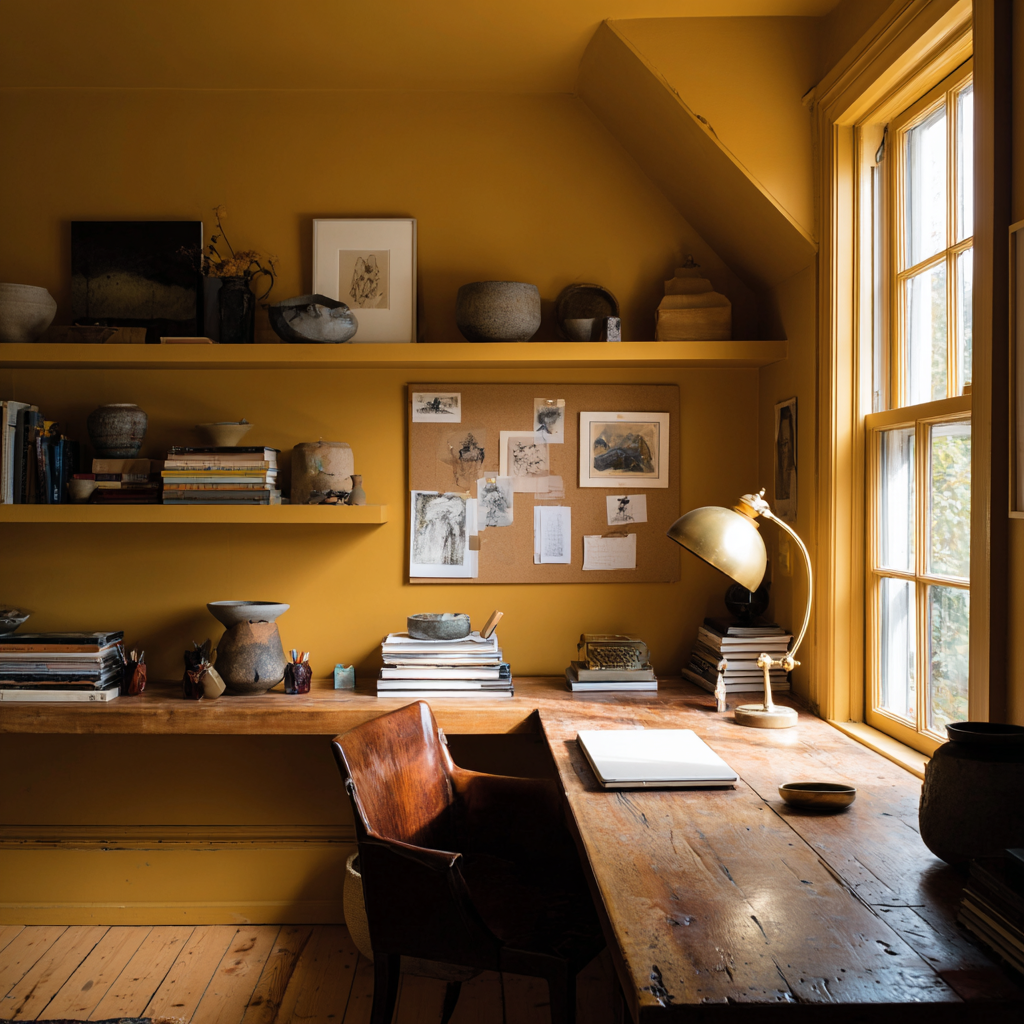
The technique is not reserved for dark, moody palettes. Pale sage, warm cream, blush, soft white, dusty blue: all of these read beautifully when used on both ceiling and walls. A color-drenched room does not have to feel dramatic. In softer tones, it can feel light and considered at the same time.
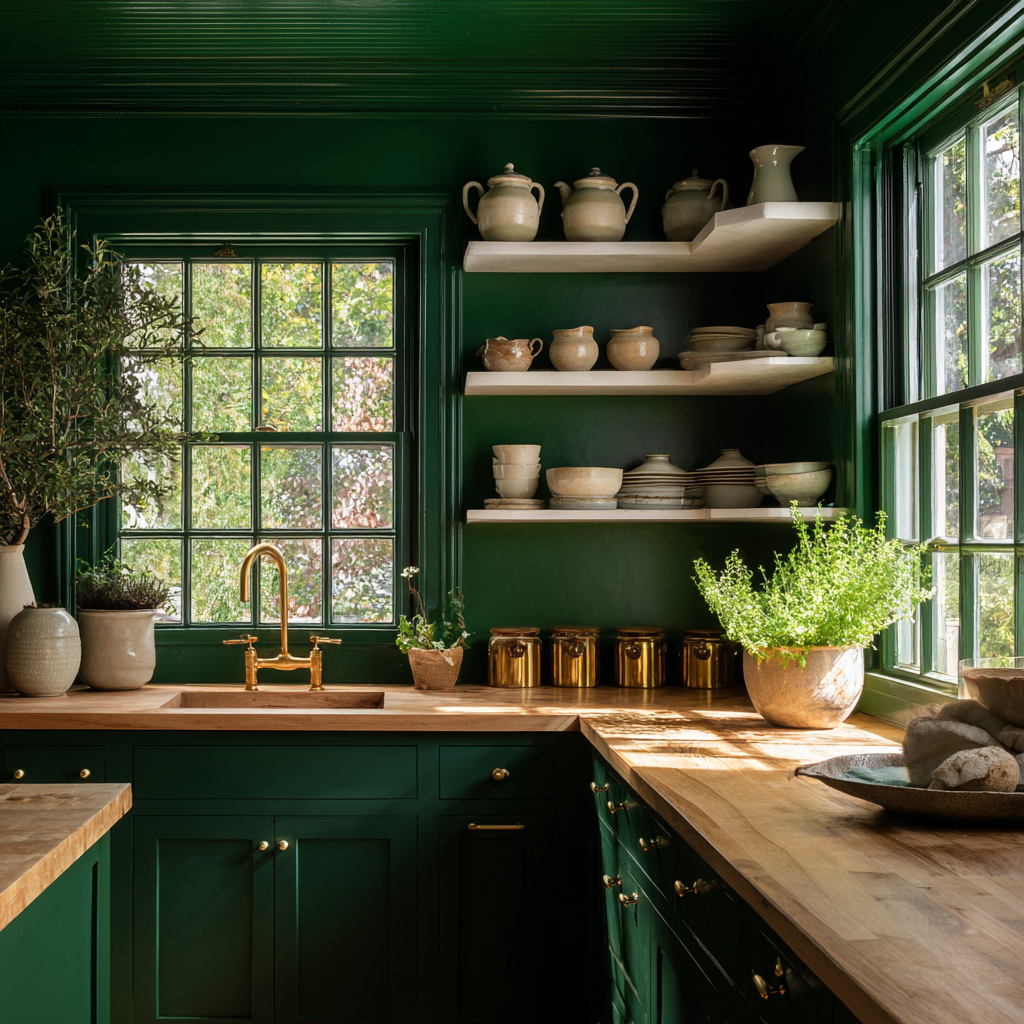
A small room with one north-facing window is not a candidate for dark color-drenching. The ceiling in a room like this is doing real work: bouncing light around the space and making it feel livable. Take that away and the room will feel dim in a way that no number of lamps fully fixes.
In a low-light room, the technique can still work in a pale or soft tone. But going dark in a room that already struggles with light is a decision that tends to get reversed.
Erin Hughes of Naperville shared her perspective. “We painted our guest bedroom ceiling and walls the same burgundy without really thinking through the lighting. The room only has one small window, and after we finished it felt like a cave. We ended up repainting the ceiling white and, suddenly, the room felt so much lighter.”
When the ceiling and walls are different colors, a slightly wobbly cut-in line at the transition is mostly invisible. The contrast hides it. When both surfaces are the same color, that line has nowhere to hide. Every drip, every imprecise edge, every place where coverage is uneven will show. This is not a reason to avoid the technique, but it is a reason to hire a painter who has done it before, or to budget more time for prep if you are doing it yourself.
A color that reads beautifully on a vertical wall will often shift when applied to a horizontal ceiling plane, because the ceiling receives less direct light and more reflected light. Mid-tone greens and blues are especially prone to this. A sage that looks clean and soft on the wall can read gray-green or even slightly brown on the ceiling.
Test the color on the ceiling itself, not just the wall, and look at it across a full day before committing. That is not optional advice. It is the step that separates a decision you will be happy with from one you will redo.
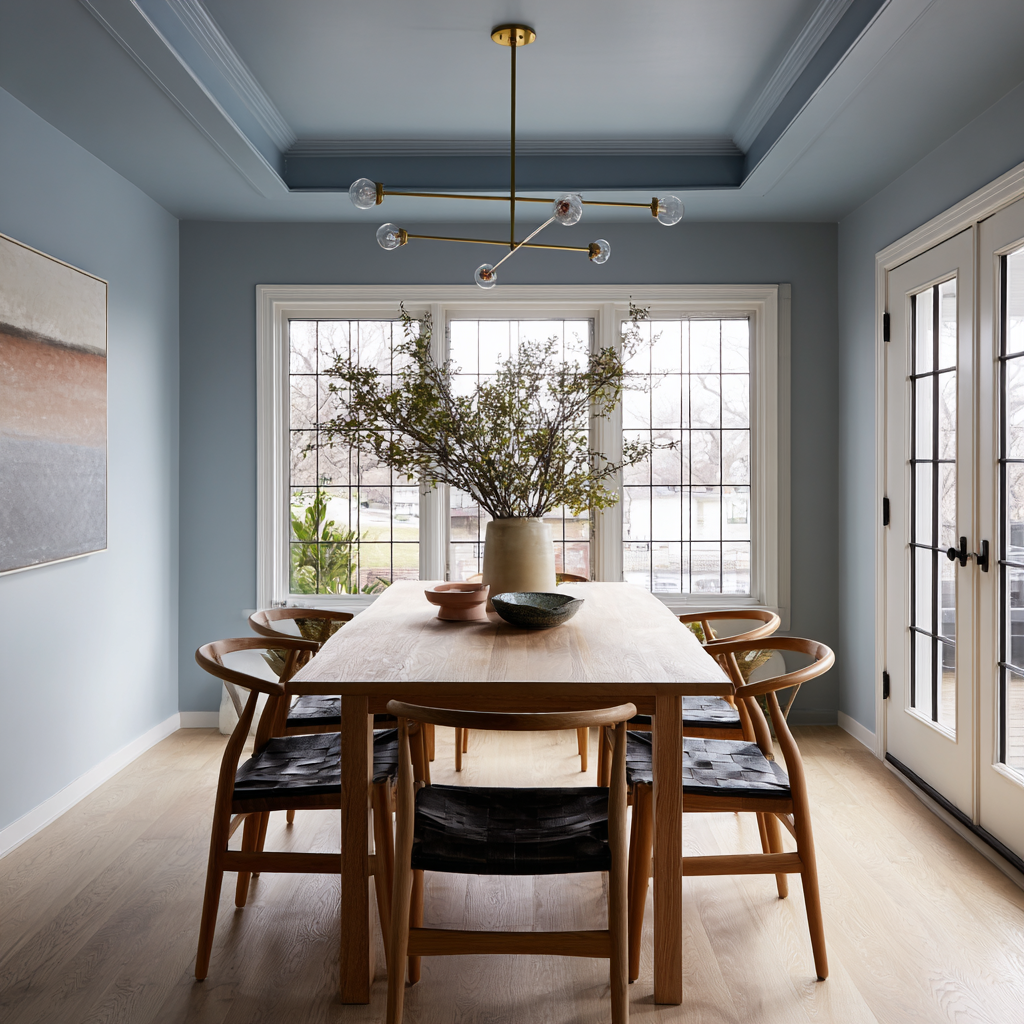
Use a flat or matte finish on the ceiling even when the color matches the walls. Walls typically get an eggshell or satin finish, and that difference in sheen gives the room depth it would otherwise lose. Two identical colors in two different finishes read as the same color to the eye while still creating a subtle distinction between surfaces. Without that variation, the room can feel like the inside of a painted box.
Tray ceilings are among the best candidates for painting the ceiling the same color as the walls. The tray-style ceilings and stepped border create light and shadow within a single color family, so the architecture stays legible without any color contrast to define it. The three-dimensional quality of the ceiling actually becomes more pronounced, not less, because nothing is competing with it visually.
Coffered ceilings work similarly. The grid of beams and panels already carries strong visual geometry, so painting the entire space one color unifies the room without flattening it. The texture does the work that contrast would otherwise do. Many designers consider this the most refined application of the technique in residential design.
Corrugated metal ceilings, common in converted industrial spaces and certain kitchen renovations, benefit in a different way. The texture of the material is already doing significant visual work. Painting it the same color as the walls pulls it into the palette rather than letting it read as a separate element. The result feels intentional rather than industrial-by-default.
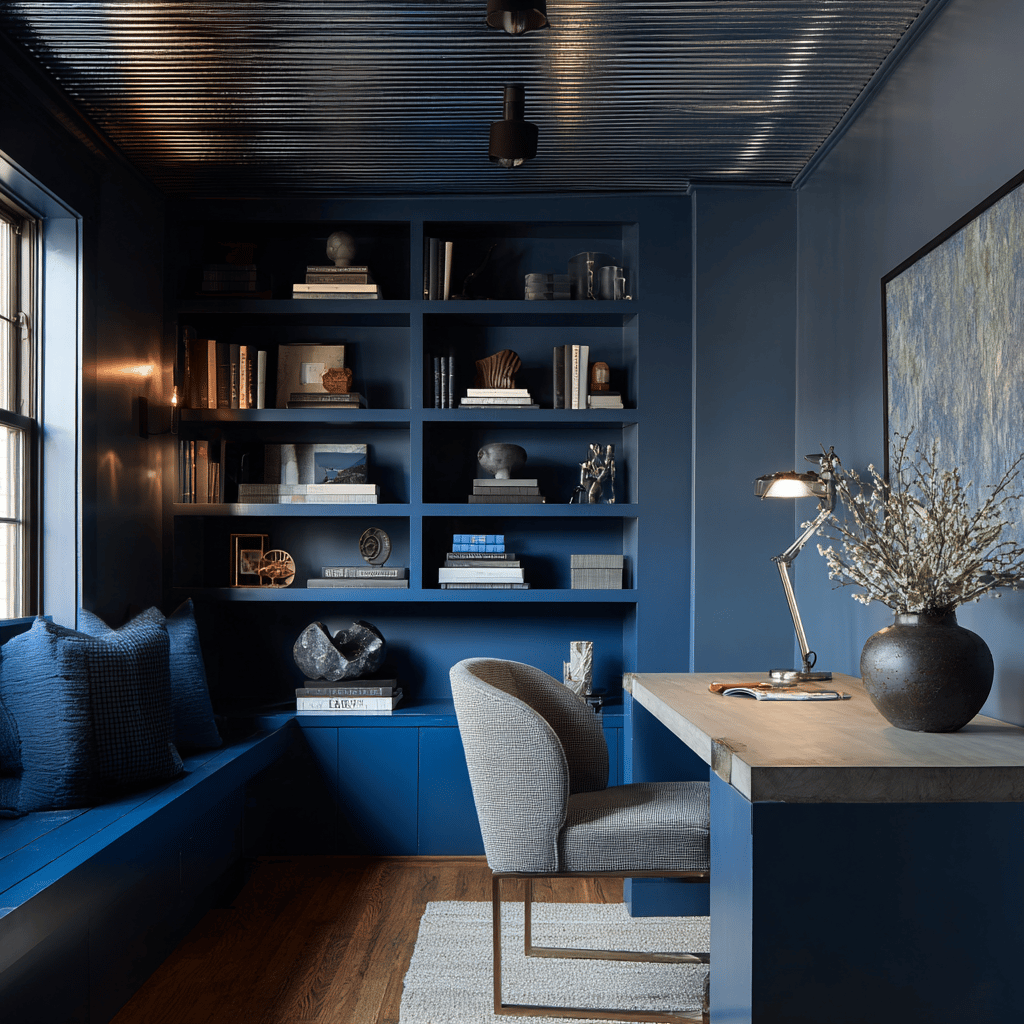
Full color-drenching, where ceiling, walls, and trim all share the same shade, is a strong look that many designers advocate for. But in rooms with detailed trim, baseboards, or window casings worth preserving, keeping the trim in white or a contrasting neutral gives the room a frame. The ceiling and walls still read as one surface, but the boundary the trim creates prevents the treatment from feeling total. In most older homes, this approach is the safer and often the better one.
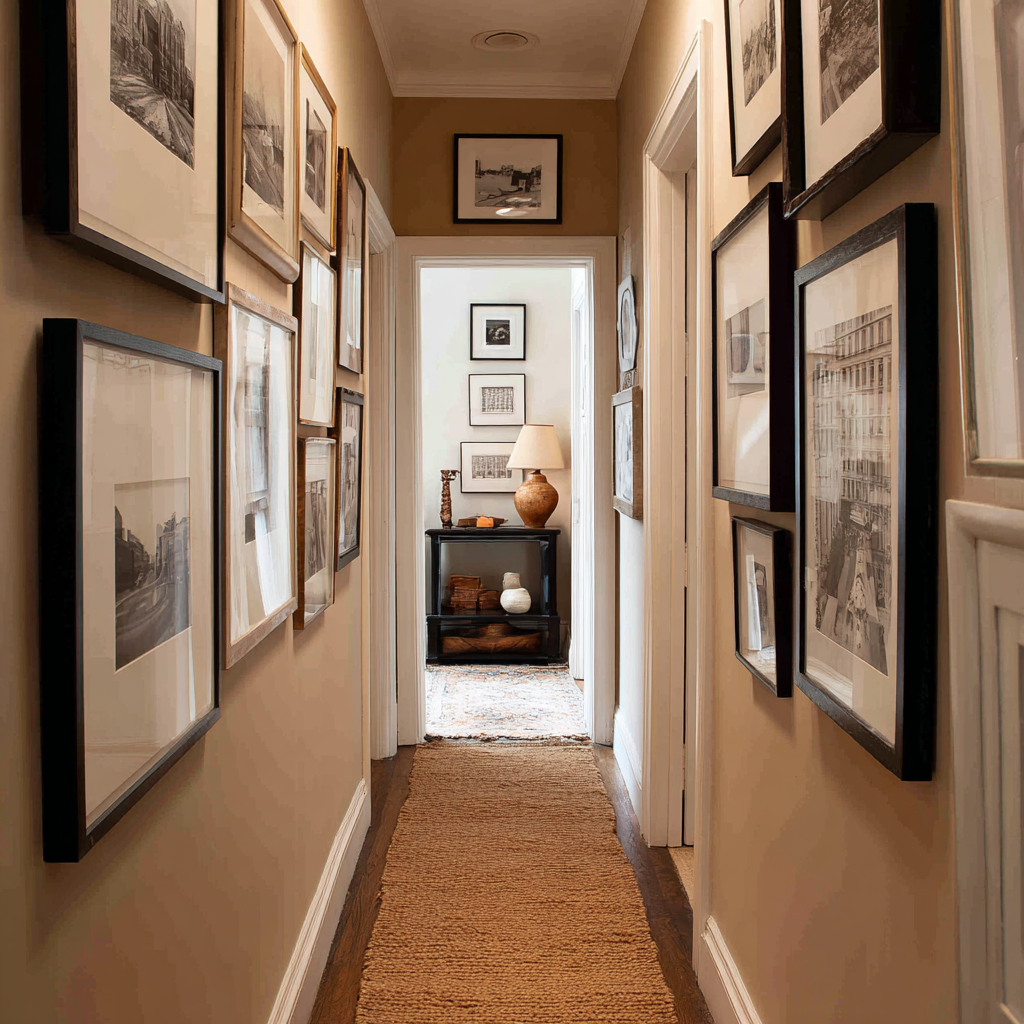
A color-drenched room that opens directly into a hallway in a completely different palette can feel jarring at the threshold. Before committing, look at the sightlines from adjacent spaces. If the transition is abrupt, extending the ceiling color into the connecting hallway, or choosing a shared accent color that bridges the two rooms, resolves it cleanly.
Design a Home That’s Uniquely Yours
Block can help you achieve your renovation goals and bring your dream remodel to life with price assurance and expert support.
Get Started
Weighing the pros and cons of painting ceilings the same color as your walls comes down to two things: how your room handles light, and what you want the space to feel like. Here is a quick way to read your situation.
Strong candidates:
Pause before proceeding if:
Color is one decision in a renovation. Block Renovation helps homeowners think through all of them, from paint and materials to contractor selection and budget, with tools and guidance built around your specific project.
Block's free Renovation Studio lets you visualize your space, test material and finish combinations, and get real-time cost estimates before you talk to a single contractor. If you want to understand how your choices affect your budget before any work begins, start there.
Find the best contractors for your home renovation with help from Block
Block works with a vetted network of contractors who understand what homeowners actually need from a renovation. If you are a contractor looking to grow your business with better-matched projects and a cleaner process, learn about the Block partnership program at blockrenovation.com/contractors.
Remodel with confidence through Block

Connect to vetted local contractors
We only work with top-tier, thoroughly vetted contractors

Get expert guidance
Our project planners offer expert advice, scope review, and ongoing support as needed
Enjoy peace of mind throughout your renovation
Secure payment system puts you in control and protects your remodel


Renovate confidently with Block
Easily compare quotes from top quality contractors, and get peace of mind with warranty & price protections.
Paint & Color
Wall Colors for Light Wood Floors: Grays, Whites & More
05.13.2026
Paint & Color
Gray Walls with Dark Hardwood Floors: Pull Off the Look
05.06.2026
Paint & Color
Expanding Your Bathroom: Costs & Option Comparisons
04.22.2026
Paint & Color
Backsplash Ideas to Flatter Gray Cabinets
04.17.2026

Ceiling
Low Ceiling Renovation Before-and-Afters: Basements & Attics
04.16.2026