



Cost
2026 Bedroom Remodel Cost Guide: Average Price, Tips & ROI
07.22.2026
07.16.2026


In This Article
Your bedroom floor takes less wear than any other floor in the house, and that changes what you should buy. With no wet shoes or dinner spills to plan around, you can choose bedroom flooring for how it feels under bare feet and how quiet it keeps the room, which puts materials on the table that would never survive an entryway. The 12 flooring options for bedrooms below cover installed costs and honest drawbacks, plus the styles each one fits, so you can narrow the field before you order a single sample.
Hardwood and engineered wood are the best all-around bedroom flooring for durability, resale value, and design flexibility. Carpet is the best choice if warmth, softness, and quiet matter most. Luxury vinyl plank is the strongest budget option, especially for households with pets or kids. For a modern bedroom, wide-plank engineered wood in a pale, matte finish leads current design. Since bedrooms are low-traffic spaces, comfort underfoot and the look you want should drive the decision more than durability.
|
Flooring type |
Installed cost per square foot |
Best for |
|
Oak hardwood |
$8 to $15 |
Resale value, classic style |
|
Maple hardwood |
$8 to $16 |
Modern, light-filled rooms |
|
Engineered hardwood |
$7 to $13 |
Concrete slabs, radiant heat |
|
Laminate |
$4 to $8 |
Wood look on a budget |
|
Luxury vinyl plank |
$4 to $9 |
Pets, kids, rentals |
|
Cork |
$6 to $12 |
Quiet, warmth, allergies |
|
Bamboo |
$5 to $10 |
Sustainable style |
|
Ceramic or porcelain tile |
$8 to $15 |
Warm climates, radiant heat |
|
Nylon carpet |
$4 to $8 |
Kids' rooms, high wear |
|
Triexta or polyester carpet |
$3 to $6 |
Budget comfort |
|
Wool carpet |
$9 to $18 |
Luxury, natural materials |
|
Carpet tile |
$4 to $8 |
DIY, easy repairs |
Costs are national averages for materials and professional installation. Local labor rates, subfloor prep, and product grade can move the numbers in either direction.
Oak is the default choice among popular hardwood floor options because its pronounced grain hides small scratches and it takes stain evenly. White oak suits lighter, modern rooms, while red oak brings warmer, more traditional tones. Expect $8 to $15 per square foot installed. Domestic mills produce more oak than any other species, so if you want American-made hardwood or engineered wood, oak gives you the widest choice of brands. It also holds resale value better than nearly any other floor, and it can be sanded and refinished several times over its life.
Wood is firm and cool underfoot, so most homeowners pair it with a large area rug beside or beneath the bed.
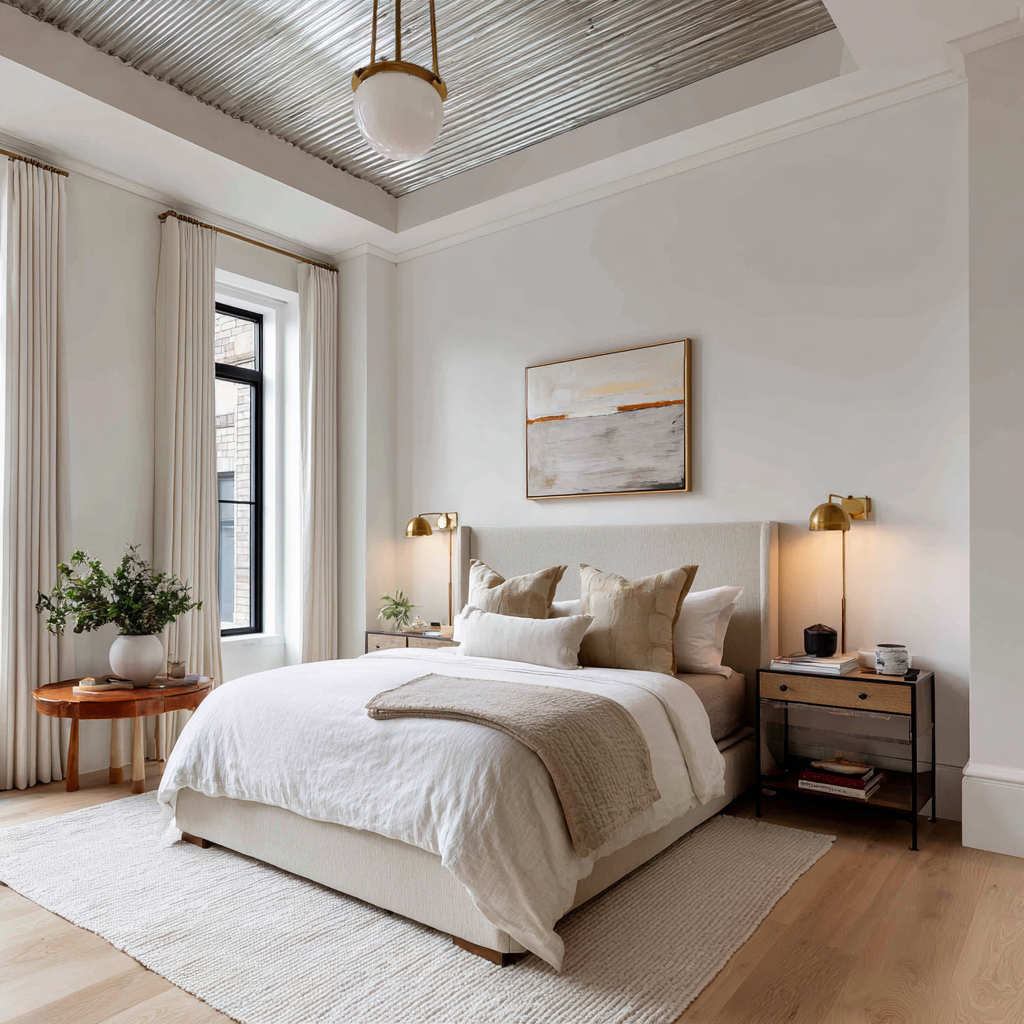
Maple has a tighter, subtler grain than oak, which gives it a cleaner, more contemporary look. It's also one of the hardest domestic species and a smart pick for dog owners, since dragged nightstands and pet nails leave fewer marks. Maple does take stain unevenly, so it looks best in its natural pale tone or with a clear finish. Installed costs run $8 to $16 per square foot.
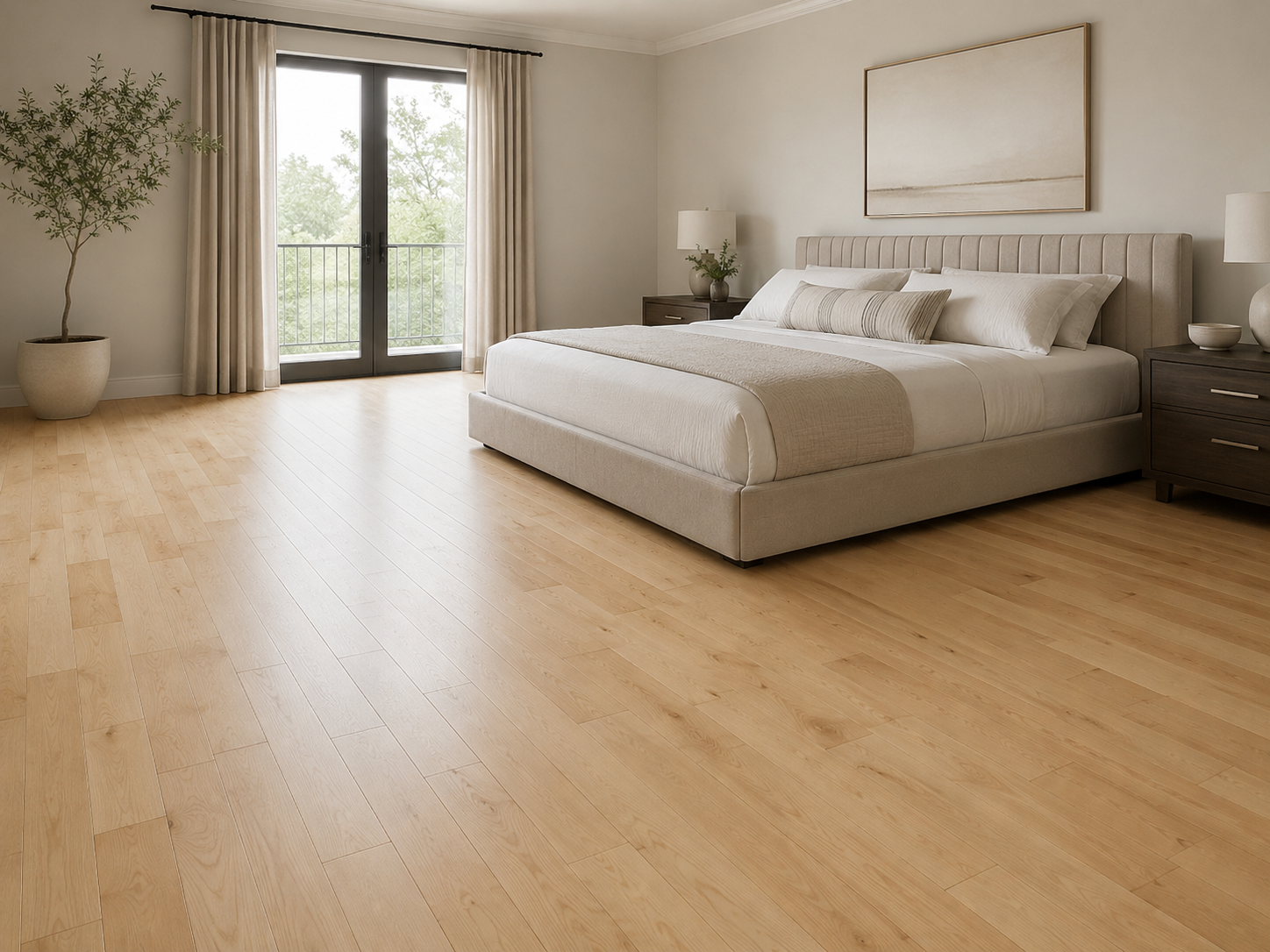
Engineered hardwood tops a plywood core with a veneer of real wood, so it looks identical to solid hardwood once installed. The layered construction keeps it stable through humidity swings and makes it safe over concrete slabs and most radiant heating systems, two places where solid wood struggles. Prices land between $7 and $13 per square foot installed, and quality varies enough by manufacturer that it's worth comparing the best engineered wood flooring brands before you buy. Check the veneer thickness too: a wear layer of 3mm or more can be refinished at least once, while thinner veneers cannot.
Laminate uses a photographic layer over a fiberboard core to mimic wood at a fraction of the price, typically $4 to $8 per square foot installed. Modern laminate looks far better than the shiny versions from a decade ago, with embossed textures that follow the printed grain. It resists scratches well enough for pets, and it installs as a floating floor.
Two things matter for bedrooms: laminate is the hardest-feeling wood-look option, and it can sound hollow without a quality underlayment. Spend the extra dollar per square foot on padding and both issues mostly go away.
LVP is a good bedroom floor, though probably not the best one. Its case rests on water resistance and scratch resistance at a lower price than wood, typically $4 to $9 per square foot installed, and it mimics wood and stone convincingly. In rentals, kids' rooms, and homes with dogs, those strengths matter, and rigid-core versions (SPC and WPC) add stability and a little extra cushion underfoot.
A bedroom needs almost none of that protection, though. Bedrooms stay dry and get light traffic, so you pay for toughness you'll rarely need while accepting a synthetic feel and weaker resale value. Several experts in realty trends told us LVP can do more harm than good when it comes time to sell, and Realtor Julie Upton has watched buyer preferences move past it:

"Another trend that is passed is luxury vinyl plank flooring. Today's buyers would prefer engineered hardwood over LVP flooring."
If you were ever going to spend on real wood, the bedroom is the room for it. Save LVP for the mudroom, basement, or bathroom, where vinyl flooring is a strong choice and its water resistance actually gets used.
Renovation cost calculator
Start with a realistic budget
Get an initial estimate based on your space and project details.
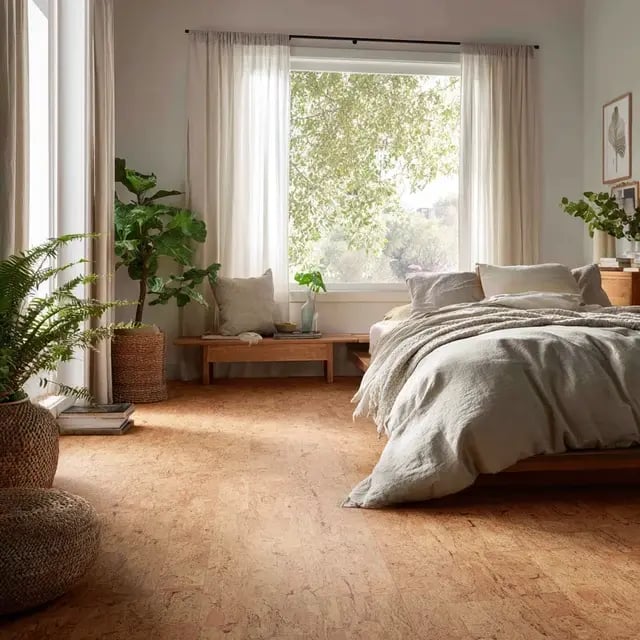
ork might be the most underrated bedroom flooring. It's naturally warm and springy underfoot, and it absorbs sound better than almost any hard surface, which matters in upstairs bedrooms and apartments. It also resists mold and dust mites, and its soft, forgiving surface makes it a strong flooring choice for seniors. Installed costs run $6 to $12 per square foot.
Cork does dent under heavy furniture, so use coasters beneath bed posts, and it needs resealing every few years. Its other weakness is recognition: buyers know what hardwood is worth, and most have never priced cork, so it adds little at resale. If daily comfort matters more to you than resale value, cork may be the best value on this list.
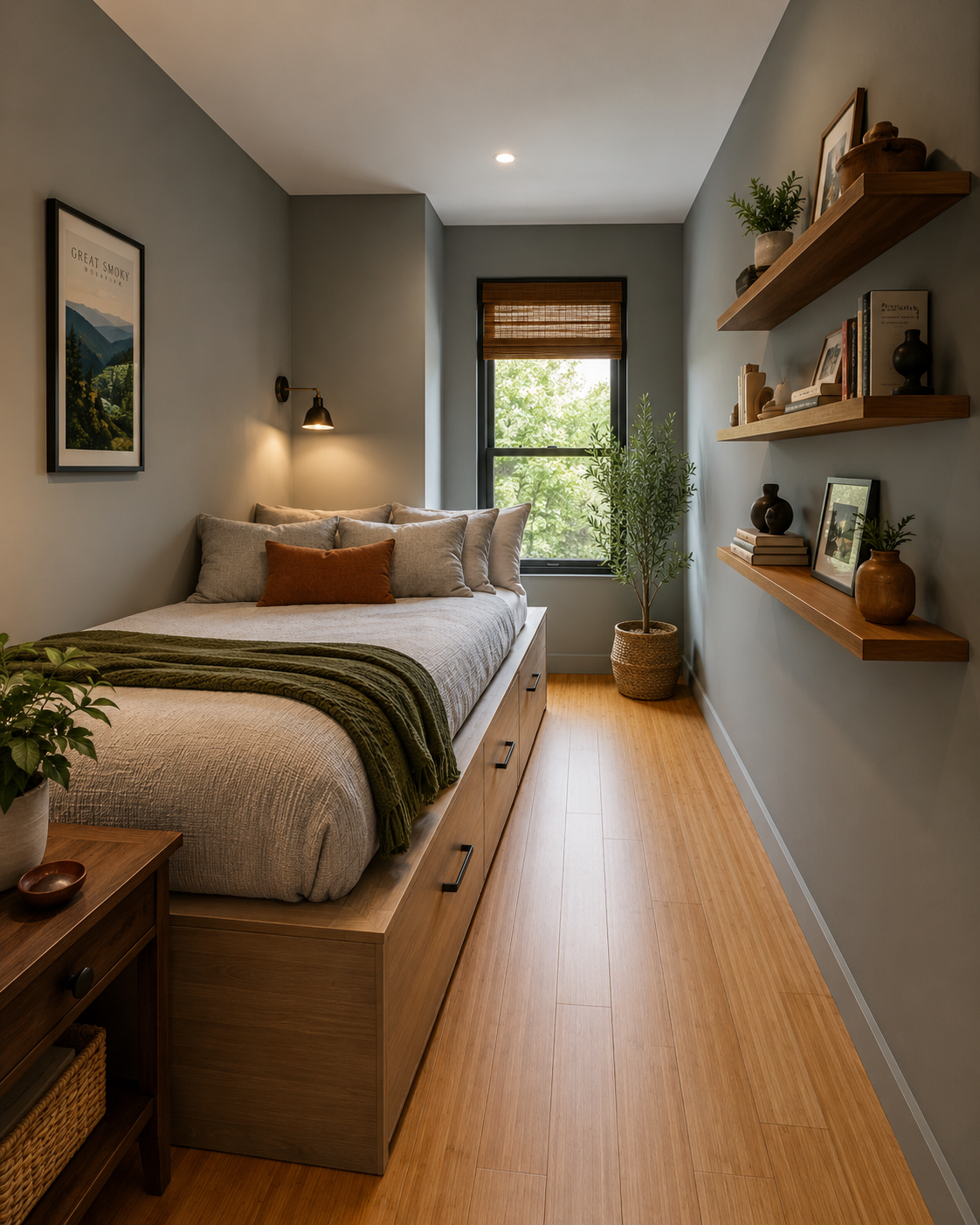
Bamboo is a grass that regrows in 5 to 7 years, which makes it one of the most sustainable floors you can buy. Strand-woven bamboo is harder than oak and handles wear well, while horizontal and vertical constructions show the distinctive knuckle pattern most people associate with the material. Expect $5 to $10 per square foot installed. Quality varies more between manufacturers than it does with hardwood, so buy from an established brand and confirm low-VOC certification.
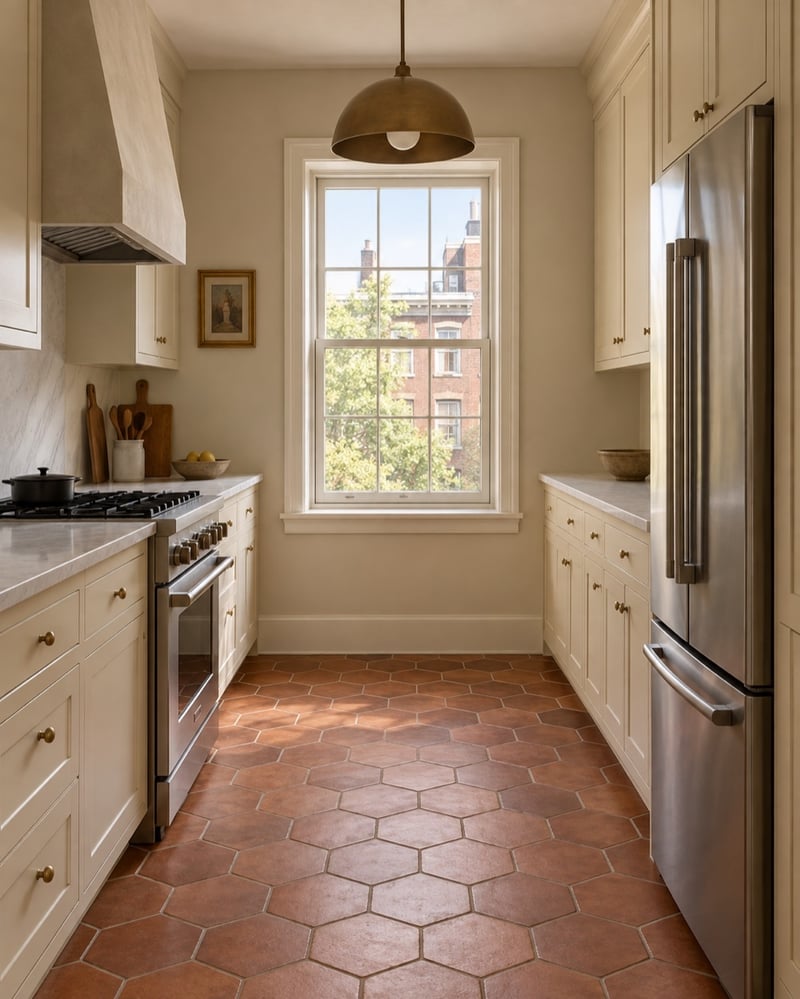
Tile is a regional choice for bedrooms, common in Florida, Arizona, and Southern California, where a cool floor is a feature. It lasts for decades, cleans easily, and comes in wood-look planks that pass for hardwood from standing height. Installed prices run $8 to $15 per square foot. In cooler climates, tile only makes sense over radiant heating, and even then the hardness underfoot pushes most homeowners toward rugs at every bedside.
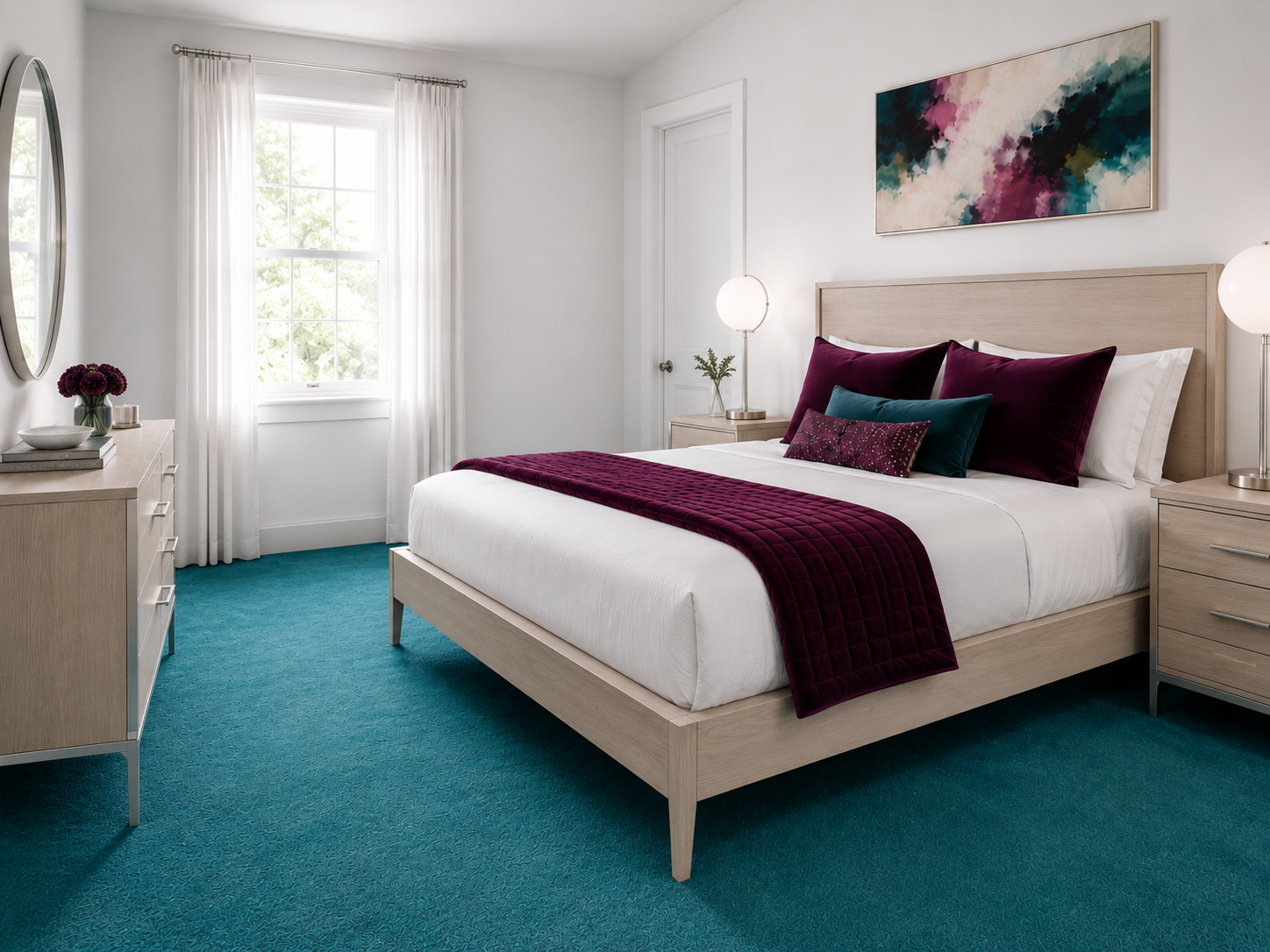
Nylon is the workhorse of carpet fibers. It resists stains when treated, and it bounces back from furniture compression better than any synthetic alternative, which makes it the right carpet for kids' bedrooms and any room that will take real abuse. Installed costs run $4 to $8 per square foot including pad. Choose a mid-weight cut pile for the best balance of softness and durability.
If the bedroom gets light use and budget matters, triexta and polyester deliver genuine softness for $3 to $6 per square foot installed. Triexta (sold under names like SmartStrand) offers built-in stain resistance and durability approaching nylon at a lower price. Polyester is the softest and cheapest but mats down sooner under furniture and foot traffic. For a guest room or a rarely used bedroom, either is a smart place to save.
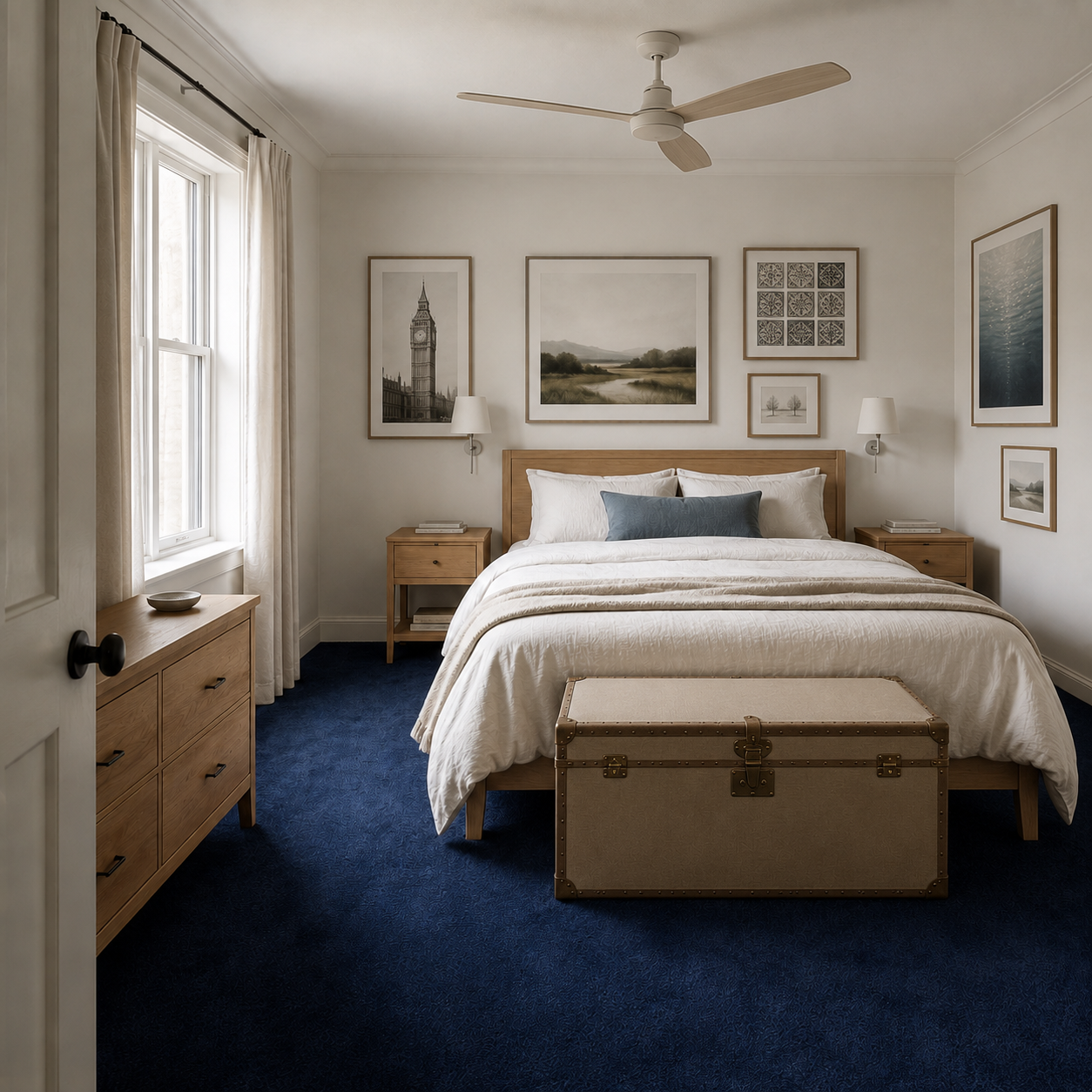
Wool is the luxury pick. It feels softer than any synthetic, insulates against both cold and noise, and ages gracefully, often outlasting synthetic carpet by a decade. The price matches the quality, at $9 to $18 per square foot installed.
Wool absorbs moisture and can stain from spills, so keep it out of rooms where drinks travel with you, and vacuum regularly to protect the fiber.
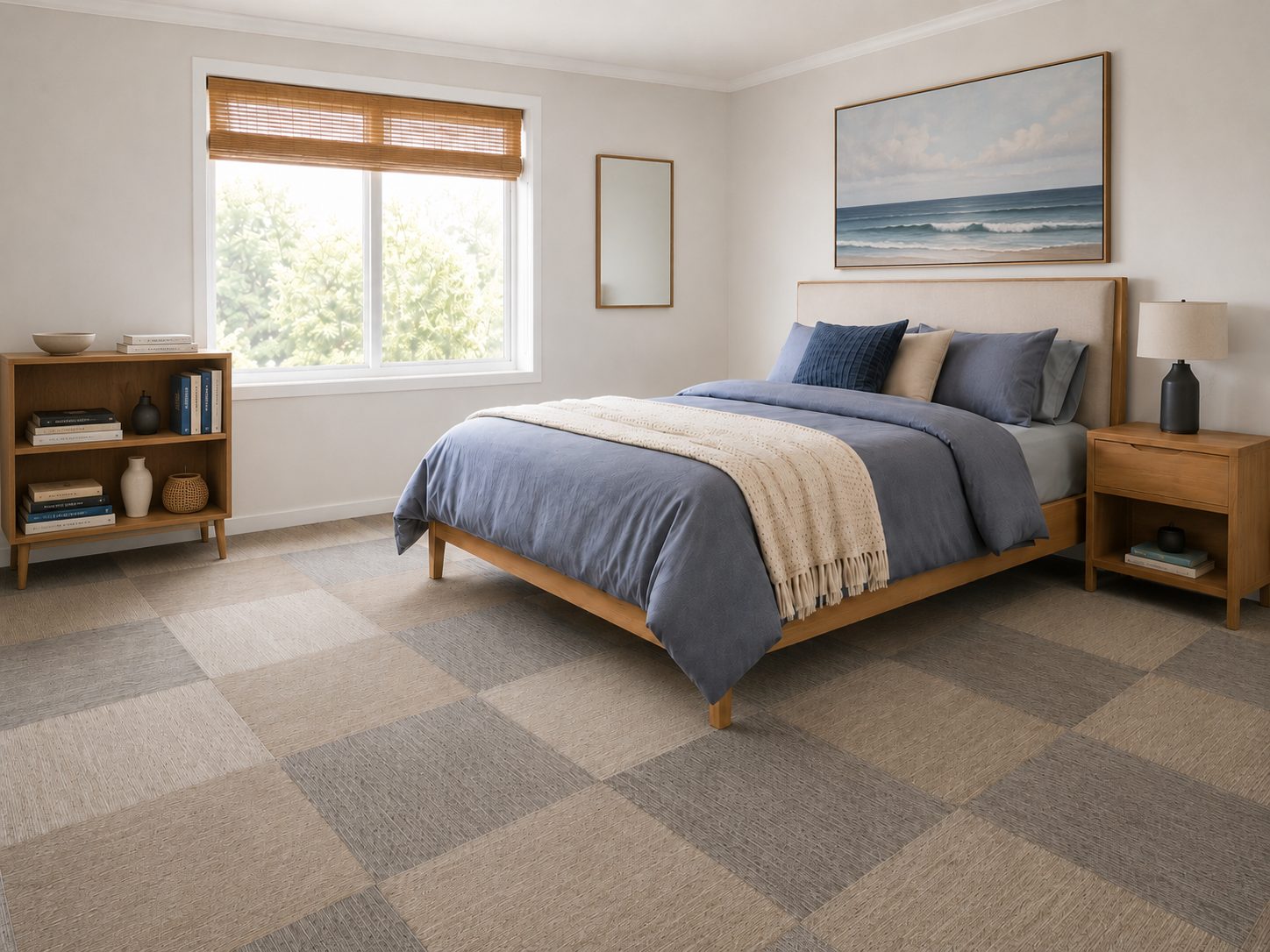
Carpet tiles let you replace a single stained or damaged square instead of an entire floor, and they open up patterns and color mixing that broadloom cannot match. They install without stretching or specialized tools, which makes them one of the few genuinely DIY-friendly soft floors. Costs run $4 to $8 per square foot. The seams show on close inspection, so they suit casual bedrooms, kids' rooms, and rentals better than formal spaces.
Renovate with confidence every step of the way
Step 1: Personalize Your Renovation Plan
Step 2: Receive Quotes from Trusted Contractors
Step 3: Let Us Handle the Project Details
Bedrooms are among the lowest-traffic rooms in a home, so durability matters less here than almost anywhere else. Weigh these factors instead:
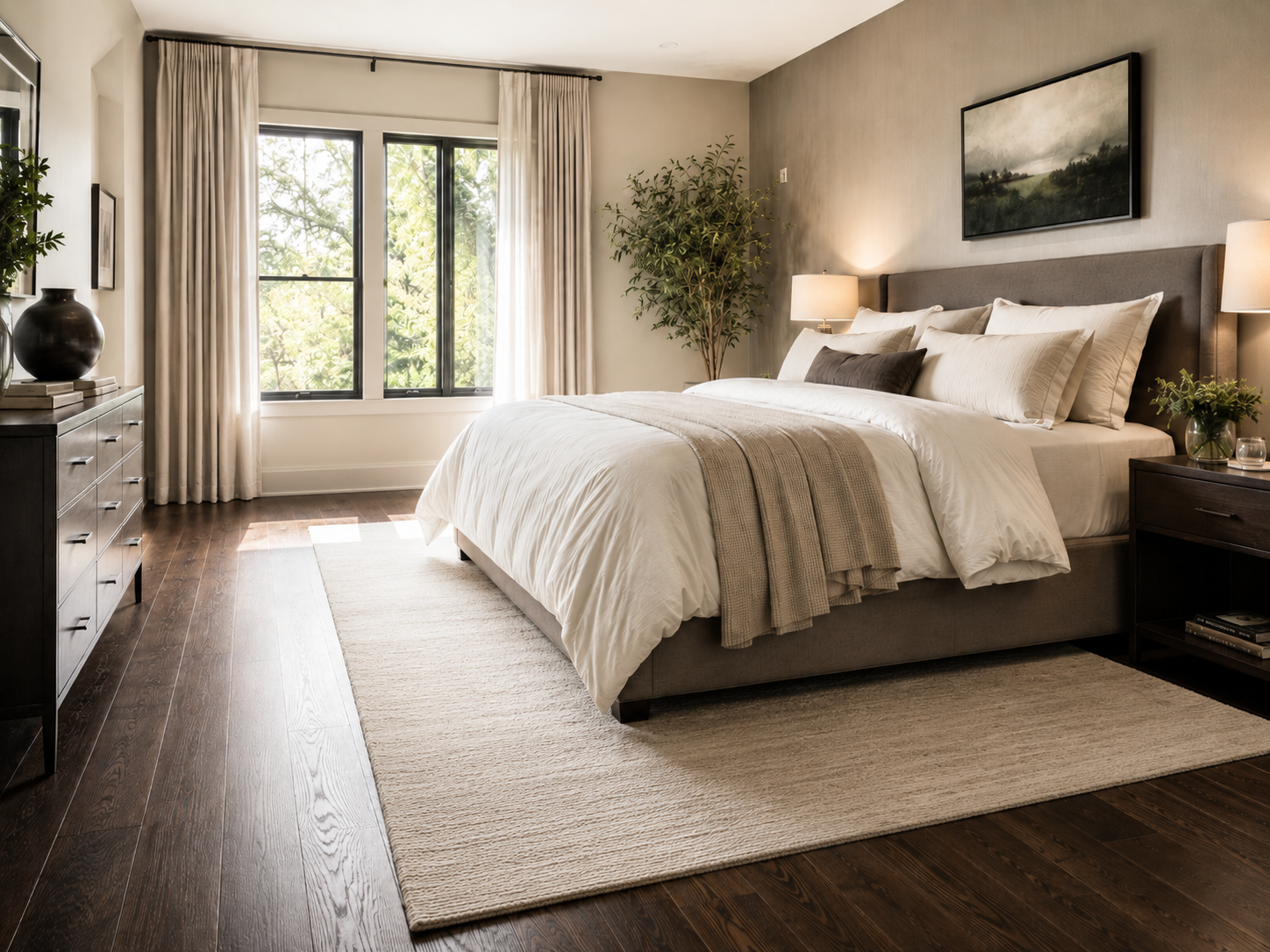
If you want the room to feel current, these are the looks designers keep specifying:
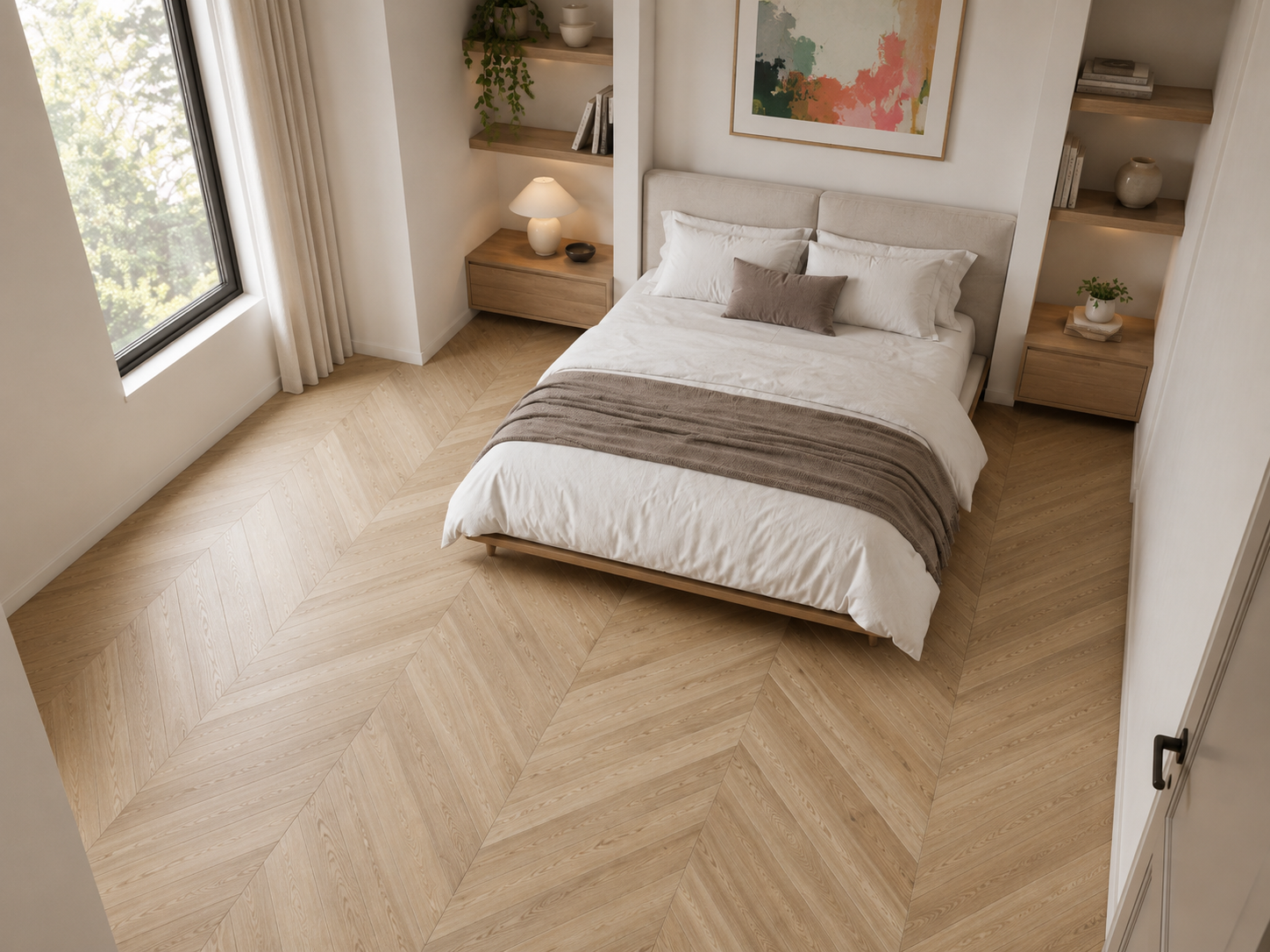
The floor covers more visual area than any wall, so it anchors whatever style you're building toward:
Bedrooms are also the one room where you can break the continuous-flooring rule. Matching the hallway hardwood matters in the spaces buyers walk through during a showing, but they pay far less attention behind closed bedroom doors, so carpet in the bedrooms with wood everywhere else is a reasonable plan.
Radiant floor heating turns the coldest flooring options into the most comfortable ones. Electric mat systems add $8 to $15 per square foot and suit single-room projects, while hydronic systems cost more upfront but less to run across larger areas.
Tile and stone conduct heat best and are the classic pairing. Engineered hardwood and most rigid-core LVP also carry ratings for radiant systems, though you should confirm the manufacturer's maximum surface temperature before installing. Solid hardwood and thick carpet are poor matches: solid wood can shrink and gap with the heat cycles, and carpet with a dense pad insulates the room from the system you paid for.
New flooring often becomes the first step of a larger bedroom remodel, and installation quality decides how any of these materials performs over time. Tell Block your project details once and have your area's best contractors compete for the work, with expert scope reviews to catch missing line items early and secure payments released as the project progresses.
Remodel with confidence through Block
Connect to vetted local contractors
We only work with top-tier, thoroughly vetted contractors

Get expert guidance
Our project planners offer expert advice, scope review, and ongoing support as needed
Enjoy peace of mind throughout your renovation
Secure payment system puts you in control and protects your remodel

Renovate confidently with Block
Easily compare quotes from top quality contractors, and get peace of mind with warranty & price protections.
Cost
2026 Bedroom Remodel Cost Guide: Average Price, Tips & ROI
07.22.2026
Bedroom
12 Best Bedroom Flooring Options for Every Budget
07.16.2026
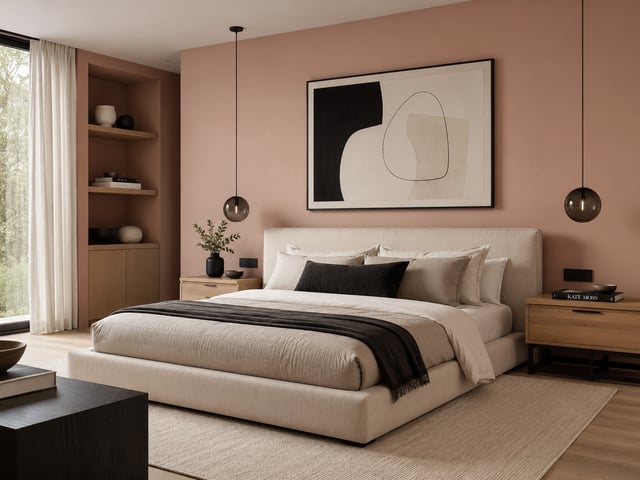
Bedroom
Best Paint for Bedroom Walls: Top Brands & Colors
07.03.2026

Bedroom
Minimum Bedroom Size: Code vs. Livability
06.01.2026
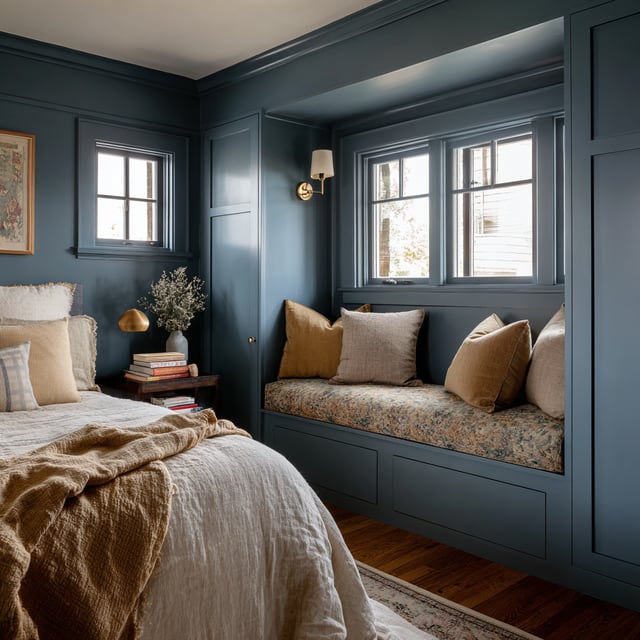
Bedroom
Before & Afters Remodeled Master Bedrooms
05.04.2026