




Flooring
Top Rated Luxury Vinyl Tile Brands Worth Sampling
09.11.2026
12.12.2025


In This Article
Life with a dog means lots of muddy paws and rambunctious fun, not to mention the occasional indoor accident. Not all floors are equally equipped to withstand the scratching of claws and the regular wear of four-legged play. This guide highlights the best scratch-resistant wood flooring options—so you can create a space that welcomes every member of your family, paws included.
Below, we explore the best scratch-resistant wood flooring choices perfect for a home with dogs.
Before we dive into the specific flooring types, it’s helpful to understand what makes a wood floor "scratch-resistant." Two key factors come into play: the Janka hardness rating and the type of finish applied to the wood.
The Janka hardness test measures the resistance of a wood species to denting and wear. It involves pressing a small steel ball into the wood until it is halfway embedded, and the amount of force required is its Janka rating. The higher the number, the harder and more durable the wood is. For homeowners with dogs, choosing a wood with a high Janka rating is a great first step toward a scratch-proof wood flooring solution.
For context, Red Oak, a common flooring material, has a Janka rating of around 1290. Woods with significantly higher ratings will naturally offer better protection against dog claws.
Even the hardest wood can scratch if it has a weak finish. The finish is the top protective layer of your flooring. A high-quality, durable finish acts as a shield, absorbing the impact from claws, toys, and foot traffic. Look for floors with multiple layers of a factory-applied aluminum oxide finish. This type of finish is one of the strongest available and provides superior scratch resistance compared to standard polyurethane finishes.
Renovate with confidence every step of the way
Step 1: Personalize Your Renovation Plan
Step 2: Receive Quotes from Trusted Contractors
Step 3: Let Us Handle the Project Details
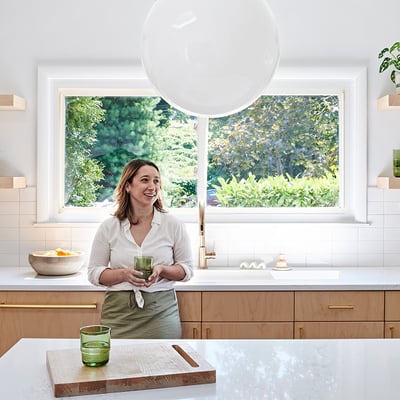
Engineered hardwood is an excellent flooring choice for pet owners due to its enhanced durability and stability. Unlike solid wood, which is made from a single piece of timber, engineered hardwood consists of a real wood veneer on top of multiple layers of plywood or high-density fiberboard (HDF), making it much less likely to warp or expand when exposed to moisture and changes in humidity. This construction offers a clear advantage in homes with pets, where spills or accidents are more common.
For the best performance, dog owners should look for engineered hardwood with a thick wear layer (ideally at least 2 mm) and a tough, scratch-resistant finish like factory-applied aluminum oxide or ceramic coatings. Reputable manufacturers will often offer warranties that cover scratches and finish durability.
New York homeowner Jia Wu shared, "We went with engineered hickory at our contractor's suggestion. Our terrier is over 70 pounds and she doesn't exactly tiptoe. Two years in and the floor still looks the way it did when we installed it. The wire-brushed finish was the right call."
Scratch resistance aside, engineered hardwood has one more advantage for dog owners: moisture. Solid hardwood expands and contracts with humidity changes, and pet accidents that aren't cleaned up immediately can cause warping that goes below the surface finish. Engineered hardwood's plywood core is dimensionally stable and handles that kind of exposure significantly better.
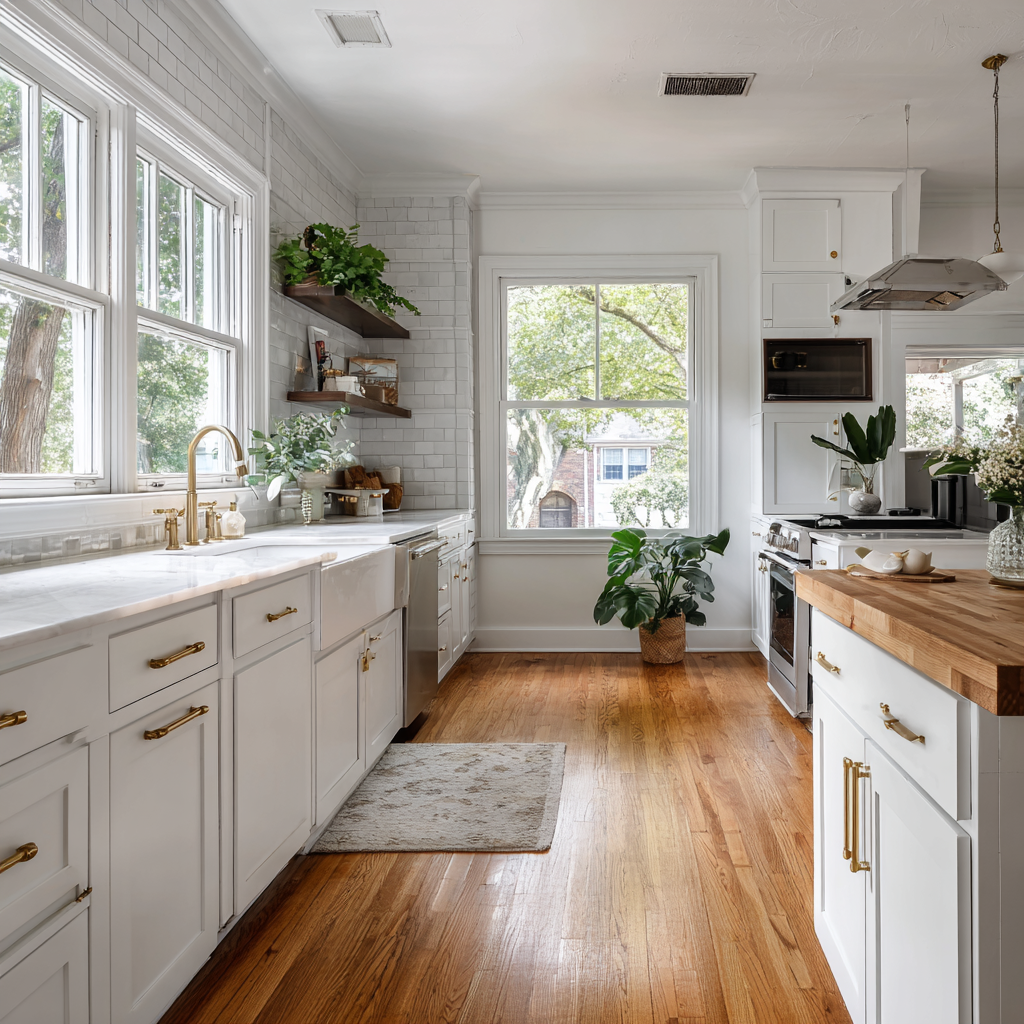
Examples of engineered hardwood options for dog owners include:
Real hardwood is highly durable and can last for decades with proper care. It can also be refinished several times, making it easy to repair surface damage or update the floor’s appearance.
Known for its stunning reddish-brown hue and remarkable durability, Brazilian Cherry, or Jatoba, is an excellent option for a busy household. With a Janka hardness rating of around 2350, it's nearly twice as hard as Red Oak. This inherent hardness makes it naturally resistant to scratches and dents from dog nails.
The color of Brazilian Cherry deepens over time with exposure to light, developing a rich, luxurious patina. While it is a premium option, its longevity and strength make it a worthwhile investment for homeowners looking for a floor that will maintain its beauty for decades.
Pros:
Cons:
Hickory is a domestic wood that is famous for its strength and distinct, rustic character. With a Janka rating of approximately 1820, it’s significantly harder than oak and maple. This makes it one of the most durable flooring for dogs and active families. Hickory features strong grain patterns and color variations, which not only add visual interest but also help to camouflage minor scratches or dents that may occur.
If you love a floor with personality, hickory is an outstanding choice. It comes in a wide range of stains, from light and modern to deep and traditional, allowing it to fit into various design schemes.
Pros:
Cons:
Design a Home That’s Uniquely Yours
Block can help you achieve your renovation goals and bring your dream remodel to life with price assurance and expert support.
Get Started
Not to be confused with softer maple varieties, Hard Maple (also known as Sugar Maple) is another North American wood that offers impressive durability. It has a Janka rating of 1450, placing it firmly in the category of hard-wearing floors. Hard Maple is known for its light, creamy color and subtle grain pattern, which can brighten up any space and provide a clean, contemporary feel.
Because of its light tone, scratches can sometimes be more visible than on a wood with a stronger grain. However, choosing a matte or satin finish instead of a glossy one can help minimize their appearance. A quality aluminum oxide finish will provide the necessary scratch-proof wood flooring protection.
Pros:
Cons:
White Oak is a classic and versatile flooring choice that performs well in homes with pets. With a Janka rating of 1360, it is harder and more water-resistant than its cousin, Red Oak. White Oak contains tannins that make it more resistant to rot and water damage, which is a great feature for pet owners who may have to clean up the occasional accident.
Its grain is straighter and more subtle than Red Oak, lending itself to a wide array of styles, from farmhouse to contemporary. Additionally, White Oak takes stains very well, allowing for a high degree of customization.
Pros:
Cons:
Though technically a grass, strand-woven bamboo is manufactured to be one of the hardest flooring materials on the market. Bamboo stalks are shredded, mixed with an adhesive, and compressed under extreme pressure and heat. The resulting product has a Janka hardness rating that can range from 3000 to over 5000—surpassing even the toughest exotic hardwoods.
This makes strand-woven bamboo an exceptional scratch-resistant flooring option for dogs. It's also an eco-friendly choice, as bamboo is a rapidly renewable resource. It comes in a variety of colors and styles, often mimicking the look of traditional hardwood.
Pros:
Cons:
Acacia is another hardwood that combines stunning visual appeal with robust durability. It has a Janka rating of around 1700, making it harder than Hickory. Acacia's dramatic grain patterns and wide color variation within the same plank are what make it distinctive.
This natural variation is a major plus for dog owners, as it does an excellent job of hiding minor scratches and scuffs. Acacia is available in both solid and engineered formats, providing flexibility for different installation needs.
This is why Debbie Powell of Lansing elected for Acaia floors. "We have two dogs and I was convinced we needed something basically indestructible. I won't pretend there's absolutely no scratches, but the wood does a good job of downplaying them."
Pros:
Cons:
Cumaru, often called Brazilian Teak, is another South American hardwood known for its incredible density and durability. With a Janka rating of approximately 3540, it is right up there with Brazilian Walnut in terms of sheer strength. It has a beautiful medium-brown to reddish-brown color with a tight, interlocked grain.
Brazilian Teak is a fantastic choice for the most active homes. Its durability ensures it will stand up to the toughest challenges, from large dogs to heavy foot traffic. It also has natural oils that make it resistant to insects and decay.
Pros:
Cons:
Instead of relying solely on hardness, this option uses texture to its advantage. Distressed or hand-scraped flooring is manufactured with intentional imperfections—such as scrapes, knots, and subtle tool marks. The floor looks weathered from day one by design.
Any new scratches your dog might add will simply blend in with the existing texture of the floor, becoming part of its character rather than a flaw. This style is available in many different wood species, including durable options like Hickory and Oak. It’s a great way to get the most durable flooring for dogs without the constant worry about every little mark.
Pros:
Cons:
The color and grain pattern of your floor will affect how the floor looks day-to-day more than almost any other decision. A scratch on a light maple floor is immediately visible; the same scratch on a hickory floor with pronounced grain variation disappears into the pattern.
Simply put, scratches show up the most when they create a visible line that contrasts with the surrounding wood flooring. Anything that appears more fluid with its grain and coloring will make individual scratches harder to see.
Mid-toned floors with visible grain are the sweet spot. Natural hickory, acacia, and hand-scraped oak in medium brown tones give scratches nowhere to stand out. The grain pattern is already doing visual work across the whole surface, and a new scratch reads as part of that variation rather than damage. Wire-brushed finishes take this further by adding intentional surface texture that masks marks even more effectively.
Color variations within the plank. Species like acacia and distressed hickory have dramatic shifts from light to dark within individual boards. A scratch that runs across three or four color transitions becomes nearly invisible because the eye is already moving across a varied surface.
Light, uniform floors like hard maple or bleached oak show scratches most readily. The pale, consistent surface has nothing to absorb a mark visually. They photograph beautifully and feel modern and open, but every claw strike registers.
Very dark floors have the opposite problem. Deep espresso stains and ebonized finishes show light-colored scratches and dust simultaneously. The floor never looks clean for long in a house with a dog, and scratches that cut through the dark stain to lighter wood beneath are particularly visible.
Heavily pigmented dark stains applied to lighter species are the worst combination for scratch visibility. The stain sits on the surface and scratches cut through it, revealing the lighter wood underneath in a way that's much more noticeable than a scratch on an unstained or lightly stained floor. If you want a dark floor and have dogs, choosing a species that is naturally dark like Brazilian walnut or cumaru will hold up visually much better.
Catering to your dog’s needs is just one consideration that goes into finding the right flooring. Below are popular articles to further guide you on your hunt:
Selecting the right scratch-resistant wood flooring for a dog-friendly home is only half the battle—choosing the right professional to install it matters just as much. Block Renovation connects you with certified, pre-vetted contractors who have experience in durable, dog-friendly floors and the latest installation techniques.
Our experts offer virtual design consultations and personalized support to ensure your new flooring suits your style and needs. Block can help grant peace of mind through clear timelines, transparent budgeting, and workmanship you can trust.
Remodel with confidence through Block

Connect to vetted local contractors
We only work with top-tier, thoroughly vetted contractors
Get expert guidance
Our project planners offer expert advice, scope review, and ongoing support as needed
Enjoy peace of mind throughout your renovation
Secure payment system puts you in control and protects your remodel

Renovate confidently with Block
Easily compare quotes from top quality contractors, and get peace of mind with warranty & price protections.
Flooring
Top Rated Luxury Vinyl Tile Brands Worth Sampling
09.11.2026
Flooring
Best Carpet Brands: 7 Lesser-Known Names Worth Sampling
09.02.2026
Flooring
Maple vs Oak Flooring: Which Hardwood Is Right for Your Home?
08.31.2026
Bathroom
Non-Tile Bathroom Flooring Options
08.26.2026
Flooring
Comparing Different Types of Natural Stone Flooring
08.25.2026