




Flooring
Wood Floors in Bathrooms: Pros, Cons & Is It a Good Idea
07.14.2026
01.19.2026


In This Article
When you think of timeless flooring that bridges history and modern design, terrazzo tiles inevitably come to mind. Recognizable for its mosaic effect, terrazzo flooring is made by embedding chips of marble, quartz, granite, or even glass in a binding material—cement or epoxy—then polishing the surface to a high shine. It’s incredibly versatile, long-lasting, and brimming with personality, making it a favorite for homeowners and designers who want something that stands out.
Renovate with confidence every step of the way
Step 1: Personalize Your Renovation Plan
Step 2: Receive Quotes from Trusted Contractors
Step 3: Let Us Handle the Project Details
Terrazzo flooring might conjure a single image, but its diversity in manufacturing leads to different properties and styles. Here's how the main tile types are made, and what sets each apart:
Cement-Based Terrazzo - This is the time-honored approach where marble, granite, or colored glass chips are set in a cement binder and cured, then ground and polished to reveal their full beauty. Because of its thickness—often at least 2-3 inches—cement terrazzo not only offers unmatched durability but also exceptional acoustic dampening, making it a favorite for busy households and public spaces.
Epoxy Terrazzo - Here, epoxy resin replaces cement as the binding material, allowing for a thinner installation (as little as 1/4 inch thick) and a broader spectrum of color choices and chip combinations. Epoxy terrazzo is lighter and easier to manipulate, which enables the creation of intricate patterns and logos, though it’s best limited to indoor use due to sensitivity to sun exposure.
Monolithic Terrazzo - Monolithic terrazzo involves pouring a single, thin layer of the terrazzo mixture directly onto a prepped concrete subfloor, resulting in barely perceptible transitions between flooring materials and making it ideal for renovations that need to minimize differences in floor heights. This method is also relatively quick to install and is commonly used in large-scale commercial or institutional settings.
Sand Cushion Terrazzo - This method starts with a sand layer to create a “cushion,” allowing for slight movement to prevent cracking—especially important in buildings with structural shifts or temperature fluctuations. The build-up of additional underlayments (such as wire mesh and insulation) beneath the terrazzo also offers improved soundproofing and a softer step underfoot.
Rustic or Textured Terrazzo - Rustic terrazzo is finished without polishing, resulting in a rougher or slip-resistant texture that mimics the look of natural stone. This type is popular for transitional spaces like mudrooms, porches, or pool surrounds where traction and outdoor durability are as important as visual appeal.
The practical side of terrazzo floor tiles
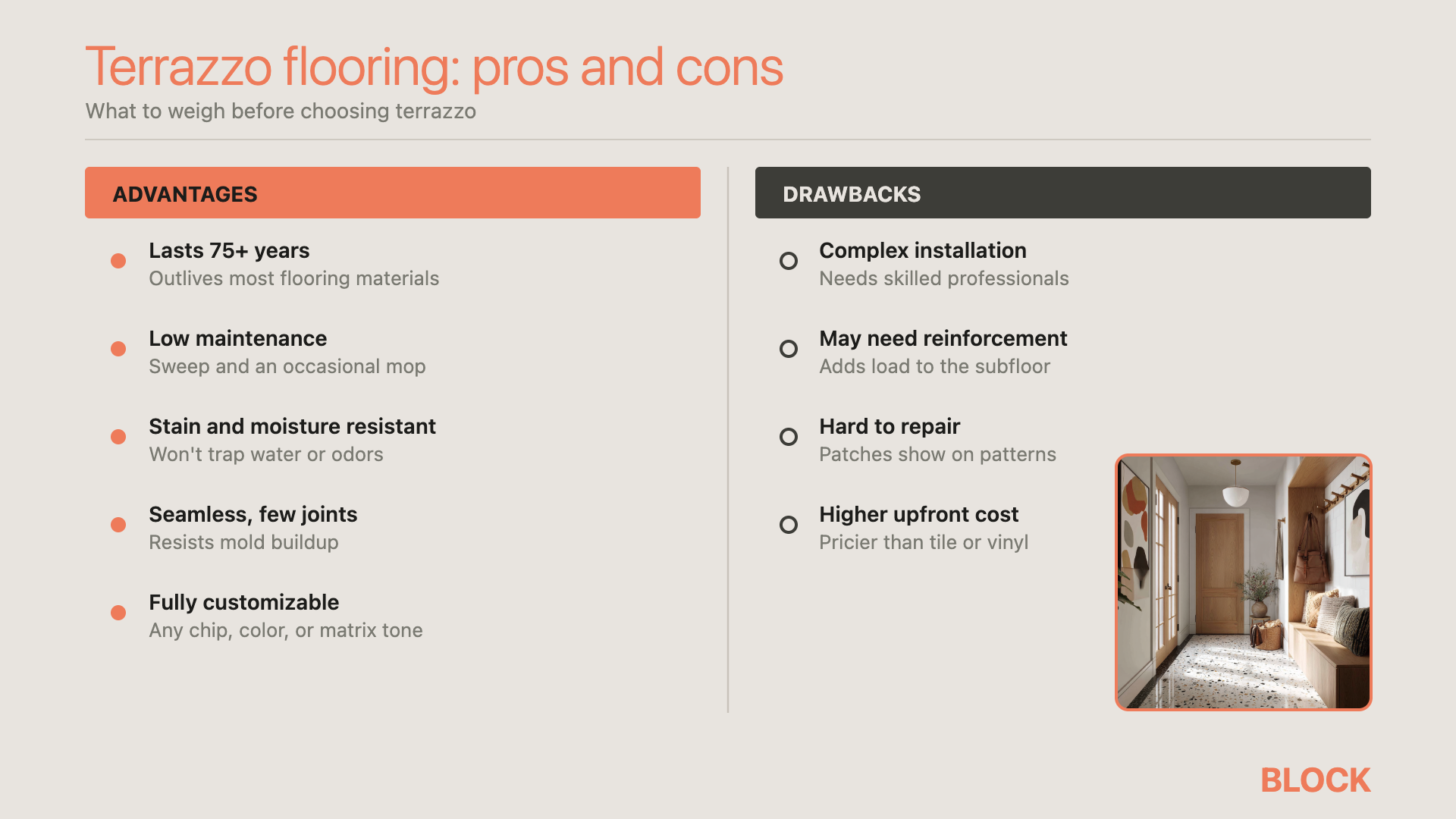
Terrazzo turns heads for its looks, but it truly shines in everyday life. Knowing the practical pros and cons will help you decide if it’s the right fit for your project:
Terrazzo is highly durable. In turn, these tiles are one of the best options for high-traffic areas such as entryways, kitchens, and commercial corridors. Its solid composition resists chips, cracks, and everyday wear, so floors retain their beauty even under constant use. It can even last over 75 years.
When properly installed and sealed, terrazzo flooring is extremely low maintenance and considered very hygienic. It only requires regular sweeping and occasional mopping to look its best. Its hard, polished surface resists stains from food, drinks, or tracked-in dirt, so you won’t spend weekends endlessly scrubbing. Plus, fewer joints mean less opportunity for mold, bacteria, or grime to accumulate, making terrazzo a smart choice for families or allergy sufferers.
The installation process is complex. Terrazzo flooring is far from being DIY-friendly, as it requires a skilled crew for proper substrate preparation, mixing, pouring, grinding, and polishing. Mistakes can lead to cracks, an uneven surface, or visible seams.
Its weight and thickness may not work for every renovation, particularly on upper stories or over unstable subfloors. Consult a professional to determine if reinforcement or subfloor improvements are necessary before installing terrazzo.
Although terrazzo can be repaired, it’s often difficult to achieve a seamless patch. This is especially with intricate patterns or rare aggregates. Color-matching old mixes can be tricky, so keep leftover material from your original installation for potential touch-ups.
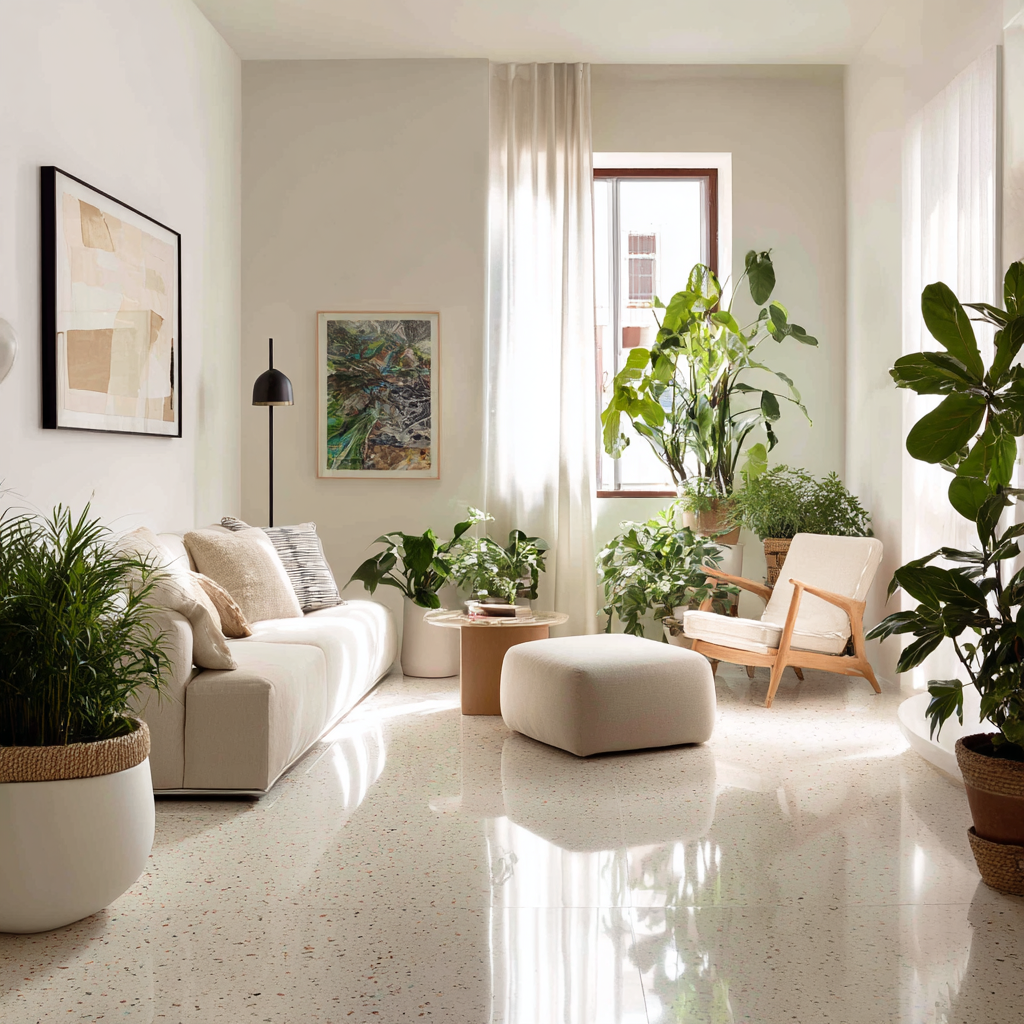
Modern terrazzo flooring is about balance, contrast, and context. Here’s how to make it work in today’s homes:
Choose large-format terrazzo tiles in neutral tones for a clean, minimalist palette. For those who love contemporary interiors, oversized tiles in whites, greys, or soft pastels offer a sleek and seamless look. The subtlety of the color lets the material’s natural texture take center stage while supporting a calming, uncluttered vibe. Complement this look with matte black metals, light woods, and minimal décor.
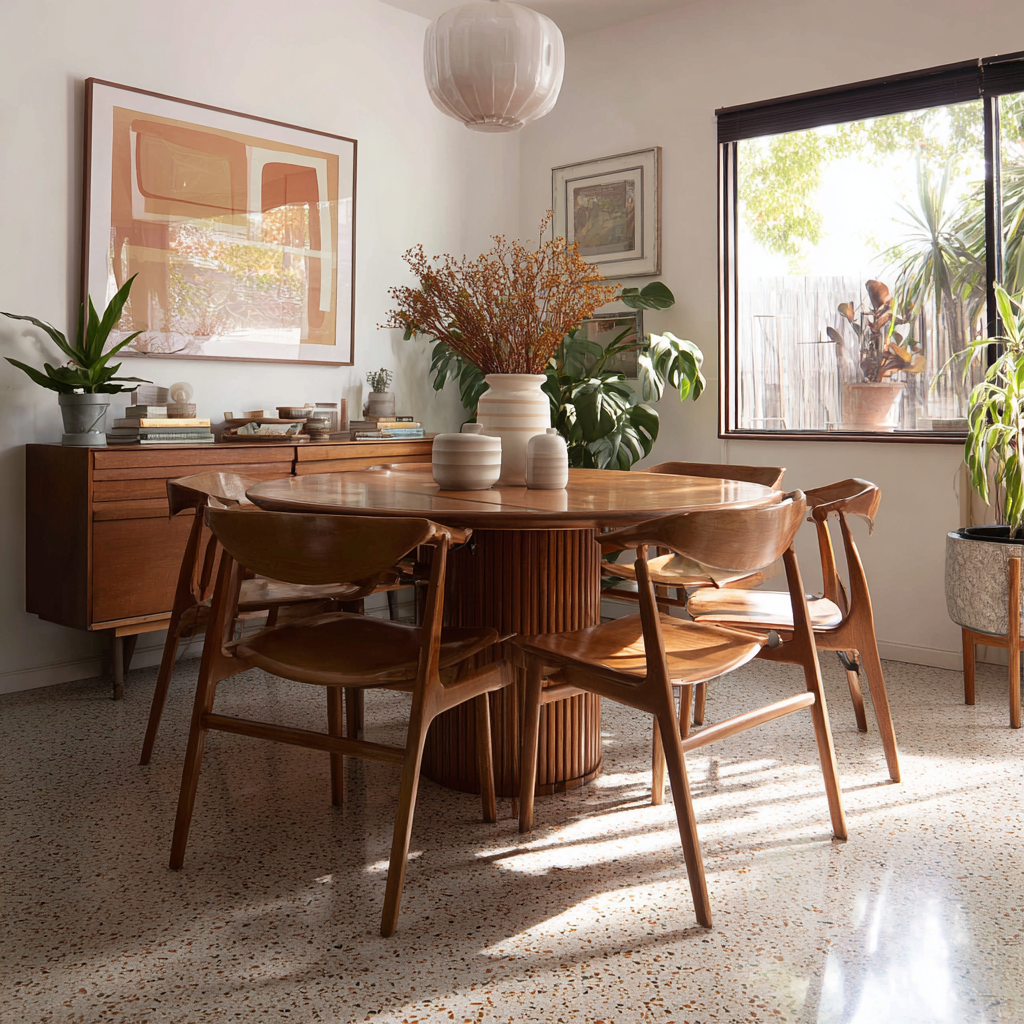
Embrace color and contrast for a playful, graphic statement—especially in kitchens, bathrooms, or entryways. Terrazzo is a stellar way to add visual intrigue with pops of vibrant color or chunky, oversized chips. Use accent walls, colored cabinetry, or bold art to echo shades in your terrazzo, tying the room together. This approach is perfect for those who want their space to look as joyful and unique as they are.
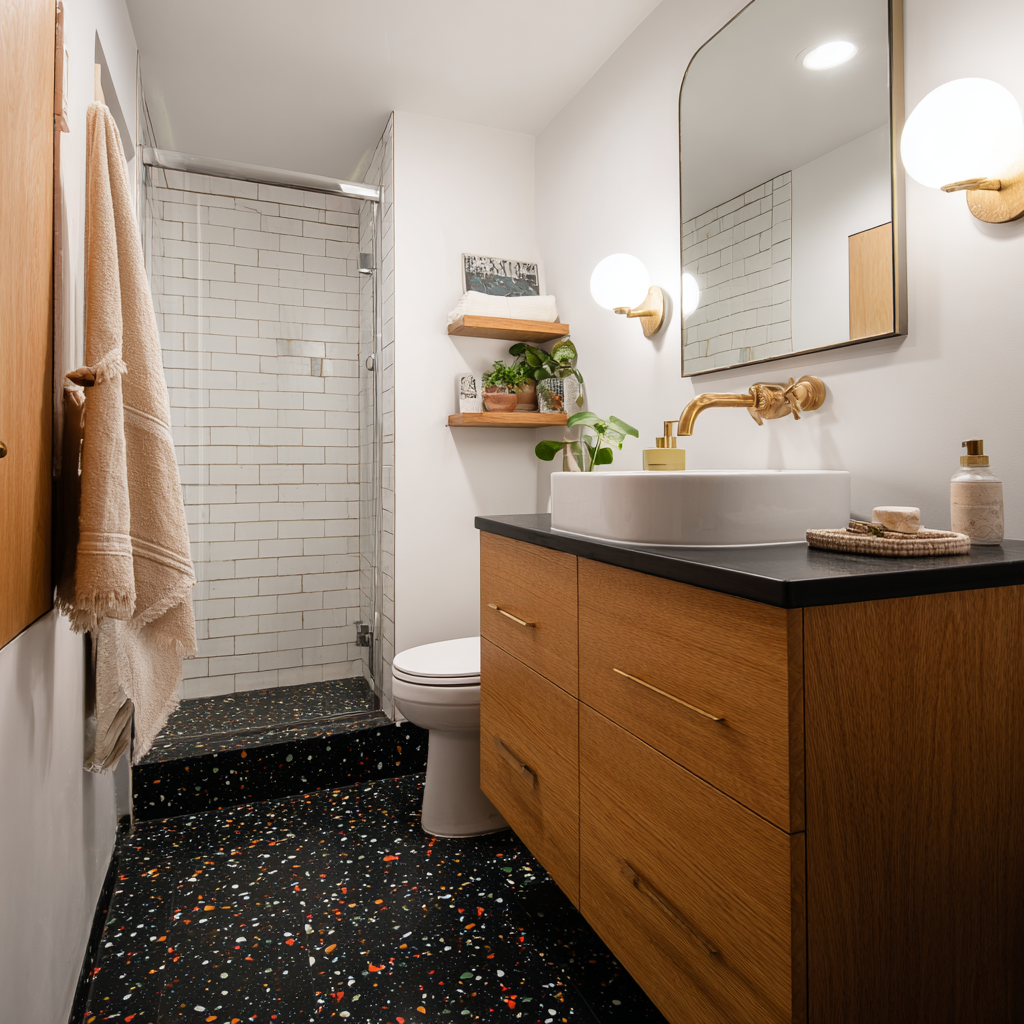
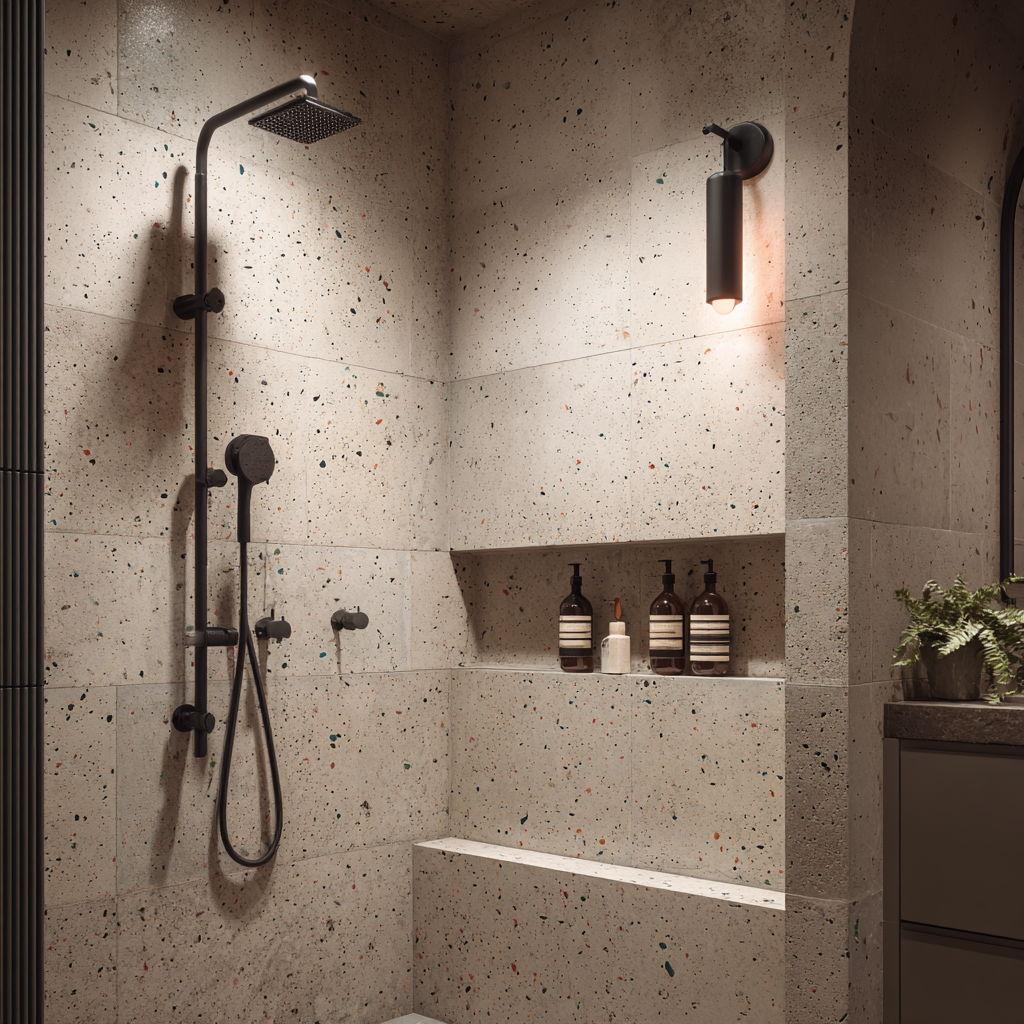
Use terrazzo as a feature wall, shower base, or vanity top for subtle luxury. Incorporating terrazzo in unexpected places—such as a statement vanity backsplash or shower ledge—infuses everyday moments with spa-like sophistication. Keep the rest of the palette simple for maximum visual impact, and choose terrazzo with gold or brass flecks for an upscale touch.
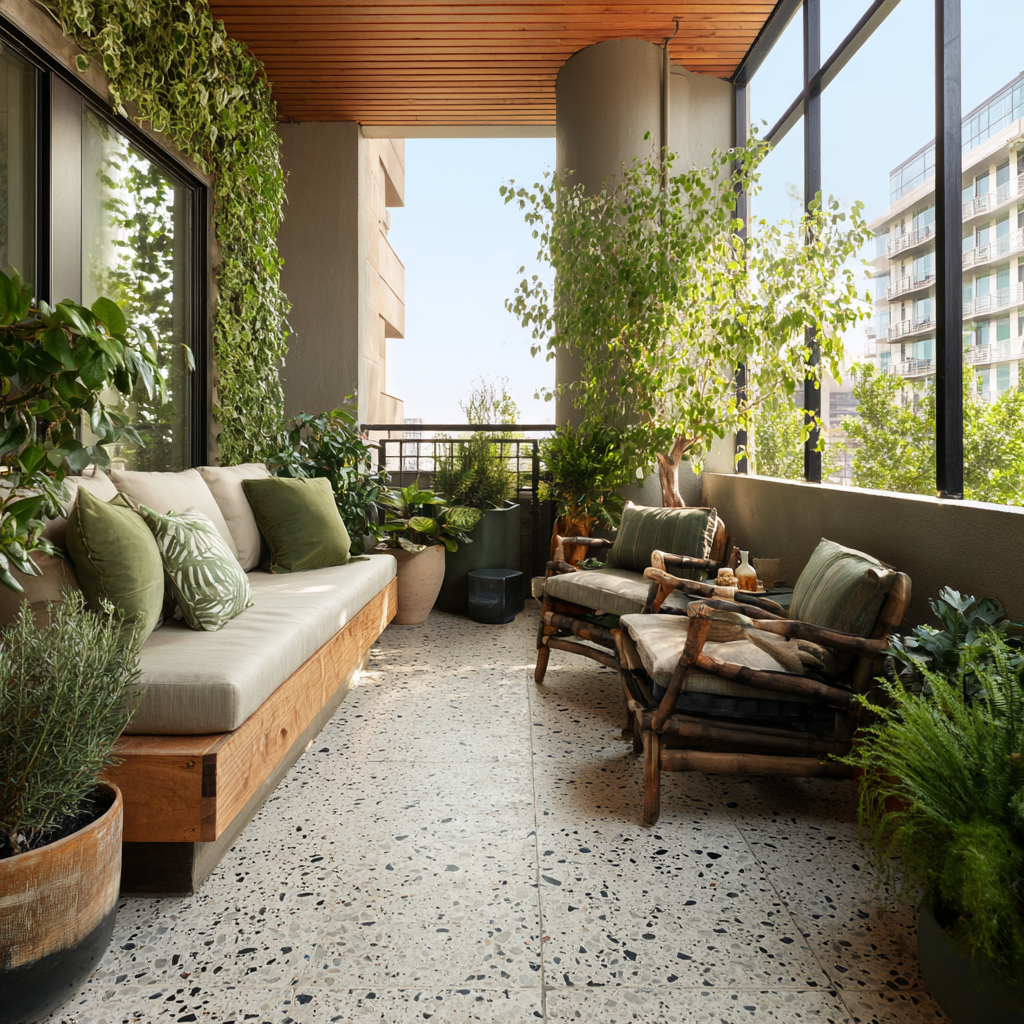
Pair terrazzo with natural wood and greenery for a Scandinavian-inspired aesthetic. Light-toned terrazzo floors work as a neutral canvas, beautifully offsetting the warmth of oak cabinetry or floating vanities. Add potted plants and tactile fabrics to round out the look, promoting both calm and connection to nature.
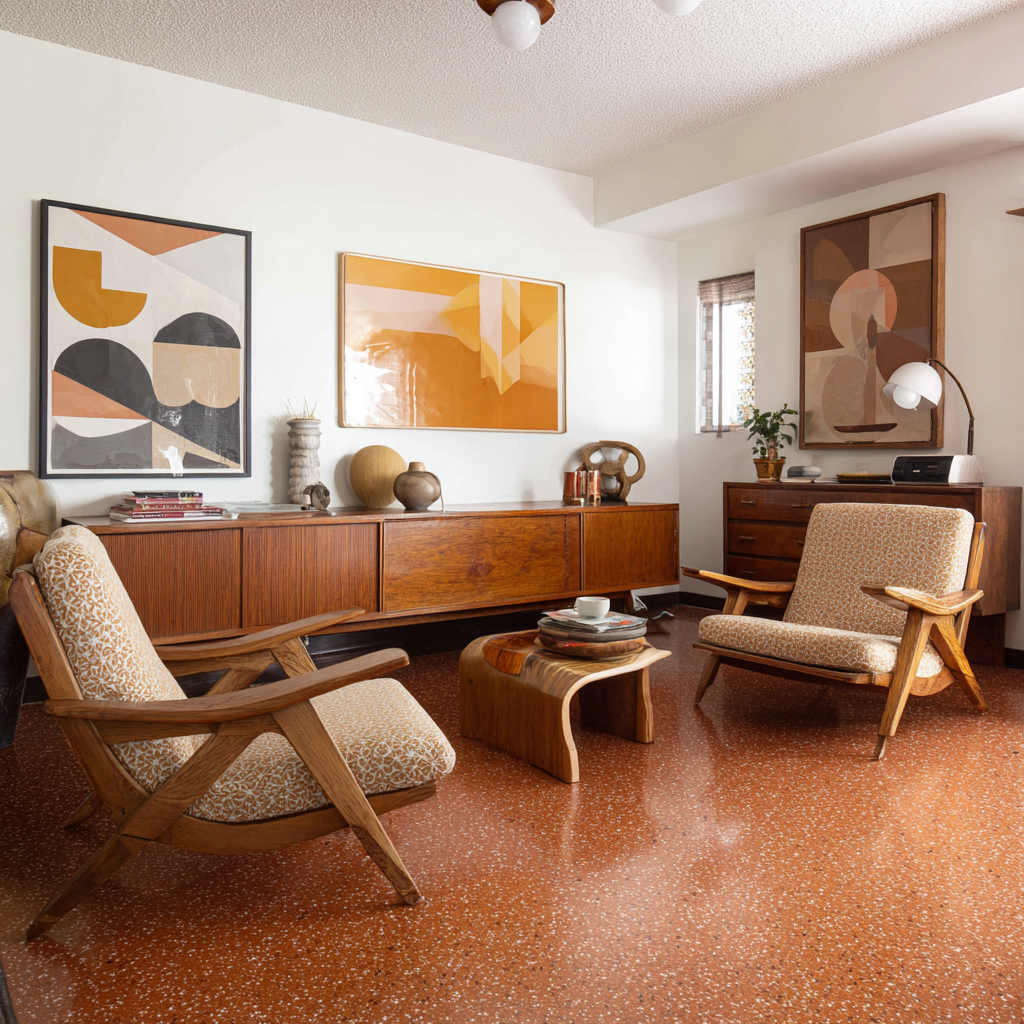
Mid-century modern design and terrazzo make a perfect pairing, bringing retro charm and sophistication into any space. By leveraging terrazzo’s innate design flexibility and nostalgia-inducing colorways, you can reimagine your home with a nod to an iconic era while fully embracing contemporary comforts.
Select terrazzo with mid-century palettes for instant authenticity. Opt for tiles featuring soft earth tones, avocado greens, blush pinks, or gold-flecked neutrals, all staples of the mid-century era. These colors provide a subtle vintage vibe without overwhelming the senses, delivering balanced warmth.
Pair seamless terrazzo tiles with classic mid-century materials and shapes. Combine terrazzo floors with walnut or teak cabinetry, brass or chrome hardware, and geometric or hairpin-leg furniture for a cohesive look. The smooth surface of terrazzo contrasts beautifully with textured woods and metallics, allowing both elements to shine without competition. Rounded or organic shapes, as seen on credenzas or accent chairs, further enhance the mid-century mood.
Use terrazzo as a focal point for graphic pattern and visual movement. Choose terrazzo tiles with bold or oversized chips, or patterns that incorporate geometric designs for maximum visual impact. In an entryway or bathroom, this creates an artful, statement-making floor that recalls vintage hotel lobbies and stylish Palm Springs homes.
Mix terrazzo with vintage décor pieces and iconic lighting. Terrazzo’s retro appeal is amplified when surrounded by Eames chairs, globe pendant lights, and vintage art prints. The interplay of old and new gives your space both authenticity and energy, making it feel both curated and inviting. This approach helps terrazzo bridge generations—offering a modern take on nostalgic style.
Extend terrazzo beyond the floor onto furniture or accent details. Incorporate terrazzo finishes on tabletops, window sills, or shelves for subtle thematic unity across your living spaces. These decorative touches recapture mid-century design’s love for creative material usage while keeping the space light and uncluttered.
Terrazzo’s resilience, moisture resistance, and bold aesthetic make it an exceptional choice for both everyday living spaces and demanding commercial environments. Here’s where terrazzo really shines in the home, and why:
Bathrooms: Terrazzo’s nonporous surface resists moisture, staining, and mold, making it perfect for wet environments like bathrooms. Its seamless look also makes even small powder rooms feel cohesive and upscale, while textured or matte finishes provide reliable slip resistance around the tub or shower.
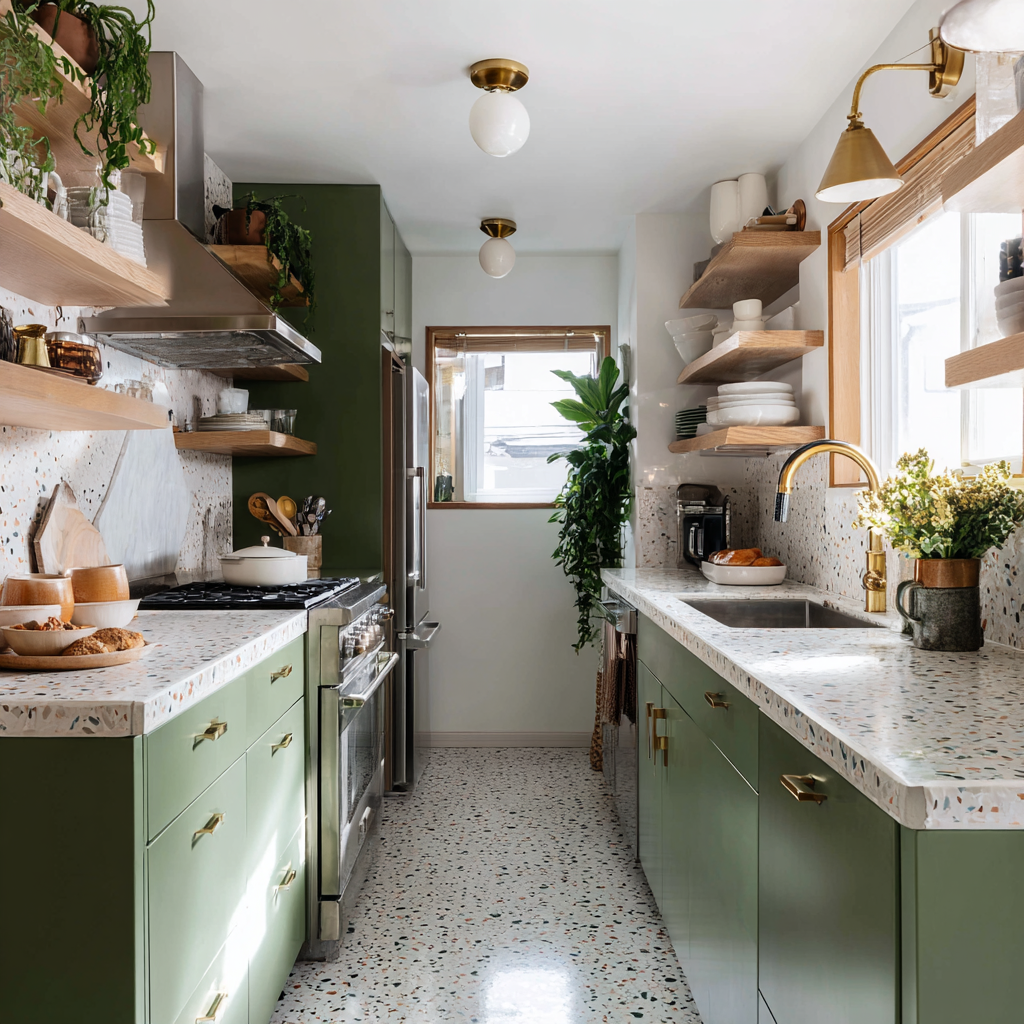
Kitchens: The kitchen is often subject to spills, dropped pans, and heavy foot traffic. Terrazzo flooring stands up to it all, thanks to its hard-wearing surface and stain resistance, giving you a beautiful floor that’s also easy to clean after cooking or entertaining.
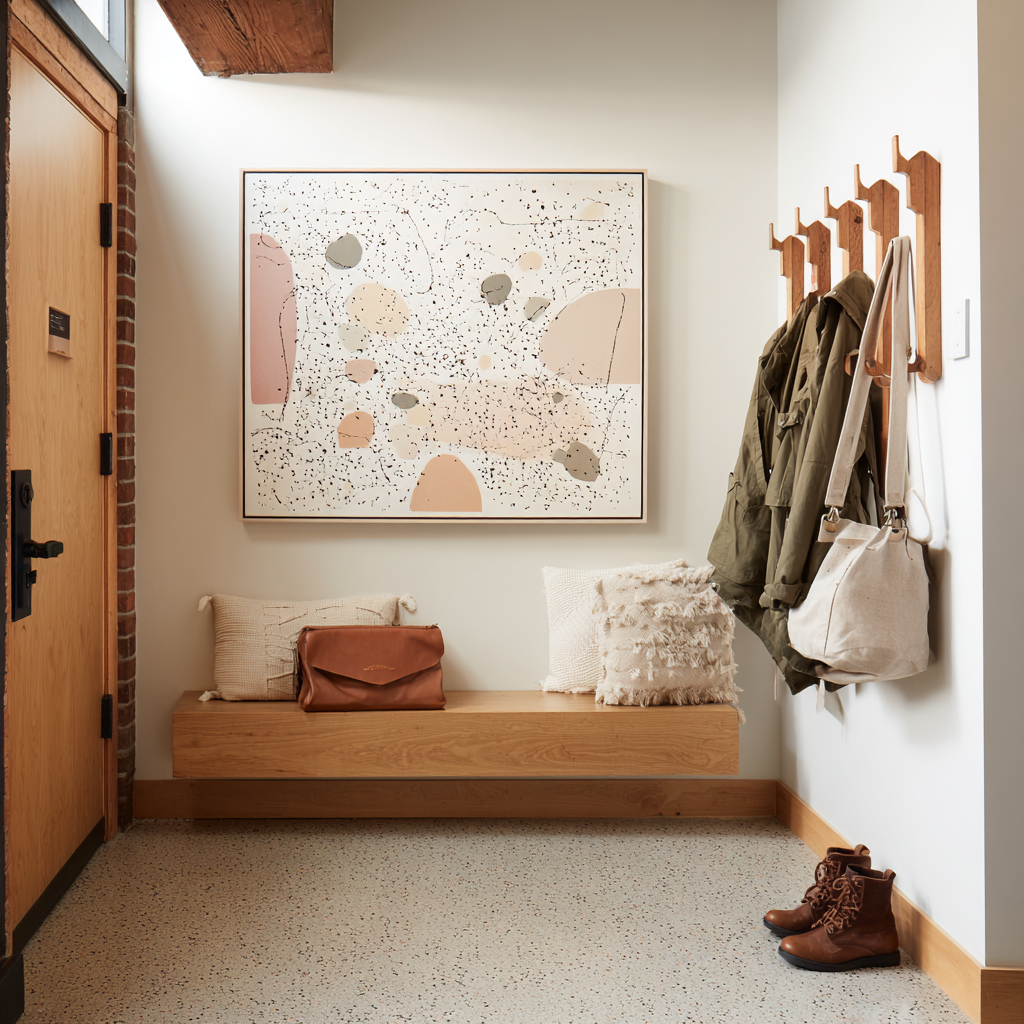
Entryways and Mudrooms: These areas take the brunt of dirt, grit, wet shoes, and pet paws. Terrazzo’s robustness means it can be quickly swept or mopped and hardly ever shows wear, making your first impression both stylish and practical.
Laundry Rooms: With its water resistance and easy-clean finish, terrazzo transforms laundry areas from utilitarian to inviting—no worrying about detergent stains or damp, humid conditions.
Basements: Terrazzo is an excellent choice for basement flooring because its nonporous, water-resistant surface holds up well to humidity and potential leaks, far outperforming materials like wood or carpet. It’s easy to clean, resists mold and mildew, and its reflective finish helps brighten typically dark spaces. With customizable colors and patterns, it's a great way to infuse smaller basements with personality without adding clutter.
Commercial environments benefit just as much, if not more, from terrazzo’s performance and style:
Restaurants: With constant spills, dropped utensils, and heavy cleaning regimens, restaurant floors need to handle it all—terrazzo’s seamless finish won’t trap food or dirt, making it both sanitary and effortlessly stylish. For more ideas, read our guide to restaurant flooring options.
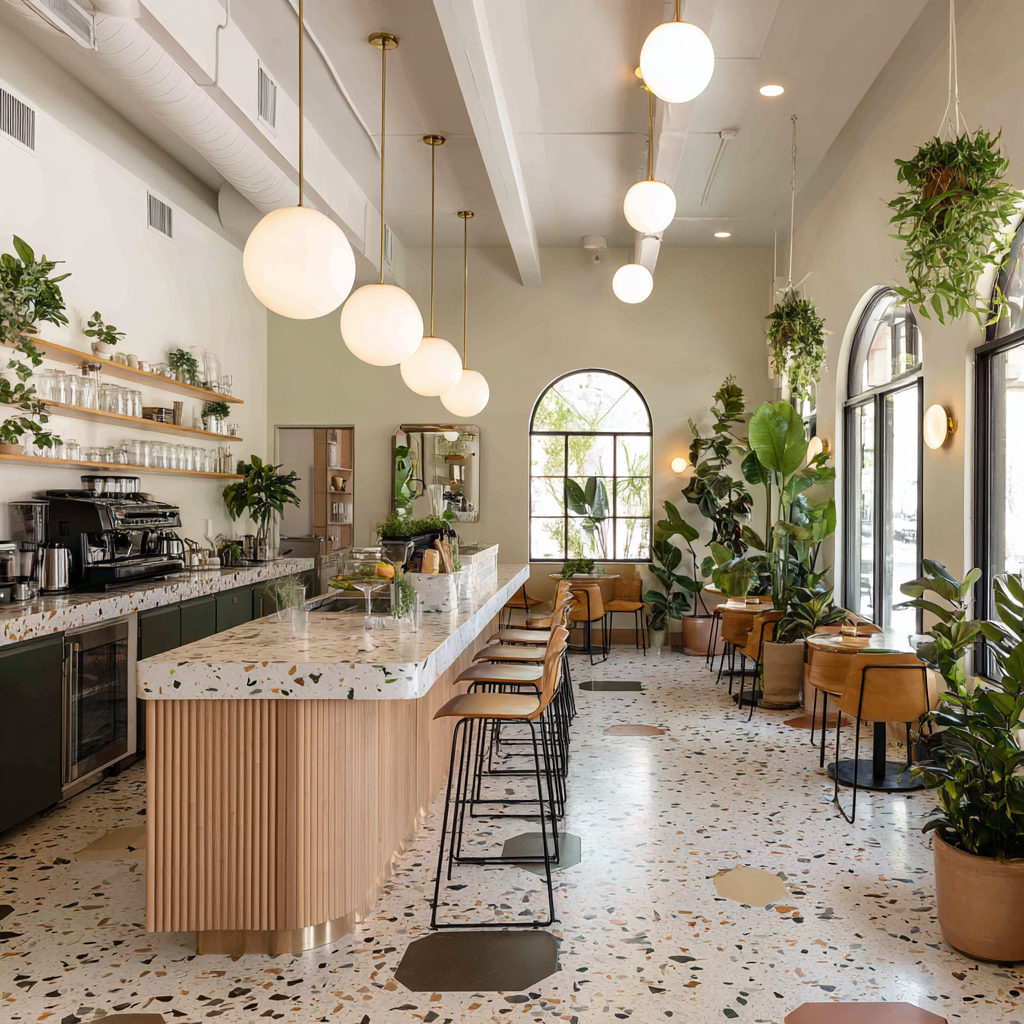
Retail Stores: High customer traffic and frequent rearrangement of displays can quickly wear down ordinary floors. Terrazzo’s extreme durability and endless design potential give retail spaces both a striking visual identity and a surface built to last for years. Check out our guide to retail flooring for more inspiration.
With Block Renovation, transforming your space with terrazzo—or any upgrade you dream of—is as seamless as the flooring itself. Our Renovation Studio tool lets you visualize terrazzo floor tiles and other materials in real time, experiment with layouts, and nail down the perfect aesthetic before a single tool comes out.
We connect you to vetted, experienced contractors well-versed in complex installations like terrazzo so you get flawless results. And with Block Protections, your project benefits from clear pricing, project management, and quality assurance every step of the way—turning big renovations into a truly stress-free experience.
Remodel with confidence through Block

Connect to vetted local contractors
We only work with top-tier, thoroughly vetted contractors

Get expert guidance
Our project planners offer expert advice, scope review, and ongoing support as needed
Enjoy peace of mind throughout your renovation
Secure payment system puts you in control and protects your remodel


Renovate confidently with Block
Easily compare quotes from top quality contractors, and get peace of mind with warranty & price protections.
Flooring
Wood Floors in Bathrooms: Pros, Cons & Is It a Good Idea
07.14.2026
Flooring
Cheap Flooring: Best Budget Options and the Risks
07.04.2026

Flooring
Engineered Wood Flooring vs Laminate: Cost & Durability
07.02.2026
Flooring
Flooring Made in USA: Hardwood & Engineered Wood Brands
07.01.2026
Cost
Radiant Floor Heating Cost in 2026: Bathrooms & More
06.27.2026