



Commercial
Commercial Tenant Improvement Contractors Explained
07.27.2026
12.19.2025


In This Article
A great retail or showroom experience starts underfoot. The right flooring can help your retail store or showroom feel inviting and reflect your brand, all while meeting the everyday demands of heavy traffic, frequent cleaning, and long hours on the move.
When you invest in new floors, keep three priorities in focus: safety (slip resistance and stability), strength (long-term durability), and a vibe that supports your experience—whether that’s warm, edgy, classic, or bold.
Porcelain tile is a dense, hard-wearing surface that delivers reliable performance in high-traffic environments. Its wide range of styles and resistance to water and staining make it a favorite for busy stores and entryways. Professional installation runs from $10–$30 per square foot.
Pros:
Extremely durable—great for rolling carts, heavy displays, and lots of foot traffic.
Water-resistant and easy to keep clean.
Vast design range to suit any retail aesthetic.
Cons:
Hard, cold underfoot compared to softer materials.
Grout requires regular maintenance to prevent staining.
LVT gives you the best of both worlds: the appearance of wood or stone and the resilience shoppers and staff demand. Commercial-grade LVT holds up in high-traffic spaces and suits budgets ranging from $6–$15 per square foot.
Pros:
Resilient to scratches, dents, and moisture.
Comfortable underfoot, with a quieter step.
Wide variety of styles and quick installation.
Simple and often quick to install, with options for easy replacement of damaged sections.
Can mimic the look of wood, stone, or tile at a lower price.
Cons:
Lower-budget products may wear out more quickly.
Can fade if exposed to direct sunlight over time.
Sheet vinyl features a seamless, wipe-clean surface that works especially well in large, open retail layouts or spaces prone to spills. Costs typically range from $5–$12 per square foot installed.
Pros:
Waterproof and simple to disinfect—great for grocery or convenience stores.
Softer underfoot than stone or tile, helpful for longer shifts.
Available in a wide range of colors, patterns, and finishes to suit any style.
Cost-effective for covering large retail stores and showrooms.
Cons:
Repairs are tricky if the material is significantly damaged.
Limited style options compared to tile or plank.
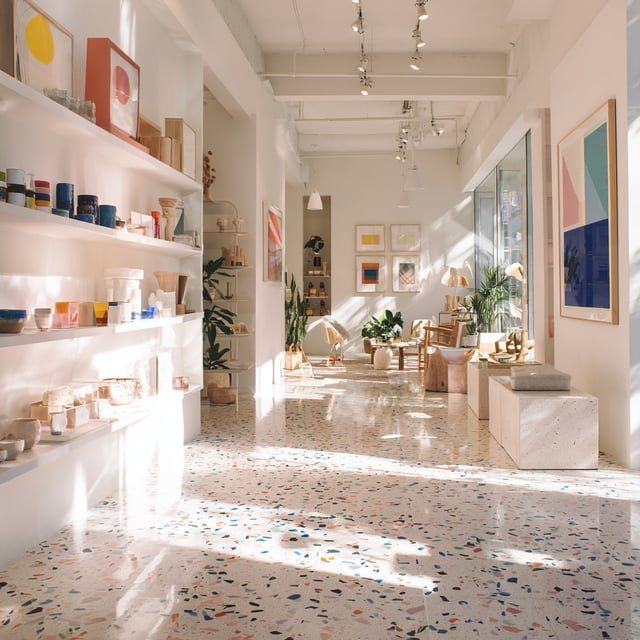
Polished concrete offers an industrial-chic look and unmatched strength, ideal for open showrooms, contemporary stores, or spaces that need a modern edge. Installation often runs $8–$16 per square foot, depending on finish.
Pros:
Extremely durable; stands up to heavy equipment and constant traffic.
Low maintenance after sealing; dust and dirt are easy to sweep away.
Reflects light, adding brightness to your space.
Cons:
Feels hard and cold without rugs or mats.
With an aesthetically industrial slant, it has limited versatility
Can get slippery if not treated for grip.
Natural stone floors—like slate or granite—are high-impact, luxurious, and built for longevity. These unique surfaces bring drama to upscale shops or dramatic entrances, with costs from $20–$40+ per square foot installed.
Pros:
Unique, upscale appearance and lasting durability.
Ages beautifully when properly cared for.
Extremely durable and stands up to heavy foot traffic over many years.
Cons:
Needs sealing and professional maintenance over time.
Can get slippery or chip if mishandled.
One of the most expensive floor options for a retail store or showroom.
Epoxy floors are poured on for a smooth, seamless look and stand up to impacts, spills, and heavy rolling loads. This option costs around $8–$12 per square foot and brings a modern, customizable feeling.
Pros:
Impervious to water, chemicals, and cleaning scrubs.
Exceptionally durable, handling heavy equipment, rolling carts, and constant traffic with ease.
Can be customized with colors, patterns, and embedded safety textures.
Reflects light well, brightening up interior spaces and enhancing visibility.
Cons:
Professional installation is essential; repairs are not DIY-friendly.
Can be slick when wet unless treated with slip resistance.
Engineered hardwood layers real wood over a stable core, offering the beauty of hardwood with better resilience in busy "front-of-house" retail settings. Pricing is typically $12–$20 per square foot installed.
Pros:
Offers warmth and an inviting, genuine wood look.
More resistant to humidity changes than traditional hardwood.
Visually versatile, able to accommodate a wide range of retail stores.
Cons:
Prone to scratches and stains if not kept up.
Not waterproof—spills must be cleaned quickly to avoid damage.
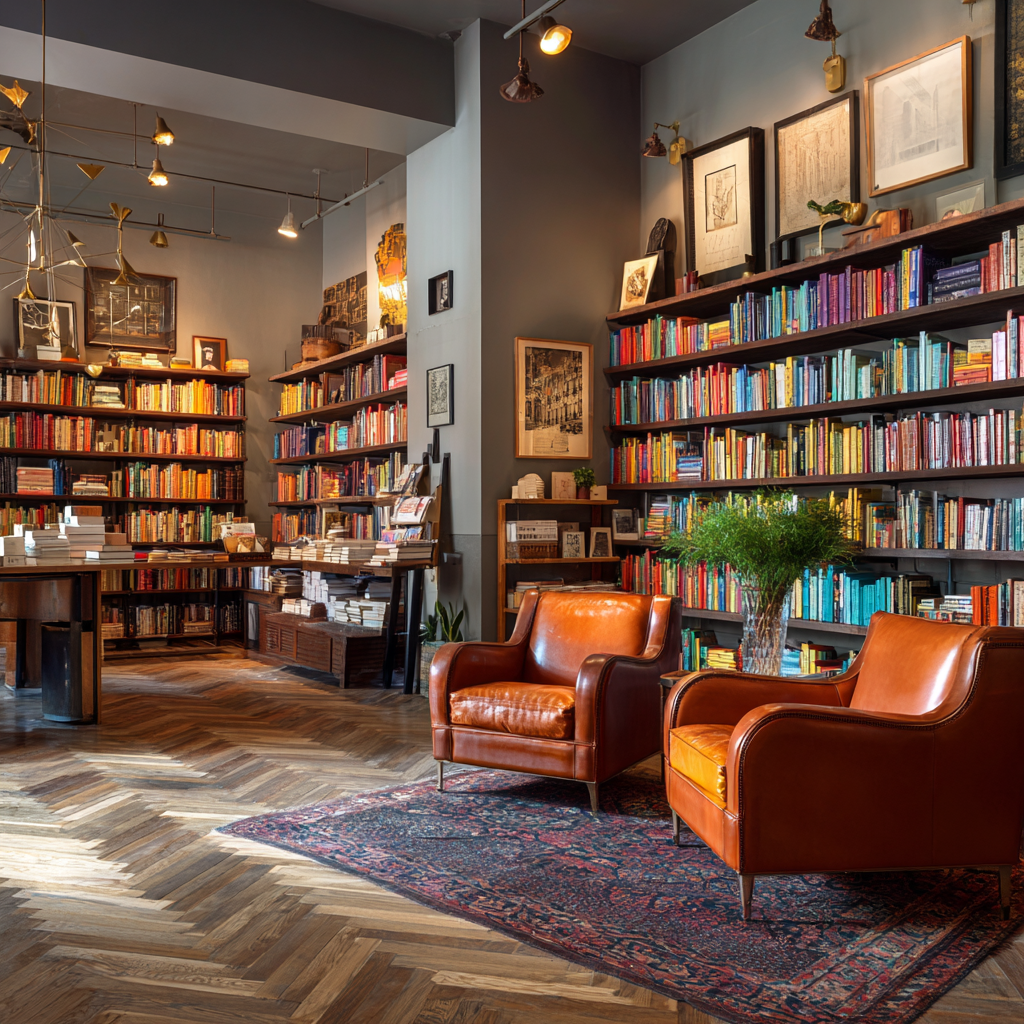
Laminate is made of tough composites that mimic wood or stone, but with a more budget-friendly price—usually $4–$10 per square foot installed. It’s best for medium-traffic spaces or boutique settings.
Pros:
Good resistance to scuffs and fading.
Affordable option with a clean, modern look.
Cons:
Moisture can cause swelling—keep away from doorways or wet zones.
Can appear cheaper, especially when not properly maintained
Shorter lifespan than other commercial flooring solutions.
Rubber flooring is shock-absorbent, slip-resistant, and ideal for back-of-house areas, gyms, grocery stores, and spots where employees stand all day. Expect costs from $9–$15 per square foot installed.
Pros:
Cushioned and quiet underfoot, making long shifts easier.
Naturally slip-resistant and easy to clean.
Cons:
Fewer style options, often looks utilitarian.
Can occasionally develop an odor when new.
Solid hardwood: Looks beautiful, but is easily scratched by shoes and moving displays. It’s also sensitive to moisture and stains, so it’s not well suited to busy commercial settings.
Residential carpet: Designed for lighter use, it quickly wears down and traps dirt and spills. Frequent deep cleans can’t make up for its lack of durability in demanding spaces.
Ceramic tile (non-commercial grade): These tiles chip, crack, or loosen more easily than commercial-grade porcelain. Once broken, they pose a safety hazard and make maintenance a headache.
Cork: Although soft, cork flooring can dent under heavy weights and absorbs spills easily. It simply can't handle the constant pressure and messes common in retail spaces.
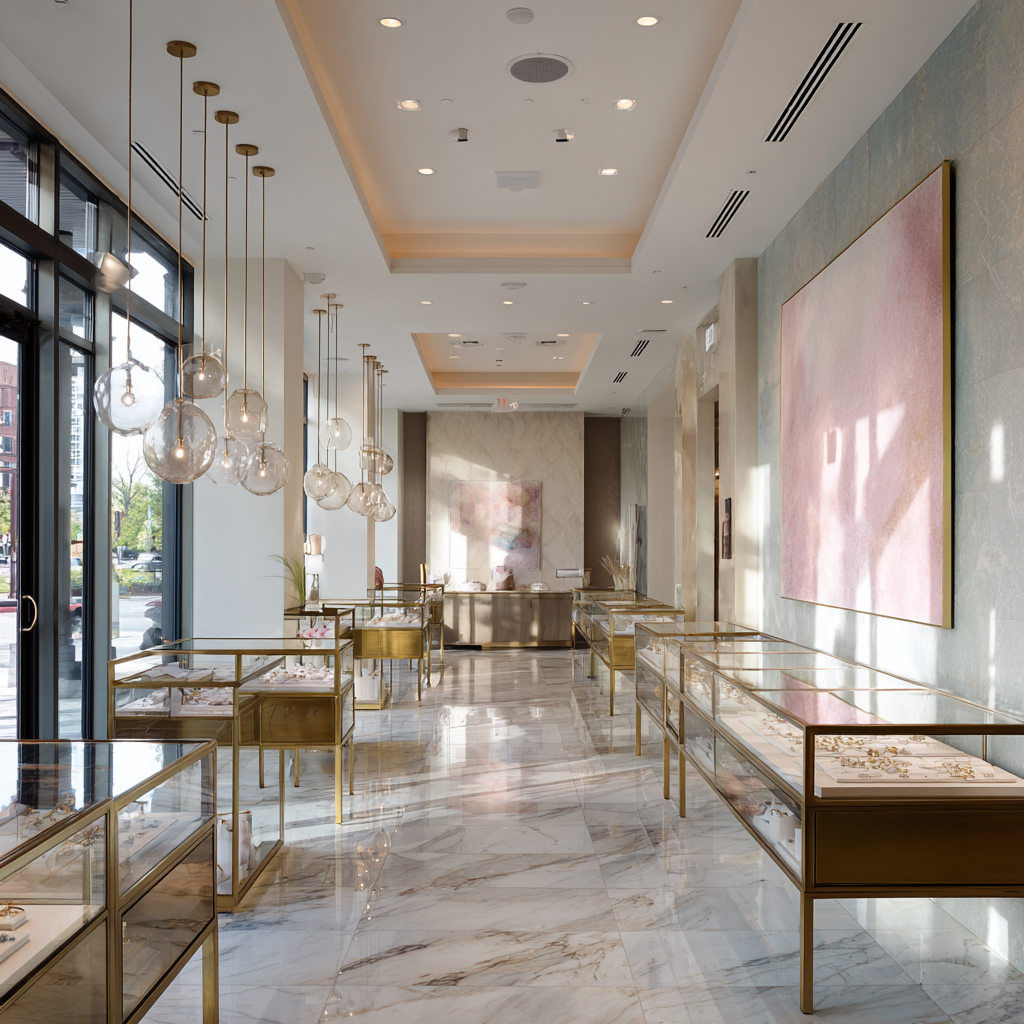
Flooring does more than handle foot traffic—it anchors your store’s visual identity and influences how customers experience your space. Matching your floors to your branding and interior design helps create a welcoming, cohesive atmosphere that feels intentional from the ground up.
Practical tips for aligning your flooring with your store’s look:
Consider the mood you want to set—warm wood tones bring coziness, while polished concrete or epoxy delivers a sleek, modern vibe.
Coordinate colors and patterns with your walls, fixtures, and merchandise for a consistent feel.
Use textured or patterned flooring to create visual interest, wayfinding paths, or distinct zones within your space.
Choose materials and finishes that support your lighting strategy—glossy floors reflect light, while matte finishes absorb it for a softer look.
Think about durability and maintenance needs so your aesthetic stays sharp through every season and busy day.
Matching your flooring to your store’s design vision helps your brand shine and sets the tone for every customer who walks through the door. For more tips, read our guide to Remodeling Solutions for Independent Retailers.
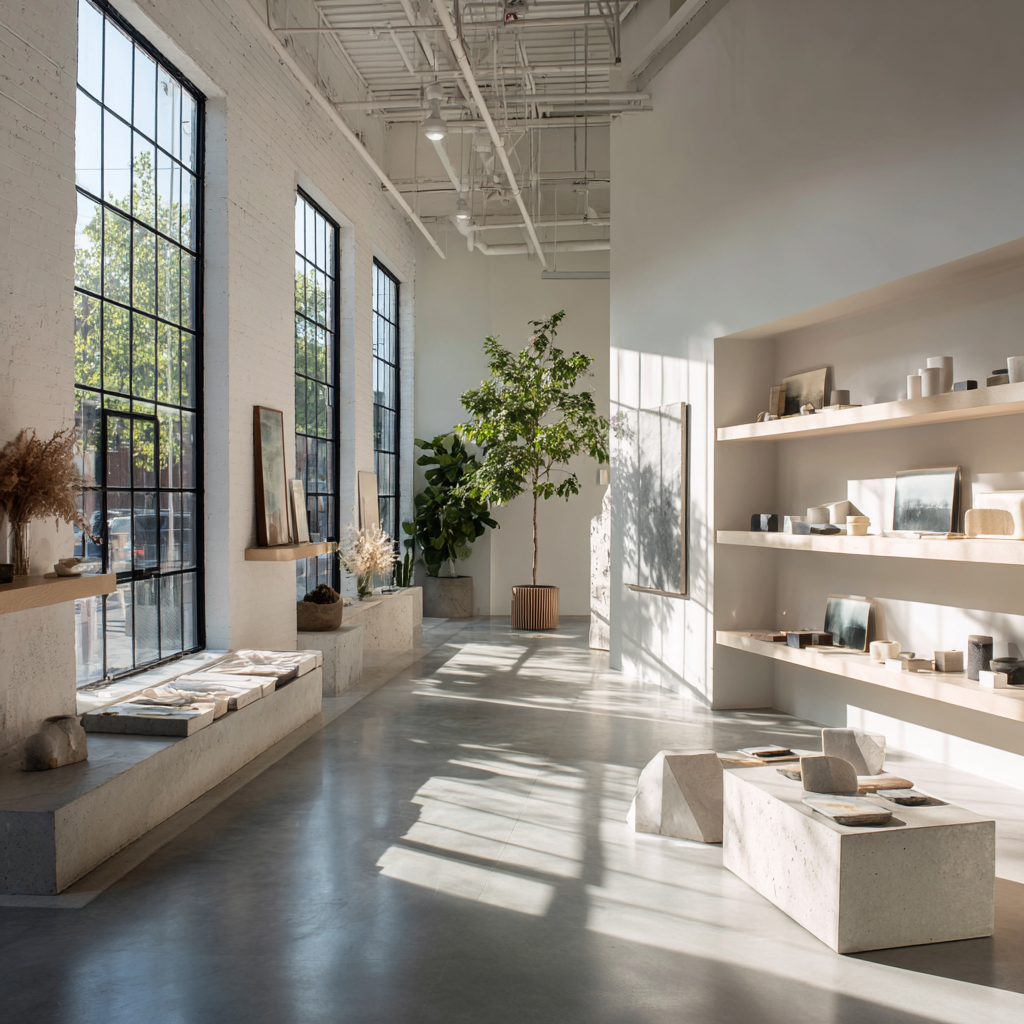
No matter the material, the success of your flooring project depends on expert planning and installation. A reliable contractor assesses your needs, recommends the right materials, and handles challenges with care. With Block Renovation, you’ll find contractors skilled in commercial flooring who focus on every detail—so your store or showroom isn’t just ready to open, but ready to welcome customers with confidence.
Build your business with confidence

Renovate confidently with Block
Easily compare quotes from top quality contractors, and get peace of mind with warranty & price protections.
Commercial
Commercial Tenant Improvement Contractors Explained
07.27.2026

Working with Contractors
Is a Property Renovation Company Worth the Cost?
06.24.2026

Commercial
Commercial Remodeling in San Diego by Neighborhood | Block Renovation
04.27.2026
Commercial
Commercial Remodeling and Buildouts in Dallas-Fort Worth | Block Renovation
04.24.2026
Commercial
2026 Restaurant Design: 11 Trends Defining the Industry
04.24.2026