




Flooring
Top Rated Luxury Vinyl Tile Brands Worth Sampling
09.11.2026
02.11.2026


In This Article
Gray walls offer a foundation that’s equal parts subtle and stylish. Their popularity comes from their flexibility: gray can be soft or bold, warm or cool, and it adapts effortlessly to evolving trends. But as anyone who’s stood in a flooring showroom can tell you, pairing gray walls with the perfect floor isn’t as simple as picking a favorite swatch. The right choice can open up a room, tie together furniture, and make every detail feel intentional. The wrong one? It can throw off the entire space.
Before diving into flooring choices, it helps to get a clear sense of your gray’s personality: some lean warm, with hints of taupe, beige, or even subtle pink and brown undertones, while others skew cool, showing touches of blue, green, or even violet.
If your walls are a warm gray, you’ll often find they play nicely with wood floors that have honey, oak, or reddish tones, as well as carpets or tiles with beige or earthy casts. Pairing warm tones together creates a cozy, inviting sense of harmony.
On the other hand, cool grays sing best alongside flooring with cooler base notes—like pale maple, ashy or driftwood-inspired planks, or even soft blue-leaning carpets. This approach results in a crisp, balanced look that feels fresh and airy.
If you’re after visual contrast, you can intentionally mix cool gray walls with warm flooring, or vice versa, to set off certain features or zones in your home. The key is to decide whether you want your space to feel unified and serene or energized by subtle tension—and let the undertones serve as your guide.
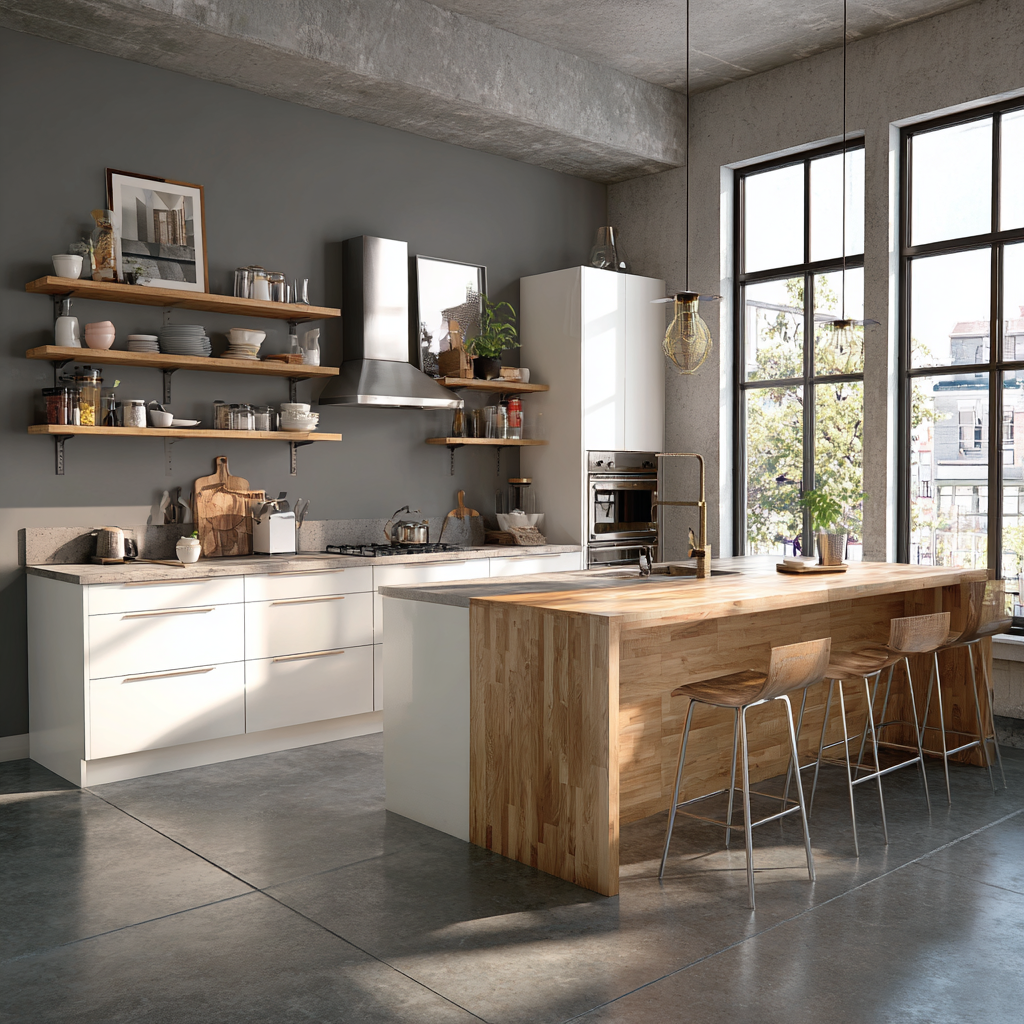
Pairing gray walls with light wood floors like white oak, ash, or pale maple creates a sense of brightness and calm. This combination thrives in Scandinavian-inspired living rooms, smaller bedrooms that could use a visual lift, or any area where your goal is to make the space feel peaceful and inviting.
Certain shades of gray work especially well here. Light or medium grays with soft, true undertones—or gentle greiges—let the natural tones in your flooring feel fresh instead of washed out. If your walls skew cooler (think blue or green undertones), a pale wood with a hint of beige can help soften things and prevent the room from feeling chilly.
Pairing gray walls with light wood flooring is well-suited for: Scandinavian-inspired spaces, cozy bedrooms, home offices, and any area you want to visually expand or keep airy and relaxed.
Design tips for combining gray walls with light wood flooring:
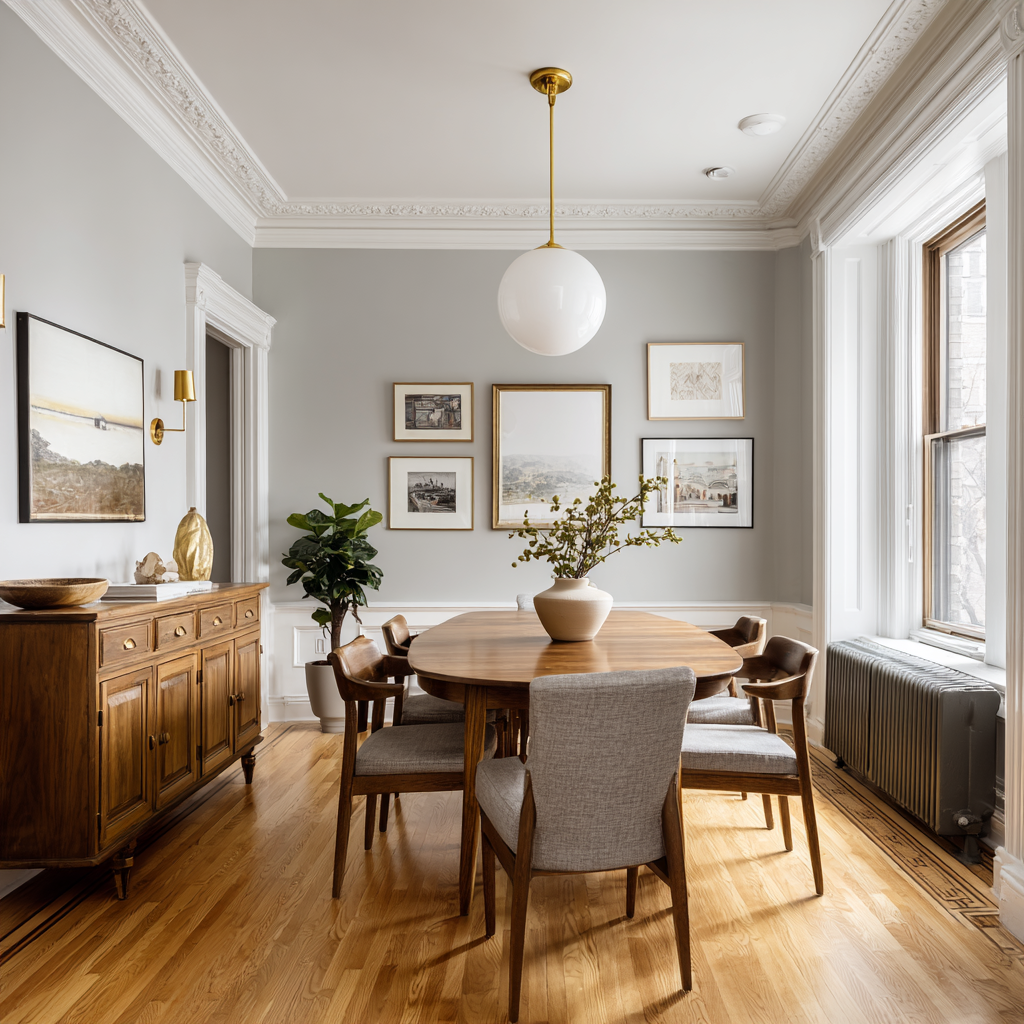
Medium wood tones like oak, hickory, or walnut strike the perfect balance when paired with gray walls. They bring comfort and a sense of tradition, helping gray never feel flat or cold. This combination shines in transitional or craftsman living spaces, homes with original millwork, or anywhere that mixed wood furnishings anchor the design.
With medium woods, mid-tone grays, soft charcoals, and versatile greiges work best for the wall color. These relate comfortably to the warmth of the wood, creating a cohesive story without tipping too stark or muddy.
Pairing gray walls with medium wood flooring is well-suited for: Transitional living and dining rooms, family spaces, and homes where you want an inviting, classic look that bridges furnishings and architectural details.
Design tips for combining gray walls with medium wood flooring:
.png?width=1024&height=1024&name=u5821215421_A_welcoming_family_room_with_medium_gray_walls_an_87e6d611-ba3b-4012-aebd-615b5e6276e9_0%20(1).png)
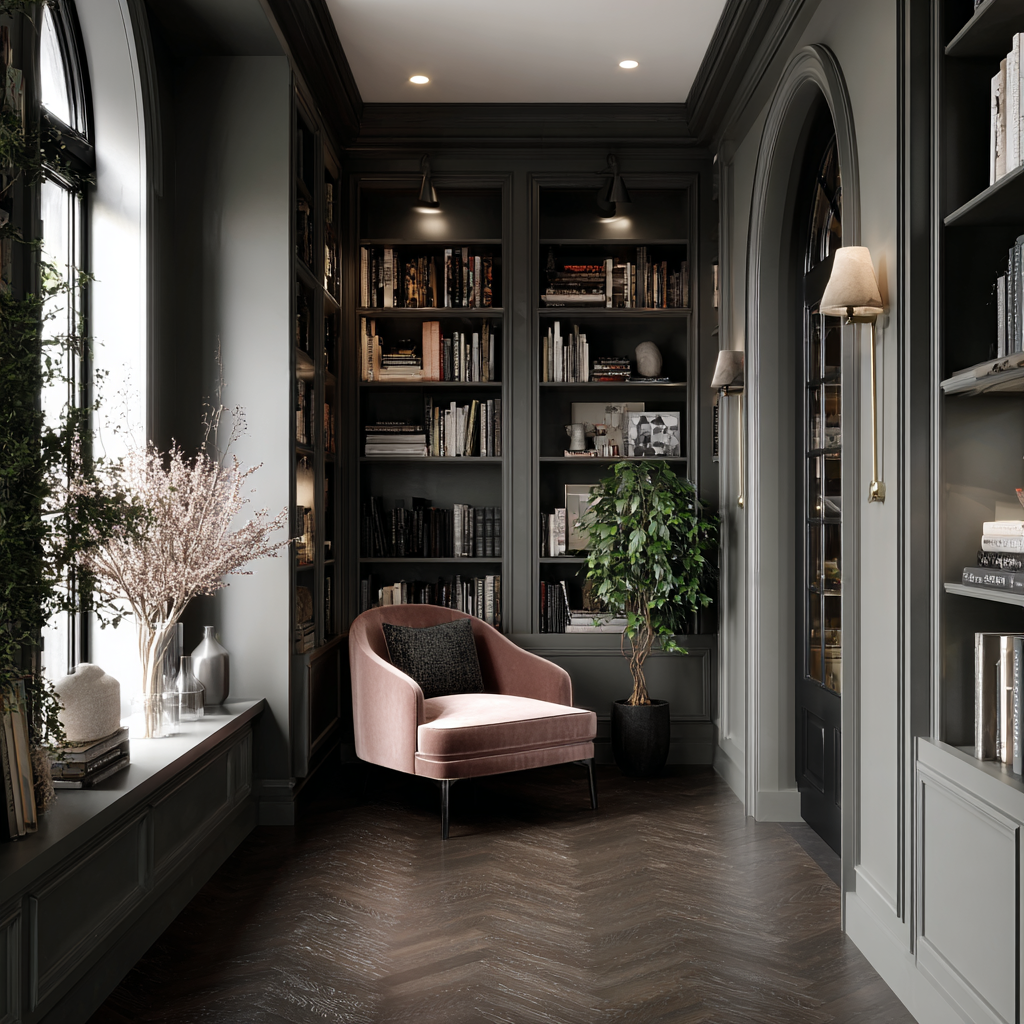
Espresso, deep walnut, and charcoal floors create drama and definition when matched with gray walls—an approach ideal for classic pre-war apartments, libraries, and formal dining rooms. The contrast can be striking, showcasing crisp trim and the bones of your room in memorable ways.
Light gray or silvery walls are the standout choice with dark flooring. They reflect available light, so even rich floors never feel too heavy. If you lean toward charcoal or deeper hues on the walls, pair them with plenty of white trim or ceiling color to maintain balance and vibrancy.
Pairing gray walls with dark wood flooring is well-suited for: Traditional parlors or studies, formal dining rooms, entryways, and any space where you want to set a crisp, sophisticated tone.
Design tips for combining gray walls with dark wood flooring:
Gray-washed and cool-gray wood floors were one of the defining looks of the 2010s, and plenty of homes still have them. However, the broad determination among various industry pros is that the demand has diminished. Julie Upton, a relocation specialist, explained it perfectly.

"One trend I see hurting resale value now is gray-washed flooring. It was everywhere a few years ago, but buyers have really moved away from that cool gray look. Today they tend to prefer warmer, more natural finishes like white oak or medium-toned wood."
Existing gray-washed floors don't have to come out. Still, refinishing solid hardwood to a warmer tone, with white oak and medium browns being the safer picks right now.
Carpet offers creative ways to add comfort—especially important for bedrooms, playrooms, and family rooms. Pairing gray walls with carpet flooring opens up possibilities in both color and feel. Neutral carpeting in taupe, mushroom, or warm grays is a timeless choice, working especially well alongside warm-leaning or greige grays on the wall.
For rooms craving coziness or a little more personality, try deep charcoals, muted navy, or soft, flecked textures. These ground mid-to-light gray rooms, making even large spaces feel more intimate and restful. Lighter carpets—creams, pearly silvers, or icy blue—are ideal for tranquil escapes and can make small or poorly lit rooms appear larger.
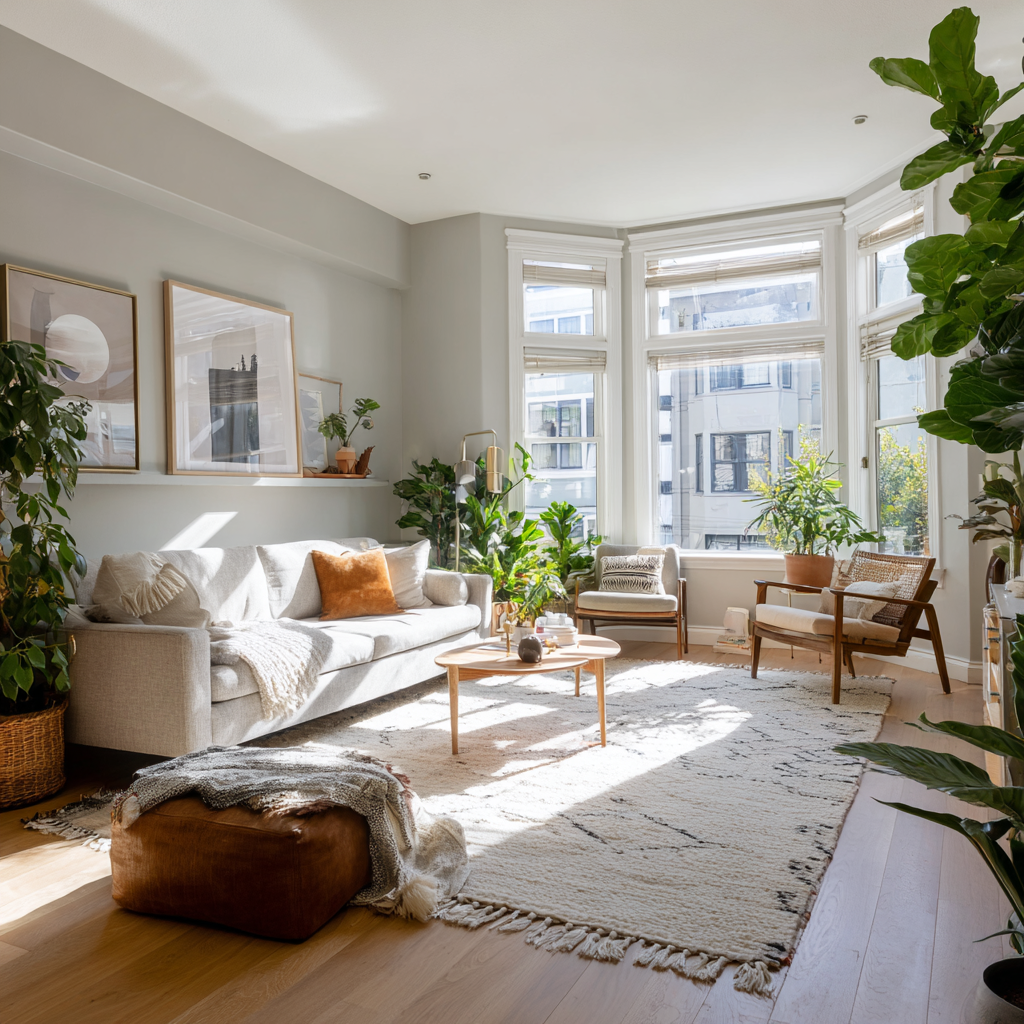
Pairing gray walls with carpet is well-suited for: Bedroom remodels, media rooms or dens, nurseries and playrooms, and any space where comfort is the goal.
Design tips for combining gray walls with carpet:
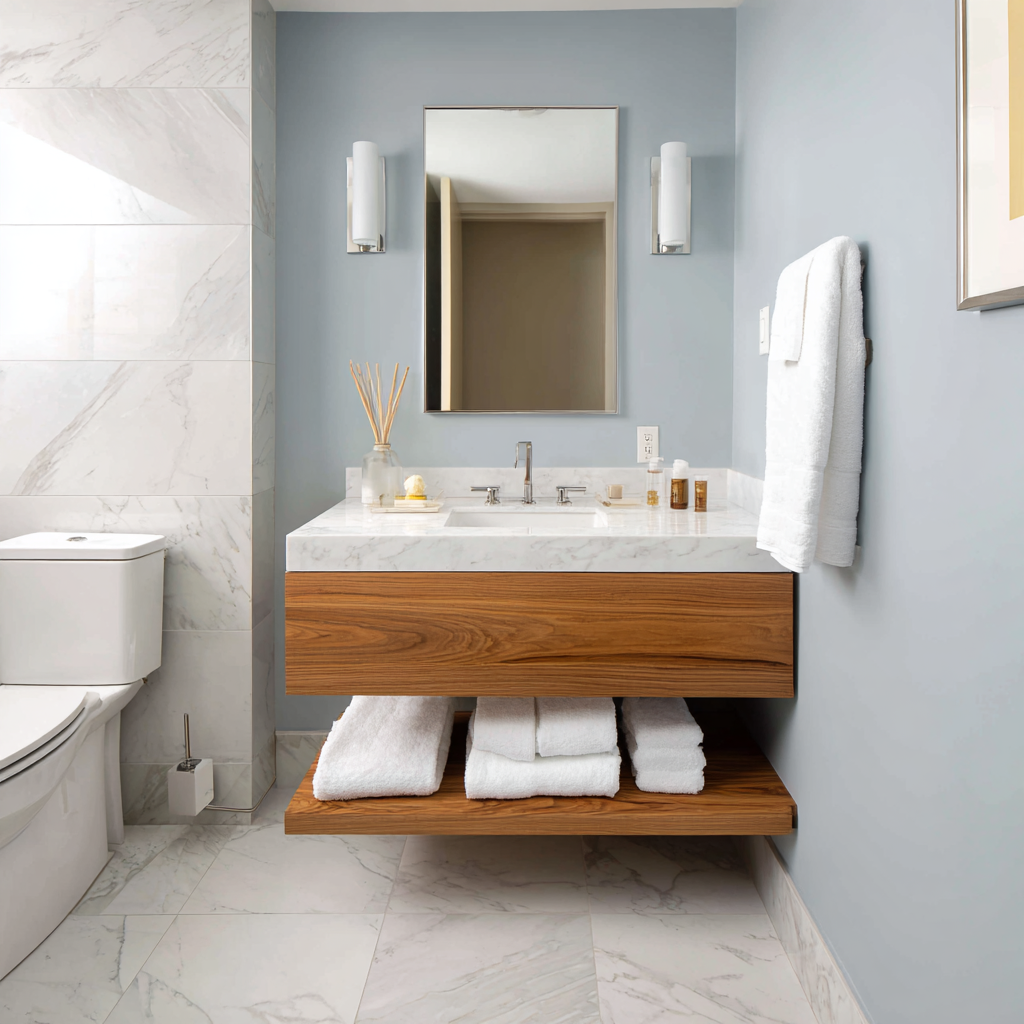
Beyond wood and carpet, hard flooring gives you the most options for gray walls. Each material carries its own texture and temperature, so the right one depends on the room and the gray you're matching.
Matte finishes cut glare and flatter both warm and cool grays. Larger-format tiles or continuous planks keep small rooms from feeling chopped up, and grout color is worth sampling next to your tile and paint, since matching grout keeps the floor unbroken while a contrast adds definition.
Finding the right contractor isn’t just about credentials—it’s about bringing on a partner with a smart design eye and a genuine understanding of your goals. Block makes this process straightforward by matching you with thoroughly vetted professionals who aren’t just skilled in construction, but who also appreciate design details that matter. Every contractor in Block’s network is selected for their quality of work, reputation, and collaborative approach, so you’re supported from initial inspiration through to the finishing touches. With Block, you gain more than a contractor; you gain a design-savvy ally invested in making your vision a reality.
Remodel with confidence through Block

Connect to vetted local contractors
We only work with top-tier, thoroughly vetted contractors

Get expert guidance
Our project planners offer expert advice, scope review, and ongoing support as needed
Enjoy peace of mind throughout your renovation
Secure payment system puts you in control and protects your remodel

Renovate confidently with Block
Easily compare quotes from top quality contractors, and get peace of mind with warranty & price protections.
Flooring
Top Rated Luxury Vinyl Tile Brands Worth Sampling
09.11.2026
Flooring
Best Carpet Brands: 7 Lesser-Known Names Worth Sampling
09.02.2026
Flooring
Maple vs Oak Flooring: Which Hardwood Is Right for Your Home?
08.31.2026
Bathroom
Non-Tile Bathroom Flooring Options
08.26.2026
Flooring
Comparing Different Types of Natural Stone Flooring
08.25.2026