




Mudroom
Mudroom Remodeling: What It Costs and How to Plan It
08.17.2026
01.16.2026


.png?width=640&name=u5821215421_An_extra-narrow_mudroom_nook_reimagined_with_a_cu_6edf069c-aa78-4fa2-bf11-df1ff51634e9_2%20(1).png)
In This Article
A mudroom is one of those spaces you don’t think about until you don’t have one—and suddenly coats are everywhere, shoes pile up by the door, and the rest of the house feels harder to keep up with. A well-planned mudroom addition creates a pause between the outside world and your home. It gives everyday chaos a place to land.
Whether you’re carving out space from what you already have or building something new, a mudroom works best when it’s planned with real life in mind. This guide covers costs, conversion options, design ideas, and the practical decisions that make a mudroom feel effortless instead of fussy.
Not every mudroom needs an addition. In fact, some of the most successful mudrooms come from reworking space that already exists. These projects often cost less, move faster, and feel more naturally integrated into the home.
Entry closets are often larger than they need to be—and not particularly functional. Converting one into a mini mudroom can instantly improve organization near the door. Removing the closet door opens up space for hooks, a slim bench, and shoe storage below. Durable wall finishes and hard-wearing flooring help the space feel intentional rather than improvised. For more tips, read Converting a Closet Into a Mudroom - Here's What to Know.
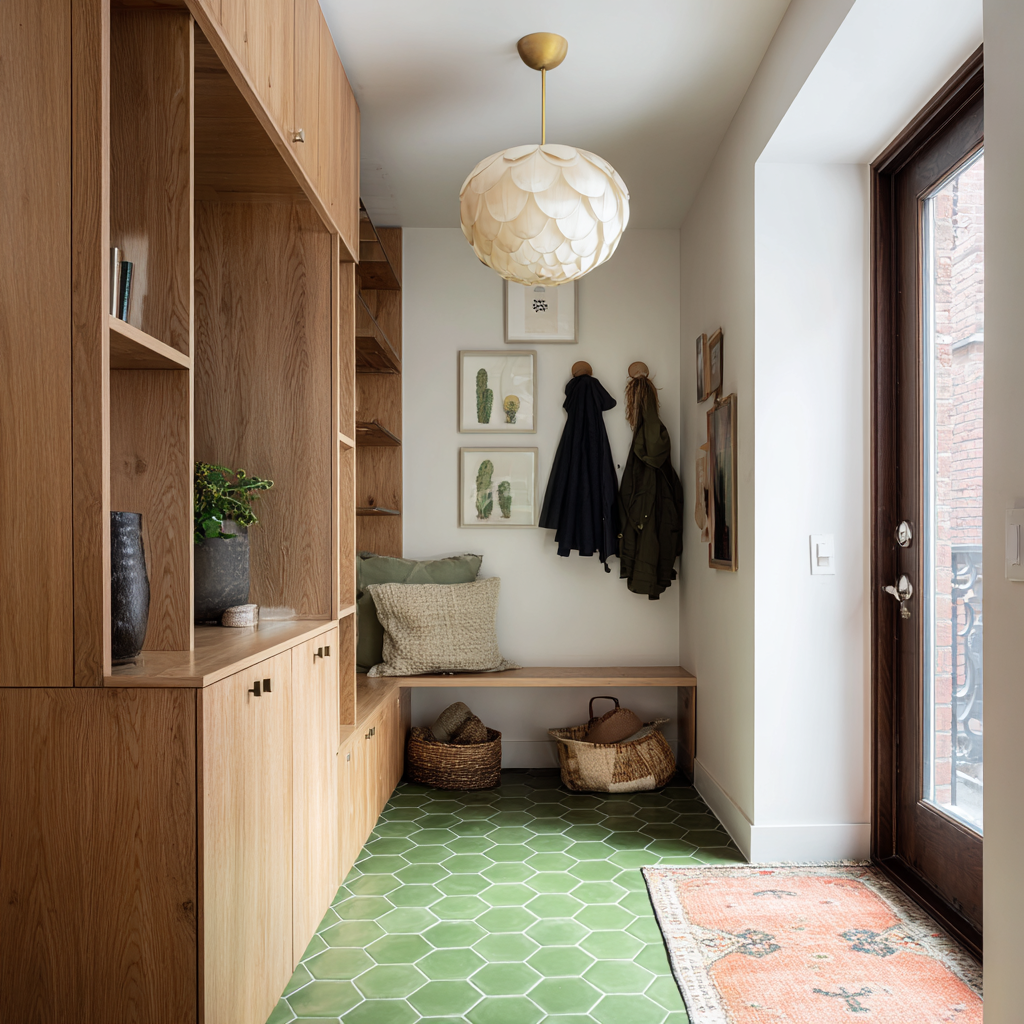
Enclosed porches and shallow vestibules are strong candidates for mudroom conversions. Once insulated and finished, they can handle built-in storage and seating comfortably. Because the footprint already exists, structural work is often limited. Insulation, flooring, and weatherproofing are the key upgrades that make the space usable year-round. Upgrading doors and windows to better-performing models helps manage drafts and temperature swings. Careful attention to transitions between interior flooring and exterior thresholds also prevents moisture from traveling further into the home.
Garage entries often become catch-all zones without any structure. Reworking this area to include cabinetry, lockers, or a bench can dramatically improve daily flow. Materials need to be especially durable here due to heavier wear. Maintaining a clear separation between the garage and interior living space is essential for comfort and safety.
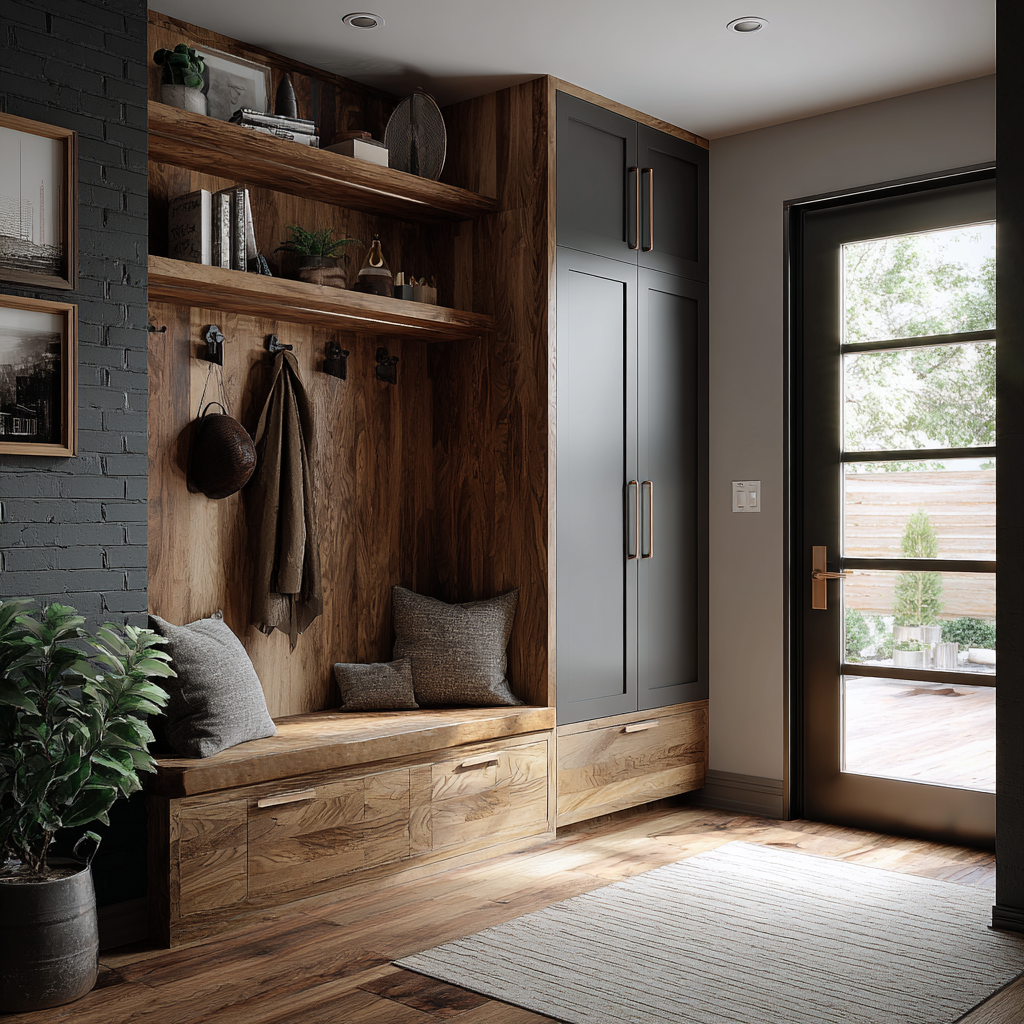
When you’re converting space you already have, mudroom costs are typically lower and more predictable than building new. The structure is already in place, so pricing is driven mostly by finishes, storage, and utility upgrades.
|
Conversion type |
Typical cost range |
What’s included |
Cost drivers to watch |
|
Closet conversion |
$5,000–$12,000 |
Demolition, built-in storage, flooring, lighting, paint |
Custom cabinetry, upgraded flooring, electrical changes |
|
Porch or vestibule conversion |
$10,000–$20,000 |
Insulation, flooring, doors/windows, built-ins |
Window replacements, weatherproofing, heating |
|
Garage entry rework |
$8,000–$18,000 |
Storage, flooring, wall finishes, lighting |
Fire separation requirements, heavy-duty materials |
Because the footprint already exists, labor is often focused on finishing and functionality rather than structural work. Costs tend to rise when plumbing, heating, or extensive custom millwork is added. Planning storage layouts and material selections early helps keep the project efficient and aligned with budget expectations.
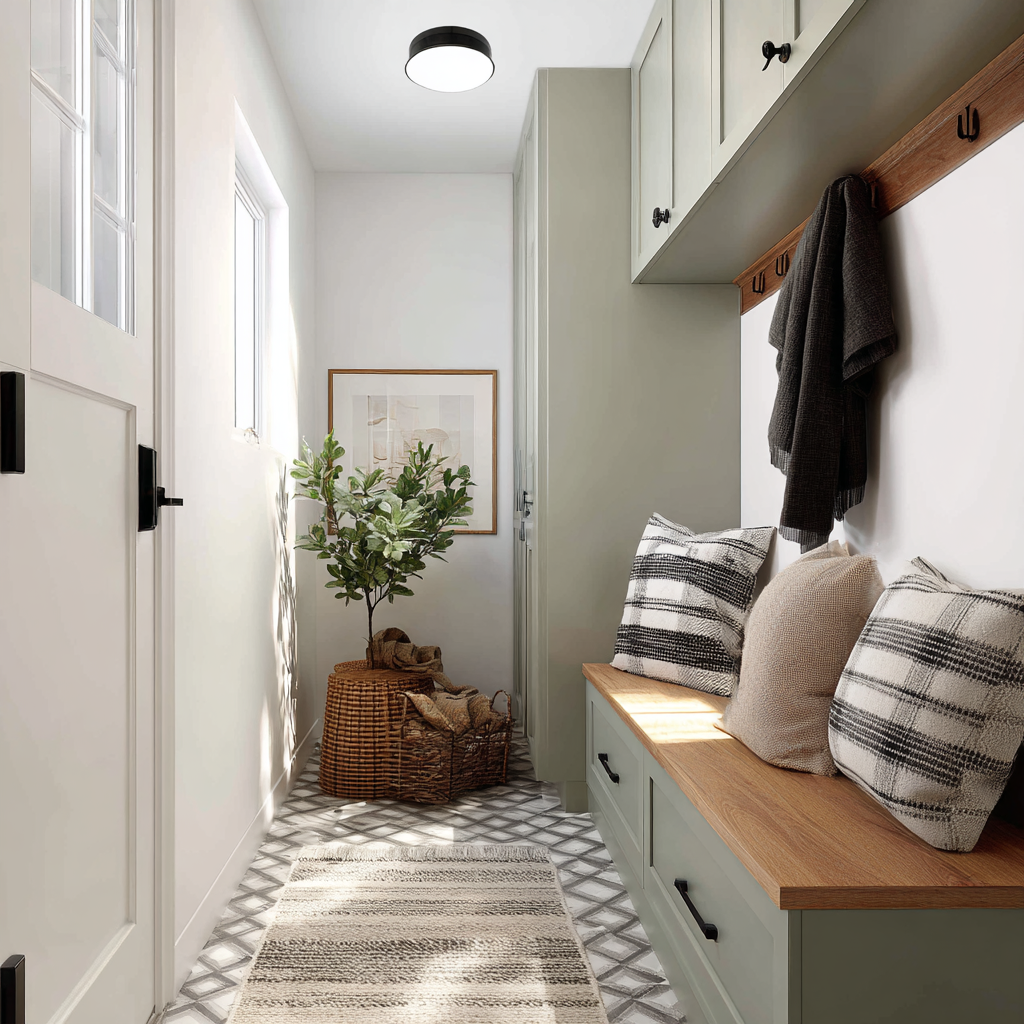
Building a mudroom addition comes with clear benefits, but it also requires thoughtful tradeoffs. Expanding your home’s footprint can improve daily flow and storage, yet it introduces added cost, permitting, and construction time. Understanding the differences between bump-outs and full additions helps set realistic expectations from the start.
Bump-outs. This addition approach extends an exterior wall by a few feet, often without a full foundation. They’re a good option when you want space for a bench, cubbies, and circulation without committing to a major build. These work best when rooflines are simple and zoning allows modest expansion.
Full additions. Benefit from the added flexibility with a fuller addition plan, especially if you want laundry, a sink, or significant storage. They require more planning, longer timelines, and higher permitting costs. The payoff is a space that can grow with your household over time.
When you’re building new square footage, costs are driven first by structure, then by how complex the space becomes. Foundations, roofing, and exterior finishes set the baseline, while plumbing, HVAC, and custom storage push the total higher.
|
Addition type |
Typical cost range |
What’s included |
Cost drivers to watch |
|
Mudroom bump-out |
$15,000–$25,000 |
Framing, exterior wall extension, flooring, basic built-ins, lighting |
Roof tie-ins, foundation type, exterior materials |
|
Full mudroom addition |
$25,000–$40,000+ |
Foundation, framing, insulation, utilities, built-in storage, finishes |
Plumbing for sink or laundry, HVAC extension, custom cabinetry |
|
Mudroom + laundry addition |
$30,000–$50,000+ |
Washer/dryer hookups, ventilation, storage, finishes |
Plumbing complexity, electrical upgrades, soundproofing |
|
Mudroom with utility sink |
$28,000–$45,000+ |
Sink, plumbing, cabinetry, finishes |
Drain location, venting, waterproof materials |
With new additions, square footage sets the starting point, but complexity determines the final number. Adding plumbing, extending HVAC, or specifying custom millwork can increase costs more than size alone. Dig deeper with our guide, How to Calculate the Cost of a Room Addition.
Mudrooms feel cramped when circulation is overlooked. Doors should open fully without blocking walkways. Benches need enough depth to sit comfortably while allowing others to pass. Walkways narrower than 36 inches can quickly feel tight, especially during busy entry moments.
Vertical storage helps maximize smaller footprints, but it needs to be balanced with open space. Designing around how many people use the mudroom at the same time leads to better functionality.
Mudroom floors endure more wear than almost any other surface in the home. Water, salt, dirt, pet claws, heavy boots, and frequent cleaning are part of everyday use. Durability, slip resistance, and ease of maintenance are more important here than softness or decorative detail. While there are numerous materials that work well in mudroom additions, three of the most resilient options include:
Porcelain tile. This potential mudroom flooring is waterproof, dense, and highly resistant to scratching. Large-format tiles reduce grout lines, making cleaning easier. Matte finishes offer better traction and hide dirt more effectively than polished surfaces.
Luxury vinyl plank. LVP performs well in mudrooms due to its moisture resistance and durability. It feels warmer underfoot than tile and can convincingly mimic wood. Thicker wear layers and rigid cores help prevent dents and warping.
Sealed concrete. This option suits modern homes or garage-adjacent mudrooms. It’s extremely durable and easy to maintain, though it can feel cold without radiant heat or area rugs.
Radiant floor heating helps dry wet footwear faster and keeps the space comfortable during colder months, especially in climates with snow and ice. Choosing darker grout colors reduces the appearance of stains and wear from frequent cleaning and foot traffic.
Subtle surface texture improves traction without making floors harder to maintain. Extending flooring beneath cabinetry prevents visible gaps and allows for cleaner transitions as the house naturally shifts over time.
Compare Proposals with Ease

Bench seating works best when paired with shoe storage below. Open cubbies allow airflow, while drawers hide visual clutter. Lockers provide individual storage zones in shared households. Closed cabinetry near the floor helps the space feel organized.
Utility sinks simplify cleanup but increase plumbing requirements. Laundry can work well in larger mudrooms, but sound control and ventilation should be addressed early. Stackable units save space, while side-by-side machines require more depth and clearance. Drain placement, venting, and access to existing water lines often determine whether these features are practical without major reconfiguration. Electrical capacity may also need to be upgraded to safely support appliances.
Mudrooms are often under-insulated, which can make them uncomfortable. Extending existing HVAC systems is usually the most effective solution. In smaller spaces, radiant heat or electric heaters may suffice. Proper ventilation helps manage moisture and odors.
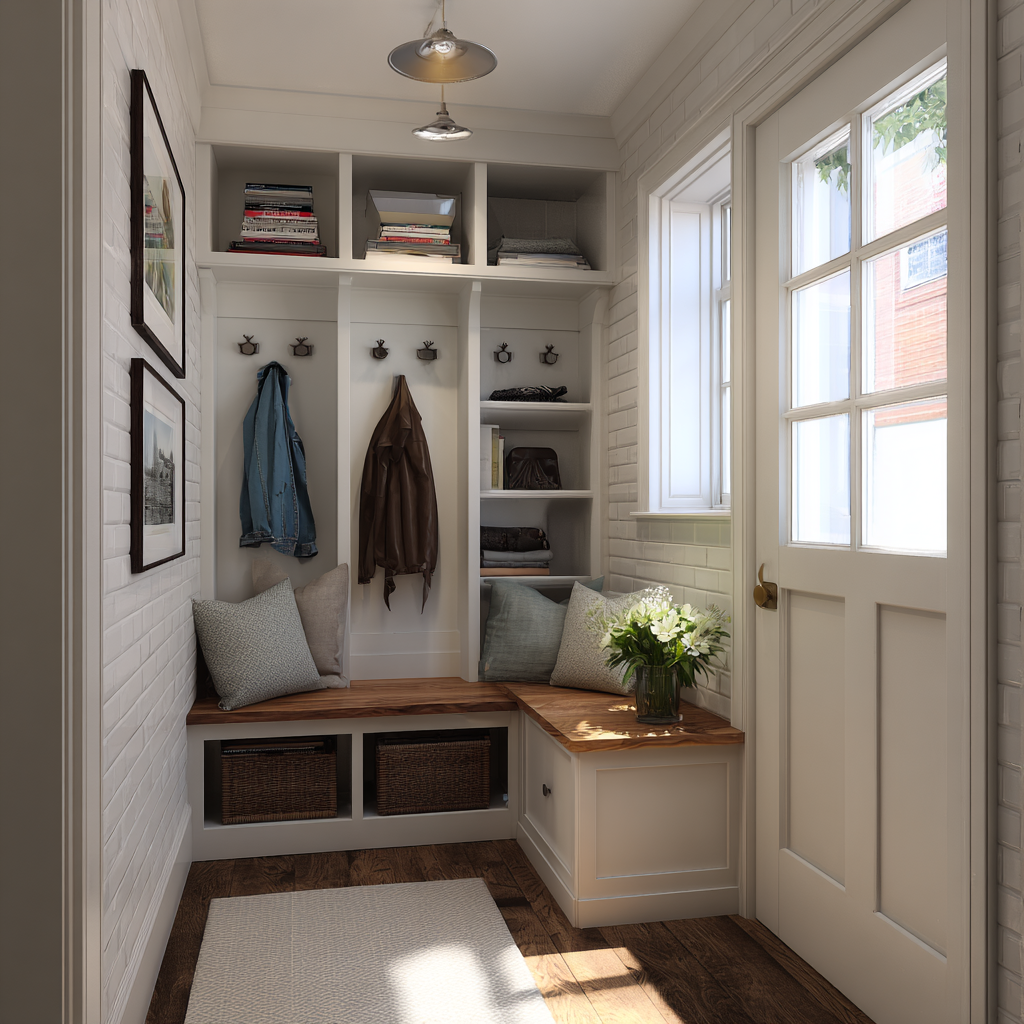
Painted cabinetry in neutral or muted tones keeps the space visually calm. Wood accents add warmth and contrast. Satin or semi-gloss finishes stand up better to scuffs and fingerprints than flat paint. Materials should be chosen with frequent cleaning in mind, especially near floors and seating areas. Consistent finishes across doors, drawers, and trim help the mudroom feel cohesive rather than pieced together.
Beadboard, vertical paneling, or shiplap protect walls while adding structure. Tile backsplashes near sinks or benches handle moisture and splashes better than paint alone. Wallpaper works best above wainscoting or in low-contact areas.
Overhead lighting should be bright enough for visibility without feeling harsh. Layered lighting, such as sconces or under-cabinet fixtures, improves function. Natural light from doors or sidelights helps the space feel welcoming.
Mudroom additions require coordination between structure, storage, and finishes. A contractor experienced in residential additions can help balance layout, durability, and budget. Block Renovation connects homeowners with vetted contractors who understand how mudrooms function day to day. With clear scopes and expert guidance, your mudroom can feel like it was always meant to be there.
Remodel with confidence through Block

Connect to vetted local contractors
We only work with top-tier, thoroughly vetted contractors

Get expert guidance
Our project planners offer expert advice, scope review, and ongoing support as needed
Enjoy peace of mind throughout your renovation
Secure payment system puts you in control and protects your remodel

Renovate confidently with Block
Easily compare quotes from top quality contractors, and get peace of mind with warranty & price protections.
Mudroom
Mudroom Remodeling: What It Costs and How to Plan It
08.17.2026
Mudroom
Durable Flooring for Mudroom: 8 Options Compared
08.15.2026
Design
Bathtub to Shower Conversion: Cost, Ideas, Examples & More
08.11.2026
Design
Open Shelving Bathroom Design Ideas & Optimal Placement
08.08.2026

Design
Dining Room Dimensions: Minimums and Standard Sizing
08.07.2026