




Design
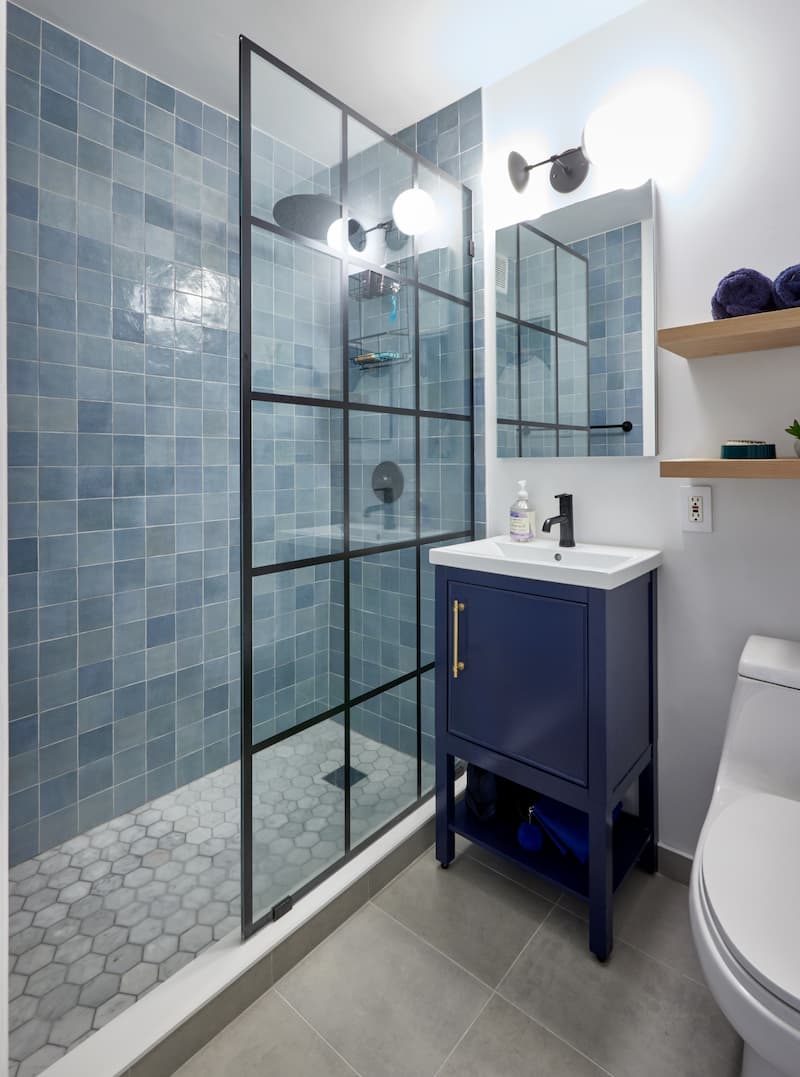
Bathtub to Shower Conversion: Cost, Ideas, Examples & More
08.11.2026
01.23.2026



In This Article
A home renovation is one of those life moments where excitement and anxiety show up holding hands. You’re imagining brighter rooms, better flow, a kitchen that finally works—but you’re also staring down decisions that affect structure, safety, and budget. That’s where the right architect can completely change the experience. A great architect doesn’t just design something beautiful; they help you make sense of what’s possible, what’s smart, and what’s worth it.
Choosing an architect isn’t about hiring someone to “make it pretty.” It’s about bringing in a professional who understands how homes actually function, how buildings behave over time, and how to balance vision with reality. When the fit is right, an architect becomes a calm, steady guide through a complicated process.
This is one of the most common questions homeowners ask, and the honest answer is that not every renovation requires an architect. The need depends on how much you’re changing, how many systems are involved, and how much risk you want to manage yourself.
You’re changing the structure of your home. Altering or removing load-bearing walls, adding an extension, or changing rooflines affects how the house stands and carries weight, and an architect ensures these changes are structurally sound and coordinated with engineers and code requirements.
You’re reworking layout and circulation, not just finishes. When a renovation involves moving walls, redefining rooms, or opening up floor plans, an architect helps optimize flow, natural light, sightlines, and proportions so the space works better, not just differently.
You want long-term value, not just a cosmetic refresh. Architects think beyond the immediate project by considering resale value, future flexibility, and how your needs may change over time, which can prevent regret and expensive rework later.
You’re navigating permits, zoning, or historic requirements. Many municipalities require architect-stamped drawings for approval, and experience with local zoning boards or landmark commissions can dramatically reduce delays and redesigns.
Your renovation involves multiple systems at once. Projects that touch structure, plumbing, electrical, and HVAC benefit from architectural oversight to ensure one change doesn’t unintentionally create problems elsewhere in the house.
You’re planning to build an ADU or secondary dwelling. Accessory dwelling units introduce zoning, setback, and utility considerations that go far beyond a typical interior renovation. An architect helps navigate local ADU regulations, design within tight footprint constraints, and integrate the new structure with existing buildings and services. Their involvement is especially valuable when maximizing allowable square footage or addressing shared systems like water, power, and drainage. To read more about ADUs, specifically, turn to our guides The Complete ADU Construction Guide.
Not sure how to begin your renovation?
Get free, expert guidance from a dedicated Block Project Planner who can help you navigate proposals, timelines, contractor selection, and more.
Book A Free Consultation
Architects and interior designers often work together, but they are not interchangeable. Knowing the difference helps you hire the right professional—or combination of professionals—for your project.
Architects focus on the bones of the house. They design layouts, address structure, coordinate building systems, and produce technical drawings required for permits and construction. Their work determines how space functions, how light moves through it, and how the building performs.
Interior designers focus on how spaces look and feel within that structure. They select finishes, furnishings, lighting, and decorative elements, and often handle color palettes and styling. If your renovation is primarily about finishes and furniture, a designer may be sufficient. If you’re moving walls, adding space, or altering structure, an architect is usually essential.
Hiring an architect adds rigor and clarity to a renovation, but their role has defined limits. Understanding those boundaries upfront helps avoid frustration and mismatched expectations.
Translate your goals into buildable plans. Architects take abstract ideas—like wanting more light or better flow—and turn them into precise drawings that contractors can actually build from, resolving conflicts between layout, structure, and systems before construction begins.
Ensure safety and code compliance. Architects design within structural limits and local building codes, coordinating egress, fire safety, accessibility, and structural requirements that homeowners rarely see but inspectors care deeply about.
Coordinate complex decisions early. By addressing structure, mechanical systems, and spatial planning at the design stage, architects prevent downstream issues where one design choice forces costly changes later.
Manage construction day to day. Unless explicitly contracted, architects don’t schedule trades, manage deliveries, or supervise labor, which is typically the general contractor’s role.
Select every finish or furnishing. Some architects offer interior design services, but many focus on architecture and leave detailed finish selection to designers or homeowners.
Guarantee construction costs. Architects design within budgets, but final pricing depends on contractors, market conditions, and unforeseen site issues that emerge during construction.
This decision is as much about compatibility as credentials. You’re choosing someone you’ll collaborate with closely over months, often while making high-stakes decisions under time and budget pressure. The right architect should feel like a steady partner, not an added source of stress.
Experience with renovations specifically. Renovations require working within existing structures, uncovering hidden conditions, and adapting designs midstream when surprises arise. Architects who focus primarily on new construction may underestimate the complexity of older homes or tight urban footprints. A renovation-experienced architect knows how to design flexibly and plan for contingencies.
A portfolio that reflects your goals. Reviewing an architect’s portfolio helps you understand how they solve spatial problems, not just whether you like their aesthetic. Look for examples that show before-and-after transformations, creative use of light, and thoughtful layout changes. A strong portfolio demonstrates how ideas translate into real, lived-in homes.
Clear communication and responsiveness. Renovations involve ongoing decision-making, often on tight timelines. An architect should be able to explain complex design and construction issues in clear, plain language. Consistent responsiveness becomes especially important when delays or budget questions arise.
Comfort working within budgets. Strong architects design with financial realities in mind from the outset. They know how to prioritize what matters most and where compromises can be made without undermining the overall vision. Architects who avoid budget conversations early often create stress later.
Defined involvement during construction. Some architects remain actively involved throughout construction, while others step back once drawings are complete. Understanding whether they’ll review shop drawings, visit the site, or help resolve on-site issues is critical. Clear expectations here prevent gaps in oversight.
Familiarity with local codes and approvals. Local experience often means fewer surprises during permitting and inspections. Architects who regularly work in your area understand zoning nuances, common reviewer concerns, and regional building practices. That familiarity can save both time and redesign costs.
These questions help you understand not just an architect’s design style, but how they actually work once a renovation is underway. The answers will reveal how they handle constraints, communicate under pressure, and collaborate with homeowners and contractors.
“Can you walk me through a renovation similar to mine?” A strong answer includes details about the original goals, unexpected challenges, and how tradeoffs were handled. Listen for discussion of real constraints—budget limits, structural surprises, or permit issues—not just the final result. Architects who openly discuss what didn’t go perfectly tend to be more realistic and adaptable.
“How do you approach budget alignment from the start?” You want to hear that budget is integrated into the design process early, not checked after drawings are complete. Architects should explain how they estimate costs, adjust scope, and collaborate with contractors or estimators. Vague answers here can signal future cost stress.
“Who will be my main point of contact?” Clarify whether the person you’re speaking with will manage your project day to day or hand it off to a junior team member. Consistent communication matters during a renovation that can last months. Knowing who answers questions and makes decisions prevents frustration later.
“How do you handle changes during construction?” Renovations almost always evolve once walls are opened. Ask how revisions are documented, approved, and priced. A clear, structured change process helps keep costs controlled and avoids confusion between design intent and construction reality.
“What do you need from me to make this successful?” This question reveals whether the architect views the relationship as a partnership. Strong answers often include timely decisions, clear feedback, and honest budget discussions. Architects who articulate expectations clearly tend to manage projects more smoothly.
Hiring the right architect is a powerful first step, but successful renovations require alignment across design, construction, and budget. Block Renovation helps homeowners navigate that complexity with vetted professionals, clear scopes, and structured planning.
Whether you’re deciding if you need an architect or figuring out how to move from design to build, having a coordinated framework makes the process smoother and more confident. With the right team in place, your renovation can feel thoughtful, grounded, and genuinely exciting from start to finish.
Remodel with confidence through Block

Connect to vetted local contractors
We only work with top-tier, thoroughly vetted contractors

Get expert guidance
Our project planners offer expert advice, scope review, and ongoing support as needed
Enjoy peace of mind throughout your renovation
Secure payment system puts you in control and protects your remodel

Renovate confidently with Block
Easily compare quotes from top quality contractors, and get peace of mind with warranty & price protections.
Design
Bathtub to Shower Conversion: Cost, Ideas, Examples & More
08.11.2026
Design
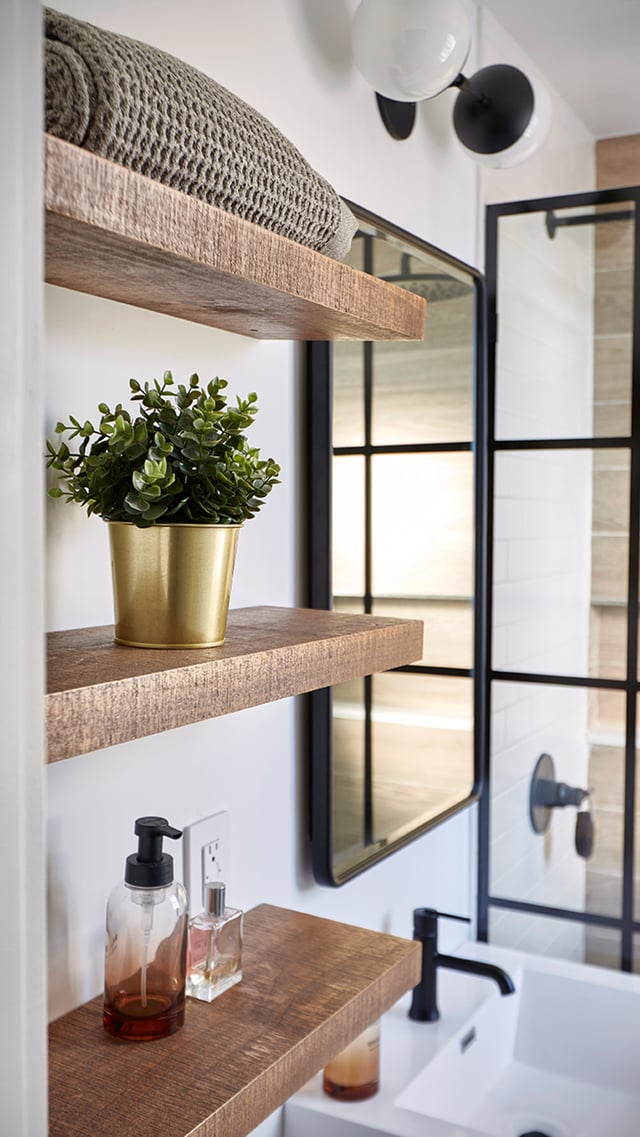
Open Shelving Bathroom Design Ideas & Optimal Placement
08.08.2026

Design
Dining Room Dimensions: Minimums and Standard Sizing
08.07.2026
Design
Split Foyer Renovation: Ideas, Costs & What Pays Off
07.16.2026
Design
Wainscoting vs Board and Batten: How to Choose
07.06.2026