



Garage
How to Convert a Garage Into a Living Space: Costs, Steps, and Ideas
08.09.2026
03.11.2026


In This Article
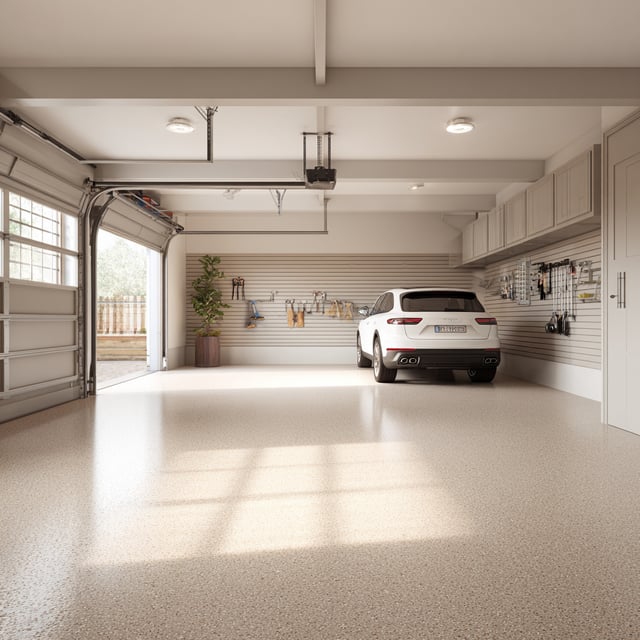
Your garage is one of the most versatile spaces in your home—but for many homeowners, it's also one of the most underused. Whether your current setup is too cramped for a second car, too cluttered to function as a workspace, or simply not pulling its weight as part of your home, a garage expansion can change all of that. This guide walks you through your options, what's involved, and how to plan a project that works for your space, your goals, and your budget.
Not all garage expansions look the same. Broadly speaking, your options fall into a few categories:
If your lot has limited space—or you simply don't want to reduce your yard—adding a second story above your existing garage is worth considering. Here's how the two approaches compare:
Building out (expanding the footprint) is generally simpler from a structural standpoint. It involves extending the slab, framing new walls, and tying the new roof into the existing structure. It's the right approach when you need more vehicle or storage space at ground level.
Building up (adding a second story) keeps your footprint the same and can add significant square footage for living or working. The trade-off is structural complexity: your existing walls and foundation need to be assessed for their ability to support additional load, and framing, stairs, and roofing work are more involved. That said, the ROI on a second-floor garage addition averages around 53%—making it a meaningful investment if your property allows for it. Learn more about this kind of expansion with our guide to build master suite additions over your garage.
In both cases, your contractor should conduct a thorough assessment before any scope is finalized. What looks straightforward from the outside can involve hidden complexities that affect your budget and timeline.
A garage expansion is construction, which means permits are almost always required. For any structural work—new foundations, framing, roofing, or exterior changes—you'll need a building permit, which is standard in virtually every jurisdiction. If you're adding outlets, lighting, or a dedicated circuit like EV charging, an electrical permit is required separately.
If your property falls under an HOA or co-op board, expect to submit plans for approval before work begins; some associations have strict rules around exterior alterations, materials, and setbacks. Homes in historic districts may also face additional review from a local Landmarks Preservation Commission or equivalent body, which can affect everything from roofing materials to window styles.
Plan for one to three months to secure permits and approvals before construction begins, and budget permit fees of roughly $500–$2,000 depending on your location and project scope. Block Renovation's vetted contractors are experienced with local permitting processes and can handle much of this documentation on your behalf.
Renovate with confidence every step of the way
Step 1: Personalize Your Renovation Plan
Step 2: Receive Quotes from Trusted Contractors
Step 3: Let Us Handle the Project Details

These are general estimates to help you plan. Your actual costs will depend on your location, project scope, and material choices. For a more precise picture, dig into Block’s guide to garage remodel cost breakdowns.
|
Project type |
Estimated cost range |
|
Cosmetic updates to existing garage |
$3,000–$5,000 |
|
Full remodel of existing garage |
$7,000–$15,000 |
|
Adding a single bay (attached) |
$15,000–$30,000 |
|
Building a new detached garage |
$15,000–$40,000+ |
|
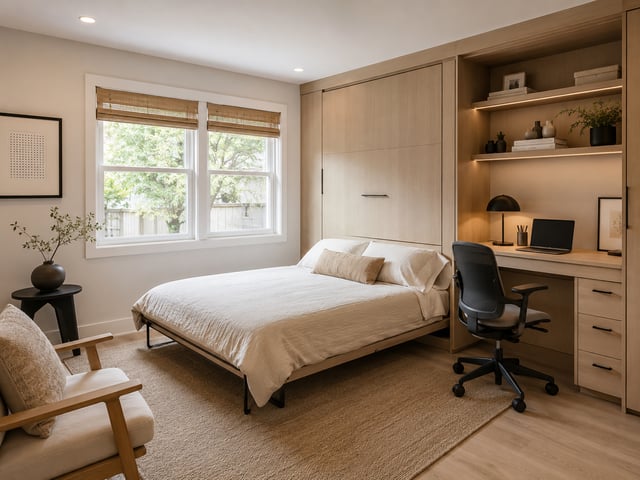
Garage conversion to living space / ADU |
$20,000–$75,000 |
|
Second-story addition above garage |
$30,000–$75,000+ |
Always budget a contingency of 10–20% on top of your estimate. Older structures, tricky site conditions, or unknown issues behind existing walls can add costs you couldn't have anticipated upfront.
Finding the right contractor for a garage expansion requires someone who understands structural work, local permitting requirements, and the full range of trades involved—from framing and foundation to electrical and finishing. That's a lot to vet on your own.
Block Renovation connects homeowners with thoroughly vetted, licensed contractors who have been matched to their specific project type, location, and goals. Every scope is reviewed by renovation experts to catch missing line items and red flags before you sign anything. And with Block's progress-based payment system, you're only releasing funds as work gets done—putting you in control throughout the build.
Thousands of homeowners have renovated with Block. Get started by telling us about your project, and we'll help you move forward with clarity and confidence.
Remodel with confidence through Block

Connect to vetted local contractors
We only work with top-tier, thoroughly vetted contractors

Get expert guidance
Our project planners offer expert advice, scope review, and ongoing support as needed

Enjoy peace of mind throughout your renovation
Secure payment system puts you in control and protects your remodel


Renovate confidently with Block
Easily compare quotes from top quality contractors, and get peace of mind with warranty & price protections.
Garage
How to Convert a Garage Into a Living Space: Costs, Steps, and Ideas
08.09.2026
Garage
Garage Roof Replacement: Costs, Materials, and Timing
07.26.2026
Remodeling
Cinder Block Garage Cost: Prices by Size & Material
07.23.2026
.webp?width=640&name=u5821215421_A_renovated_attached_garage_interior_used_for_dai_be957847-8779-47d0-80bc-5a7ad148320e_0%20(1).webp)
Cost
Garage Remodel Costs in 2026: Makeovers to Conversions
07.07.2026
Garage
1-Bedroom Garage Apartment Floor Plans | Block
06.11.2026