



Garage
Garage Roof Replacement: Costs, Materials, and Timing
07.26.2026

04.09.2026


In This Article
Columbus is a city built in layers. Victorian-era homes line the brick streets of German Village and Victorian Village, mid-century ranches and Cape Cods fill Clintonville and Westerville, and new construction keeps pushing into Delaware and Licking counties. Each era brought its own approach to garages—from alley-accessed concrete-block structures behind turn-of-the-century homes to the oversized three-car bays standard in today's suburban developments. Ohio's four-season climate adds real urgency to garage renovations: winters bring snow, ice, and road salt that punish unfinished floors, while summers push into the 90s with humidity thick enough to make an uninsulated garage feel oppressive. The city's steady growth and competitive housing market also mean that a well-finished garage adds genuine value, both in daily livability and at resale. If you've been thinking about transforming your Columbus garage into a more functional, comfortable space, the project is worth doing right—and worth understanding before you begin.
Design a Home That’s Uniquely Yours
Block can help you achieve your renovation goals and bring your dream remodel to life with price assurance and expert support.
Get Started
Renovation costs in Columbus reflect the city's moderate cost of living and a labor market that balances steady demand with reasonable contractor availability. Material prices here benefit from Ohio's central location and strong access to Midwest lumber, concrete, and steel suppliers, though specialty items like custom garage doors or high-end floor coatings can still carry lead times of two to four weeks. The range between a basic refresh and a full-scale renovation is wide, so understanding what drives costs locally helps you budget with confidence.
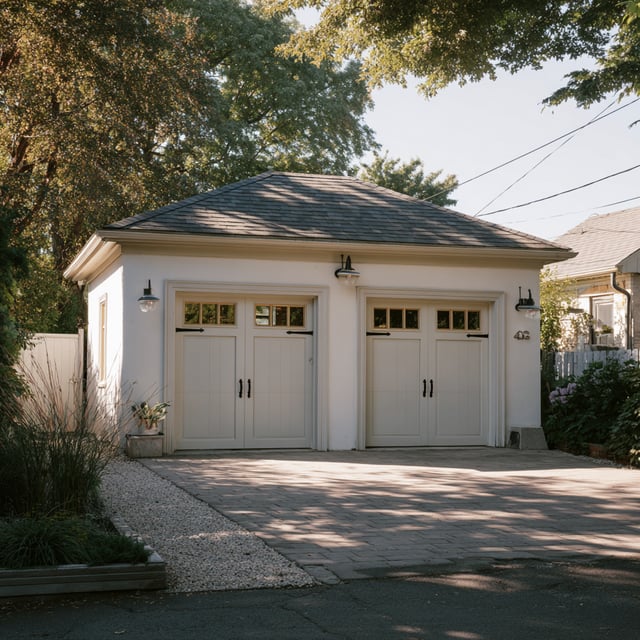
Replacing a garage door in Columbus typically costs between $1,200 and $4,500 for a standard single or double door, including installation. Insulated steel doors with an R-value of 12 or higher are the most popular choice locally, and for good reason: they stand up to Ohio's freeze-thaw cycles far better than uninsulated aluminum models. Upgrading to a carriage-house style door can add $500–1,500 to the price but makes a noticeable difference in neighborhoods like Clintonville or Grandview Heights, where curb appeal carries real resale weight. One thing to watch: if your existing door opening is non-standard—common in pre-war homes—custom sizing adds cost and lead time, so measure carefully before ordering.
Epoxy and polyurea floor coatings for a two-car Columbus garage generally run $2,000–5,000, with concrete repair and grinding adding $500–1,500 if the slab has cracks or settling. Road salt is the hidden villain here: Columbus homeowners who park in their garages during winter drag in salt and calcium chloride that eat through uncoated concrete over time. A high-solids polyurea coating with a moisture barrier underneath provides the best long-term protection in this climate. Timing your project for late spring or early fall gives you the best cure conditions—Ohio's winter humidity and garage temperatures below 50°F can compromise adhesion if you try to push the season.
Finishing garage walls with drywall, insulation, and a basic storage system in Columbus costs between $3,000 and $7,500 for a standard two-car garage. Many homes in neighborhoods like Upper Arlington and Worthington have garages that were drywalled but never properly finished—no taping, no paint, no insulation behind the board. Completing that work and adding slatwall panels or a track-based storage system transforms the space. For older concrete-block garages common in the Hilltop and Franklinton areas, furring strips and rigid foam insulation are the most practical approach to finishing walls without losing excessive floor space.
Columbus's garage styles map closely to the city's architectural eras, each with its own renovation considerations. Understanding what you're starting with shapes the entire project scope.
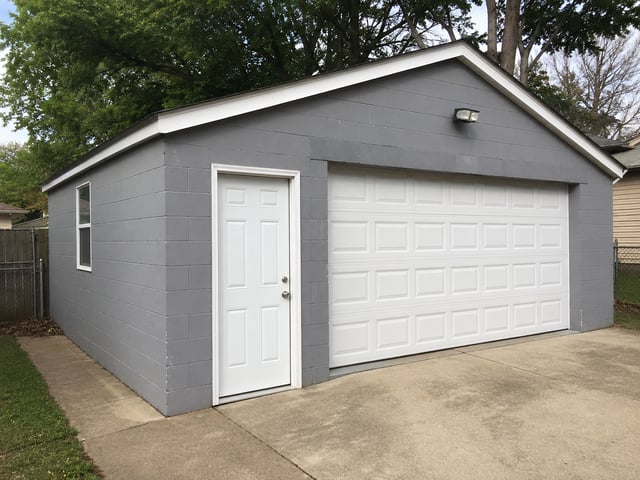
In neighborhoods like German Village, Victorian Village, Italian Village, and Olde Towne East, garages sit behind homes and are accessed via alleys. Many are original concrete-block structures built in the early to mid-twentieth century, often single-car width with manual swing-out or sliding doors.
Renovation challenges include limited electrical service, no insulation, aging foundations, and setback requirements that constrain expansion. Exterior modifications in designated historic districts require architectural review board approval, so plan for that additional step before committing to a design that alters the roofline, siding, or door style.
The Cape Cods, ranches, and split-levels that fill Clintonville, Beechwold, and Westerville typically feature attached single-car garages built between the 1940s and 1970s. These garages are functional but small—usually 12 by 20 feet—and reflect the era's more modest expectations for vehicle and storage space.
Many share a common wall with the home's main living area, which affects insulation and noise considerations during renovation. Upgrading that shared wall with sound-dampening insulation, sealing air gaps around the pass-through door, and adding a proper vapor barrier can improve both the garage's performance and the comfort of the adjacent room.
Transparent Pricing You Can Trust

Newer construction in Dublin, New Albany, Powell, and Grove City commonly includes attached two- or three-car garages that meet current Ohio building code. These garages are already insulated and drywalled, often with basic lighting and at least one dedicated circuit.
Renovations here focus on flooring, storage optimization, and upgrades like EV charging stations or workbench setups. Because the structural and mechanical bones are already solid, you can invest more of your budget in finishes and organization systems that make the space work harder for your family.
For alley-access garages in German Village or Victorian Village, consider a clean workshop or hobby studio conversion: insulated walls finished with moisture-resistant drywall, a coated floor with a warm neutral tone, dedicated lighting circuits, and a wall-mounted workbench that folds flat when you need parking clearance. The separate structure gives you a quiet workspace without disrupting the main home.
In Clintonville's single-car attached garages, a mudroom-style entry zone is a high-impact renovation idea—built-in coat hooks, a shoe bench, overhead storage cubbies, and a durable runner mat near the house door transform the garage into a functional transition space for Ohio's messy seasons. For newer suburban garages with the luxury of square footage, a dedicated sports and recreation wall with slatwall-mounted racks for bikes, skis, and gear keeps the floor clear and makes the garage feel organized rather than overwhelmed.
Columbus's mix of old and new housing stock creates specific pitfalls that catch homeowners off guard. Knowing these before you start saves money, time, and frustration.
New garage construction in Columbus is increasingly common as homeowners in older neighborhoods need more space and modern functionality. Whether you're replacing a crumbling block garage or adding a structure where none existed, the planning phase is critical.

The biggest renovation budget overruns happen when homeowners start construction before fully finalizing layouts, materials, and design decisions.
These resources dig deeper into decisions that Columbus homeowners frequently face during the planning stage.
Block connects Columbus homeowners with thoroughly vetted local contractors handpicked for each project's scope and style. Every contractor undergoes insurance verification and reference reviews through a rigorous multi-step vetting process. A dedicated Project Planner provides expert guidance through proposals, timelines, and contractor selection at no cost to you.
Block manages payments through a secure, progress-based system that ensures contractors are paid as work gets done. Every project scope is reviewed by renovation experts and AI-enabled tools to spot gaps and minimize change orders. Every contractor in the Block network provides a workmanship warranty, giving you confidence from the first demo day to the final walkthrough.
Remodel with confidence through Block

Connect to vetted local contractors
We only work with top-tier, thoroughly vetted contractors

Get expert guidance
Our project planners offer expert advice, scope review, and ongoing support as needed
Enjoy peace of mind throughout your renovation
Secure payment system puts you in control and protects your remodel

Renovate confidently with Block
Easily compare quotes from top quality contractors, and get peace of mind with warranty & price protections.
Garage
Garage Roof Replacement: Costs, Materials, and Timing
07.26.2026
Remodeling
Cinder Block Garage Cost: Prices by Size & Material
07.23.2026
.webp?width=640&name=u5821215421_A_renovated_attached_garage_interior_used_for_dai_be957847-8779-47d0-80bc-5a7ad148320e_0%20(1).webp)
Cost
Garage Remodel Costs in 2026: Makeovers to Conversions
07.07.2026
Garage
1-Bedroom Garage Apartment Floor Plans | Block
06.11.2026

Garage
Carport to Garage Conversion Cost & Execution Guide
05.05.2026