Adding a garage—whether you're building a new home or renovating an existing one—is one of the most significant decisions you'll make about your property. It affects your daily life, your home's value, your lot layout, and your budget. And the first question to answer is also the most fundamental: attached garage or detached garage?
There's no universal right answer. The attached vs. detached garage decision comes down to your property, your lifestyle, and what you want the space to do. This guide walks through everything you need to weigh before committing to either path.
Detached garage vs. attached garage: what's the difference?
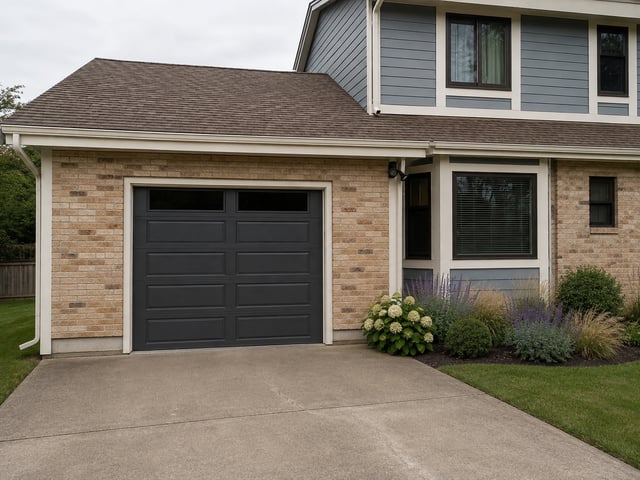
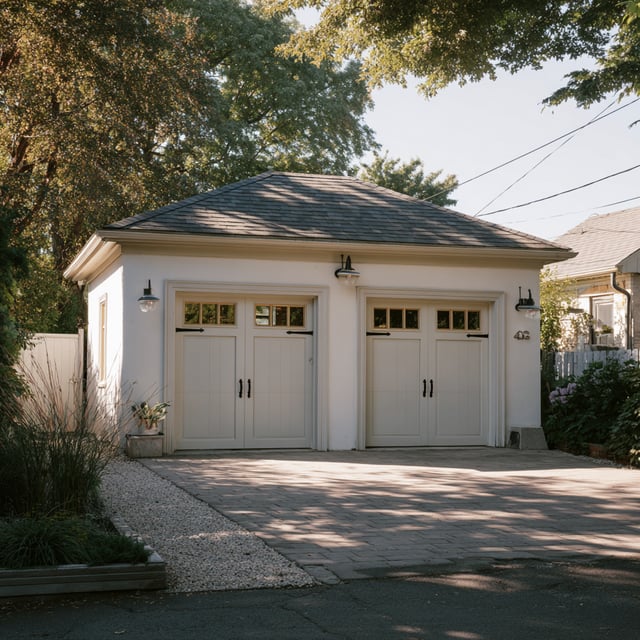
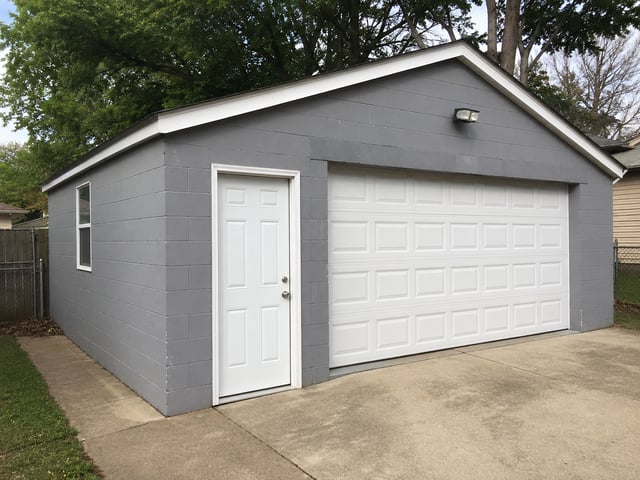
The distinction is straightforward. An attached garage shares at least one wall with the main house and typically provides interior access—meaning you can walk directly from the garage into your living space without going outside. A detached garage is a freestanding structure, separated from the house and accessed from the exterior.
That single difference—connected or not—cascades into implications for cost, design, safety, everyday convenience, and how the structure fits on your property.
Attached vs. detached garage cost comparison
| |
Attached garage
|
Detached garage
|
|
Typical cost range
|
$16,000–$40,000
|
$19,000–$33,000+
|
|
Foundation
|
Shared or partial
|
Full independent foundation
|
|
Utility connections
|
Shared with house
|
Separate runs required
|
|
Fire separation required
|
Yes
|
No
|
|
ADU/livable space potential
|
Limited
|
Strong
|
|
Expansion flexibility
|
Lower
|
Higher
|
A few factors that significantly affect cost for either type:
- Size. A single-car garage (roughly 12x20 feet) costs considerably less than a two-car or three-car structure. Every additional square foot adds materials, labor, and foundation work.
- Finishes. Basic drywall and concrete floors are standard. Insulation, HVAC, epoxy floors, custom cabinetry, and high-end doors can double the cost of either garage type.
- Lot conditions. Sloped lots, poor soil, or limited access for construction equipment all add cost, particularly for the foundation work required in a detached structure.
- ADU or livable space above. Converting the space above either garage type into an apartment, guest suite, or studio adds substantial cost but also adds meaningful square footage and long-term property value.
Attached garage: what you gain and what you give up
The case for going attached
- Day-to-day convenience is hard to beat. Direct interior access is the most cited reason homeowners choose an attached garage. Carrying groceries from the car in a January snowstorm, or unloading gear after a late night, is a fundamentally different experience when you don't have to go outside to do it. For households with young children, older family members, or anyone with mobility considerations, this matters a great deal.
- It's typically less expensive to build. Because an attached garage shares a wall with the house and doesn't require a fully independent foundation, framing, roofing, and utility runs, construction costs generally run lower. Building an attached garage typically costs $16,000–$40,000 depending on size, finishes, and location—roughly 10–15% less than a comparable detached structure.
- It makes efficient use of your lot. On smaller or more constrained properties, an attached garage is often the more practical option. It fits within the existing footprint of the home rather than consuming additional yard space.
- It tends to support resale value in suburban markets. In many neighborhoods—particularly suburban and urban ones—buyers expect direct garage access as a baseline feature. An attached garage can be a meaningful selling point.
The trade-offs to consider
- Design is constrained by the existing house. An attached garage needs to relate architecturally to your home. Rooflines, siding, and exterior materials need to align, which can limit your options—particularly on older homes where matching the original character takes extra effort and cost.
- Safety requires careful planning. Because the garage shares a wall with the living space, fire separation is a code requirement in virtually every jurisdiction. This means fire-rated drywall, a fire-rated door between the garage and the house, and proper ventilation. Carbon monoxide from vehicles and fumes from stored chemicals can migrate into the home if these systems aren't properly installed.
- Noise travels. If you plan to use the garage for woodworking, a band saw, or other loud activities, the sound will carry into the house more readily than it would from a detached structure.
- Structural changes may be required. Adding an attached garage to an existing home can mean modifying the home's exterior wall, roofline, or even foundation—adding complexity and cost that wouldn't apply to a freestanding structure.
Detached garage: what you gain and what you give up
The case for going detached
- Design freedom is significantly greater. A detached garage doesn't have to mirror the house. You can choose a different architectural style, a different roofline, or a layout that fits the specific corner of your lot where it makes the most sense. For homeowners with strong design preferences or unique lot configurations, this flexibility is a major advantage.
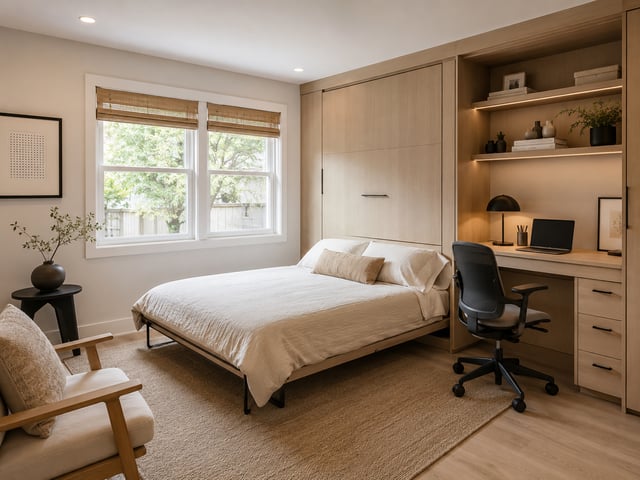
- It's better suited for uses beyond parking. If you want a workshop, a gym, a studio, a home office, or even an accessory dwelling unit (ADU) that could serve as a rental or guest suite, a detached garage is a more viable starting point. The physical separation from the house keeps noise, fumes, and activity contained. It also provides more privacy for whoever uses the space.
- Safety separation from the main house. Flammable materials, power tools, and vehicle exhaust all present lower risk to the home's living areas when the garage is a separate structure. There's no shared wall for fire or fumes to travel through.
- Easier to expand later. Because a detached garage isn't integrated with the home's structure, it's typically easier to add onto—extending the footprint or building upward to add a loft—without disturbing the main house.
The trade-offs to consider
- It costs more to build. A detached garage requires its own complete foundation, full roofing system, and separate utility connections (electrical, and plumbing if you want a sink or bathroom). Costs typically run $19,000–$33,000 for a standard build, though that figure climbs quickly with finishes, ADU conversions, or custom designs.
- You will go outside to reach it. This is the most obvious trade-off and the one that affects daily life most directly. For some homeowners, walking across a covered path or breezeway is a minor inconvenience. For others—particularly in cold climates or high-traffic households—it's a genuine friction point.
- It consumes more yard space. A standalone structure takes up square footage that might otherwise be green space, garden, or outdoor living area. On a smaller lot, this can be a significant constraint.
- Permitting can be more complex. Depending on your jurisdiction, a detached garage may face different setback requirements, height restrictions, or zoning rules than an attached structure—particularly if you're planning to include livable space above the garage.
Lot size and layout: the often-overlooked factor
Your lot isn't just a backdrop for this decision—it may be the deciding factor.
On a smaller urban or suburban lot, an attached garage is often the only structurally and logistically feasible option. There simply may not be enough room for a freestanding structure that meets setback requirements and still leaves functional yard space.
On a larger lot, the decision opens up. A detached garage positioned at the rear of the property can feel like an entirely separate amenity—one that doesn't intrude on the main home's architecture or the front-facing curb appeal at all.
Long, narrow lots present their own considerations. A rear-positioned detached garage may require a long driveway run, which adds cost and pavement. Corner lots sometimes offer better access options for a detached structure than standard lots do.
Before finalizing either decision, a site visit and consultation with your contractor—and potentially a surveyor—is worth doing early. Understanding your actual setback constraints and lot coverage limits before design work begins prevents costly changes later.
Attached or detached garages: which is right for you?
There's no formula that produces the right answer here, but these questions can help clarify your thinking:
- How will you actually use the space? If the primary purpose is parking and weather protection for your car, an attached garage delivers the most practical daily value. If you want a workshop, studio, ADU, or a space that functions independently from the house, detached gives you more to work with.
- How important is convenience vs. separation? An attached garage optimizes for ease of access. A detached garage optimizes for flexibility and independence. These are genuinely different values, and only you can weigh them against each other.
- What does your lot support? Some properties don't give you a real choice. Understanding your zoning, setbacks, and lot coverage limits early in the process is essential.
- What's your budget? If cost is a primary constraint, an attached garage generally offers more square footage per dollar—especially if it can share walls and utilities with the existing home. If your budget allows for more, a detached garage with livable space above is one of the highest-ROI additions you can make to a property.
- What's your long-term plan for the home? If you're planning to sell within a few years, local buyer preferences matter. In most suburban markets, an attached garage is the expected feature. If you're building for the long term, a detached structure with ADU potential could serve you—and eventually generate income—for decades.
Build your ideal garage with pros from Block Renovation
A garage addition is a major project with structural, permitting, and design implications that extend well beyond the garage itself. Getting the right contractor matters enormously—both for the quality of the build and for navigating the approvals and coordination that a project of this scale requires.
Block Renovation connects homeowners with thoroughly vetted, licensed, and insured general contractors matched specifically to your project type, scope, and location. You'll receive detailed, line-item proposals you can compare side by side, with expert support to help you evaluate bids, flag missing line items, and make the decision that's right for your home and your budget.

Written by
Victoria Mansa
Victoria Mansa
Victoria Mansa is a sales leader at Block Renovation, where she partners with homeowners and contractors to improve how renovation projects are planned and delivered. With years of experience managing large renovation pipelines and advising on six-figure projects, she focuses on bridging the gap between homeowner expectations and real-world construction outcomes.












.webp?width=640&name=u5821215421_A_renovated_attached_garage_interior_used_for_dai_be957847-8779-47d0-80bc-5a7ad148320e_0%20(1).webp)