



Garage
Cost to Build a 3-Car Detached Garage
10.04.2026
03.25.2026


In This Article
The garage is one of the most underestimated spaces in a home. It's also one of the most versatile. With the right improvements, it can become a functional workshop, a clean and organized storage hub, a home gym, or even a polished extension of your living space. While some garage upgrades can carry a pricer but worthwhile price tag, there are improvements that can be made with even a modest renovation budget.
One of the fastest ways to transform how a garage feels—and functions—is better lighting. Most attached garages come standard with a single overhead fixture that leaves corners dark and makes detailed work difficult. Swapping in LED shop lights or adding a grid of overhead strips addresses this immediately.
For smaller garages, improved lighting makes the space feel less cramped and easier to navigate safely. In larger garages, it's often essential for anything beyond simple parking—whether that's woodworking, automotive work, or using the space as a home gym. When planning your lighting layout, think about where you actually spend time: a workbench area benefits from dedicated task lighting, while motion-activated fixtures near the entry add convenience and security.
LED fixtures also run cooler and draw less power than older fluorescent alternatives, which matters if the garage shares a circuit with other parts of your home.
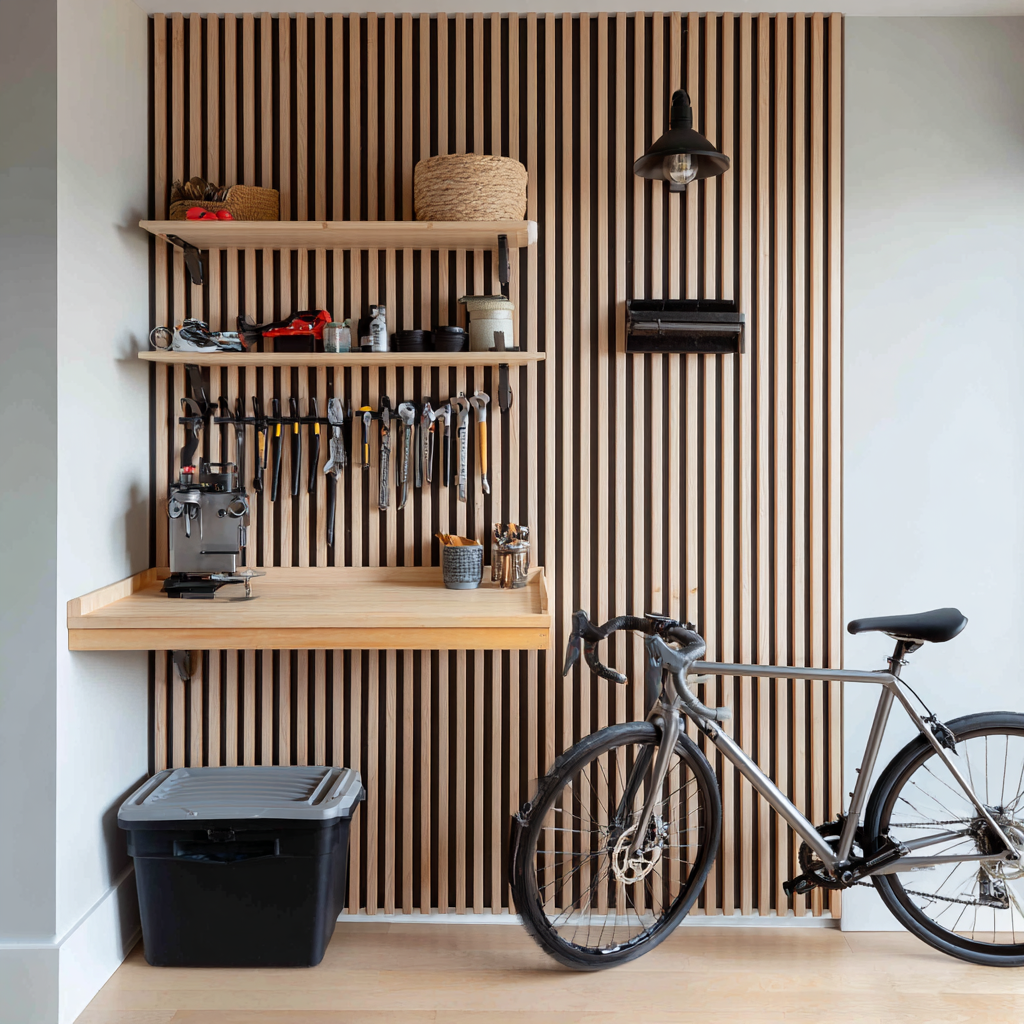
Clutter is the enemy of a usable garage, and the right storage system can reclaim a surprising amount of space. Wall-mounted slatwall panels are one of the most flexible starting points—hooks, bins, and shelves can all be repositioned as your needs change, without any permanent modifications to the wall. Overhead ceiling racks are particularly effective for bulky seasonal items like holiday decorations, camping gear, or luggage that don't need to be accessed regularly.
For smaller garage renovations, going vertical is the priority. A well-organized wall system can free up enough floor space to actually fit a car again. In larger garages, custom cabinetry along one or more walls creates a more polished, finished look while providing serious storage capacity—especially useful if the garage doubles as a workshop or hobby space.
Before investing in any system, do a full inventory of what you're actually storing. Grouping items by frequency of use helps determine what belongs on the wall, what goes overhead, and what can be stored elsewhere entirely.

Turn your renovation vision into reality
Get matched with trusted contractors and start your renovation today!
Find a Contractor
Most garages have little to no natural light beyond what comes through the door—which means the moment that door closes, the space feels dark and sealed off. Adding even a single window changes the character of the garage considerably, bringing in daylight, improving ventilation, and making the space feel more like a room and less like a storage unit. A few things worth thinking through before work begins:

The floor is one of the first things anyone notices when they walk into a garage. A bare concrete slab with cracks, stains, and pitting signals neglect—even if the rest of the space is clean and organized. A professionally applied epoxy or polyurea floor coating changes the look and feel of the entire space.
Beyond aesthetics, coated floors resist oil and chemical staining, hold up under heavy foot traffic and vehicle weight, and are significantly easier to clean—a spill wipes up rather than soaks in. Polyurea coatings, in particular, cure quickly and hold up better under temperature fluctuations than standard epoxy, making them a strong choice for garages in climates with harsh winters or hot summers.
Professional surface preparation is what separates a long-lasting coating from one that peels within a year or two. A contractor will grind or acid-etch the concrete before application to ensure proper adhesion.
For smaller garages, a single solid color or subtle flake finish tends to work well and keeps costs down. In larger garages, decorative flake or quartz broadcast systems can add visual interest while also providing additional grip underfoot.
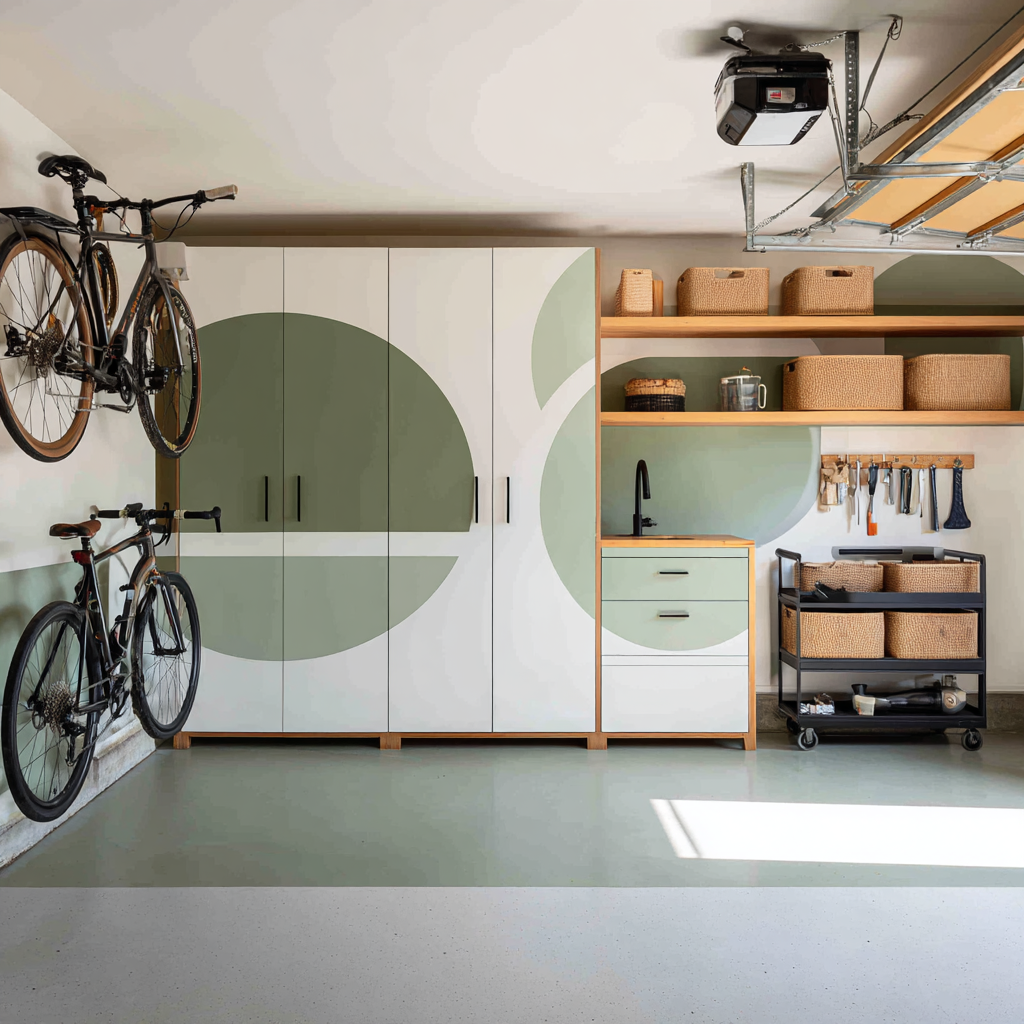
The garage door often covers a substantial portion of a home's facade—in some houses, it's the single largest visual element from the street. An aging, warped, or dated door can drag down curb appeal considerably, while a new one can reframe the entire exterior of the home.
Modern garage doors offer a wide range of styles and materials worth considering. Insulated steel doors are a practical all-around choice: durable, low-maintenance, and available in finishes that mimic wood grain if you want warmth without the upkeep. Carriage-house style doors with decorative hardware suit craftsman and traditional homes particularly well. Glass-panel doors—either full-view or with upper window sections—bring natural light into the garage and create a more contemporary look.
When replacing the door, it's worth upgrading the opener at the same time if it's more than ten years old. Modern openers are quieter, faster, and often include smart home integration that lets you monitor and control access remotely. For households with children or pets, auto-reverse sensors and motion-detection lighting add an additional layer of safety that older systems don't provide.
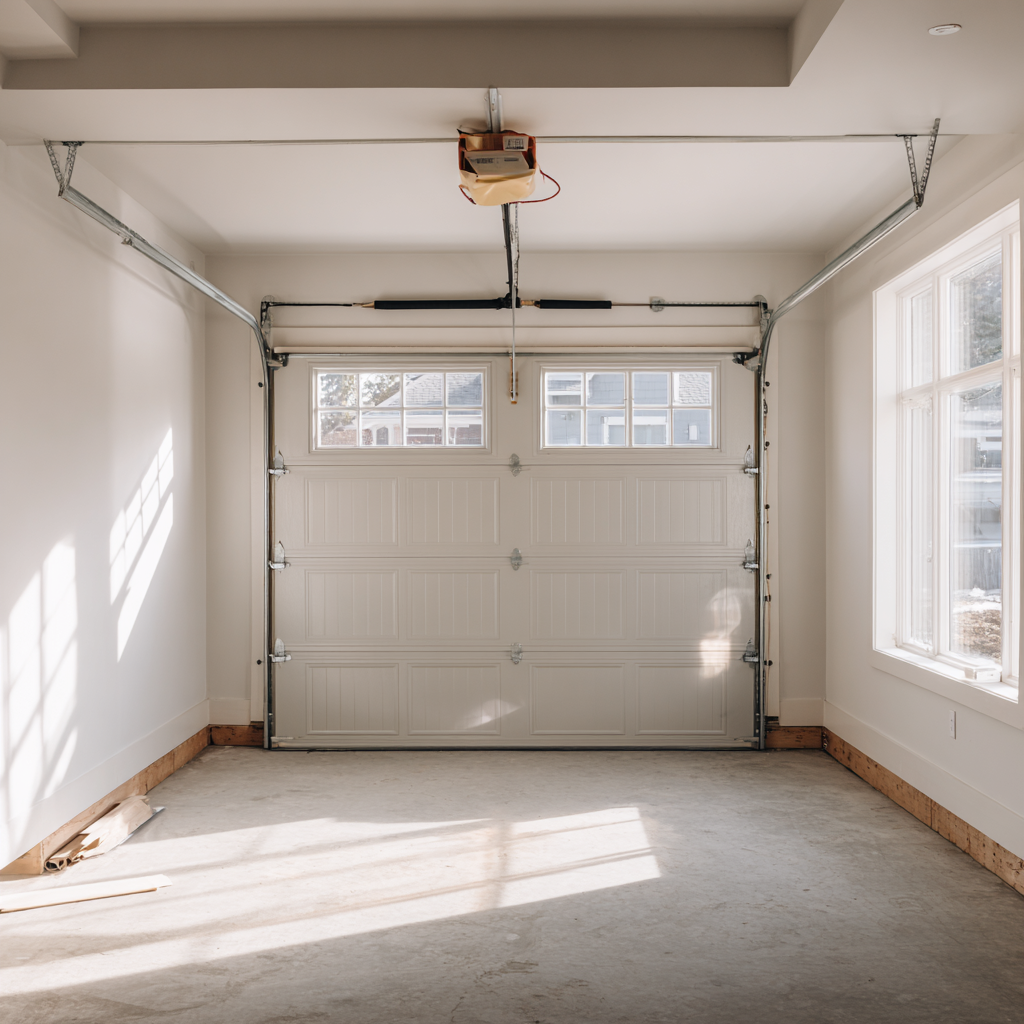
Most garages were built with just enough electrical capacity for a basic opener and a couple of outlets—nowhere near what's needed if the space is going to be used for anything more demanding. An electrician can assess your current panel capacity and add dedicated circuits where they're actually needed.
For workshop use, this typically means 20-amp circuits at workbench height, positioned so extension cords aren't running across the floor. For home gym layouts, consider where treadmills, cable machines, or other motorized equipment will live—these often require dedicated circuits to avoid tripping breakers.
A subpanel installed in the garage itself is worth considering if you anticipate significant ongoing electrical demand, as it gives you flexibility to add circuits later without running back to the main panel each time.
EV charging deserves its own conversation. A Level 2 charger requires a dedicated 240-volt circuit and can add 20 to 30 miles of range per hour of charging—a meaningful upgrade from a standard 120-volt outlet, which adds only three to five miles per hour. Even if you don't currently own an electric vehicle, roughing in the wiring now is a relatively low additional cost during an electrical project and positions the garage well for the future.
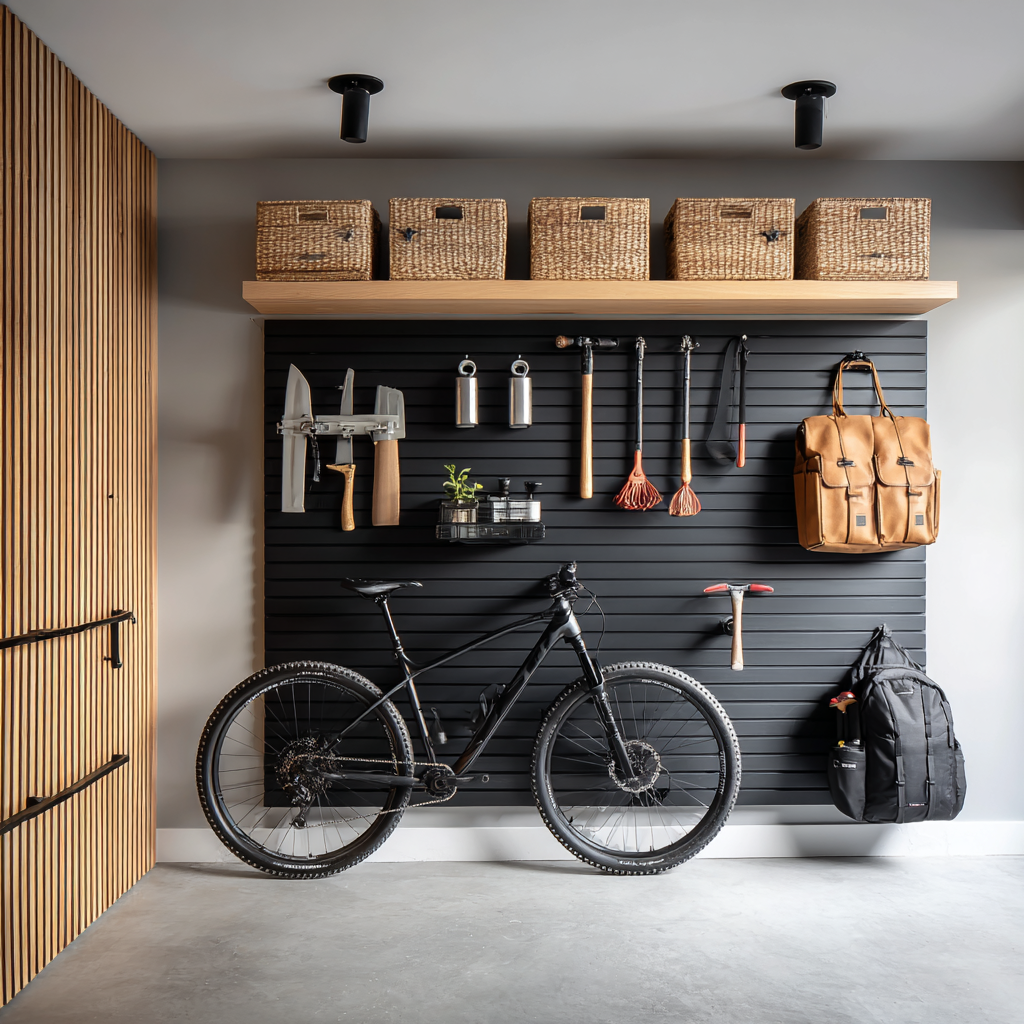
An uninsulated garage is uncomfortable for most of the year in the majority of climates—brutally cold in winter, sweltering in summer, and prone to moisture issues that can damage stored belongings and equipment. If the garage is going to function as anything beyond vehicle storage, insulation is a foundational upgrade worth doing properly.
Wall and ceiling insulation should be addressed together, since heat and cold infiltrate from every surface. Batt insulation between wall studs is standard, but spray foam is worth considering for garages with irregular framing or areas where air sealing is a priority. The garage door itself is often overlooked—an uninsulated door can undermine everything else, so replacing it with an insulated model (or adding an insulation kit to an existing door) is an important part of the equation.
For climate control, a mini-split system is the most efficient and flexible option. It provides both heating and cooling without requiring ductwork, and can be sized specifically for the garage's square footage. In garages used primarily for workshops or gyms, a dedicated heating unit may be sufficient if cooling isn't a concern. Either way, a properly insulated and climate-controlled garage extends the number of months it's genuinely usable—and makes every hour spent in it more comfortable.
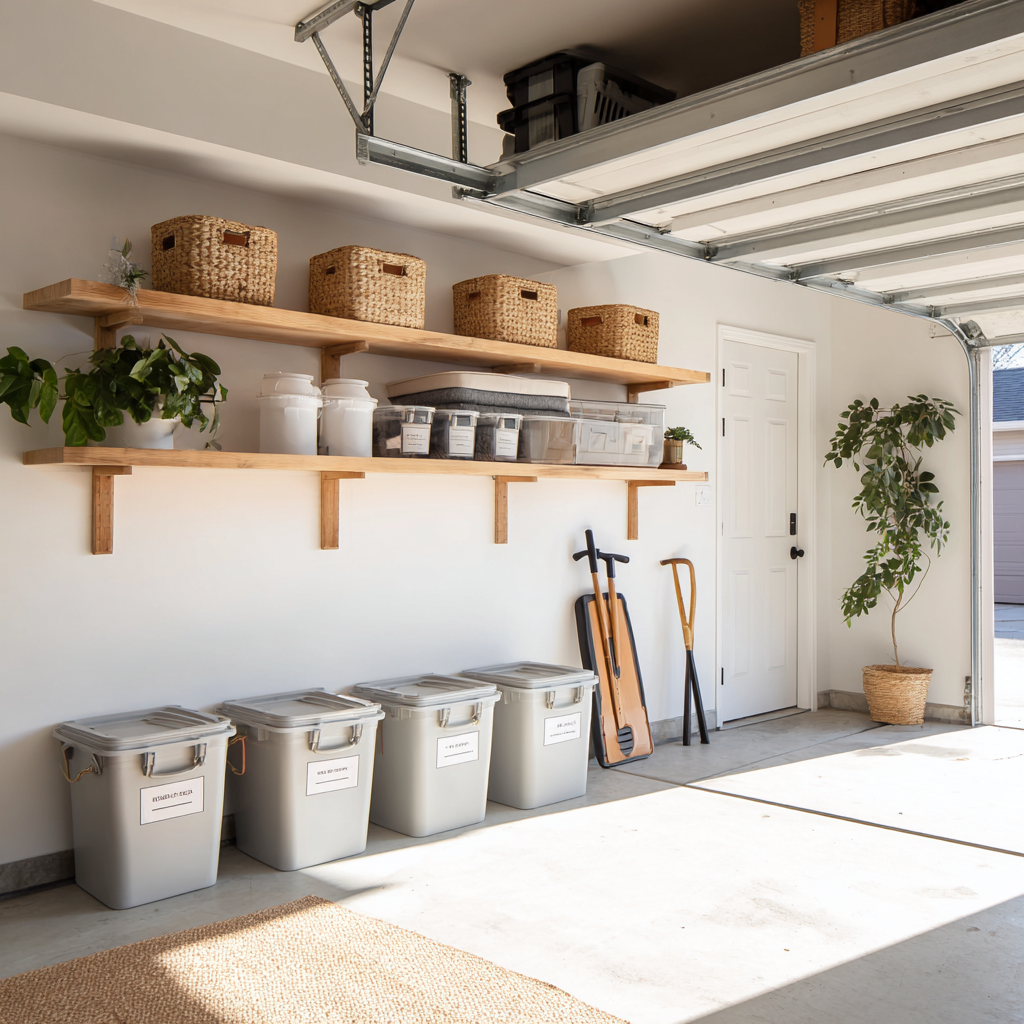
Converting garage space into finished living area is one of the more dramatic ways to add usable square footage without building an addition from scratch. A two-car garage, for instance, offers enough room to carve out a finished home office or studio while still retaining space for a single vehicle—or to convert the entire garage into a master suite or a spacious at home gym.
The planning and permitting process for a conversion is more involved than most homeowners expect. Converting garage space to occupied living space typically requires meeting specific egress requirements—windows of a minimum size and placement, or exterior door access—along with adequate ventilation, insulation, and in many jurisdictions, minimum ceiling height standards.
Electrical and plumbing work will almost certainly be part of the scope, depending on the intended use. In buildings with HOAs or co-op boards, advance approval is usually required before any structural work begins.
Working with a contractor who has specific experience in garage conversions is important here. The sequencing of trades—framing, insulation, electrical, plumbing, drywall, finish work—needs to be carefully coordinated, and permitting requirements vary significantly by municipality.
Where a conversion works within the existing footprint, an expansion changes it entirely. This might mean adding a second bay to a single-car garage, deepening the structure to accommodate longer vehicles or a dedicated workshop area, or building above the existing garage to create an ADU, guest suite, or additional living space.
Expansions are full construction projects—they require architectural drawings, structural engineering, and permits from your local department of buildings. Lead times for approvals can run anywhere from a few weeks to several months depending on your municipality, so building that runway into your planning timeline is essential.
Take note, lot coverage restrictions and setback requirements also vary by location and can affect what's actually feasible on your property, so an early conversation with a contractor or architect familiar with local zoning is a smart first step before getting too far into the vision.
The investment is significant, but for homeowners who plan to stay in their home long-term, an expansion can fundamentally change how the property functions—adding capacity, flexibility, and square footage that serves the household for years to come.
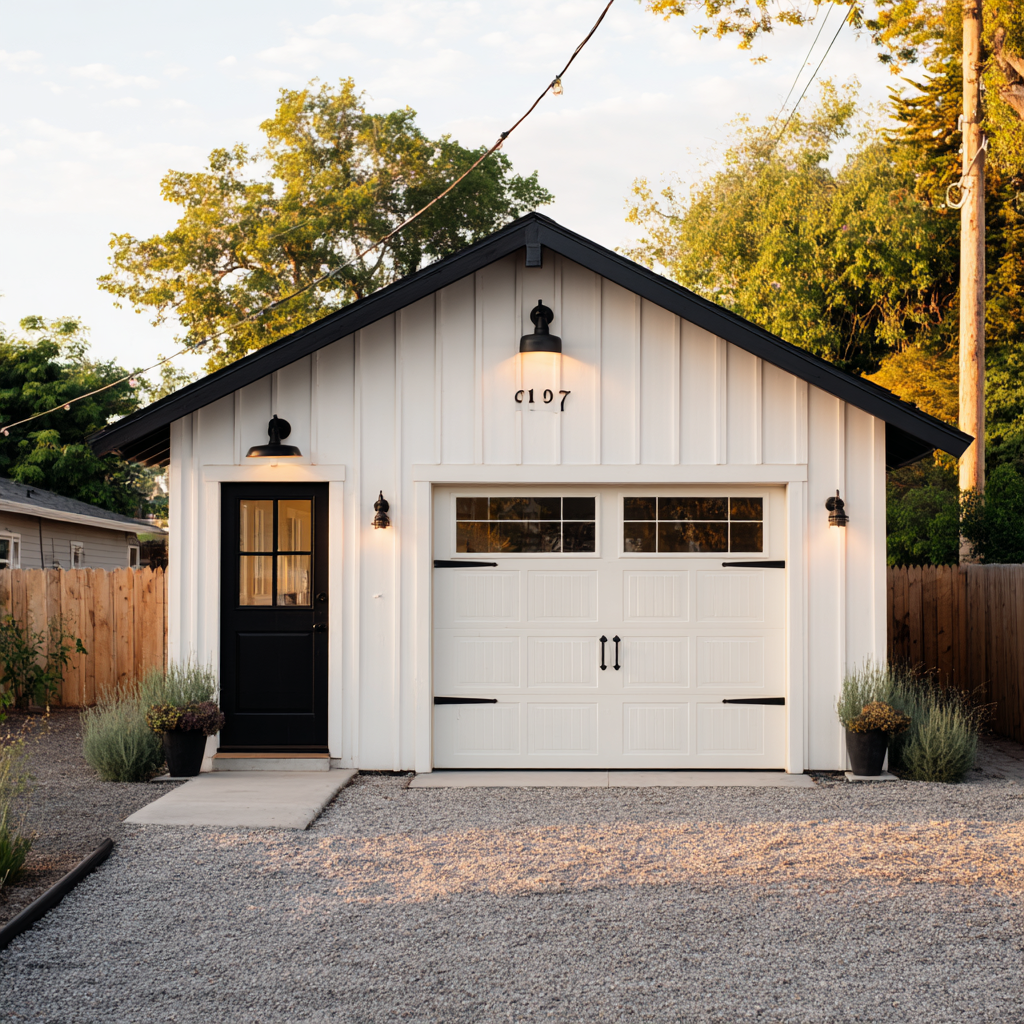
Block Renovation connects homeowners with thoroughly vetted, licensed, and insured contractors who can take on garage projects of any scale—from a flooring and organization refresh to a full structural conversion. Rather than searching on your own and comparing inconsistent quotes, Block matches you with professionals suited to your specific project, location, and goals.
With Block's Renovation Studio, you can start visualizing your space and getting a realistic sense of costs before you ever speak with a contractor. From there, Block's project planners are available to guide you through proposals, compare bids, and make sure you feel confident in every decision before work begins.
Remodel with confidence through Block

Connect to vetted local contractors
We only work with top-tier, thoroughly vetted contractors

Get expert guidance
Our project planners offer expert advice, scope review, and ongoing support as needed

Enjoy peace of mind throughout your renovation
Secure payment system puts you in control and protects your remodel


Renovate confidently with Block
Easily compare quotes from top quality contractors, and get peace of mind with warranty & price protections.
Garage
Cost to Build a 3-Car Detached Garage
10.04.2026
Garage
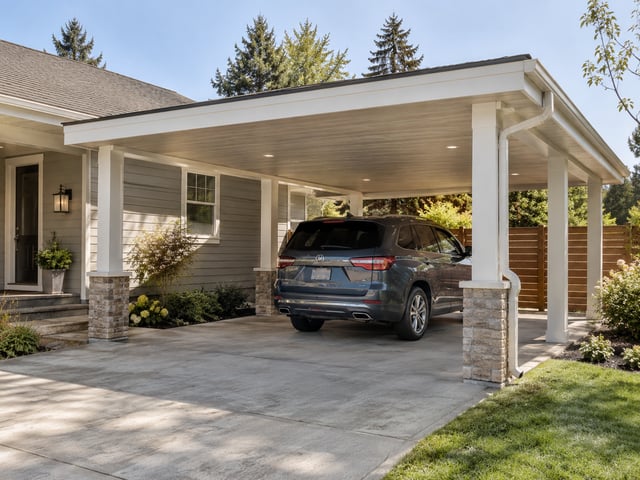
Carport vs. Garage: Which One Should You Build?
09.27.2026
Garage
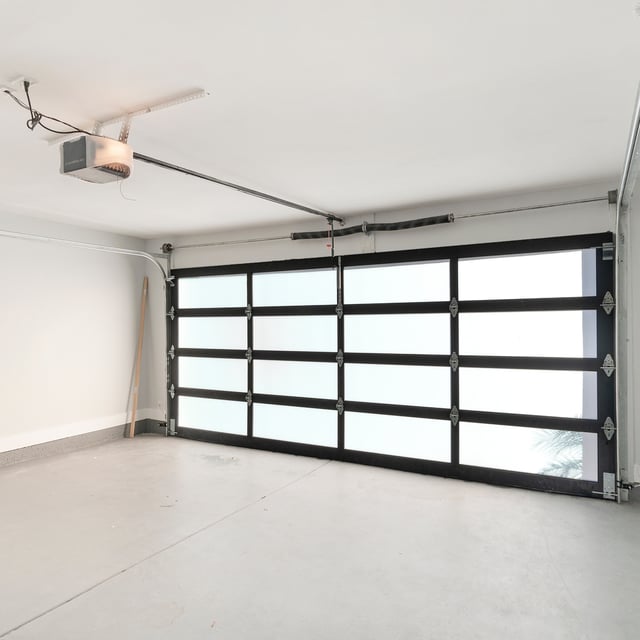
Converting a Room Into a Garage: Costs & Steps
09.25.2026

Garage
One-Car Garage Dimensions: Minimum & Standard Sizes
09.22.2026
Garage
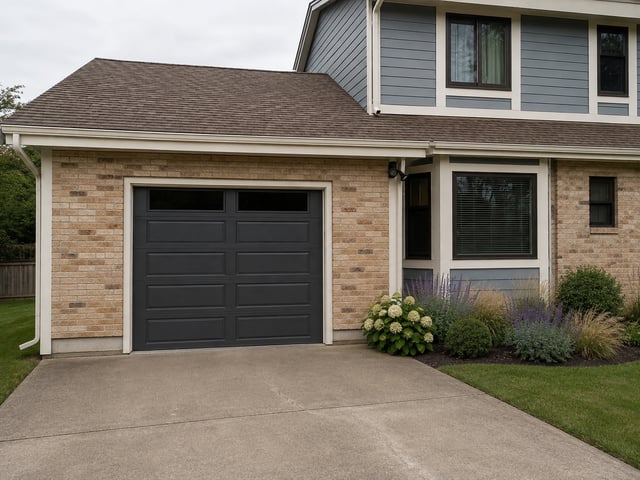
Brick Garage Cost: Prices by Size, Structure, and Finish
09.03.2026