



Flooring
Wood Floors in Bathrooms: Pros, Cons & Is It a Good Idea
07.14.2026
12.12.2025


In This Article
Bamboo and eucalyptus flooring are both smart, sustainable options that have earned the attention of homeowners seeking durability with a natural look. Each brings its own strengths to the table, whether you’re focused on eco-friendly sourcing, day-to-day resilience, or how the floor ties your whole space together. Before deciding, it’s important to explore how bamboo flooring compares to eucalyptus flooring, and where the pros and cons of each could make a difference in your renovation journey.
|
Bamboo |
Eucalyptus |
|
|
Durability |
Tough, can dent |
Extremely hard |
|
Style |
Smooth, versatile |
Bold grain, warm |
|
Moisture |
Moderately resistant |
Slightly better |
|
Cost |
Lower to mid-range |
Mid-range |
|
Availability |
Widely available |
Less common |
Bamboo flooring is often chosen for its mix of clean design and environmental benefits. Here’s what you can expect if you install it at home:
Bamboo flooring pros:
Eco-friendly: Bamboo is a highly renewable resource, ready to harvest in just a few years.
Budget-friendly: Generally priced lower than traditional hardwood and many eucalyptus flooring options.
Versatile appearance: Available in a broad range of hues, plank sizes, and finishes, from pale and modern to classic and rich.
Engineered bamboo flooring offers increased predictability: Engineered versions are more stable in areas with changing humidity or temperature and can sometimes be installed in basements where solid wood is less suited.
Easy to find: Most flooring retailers offer multiple bamboo options, so you can find styles and pricing that work for you.
Bamboo flooring cons:
Sensitivity to moisture: Prolonged exposure or major spills can cause warping, so it still isn’t ideal for bathrooms or below-grade spaces.
Variable durability: Not all bamboo is created equal; cheaper products are softer and more prone to dents or scratches from pets, shoes, and dropped items, especially compared to eucalyptus flooring.
UV sensitivity: Bamboo can fade or discolor with long-term exposure to strong sunlight.
Some limits for refinishing: Many engineered bamboo planks have a thin wear layer, which can restrict how often you can sand or refinish the floor over its lifetime.
Renovate with confidence every step of the way
Step 1: Personalize Your Renovation Plan
Step 2: Receive Quotes from Trusted Contractors
Step 3: Let Us Handle the Project Details
Eucalyptus flooring is less common than bamboo flooring, but it’s increasingly in popularity due to its standout grain patterns and serious toughness.
Eucalyptus flooring pros:
Exceptional durability: Eucalyptus is dense and very hard compared to bamboo flooring, making it a strong defense against scratches, dents, and heavy traffic.
Sustainable option: Though slower-growing than bamboo, eucalyptus still matures much faster than most hardwood trees.
Unique, warm look: Characterized by bold grain and rich color, eucalyptus flooring lends personality to any room.
Better moisture handling: Its density offers slightly more natural water resistance than bamboo, holding up better to incidental spills.
Eucalyptus flooring cons:
Higher cost and less availability: Eucalyptus is generally pricier than bamboo, and you may need to look beyond big-box retailers to source it locally.
Limited style range: Fewer finishes and colors compared to bamboo, which may not suit every design scheme.
Engineered eucalyptus flaws: While engineered versions exist, choices are limited, and the hardness can make installation and refinishing more difficult.
Still not waterproof: Regular care is needed to avoid long-term moisture damage and the density can make repairs challenging.
Eucalyptus is simply one of the toughest choices for residential flooring. Its high-density fibers resist dents, dings, and scratches far better than most bamboo and even outperform many hardwoods. If you have kids, pets, or rooms that see a lot of activity, eucalyptus keeps its surface looking fresh for longer and needs fewer repairs along the way.
What sets bamboo apart is its flexibility. With so many colors, plank widths, and surface treatments, it fits seamlessly into nearly any look—from modern minimal to cozy traditional. This variety makes it an easy match for different spaces and project budgets. And since it’s widely available, it’s easy to compare samples, get straight answers on price, and mix and match until you land on what feels right.
Bamboo is celebrated as one of the most renewable materials used in flooring. Unlike trees, which can take decades to mature, bamboo is a fast-growing grass. It can be harvested every three to five years, often without needing to replant, and does not require heavy pesticide or fertilizer inputs. This rapid renewal cycle and low impact on soil make it the most eco-friendly option between the two. Eucalyptus is still far more sustainable than traditional hardwoods, reaching maturity in about ten to fifteen years and often grown in responsibly managed groves. Still, bamboo’s unmatched speed and minimal resource demand give it the clear edge for homeowners prioritizing sustainability in their renovation choices.
Both bamboo and eucalyptus perform better than most woods when it comes to resisting moisture, but eucalyptus’s natural density sets it apart. Spills, humidity changes, and occasional dampness—such as what you might see near an exterior door or in a busy kitchen—are less likely to cause warping or swelling with eucalyptus flooring. While still not built for standing water or chronically wet spaces, eucalyptus provides a little more peace of mind if your home is prone to tracked-in moisture, high humidity, or if you simply want a surface that takes routine cleaning in stride. Bamboo, especially in engineered forms, performs well overall, but eucalyptus is the safer bet for those unpredictable, damp moments.
Bamboo makes it easier to stick to your budget without compromising on quality or style. The production process is efficient, and the quick growth cycle keeps prices competitive. Homeowners can find solid, engineered, and strand-woven bamboo products at a range of price points—often lower per square foot than high-quality eucalyptus. Shopping for bamboo is also more straightforward, as it’s widely stocked at large retailers and specialty suppliers alike, giving you plenty of options for in-person sampling and quick delivery. Eucalyptus, by contrast, can command a higher price due to its density and limited availability, which might mean longer lead times or fewer choices. For most homeowners, bamboo delivers more value and convenience when considering cost and sourcing.
Bamboo and eucalyptus floors both ask for simple, consistent care. Regular sweeping or vacuuming keeps grit from affecting the finish, while a slightly damp mop is enough to manage daily messes. Both flooring types benefit from immediate cleanup of spills and periodic humidity control within your home. Eucalyptus’s density makes it a little harder to scratch, offering an advantage for busy rooms, but this same feature can make professional refinishing more challenging. Engineered bamboo floors, on the other hand, may only be refinished a limited number of times depending on the thickness of the top layer. Protective pads under furniture, area rugs in high-traffic zones, and gentle, pH-neutral cleaners are smart choices for both materials.
Choosing the right flooring is just one step toward building a home that feels truly your own. With Block Renovation, you don’t have to navigate the renovation process alone. From comparing materials like bamboo and eucalyptus flooring to creating a clear project plan, Block offers expert guidance every step of the way. Our platform connects you with thoroughly vetted local contractors, delivers transparent pricing, and provides expert-reviewed project scopes—keeping your vision front and center, and your peace of mind intact. Whether you’re just starting to dream or ready to break ground, Block makes it possible to shape a space you’ll love coming home to, today and for years to come.
Remodel with confidence through Block

Connect to vetted local contractors
We only work with top-tier, thoroughly vetted contractors
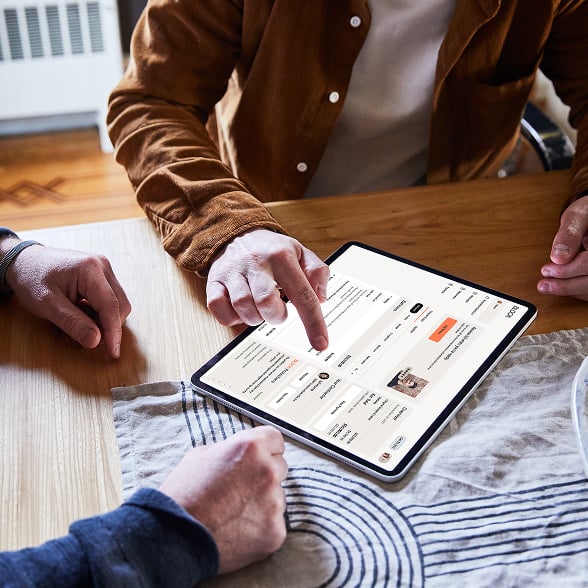
Get expert guidance
Our project planners offer expert advice, scope review, and ongoing support as needed
Enjoy peace of mind throughout your renovation
Secure payment system puts you in control and protects your remodel
Renovate confidently with Block
Easily compare quotes from top quality contractors, and get peace of mind with warranty & price protections.
Flooring
Wood Floors in Bathrooms: Pros, Cons & Is It a Good Idea
07.14.2026
Flooring
Cheap Flooring: Best Budget Options and the Risks
07.04.2026

Flooring
Engineered Wood Flooring vs Laminate: Cost & Durability
07.02.2026
Flooring
Flooring Made in USA: Hardwood & Engineered Wood Brands
07.01.2026
Cost
Radiant Floor Heating Cost in 2026: Bathrooms & More
06.27.2026