


Building a Custom Home in Grand Rapids: What Michigan Homeowners Need to Know

Budget your upcoming Grand Rapids custom home build with help from Block
How we get your estimate
Fill out the form above to either connect with contractors for a personalized quote or estimate your costs with Block's Renovation Studio.
White farmhouse with a cozy porch, black door, and planters.

In This Article

    Grand Rapids has quietly emerged as one of the Midwest’s most dynamic cities, powered by a diverse economy spanning furniture manufacturing heritage, a nationally recognized healthcare sector led by Spectrum Health and the Van Andel Institute, and a craft beer and culinary scene that punches well above its weight. The city’s revitalized downtown, affordable cost of living relative to coastal metros, and access to Lake Michigan’s shoreline just 30 minutes to the west have made it a magnet for families and professionals seeking genuine quality of life without the price tags of larger cities.

    Building custom in the Grand Rapids area, however, means working with Michigan’s variable soils—sandy near the lakeshore and clay-heavy inland—designing for a climate delivering both bitter winters and humid summers, and navigating a construction market where skilled trades remain in high demand. Understanding these West Michigan realities before breaking ground is essential.

    Design a Home That’s Uniquely Yours

    Block can help you achieve your renovation goals and bring your dream remodel to life with price assurance and expert support.

    Get Started

    Cost and timeline overview for future Grand Rapids homeowners

    Getting a clear picture of Grand Rapids’s building economics is important because the metro has seen significant cost escalation as population growth and investment have outpaced housing supply.

    Custom home construction in the Grand Rapids area typically costs $175 to $325 per square foot for mid-range to high-end builds, with luxury projects in East Grand Rapids, Ada, or along the Lake Michigan shoreline pushing toward $400 or beyond. For a 2,500-square-foot home, expect a construction budget of $437,000 to $812,000 before land. Material costs benefit from Michigan’s proximity to Great Lakes lumber and aggregate resources. However, Michigan’s energy code and the demanding four-season climate require building envelope specifications that add to construction costs while delivering long-term efficiency gains.

    Lot conditions vary considerably across the metro. Established neighborhoods like East Grand Rapids and Ada Township command premium land prices reflecting school quality and community character, while growing communities in Byron Center, Caledonia, and Rockford offer newer infrastructure at more accessible price points. West Michigan’s skilled labor market remains tight, with construction trades competing across residential, commercial, and industrial sectors.

    The largest factors in determining cost

    Foundation work is a significant cost variable in Grand Rapids, where frost depth reaches 42 inches and full basements are the market standard. Inland lots often sit on heavy clay requiring careful drainage engineering, while lakeshore-area properties feature sandy soils that drain well but may present different structural considerations. Framing accounts for roughly 20% of the build and reflects Michigan’s competitive carpentry market. Mechanical systems demand robust heating for sub-zero winters and effective cooling and dehumidification for humid summers. Finish selections carry the usual range—custom kitchens in the Grand Rapids market run from $35,000 to over $90,000 depending on materials and complexity.

    Examples of upgrades that will push your budget higher

    The following upgrades are commonly requested in the Grand Rapids market but carry significant cost implications:

    • Heated garage floors and snow-melt driveway systems addressing West Michigan’s significant lake-effect snowfall.
    • Whole-house generator systems for protection against winter ice storms and severe summer weather.
    • In-floor radiant heating paired with high-efficiency boilers, popular for their even, comfortable warmth.
    • Finished walkout basements with full kitchens and recreation spaces, a standard expectation in the custom market.
    • Triple-glazed window packages exceeding Michigan’s energy code for superior thermal performance and noise reduction.
    • Covered outdoor living spaces with built-in heating, designed for use during West Michigan’s cool spring and fall seasons.
    • Smart home integration with whole-house automation, security, and energy management systems.

    Loose timelines for custom home builds in Grand Rapids

    Most custom builds in Grand Rapids take 12-18 months from planning to move-in, with construction spanning 8-12 months. Michigan’s winters limit exterior work from December through March, and West Michigan’s lake-effect snowfall can be particularly disruptive. Builders breaking ground in spring can typically enclose the structure by late fall and complete interior work through winter. Permitting in Kent County and its municipalities generally takes four to six weeks for standard residential projects, though projects in townships with minimal building departments may process differently.

    Finding the right site in Grand Rapids for your custom home

    An experienced West Michigan builder can help you evaluate a lot’s development costs and hidden challenges before purchase. Kent County’s terrain ranges from urban infill to rolling farmland, and conditions vary significantly. Key considerations include:

    • Soil quality and site stability. Grand Rapids’s soils vary from heavy clay in the river valley and inland areas to sandy loam in western Kent County and near the lakeshore. Clay soils expand and contract seasonally, creating movement stressing foundations, while sandy soils drain well but may require different foundation designs. Geotechnical testing is recommended on any lot, particularly in the Grand River corridor where alluvial deposits create variable bearing capacity.
    • Utilities access. Most lots in Grand Rapids and established suburbs have municipal water, sewer, gas, and electric, with connection fees typically ranging from $3,000 to $12,000. Properties in more rural townships may require wells and septic systems, and some developing areas have limited sewer capacity affecting timing.
    • Zoning and restrictive covenants. Zoning varies by municipality across Kent County, and the region’s township-based governance means building requirements can differ significantly between adjacent communities. Desirable custom home communities in Ada, East Grand Rapids, and Cascade often carry architectural review standards governing exterior style, materials, and landscaping.
    • Lot slope and drainage. The Grand River corridor and its tributaries create rolling terrain throughout much of the metro, and properties on ridges or near waterways may require engineered grading and drainage. Grand Rapids receives approximately 38 inches of rain annually plus substantial lake-effect snow, making stormwater management important on any sloped lot.
    • Proximity to amenities. Grand Rapids’s compact metro means most custom home sites are within 20 minutes of the medical mile, downtown cultural institutions, and major employers. Access to the extensive trail network, proximity to top-rated schools in Forest Hills, East Grand Rapids, and Rockford, and convenience to Lake Michigan’s beaches all influence desirability.
    • Environmental concerns or hazards. Properties along the Grand River and tributaries may fall within FEMA flood zones, and West Michigan’s flat terrain in some areas creates drainage challenges during spring snowmelt. Radon levels in Kent County are generally moderate, but testing is recommended for any new construction. Some former industrial sites in and around the city may require environmental assessment before residential development.
    • View, orientation, and privacy. Properties on the ridges east and southeast of the city offer views of the Grand River valley, while lots in Ada and Cascade provide wooded, rolling terrain with natural privacy. Southern exposure maximizes passive solar gain during Michigan’s long winters, a meaningful consideration for both comfort and energy costs.

    Grand Rapids homeowners building custom typically prioritize access to the metro’s excellent school districts—Forest Hills, East Grand Rapids, and Rockford consistently rank among Michigan’s best—along with reasonable commute times, recreational access, and the neighborhood character distinguishing the region’s most desirable communities.

    Renovate now, pay later

    Achieve the space you're looking for today, while financing it over time with our trusted partner.*

    *Not available in NYC

    Learn More
    Popular custom home styles and trends in Grand Rapids

    Grand Rapids’s custom home market blends Midwestern practicality with a growing appreciation for architectural distinction and craftsmanship.

    • Modern craftsman designs are the most popular style in Grand Rapids’s custom market. Natural materials, covered porches, and handcrafted details create homes with warmth and character fitting West Michigan’s sensibility. Open floor plans and energy-efficient construction update the traditional craftsman vocabulary for contemporary living.
    • Modern farmhouse designs resonate strongly with Grand Rapids buyers. Board-and-batten siding, metal roofing accents, and oversized windows connect new homes to West Michigan’s agricultural heritage while delivering bright, open interiors. This style has become especially popular in growing communities like Byron Center and Caledonia.
    • Transitional designs blending traditional and contemporary elements represent a growing segment. Clean exterior lines with mixed materials—brick, stone, and wood—paired with open, light-filled interiors create homes complementing a range of neighborhood contexts from East Grand Rapids to Rockford.
    • Lake-influenced designs with expansive windows and natural materials define the premium tier. Homes inspired by Michigan’s cottage and lodge traditions use timber accents, stone exteriors, and large glass openings to connect with the natural landscape. These designs work well on wooded lots in Ada and Cascade where terrain provides both views and privacy.
    • Energy-efficient and sustainable designs reflect Grand Rapids’s progressive environmental values. The city’s leadership in sustainability has influenced the custom market, with growing demand for high-performance envelopes, geothermal systems, solar installations, and sustainable material sourcing from the region’s forestry resources.
    • Four-season outdoor living spaces are essential in West Michigan’s custom homes. Screened porches, sunrooms, and covered terraces with supplemental heating extend the usable season well beyond the compressed summer. Fire features, outdoor kitchens, and heated flooring under covered areas make these spaces genuinely functional from April through November.
    • Multigenerational layouts with flexible spaces address evolving family needs. Finished basements with walkout access, first-floor suites with accessibility features, and bonus spaces above garages provide flexibility that West Michigan’s family-oriented culture demands. These add modest cost during construction but are far more expensive to retrofit later.
    • Smart home integration has become a baseline expectation in the custom market. Whole-house automation controlling lighting, climate, security, and entertainment—pre-wired during construction rather than retrofitted—reflects the region’s tech-savvy buyer demographic and adds both convenience and resale value.
    Meredith Sells

    “Making design decisions early keeps construction moving and prevents costly change orders.”

    Preparing for unique local challenges

    Building in Grand Rapids means designing for West Michigan’s specific combination of climate, soil, and weather patterns.

    Lake-effect weather and winter severity

    Grand Rapids’s location downwind of Lake Michigan means the metro receives substantially more snowfall than communities at similar latitudes—often 60-80 inches per season. This drives specific construction requirements: roof systems must handle heavy, wet snow loads exceeding 30 pounds per square foot; ice dam prevention through proper attic insulation, ventilation, and ice-and-water shield at eaves is critical; and heated gutters or snow guards may be necessary on complex rooflines. Builders experienced in West Michigan design homes managing snow accumulation and ice formation proactively rather than reactively.

    Variable soils and drainage management

    Grand Rapids’s geology transitions from heavy clay in the river valley to sandy loam in the western suburbs, and this variability can occur within a single development. Clay soils expand when wet and contract when dry, stressing foundations, while sandy soils drain too quickly and may require different approaches to basement waterproofing. Geotechnical testing on any lot identifies the specific soil profile and informs foundation design, drainage strategy, and grading requirements. Experienced West Michigan builders treat soil assessment as a prerequisite to design, not an afterthought.

    Humidity management across seasons

    West Michigan’s climate creates moisture challenges in both summer and winter. Summer humidity frequently exceeds 70%, promoting mold and wood rot in poorly detailed assemblies, while winter heating dries interior air dramatically, creating condensation risk on cold surfaces. Effective envelopes manage moisture in both directions—vapor barriers, ventilated wall assemblies, and properly sized dehumidification and humidification systems are essential. Builders who understand moisture dynamics specify assemblies that dry effectively in all seasons.

    Skilled labor competition

    West Michigan’s construction labor market competes across residential, commercial, healthcare, and industrial sectors, with major institutional projects in downtown Grand Rapids and the medical mile drawing tradespeople from residential work. This affects both pricing and scheduling for custom projects, particularly during peak season from April through October. Builders with established, long-term subcontractor relationships are better positioned to maintain quality and schedule than those assembling crews project by project. Asking prospective builders about their subcontractor relationships and scheduling during peak periods reveals their ability to deliver on timeline commitments.

    Questions to ask Grand Rapids home builders when making your final selection

    Finding the right Grand Rapids builder means evaluating both technical competence and the trust you’ll need throughout a year-long working relationship.

    • How many custom homes have you completed in the Grand Rapids metro in the past five years? West Michigan’s soil variability, lake-effect weather, and municipal permitting differences mean local experience matters significantly. A builder with an active Kent County track record has established subcontractor relationships and familiarity with area-specific requirements.
    • What foundation and waterproofing approach do you specify for this area’s soil conditions? The answer separates experienced West Michigan builders from those learning on your project. Look for soil-specific foundation engineering, comprehensive exterior waterproofing, and drainage systems designed for the clay and water table conditions common across the metro.
    • How do you design building envelopes for West Michigan’s climate extremes? Grand Rapids’s combination of winter cold, summer humidity, and lake-effect precipitation demands deliberate envelope design. Builders articulating specific insulation, air-sealing, and moisture management strategies demonstrate understanding of what makes homes perform well here.
    • How do you manage subcontractor relationships and scheduling? In a competitive labor market, the builder’s ability to attract and retain quality trades directly affects quality and timeline. Ask about long-term subcontractor relationships and how they handle scheduling during the compressed building season.
    • What is your current project load, and who will manage my build daily? Overcommitted builders struggle with quality and scheduling. Confirm a dedicated project manager oversees your build and isn’t split across more jobs than one person can effectively manage.
    • How do you structure contracts and handle change orders? Whether fixed-price or cost-plus, clear documentation and written approval requirements protect your budget. Understanding risk allocation helps you choose the arrangement matching your comfort level.
    • Can you provide references from clients who built in my target community? An East Grand Rapids lot presents different requirements than a rural Byron Center property. Community-specific references confirm the builder understands your area’s soil, zoning, and architectural expectations.
    • What warranty do you provide, and how responsive are you after move-in? Michigan’s construction laws provide some statutory protections, but warranty terms vary. A one-year workmanship warranty is standard, and the builder’s actual responsiveness to post-move-in issues is what matters most.

    Additional articles to help prepare you for the home building process

    • How to Finance Building a Home - Know Your Options: This guide covers construction loan structures and draw schedules Grand Rapids buyers will navigate. Understanding financing early helps negotiate favorable terms with Michigan lenders and manage cash flow during the build.
    • Most Cost Effective Types of Homes to Build: This article compares approaches maximizing value per dollar—relevant for Grand Rapids buyers where efficient design can free up budget for energy-efficient features and finishes that West Michigan’s market increasingly demands.
    • Tearing Down to Rebuild - Understanding Costs & Trade-Offs: Established neighborhoods like East Grand Rapids, Heritage Hill, and parts of Ada offer desirable lots with aging homes. This guide helps evaluate whether demolition and new construction delivers better value than renovation.
    • Remodeling Costs Per Square Foot by Room: For homeowners weighing a custom build against renovation, this room-by-room breakdown provides benchmarks for comparison. It’s useful for evaluating older homes where kitchen and basement renovation costs can approach new construction prices.

    Partner with Block to find your ideal Grand Rapids home builder

    Block Renovation connects Grand Rapids homeowners with vetted local builders whose West Michigan experience, communication approach, and current capacity align with your custom home project. Block’s matching process pairs you with professionals screened for licensing, insurance, and demonstrated quality in the Grand Rapids market.

    Block Protections keep your investment secure with progress-based payments released as milestones are completed, ensuring your contractor stays motivated and your budget under control. Every builder in Block’s network provides a workmanship warranty, giving Grand Rapids homeowners confidence in quality and durability.

    Ready to move ahead? Talk to Grand Rapids custom home builders to get started.

    If building a custom home in Grand Rapids is your next move, start by connecting with builders who understand West Michigan’s unique combination of opportunity, climate, and craftsmanship tradition. Block can match you with experienced local professionals ready to help you find the right site, design for the conditions, and build the home your family deserves.

    Remodel with confidence through Block

    Happy contractor doing an interview

    Connect to vetted local contractors

    We only work with top-tier, thoroughly vetted contractors

    Couple planning their renovation around the Block dashboard

    Get expert guidance

    Our project planners offer expert advice, scope review, and ongoing support as needed
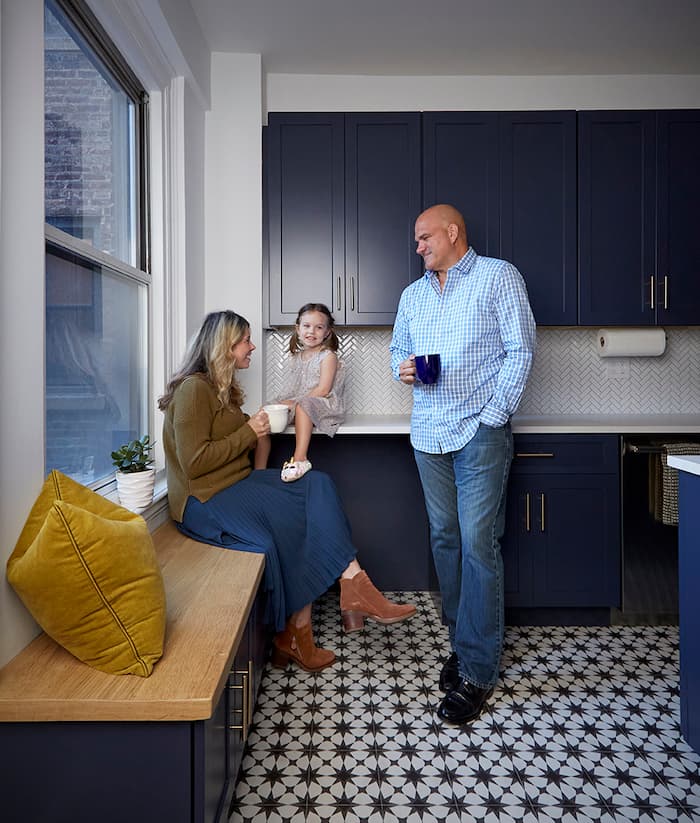
    Familty enjoying coffee in their newly renovated modern ktchen

    Enjoy peace of mind throughout your renovation

    Secure payment system puts you in control and protects your remodel

    Get Started