



Design
Bathtub to Shower Conversion: Cost, Ideas, Examples & More
08.11.2026
03.19.2025


In This Article
Adding a bathroom to your house can be an exciting project that enhances comfort and home value. On average, a bathroom addition can range from $5,000 to $35,000, but this is just an estimate. Factors such as bathroom type, size, and location can greatly influence the final price. Stick around to discover everything you need to know about budgeting for your new bathroom, as these figures can change based on various considerations. Let's get started!
When budgeting for a new bathroom, one of the primary considerations is the type of bathroom you wish to add. Each type offers different features and requires varying levels of installation effort, leading to a range of costs. Whether you're considering a compact half bathroom or a spacious luxury bathroom, understanding these differences can help you make informed decisions. Let's take a closer look at the costs associated with different types of bathrooms, starting with half bathrooms and working our way up to luxury options.
|
Bathroom Type
|
Approximate Cost
|
|
Half Bathroom
|
$5,000–$15,000
|
|
Full Bathroom
|
$15,000–$35,000
|
|
Wet Room
|
$10,000–$50,000
|
|
Jack and Jill
|
$20,000–$40,000
|
|
Primary Bathroom
|
$35,000–$75,000
|
|
Luxury Bathroom
|
$50,000–$100,000+
|
A half bathroom, also known as a powder room, is a compact space typically featuring just a toilet and a sink. It's often added to the main floor for guests' convenience and can range in size from 15 to 25 square feet. This makes it a space-saving and cost-effective choice, with expenses usually falling between $5,000 and $15,000 based on design preferences and materials.
Due to their smaller size, half bathrooms require less plumbing and square footage, making them more budget-friendly than larger bathrooms. However, costs can still vary depending on factors like fixture quality, the specific location within the home, and any necessary structural changes.
A full bathroom provides a complete bathing experience with essential fixtures like a toilet, sink, shower, and bathtub. Typically ranging from 40 to 60 square feet, it's a versatile addition that can serve as a primary bathroom or a shared family bathroom. The cost of adding a full bathroom generally ranges from $15,000 to $35,000, depending on features and finishes chosen. This type of bathroom requires more space and plumbing than a half bathroom, which can drive up the costs. However, a well-designed full bathroom can add significant value and functionality to your home, offering a perfect balance of convenience and luxury for everyday use.
A wet room is a stylish and modern type of bathroom where the shower is open or set behind a single wall, and the entire space is waterproofed. Typically, wet rooms range from 40 to 60 square feet, allowing for more flexible design options. The cost to install a wet room can vary greatly, typically falling between $10,000 and $50,000, depending on the level of customization and materials used.
Since a wet room requires comprehensive waterproofing and special drainage systems, installation can be more complex and potentially costly. However, this type of bathroom offers a sleek, open layout that maximizes space, providing aesthetic appeal and ease of cleaning.
A Jack and Jill bathroom is designed to be shared between two bedrooms, featuring access from each room. This bathroom typically includes two sinks, a shared toilet, and a combination shower/tub, often spanning around 40 to 60 square feet. The cost to add a Jack and Jill bathroom generally ranges from $20,000 to $40,000, influenced by elements like layout complexity and material selections.
This style of bathroom is particularly popular in family homes, as it offers both shared utility and private access, making morning routines more manageable. While it requires thoughtful planning to accommodate multiple entrances and adequate space, a well-executed Jack and Jill bathroom can enhance both functionality and privacy for household members.
The primary bathroom, often referred to as the master bathroom, is typically the largest and most luxurious bathroom in a home. Commonly ranging from 100 to 210 square feet, it usually includes dual sinks, a separate shower and bathtub, and sometimes additional features like a toilet room or walk-in closet. The cost to add a primary bathroom typically spans from $35,000 to $75,000, driven by the scale and level of luxury desired.
As a personal retreat space, the primary bathroom often incorporates high-end fixtures and finishes, contributing to the higher end of the budget spectrum. Despite the substantial investment, a well-designed primary bathroom enhances the comfort and aesthetic of your home, potentially increasing its overall market value.
A luxury bathroom epitomizes opulence and comfort, offering an expansive space of over 150 square feet with top-of-the-line fixtures and finishes. Typically, this bathroom includes features like heated floors, a steam shower, a soaking tub, state-of-the-art technology, and custom cabinetry. Costs for a luxury bathroom addition can start around $50,000 and exceed $100,000, depending on the level of customization and premium materials used.
Creating a luxury bathroom involves a substantial investment, but it provides a spa-like experience right at home, combining functionality with lavish design. Such an addition can significantly elevate your home's appeal and value, promising not only personal indulgence but also a unique selling point if the property hits the market.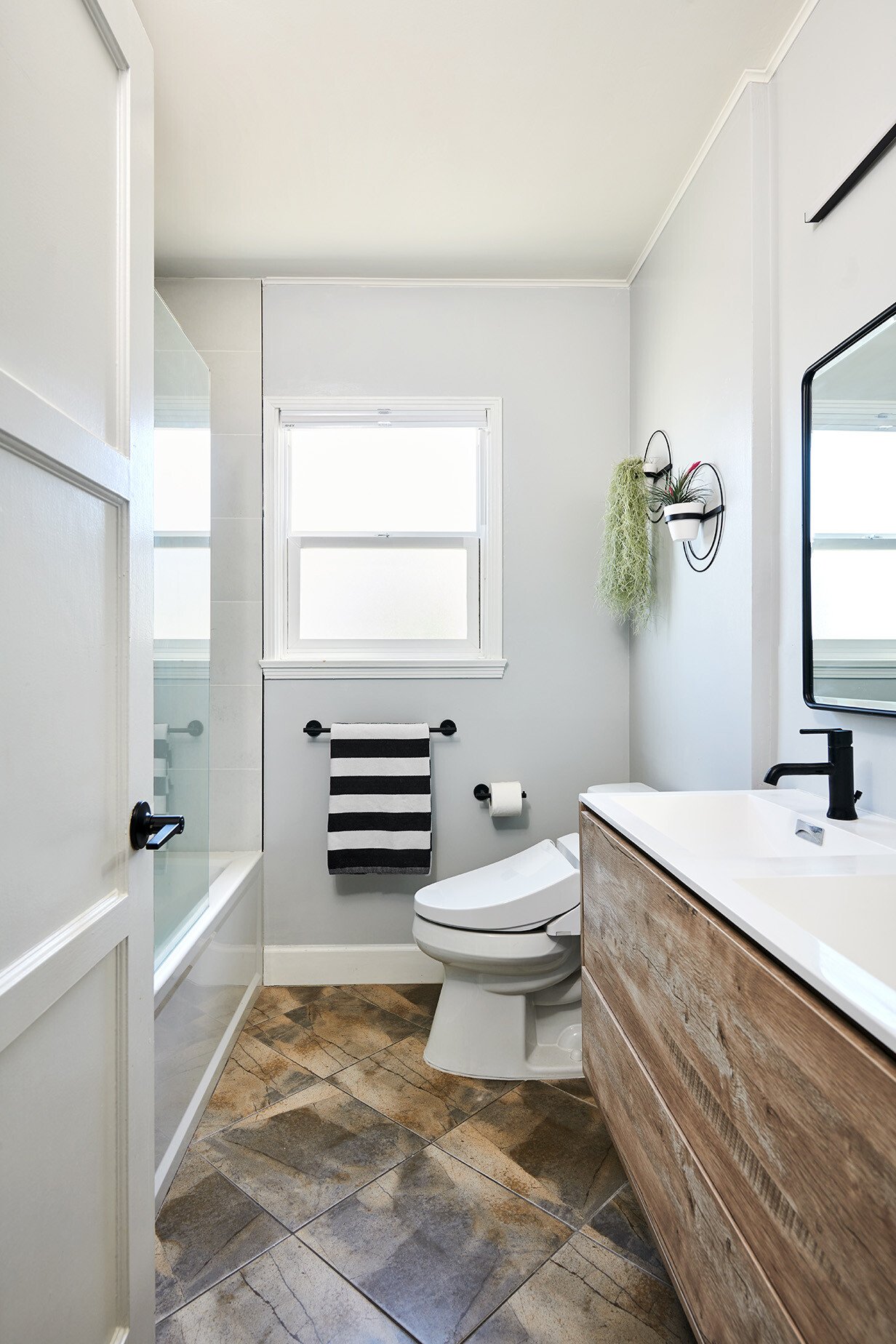
The bathroom size plays a crucial role in determining the overall cost. From extra-small bathrooms that maximize tight spaces to extra-large designs offering ample room for luxurious fixtures, each size category comes with its own budgetary considerations.
Understanding how size influences the choice of materials, fixtures, and labor can help you gauge the expenses involved more accurately. Let's expand on each size.
|
Bathroom Size
|
Approximate Square Feet
|
Approximate Cost
|
|
Extra Small
|
12–20
|
$3,000–$10,000
|
|
Small
|
20–35
|
$7,000–$15,000
|
|
Medium
|
36–50
|
$14,000–$30,000
|
|
Large
|
50–100
|
$30,000–$60,000
|
|
Extra Large
|
100+
|
$50,000–$100,000+
|
An extra small bathroom, typically around 12 to 20 square feet, is ideal for maximizing limited space, often found in apartments or compact homes. These bathrooms usually include essentials like a toilet and a corner sink, with a small shower stall or compact bathtub as optional additions. The cost of adding an extra small bathroom generally ranges from $3,000 to $10,000.
Despite the limited dimensions, these compact spaces require thoughtful design to ensure they remain functional and comfortable. Their smaller size often makes them more budget-friendly compared to larger bathrooms, allowing for strategic upgrades and high-quality materials within a tighter budget.
A small bathroom typically ranges from 20 to 35 square feet, providing just enough space to fit essential fixtures like a toilet, sink, and either a shower stall or a small bathtub. These bathrooms offer a cozy and efficient design, making them a popular choice for guest or second bathrooms in many homes. The cost to add a small bathroom generally falls between $7,000 and $15,000.
Although limited in size, a small bathroom can still be both stylish and functional with smart design choices. The relatively smaller footprint allows for efficient use of space while keeping expenses manageable.
A medium-sized bathroom typically ranges from 36 to 50 square feet, offering ample space for a variety of fixtures such as a toilet, sink, shower, and sometimes a bathtub. These bathrooms are versatile, often serving as a primary or shared family bathroom. The cost to add a medium bathroom usually ranges from $14,000 to $30,000.
This size allows for more creative design opportunities, providing the flexibility to incorporate features like double sinks or additional storage. While the costs are higher than those of smaller bathrooms, the added space enhances both functionality and comfort, making it a worthwhile investment for many homes.
A large bathroom typically spans between 50 and 100 square feet, offering generous space for multiple fixtures such as a toilet, double sinks, a shower, and a separate bathtub. This expansive layout suits a primary master bathroom, providing a luxurious and comfortable experience for its users. The cost to add a large bathroom generally ranges from $30,000 to $60,000.
With more space to work with, homeowners can incorporate luxury features like a walk-in shower, soaking tub, or additional cabinets for storage. While the costs are higher than smaller bathrooms, the spaciousness and added amenities make it a valuable addition, enhancing both the functionality and aesthetic appeal of your home.
An extra-large bathroom typically exceeds 100 square feet, offering ample space for deluxe features such as a separate shower and bathtub, dual sinks, and even a private toilet area. Often serving as a luxurious master suite, this type of bathroom provides a spa-like experience right at home. The cost to add an extra-large bathroom usually ranges from $50,000 to $100,000 or more, depending on high-end fixtures and finishes.
The expansive space allows for creative design opportunities, including the integration of walk-in closets, seating areas, or even high-tech features like digital controls for showers and lighting.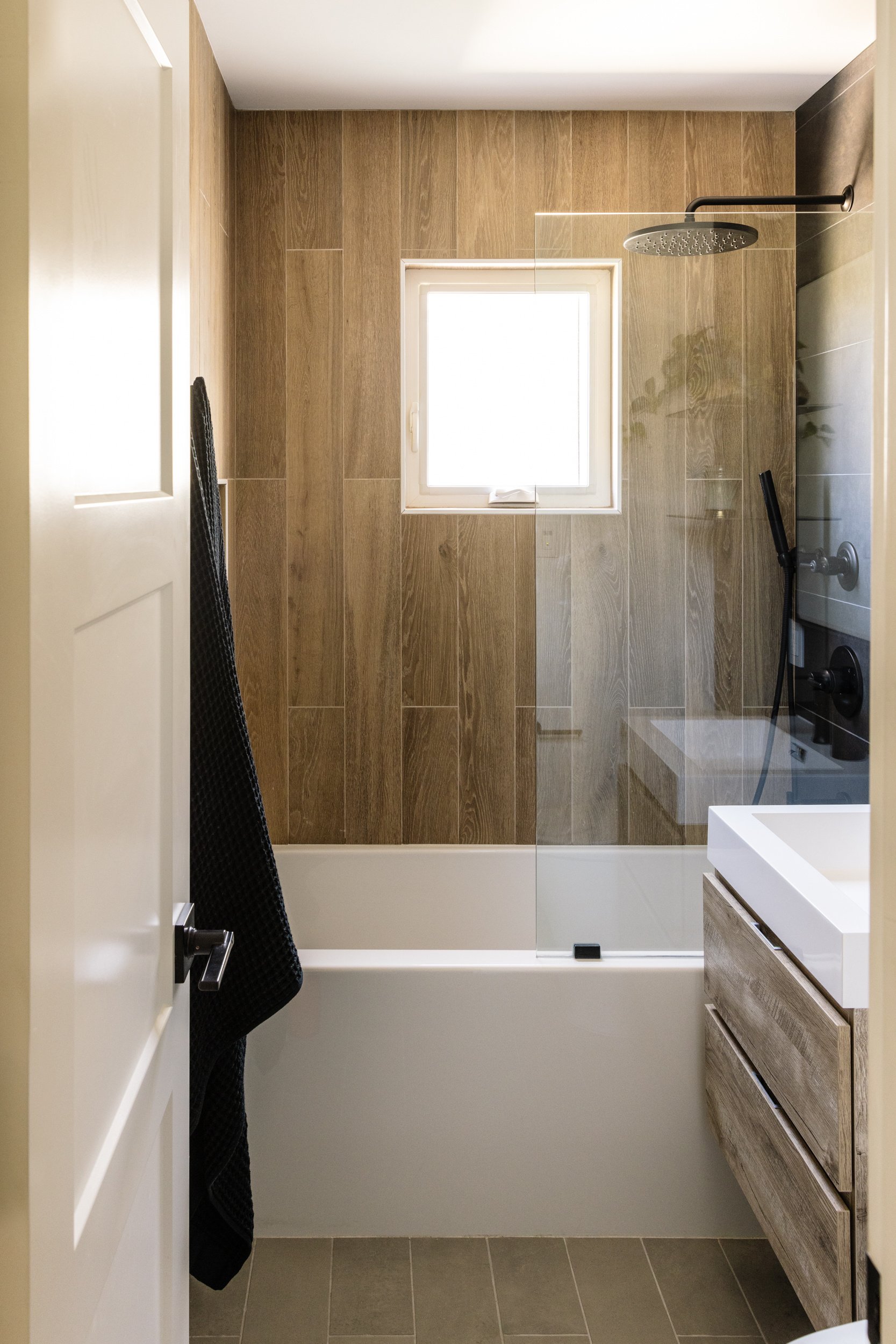
The location of your new bathroom within your home can significantly influence the overall cost of the project. Whether you're considering repurposing existing space like a closet or laundry room or building a new addition, each option presents unique challenges and expenses.
Factors such as plumbing accessibility, structural modifications, and electrical work play crucial roles in determining costs.
|
Location
|
Approximate Cost
|
|
Closet
|
$8,000–$15,000
|
|
Laundry Room
|
$7,000–$14,000
|
|
Attic
|
$15,000–$40,000
|
|
Bedroom
|
$10,000–$25,000
|
|
New Addition
|
$20,000–$50,000+
|
|
Garage
|
$10,000–$25,000
|
|
Basement
|
$8,000–$20,000
|
According to contractor Quinn Babcock, "If possible, place the new bathroom close to existing plumbing—such as back-to-back with a kitchen or another bathroom. This allows plumbers to tie into existing supply and drain lines more easily, which reduces labor costs. It’s also important to check electrical panel capacity early, since new circuits are typically needed for lighting, outlets, and ventilation."
Transforming a closet into a bathroom can be a clever way to utilize existing space, making it an appealing option for homeowners seeking an efficient solution. Depending on the closet's location and existing infrastructure, the cost to convert a closet into a bathroom typically ranges from $8,000 to $15,000.
This conversion may require significant adjustments, such as moving walls or adding plumbing and electrical systems, especially if the closet is in an area without easy access to existing water lines. However, with proper planning and design, a closet conversion can yield a convenient and attractive bathroom, enhancing your home's functionality without the need for a larger footprint.
Converting a laundry room into a bathroom can be a practical choice since the necessary plumbing connections are often already in place. This makes the conversion process potentially more straightforward and cost-effective. Typically, the cost to transform a laundry room into a bathroom ranges from $7,000 to $14,000.
This option often requires relocating or reconfiguring appliances to incorporate bathroom fixtures like a toilet, sink, and shower. With careful design, you can retain some laundry functionality within the space, creating a dual-purpose room that maximizes your home's utility and value.
Transforming an attic into a bathroom can be an exciting project that adds both functionality and value to your home. However, this often involves unique challenges such as ensuring adequate ventilation, insulation, and structural support. The cost to convert an attic into a bathroom typically ranges from $15,000 to $40,000.
Since attics may require extensive renovations, including plumbing installation and possibly reinforcing floors, costs can add up. Despite these challenges, an attic bathroom can provide a private, tucked-away retreat, transforming an underutilized space into a stylish and functional area in your home.
Converting a bedroom into a bathroom is a popular choice for adding a primary or guest bathroom, offering a spacious canvas for a variety of design options. This project typically involves significant alterations, such as removing existing fixtures and installing plumbing and electrical systems. The cost to transform a bedroom into a bathroom generally falls between $10,000 and $25,000.
Depending on the bedroom's original size, you can create a sizable bathroom that includes features like a shower, bathtub, and double sinks. While converting a bedroom may reduce your home's bedroom count, the addition of a well-designed bathroom can enhance your property's overall appeal and functionality, potentially increasing its market value.
Building a new bathroom addition onto your home is perhaps the most extensive option, offering complete freedom in design and layout. This involves both construction and the integration of new plumbing and electrical systems, leading to costs typically ranging from $20,000 to $50,000 or more, depending on the size and complexity of the project.
Creating a new addition allows homeowners to customize every element, from the placement of windows to the choice of materials. While this option is more costly due to the need for foundation work, framing, and roofing, it allows for the creation of a tailored space that perfectly fits your vision, significantly enhancing your home's value and comfort.
Transforming a garage into a bathroom can be a clever way to repurpose unused space, especially in homes where the garage is not heavily utilized for vehicles. The cost for such a conversion generally ranges from $10,000 to $25,000, depending on factors like structural modifications and accessibility to plumbing.
This type of conversion often requires installing insulation, HVAC systems, and proper drainage to meet bathroom requirements. Despite these challenges, converting a garage into a bathroom can add significant value and functionality to your home, creating a versatile space that meets your family's needs while making efficient use of existing structures.
Converting a basement into a bathroom is a popular choice for homeowners looking to make use of additional space, often enhancing the lower level's utility and livability. Costs for adding a bathroom to a basement typically range from $8,000 to $20,000, influenced by factors such as excavation for plumbing and the need for sufficient ventilation.
Basement bathroom installations often involve unique challenges, like installing plumbing systems below grade, which may require a sump pump or grinder pump. Despite these considerations, adding a bathroom in the basement can make the space more appealing and functional, offering convenience and value while maximizing your home's available square footage.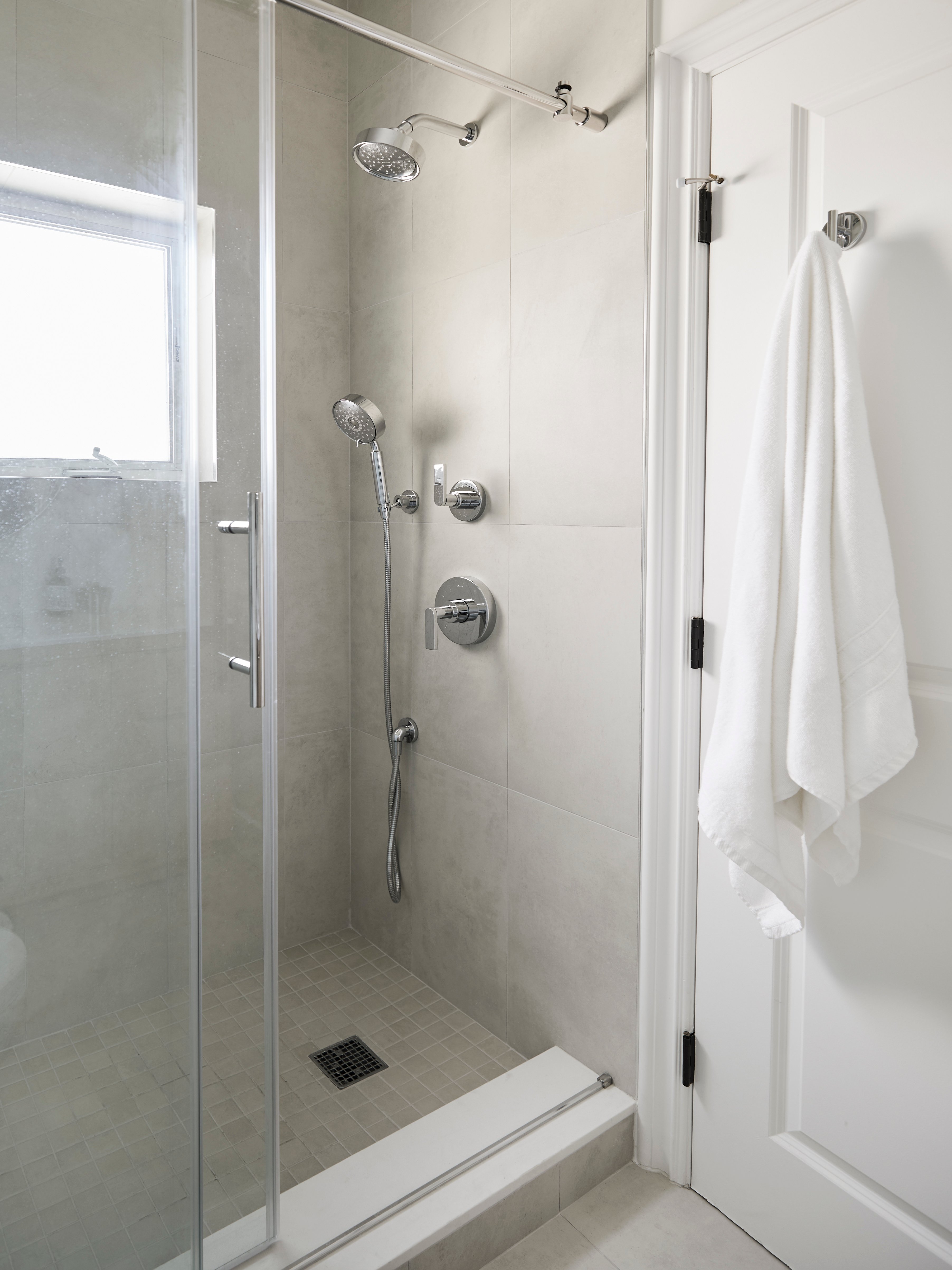
When calculating the cost of adding a bathroom, several additional factors come into play beyond just the type and location. These factors can significantly influence the overall budget and impact the final price. Key considerations include the choice of bathroom features, whether it's a new addition or an existing room conversion, the materials selected, and the cost of labor involved.
Choosing the right features for your bathroom can significantly influence the overall cost. Consider the following key features to balance luxury and budget effectively:
When deciding between building a new addition or converting an existing room into a bathroom, costs can vary significantly. A new addition provides freedom in design and customization, but it is usually more expensive due to the need for foundational work and installing new plumbing and electrical systems.
In contrast, converting an existing room can be more budget-friendly as it utilizes pre-existing space. This approach often requires fewer structural changes, which can help reduce costs, though plumbing and electrical modifications might still be necessary depending on the room's infrastructure.
The choice of materials plays a crucial role in determining the cost of adding a bathroom. High-quality materials such as marble countertops, ceramic wall tiles, and custom cabinetry can significantly enhance the aesthetics and durability of your bathroom but come with a higher price tag. On the other hand, opting for budget-friendly materials like laminate or vinyl can keep costs down while still offering a pleasing appearance.
Labor costs significantly impact the budget for adding a bathroom, depending on the project's complexity and the professionals hired. Skilled labor from plumbers, electricians, and carpenters ensures quality and safety, but these services can be costly, especially in urban areas where rates are higher.

"If possible, place the new bathroom close to existing plumbing—such as back-to-back with a kitchen or another bathroom."
Deciding between a professional bathroom addition and a DIY approach can greatly influence your project's cost and outcome. Each option has distinct advantages and challenges, affecting both your budget and the final result.
Opting for a professional bathroom installation ensures expertise and quality workmanship, though it can be more expensive due to labor costs. Professionals handle complex tasks such as plumbing and electrical work, minimizing risks and ensuring compliance with local codes, which can ultimately save time and prevent costly mistakes.
Taking on a DIY bathroom addition can significantly reduce costs, offering savings on labor. However, it requires a considerable time investment and a solid understanding of construction, plumbing, and electrical work. While DIY can be rewarding and budget-friendly, it's crucial to know your limits and when to call in experts to handle complex aspects safely and effectively.
When hiring a contractor for your bathroom addition, a few key steps can help ensure you select the right professional:

Renovate confidently with Block
Easily compare quotes from top quality contractors, and get peace of mind with warranty & price protections.
Design
Bathtub to Shower Conversion: Cost, Ideas, Examples & More
08.11.2026
Design
Open Shelving Bathroom Design Ideas & Optimal Placement
08.08.2026
Bathroom
Bathroom Wall Texture Ideas and What to Avoid
08.03.2026
Cost
20x20 Room Addition Cost: What to Budget in 2026
07.28.2026
Bathroom
High End Toilets for an Upgraded Bathroom
07.24.2026